Jaw-Dropping Secrets for the Best Burger Recipe
You don’t need a chef’s jacket or a meat grinder that sounds like a jet engine to make a jaw-dropping burger. You just need the right moves, a little patience, and a game plan that actually works. I’ve ruined enough patties to know what matters and what’s just noise. Ready to build the best burger of your life? Let’s grill.
FREE 7-Day Easy Dinner Reset
Get 7 healthy, family-friendly dinners complete with recipes and simple meal plans delivered straight to your inbox.
Choose the Right Beef (This Matters More Than You Think)
You can’t fix bad beef with fancy toppings. Start with ground chuck at 80/20—that’s 80% lean, 20% fat. That fat makes the burger juicy and flavorful, and no, you can’t “sauce your way” out of dry meat.
Want to get nerdy? Try a blend:
- Chuck + brisket for rich beefiness
- Chuck + short rib for tenderness and depth
- All chuck if you want simple and consistent
FYI: Skip pre-formed patties and anything labeled “extra lean.” Your taste buds deserve better.
Freshness and Grind Size
Ask your butcher for a coarse grind if possible. Coarse grind creates craggly edges that crisp up. If the meat looks mushy or uniform like Play-Doh, that’s a hard pass.
Seasoning: Simple, Generous, Strategic

Salt transforms meat. Season just before cooking and do it like you mean it. Salt early, and it pulls moisture out. Wait, and you get a juicy crust.
Use:
- Kosher salt for better control
- Freshly cracked black pepper for bite
That’s it for the patty. Save your spice party for sauces and toppings. IMO, garlic powder in the meat can taste weird when it burns.
When to Season the Inside
If you want flavor inside the patty, fold in a tiny bit of Worcestershire or finely grated onion—but do it lightly. Overmix and you get dense meat pucks. Fold once or twice, then stop.
Patty Formation: Touch Less, Win More
Form loose, airy patties that are slightly wider than the bun—about 4.5–5 inches across for a 4-ounce patty. Don’t knead. Don’t compress like you’re making snowballs for battle.
Key moves:
- Light pressure: Just enough to hold together
- Thumbprint dimple: Press a shallow dent in the center so it cooks evenly
- Chill 15 minutes: Helps patties hold shape on the heat
Want smash burgers? Make 2.5–3 oz balls and don’t pre-flatten. The smash comes on the hot surface. Speaking of…
Heat Management: Your Grill or Pan Needs to Roar

You want aggressive heat. That’s where the crust happens. No crust = no glory.
Options:
- Cast iron skillet or griddle: Best crust, reliable heat
- Grill: Great flavor, but use a clean, oiled grates and high heat
Preheat until you see a whisper of smoke. If your pan doesn’t sizzle when the patty hits, it’s not ready. Patience, friend.
Smash Technique
For smash burgers, work fast:
- Drop the meat ball on a ripping-hot surface.
- Immediately press hard with a sturdy spatula or press for 10 seconds.
- Do not touch for 1–2 minutes. Let the crust form.
Flip once, then add cheese. Smash burgers cook in about 3 minutes total. Blink and you’ll miss it.
Flip Once, Never Press, Melt Cheese Like a Pro
Resist the urge to fuss. You only need one flip. Pressing the patty squeezes out juices and hope. Don’t do it.
Cook times (rough guide, 4–5 oz patties):
- Medium-rare: 2–3 minutes per side
- Medium: 3–4 minutes per side
Add cheese right after the flip. Cover the pan for 30–45 seconds to melt. On the grill, dome it with a metal bowl or use a top rack. Better melt = better bite.
Cheese Choices That Actually Matter
- American: Best melt, classic taste
- Sharp cheddar: Big flavor, but slice it thin
- Gruyère: Nutty and elegant (fancy burger vibes)
- Pepper jack: Adds heat without overpowering
Never Wonder What's For Dinner Again
Get 7 healthy, family-friendly dinners complete with recipes, grocery lists, and simple meal plans delivered straight to your inbox.
Bun Strategy: Toast It, Butter It, Match the Patty

A great bun keeps everything together and adds texture. Toast the cut sides in butter until golden. That slight crunch plus a soft interior = perfect contrast.
Top picks:
- Potato rolls: Soft, slightly sweet, sturdy enough
- Brioche: Rich and squishy, but toast it well
- Sesame seed buns: Classic, adds aroma and grip
Size matters. The bun should cradle the patty without smothering it. If the bun dwarfs the meat, you built a bread sandwich.
Condiments and Toppings: Build Layers, Not Chaos
You don’t need a leaning tower of toppings. Stack with intention, and let every bite make sense.
Sauce ideas:
- Secret sauce = mayo + ketchup + relish + dash of vinegar + paprika
- Garlic mayo = mayo + grated garlic + lemon juice
- Spicy kick = mayo + hot sauce + lime
Crunch and freshness:
- Shredded iceberg for crispness that doesn’t slide
- Thin tomato slices salted for 2 minutes to boost flavor
- Pickles for acid that cuts richness
- Onions: Raw for bite, griddled for sweetness
The Order of Operations
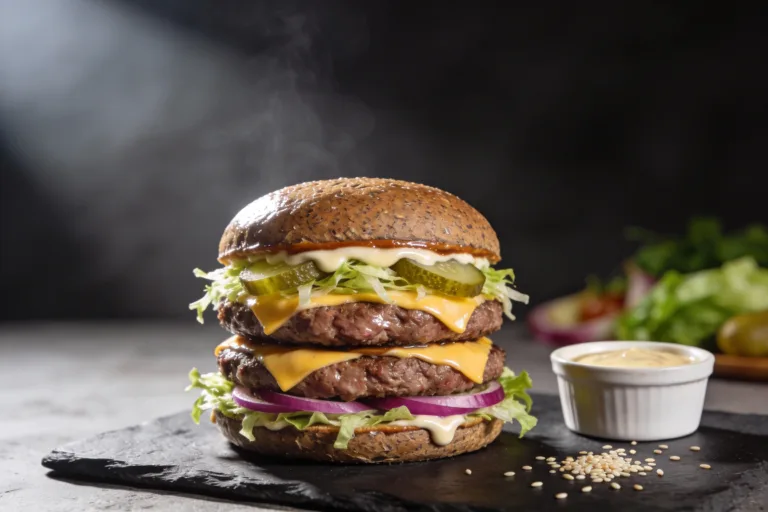
Bottom bun, sauce, pickles, patty with melted cheese, onions, tomato, lettuce, top bun with sauce. Why? Sauce on both buns keeps things juicy, pickles on the bottom don’t slide, and lettuce near the top shields the bun from tomato moisture. Science-ish.
Advanced Moves for Overachievers
Want to go from “great” to “unfair advantage”? Try these:
- Dry brine the buns: Sprinkle a pinch of salt on toasted sides. It wakes up the flavor.
- Butter-baste: Toss a knob of butter in the pan for the last 30 seconds. Spoon over the patty.
- Onion smash: Press thinly sliced onions into the patty as you smash. Sweet, crispy edges, total winner.
- Two thin patties: Double the crust area, melt cheese in between. This is my go-to, IMO.
- Steam trick: Add a tablespoon of water to the pan and cover for 10–15 seconds for ultra-melty cheese.
Common Mistakes You Can Avoid
- Overmixing the meat: Makes tough burgers. Handle gently.
- Low heat: Leads to gray, sad patties. Preheat until hot-hot.
- Pressing the patty: Juices on the griddle = dry burger in your hand.
- Skipping the toast: Soggy buns ruin the vibe.
- Overstacking: If you need a rope and pulley to eat it, edit your toppings.
FAQ
How do I keep burgers from falling apart?
Use cold meat, form loose but cohesive patties, and chill them for 10–15 minutes before cooking. Don’t add eggs or breadcrumbs—that’s meatloaf territory. A good grind and gentle handling do the job.
Can I make burgers with lean meat?
You can, but they’ll taste drier. Add a tablespoon of mayo per pound to increase moisture, or blend in a fattier cut. Better yet, use 80/20 and enjoy your life.
What’s the best way to cook burgers indoors?
Cast iron all day. Preheat until smoking, add a thin film of neutral oil, and cook with the window open because it will get smoky (worth it). You’ll get an insane crust and consistent doneness.
How do I tell when they’re done without a thermometer?
Press gently: soft and springy means medium-rare, slightly firmer means medium. Or cut one open if you must. If you want precision, a quick-read thermometer is your friend: 130–135°F for medium-rare, 140–145°F for medium.
Should I rest the burgers after cooking?
Short answer: briefly. One to two minutes lets juices settle without cooling the patty too much. Build your burger during that minute and you’ll nail the timing.
What’s the best cheese for a classic burger?
American cheese wins for melt and texture. It hugs the patty and drapes perfectly. If that’s not your vibe, go thin-sliced cheddar or pepper jack and cover to melt.
Conclusion
Make the meat count, season smart, bring the heat, and stack with purpose. That’s the whole playbook. Keep it simple, nail the technique, and add a few personal touches. Then take a victory bite and pretend it took you years to figure out—FYI, your secret’s safe with me.
Loved This Recipe?
If you're looking for more simple, healthy dinners your family will actually eat, grab my FREE 7-Day Easy Dinner Reset. You'll get 7 easy dinner recipes, simple grocery lists, and a done-for-you plan that takes the stress out of mealtime.