The Fastest Way to Regain Control After Overeating Today
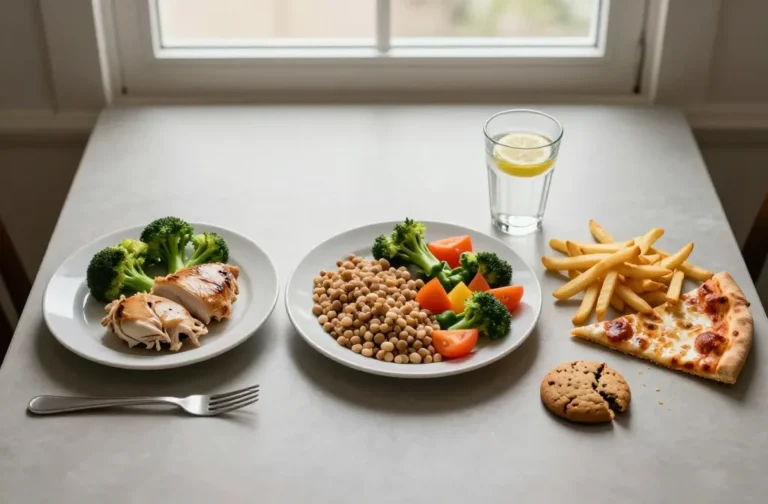
You overate. It happens. Maybe the pizza had extra cheese, maybe the cookies jumped into your mouth, maybe dinner turned into a second dinner. Whatever. The fastest way to regain control isn’t punishment—it’s smart, simple moves that reset your body and your brain, fast. Let’s get you back on track without the guilt spiral or kale penance.
FREE 7-Day Easy Dinner Reset
Get 7 healthy, family-friendly dinners complete with recipes and simple meal plans delivered straight to your inbox.
Step One: Stop the Spiral
You don’t need a juice cleanse. You need a pause. Take a breath, drink a big glass of water, and decide your next move. That’s it. Momentum loves clarity, and you just gave it some.
Quick reset checklist:
- Drink 12–16 oz of water
- Stand up, stretch, and take 20 deep belly breaths
- Say out loud: “I’m fine. Next choice = fresh start.”
Hydrate Like You Mean It

Overeating usually means salty food, minimal water, and bloating that makes jeans hostile. Hydration fixes a lot of that. Aim for 2–3 tall glasses over the next hour or two. Add a pinch of salt and a squeeze of lemon if you want to get fancy—electrolytes help.
Why this works
Water reduces water retention (yes, counterintuitive, I know). It also supports digestion, reduces “fake hunger,” and helps your body process the extra carbs and sodium without drama.
Move, Don’t “Burn It Off”
FYI: you can’t out-run the brownie. But you can outsmart the blood sugar crash. Do 10–20 minutes of light movement—walk outside, easy cycling, or a mobility flow. This helps your muscles soak up glucose and calms your brain. No punishment workout required.
Fast movement ideas
- 12-minute brisk walk after meals
- 3 rounds: 10 air squats, 10 wall pushups, 30-second plank
- 10 minutes of stretches while a podcast plays
Balance Your Next Meal (Don’t Skip It)

Skipping the next meal usually backfires. You get ravenous, then—you guessed it—more overeating. Instead, eat a balanced, normal-sized meal with protein, fiber, and volume. Keep it simple and boring-on-purpose.
Build-your-plate formula:
- Protein: 25–40 g (chicken, tofu, eggs, Greek yogurt)
- Fiber + volume: 1–2 cups veggies or fruit
- Smart carbs: 1 fist (rice, potatoes, beans) if you’re active; half if not
- Fats: 1–2 thumbs (olive oil, avocado, nuts)
What to avoid next meal
- Liquid sugar: sodas, sweet coffees
- “Snacky” meals: crackers and vibes
- Overcorrecting: a sad salad with 4 leaves and a prayer
Use Strategic “Reset” Foods
Some foods feel like a reset button because they’re satisfying, easy on the stomach, and keep you full without more chaos. Here are two quick recipes that check every box and help you rebound fast.
Recipe 1: Protein-Packed Greek Yogurt Bowl
Ingredients:
- 3/4 cup (170 g) plain nonfat Greek yogurt
- 1/2 cup mixed berries (fresh or frozen, ~75 g)
- 1 tablespoon chia seeds
- 1 teaspoon honey (optional)
- Cinnamon or vanilla extract, to taste
Why it helps: High protein, fiber, hydration from berries, and it’s easy to digest. Sweet but not a sugar bomb.
Estimated nutrition per serving (1 bowl):
- Calories: ~200
- Total Fat: ~4 g
- Total Carbohydrates: ~26 g
- Dietary Fiber: ~9 g
- Net Carbs: ~17 g
- Protein: ~20 g
Serving size used: 1 bowl as listed. Disclaimer: Nutrition values are estimates based on standard USDA data and may vary by brand and portion.
Recipe 2: 10-Minute Veggie Egg Scramble
Ingredients:
Never Wonder What's For Dinner Again
Get 7 healthy, family-friendly dinners complete with recipes, grocery lists, and simple meal plans delivered straight to your inbox.
- 2 large eggs
- 1 cup chopped veggies (spinach, bell pepper, onion, mushrooms)
- 1 teaspoon olive oil
- Salt, pepper, hot sauce if you’re fun
Why it helps: Protein + fiber + micronutrients with minimal carbs. Great for lunch or dinner when you want something hot and satisfying.
Estimated nutrition per serving (entire pan):
- Calories: ~220
- Total Fat: ~15 g
- Total Carbohydrates: ~9 g
- Dietary Fiber: ~3 g
- Net Carbs: ~6 g
- Protein: ~14 g
Serving size used: Full recipe as listed. Disclaimer: Nutrition values are estimates based on USDA data and typical veggies; amounts vary with choices and brands.
Sleep and Stress: The Unsexy Fix

You can nail food and movement and still feel off if you sleep 4 hours and drown in stress. Cortisol spikes cravings, and poor sleep tanks willpower. Tonight, wind down early, dim screens, and set an alarm to go to bed, not just to wake up. IMO, this beats any “detox tea” by a mile.
Mini wind-down routine (15 minutes)
- Hot shower or face wash + pajama truce with your future self
- Stretch: 5 slow breaths per pose—hamstrings, hips, chest
- Journaling: 3 lines—What went well? What’s my next healthy move?
Plan the Next 24 Hours, Not the Next 24 Years
Grand plans overwhelm you. A tiny, clear plan rescues you. Choose 3 simple commitments for the next day and write them down.
Example 24-hour reset:
- Walk 10 minutes after lunch and dinner
- Protein at every meal (25+ g)
- 2 liters of water before 6 p.m.
Stick to these, and you’ll feel back in control fast—no drama, no extremes.
FAQ
Should I fast after overeating?
You can delay your next meal if you’re genuinely not hungry, but don’t force a long fast. Skipping too long often leads to rebound eating. Better move: hydrate, walk, then eat a balanced, normal meal when hunger returns.
Do I need to cut carbs the next day?
Not necessarily. Focus on protein first, plus veggies and moderate carbs. If you feel puffy or sluggish, reduce refined carbs for a day, but keep fruit, beans, and whole grains if they work for you.
What’s the best workout after a binge?
Light movement wins. Walk 10–20 minutes, or do a chill mobility session. Save intense training for when you feel normal again—otherwise you’ll feel worse, not better.
How do I stop the guilt?
Narrate facts, not feelings: “I ate more than usual. I’m hydrating and moving. Next meal is balanced.” Guilt fuels more overeating. Action ends the loop.
Any supplements that help?
Not required. If you want extras, magnesium glycinate at night can support sleep, and a basic electrolyte mix can help hydration. But food, water, and walking do the heavy lifting—IMO, start there.
What if overeating happens a lot?
Look for patterns: long gaps without protein, chaotic schedules, emotional triggers. Build anchor habits—regular meals, movement, and wind-down routines—and consider chatting with a pro if you feel stuck. You’re not broken; you need a system.
Conclusion
You don’t need penance; you need a plan. Hydrate, move lightly, eat a balanced next meal, sleep, and set a tiny 24-hour plan. Do that, and you’ll feel back in control faster than your inner critic can reload. Friendly reminder: one big meal doesn’t define you—your next choice does.
Loved This Recipe?
If you're looking for more simple, healthy dinners your family will actually eat, grab my FREE 7-Day Easy Dinner Reset. You'll get 7 easy dinner recipes, simple grocery lists, and a done-for-you plan that takes the stress out of mealtime.