How to Stop Eating Your Emotions Instead of Feeling Them Fast
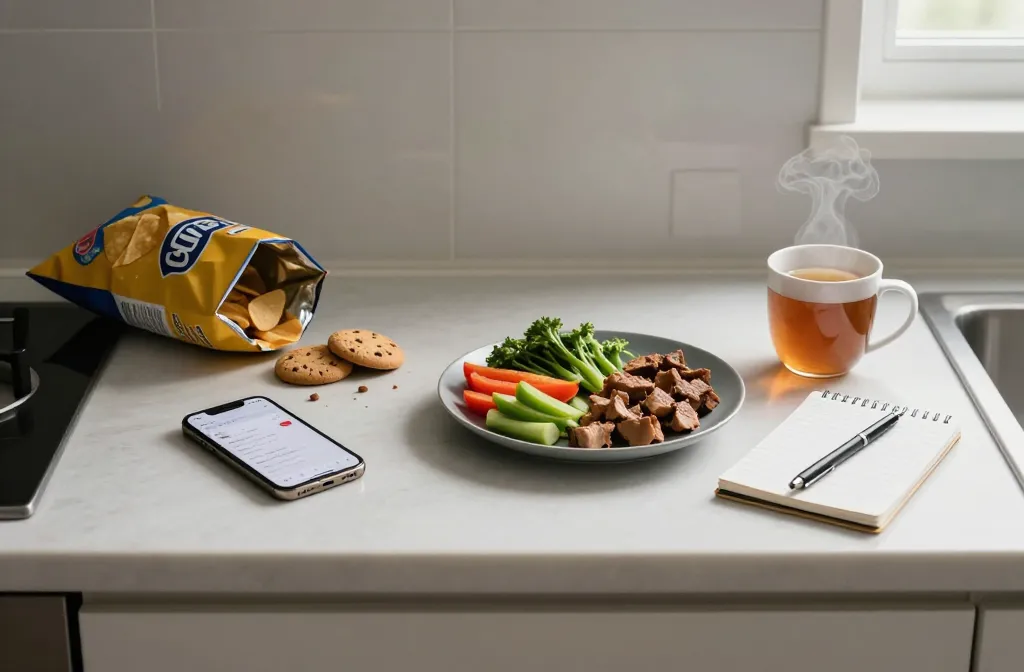
You’ve had a rough day, your inbox exploded, and suddenly the chips are calling your name like a siren. You’re not hungry, but you’re in your pantry anyway. Sound familiar? Let’s talk about how to stop eating your emotions and actually feel them—without turning into a walking self-help book. You don’t need willpower of steel; you need a few practical tools and some honest conversation with yourself.
FREE 7-Day Easy Dinner Reset
Get 7 healthy, family-friendly dinners complete with recipes and simple meal plans delivered straight to your inbox.
First: Spot the Difference Between Real Hunger and “Ugh, Feelings” Hunger
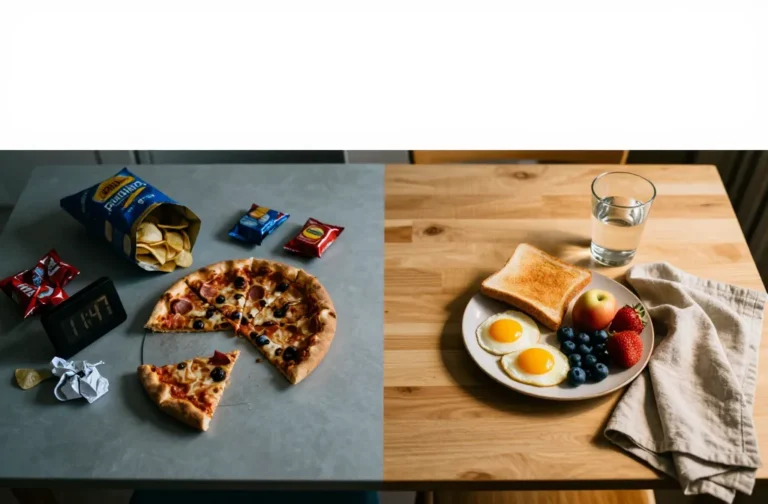
Physical hunger creeps in slowly, feels like an empty or gnawing sensation, and any decent meal sounds good. Emotional hunger? It hits fast, demands something specific (hi, cookies), and leaves you feeling guilty after.
Quick gut-check:
- Did hunger come on suddenly? Probably emotional.
- Would a balanced meal satisfy you? If not, you want comfort, not calories.
- Do you feel urgent or antsy? That’s a feeling, not a stomach talking.
Try the 10-Minute Pause
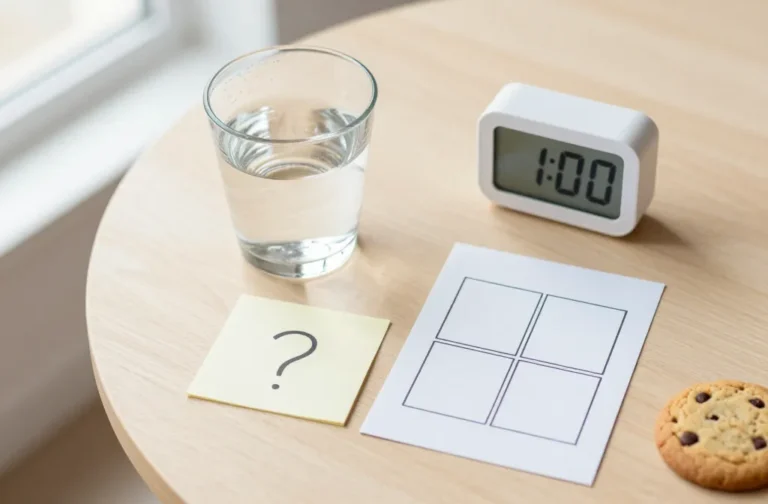
Set a timer. Drink water or tea. Ask: What am I actually feeling right now—bored, anxious, lonely, irritated? If the craving still screams after 10 minutes, eat with intention. But odds are, the volume drops.
Name Your Feeling So It Stops Running the Show

Your brain loves labels. If you name the emotion, you take back the steering wheel. Say it out loud or write it down: “I feel overwhelmed and underappreciated.” Corny? A little. Effective? Yes.
Use this mini script:
- “I notice I want to eat when I feel ____.”
- “Right now I feel ____ at a level of ____/10.”
- “I can survive this feeling for 10 minutes.”
Emotional Toleration Toolkit
Pick one:
- Breath: Inhale 4, hold 4, exhale 6. Repeat 5 times.
- Move: 20 jumping jacks or a fast block walk.
- Ground: Name 5 things you see, 4 you feel, 3 you hear, 2 you smell, 1 you taste.
FYI: You’re not fixing the feeling. You’re just riding it without a snack.
Make Food Less of a Therapist (And Find New Coping Reps)
We all trained our brains to pair “bad day” with “sweet treat.” You can retrain it. Create a tiny menu of non-food comforts and stick it on your fridge.
Build your “Instead of Eating” list:
- Text a friend: “On a scale of 1-10, my day is a spicy 7.”
- Hot shower + favorite playlist.
- 10-minute tidy of one surface—control something small.
- Two pages of journaling: brain-dump, no grammar police.
- Cozy distraction: a chapter of a light book or one episode (not six).
IMO, the key isn’t perfection; it’s having options when you’re on autopilot.
Eat Regularly So Cravings Don’t Ambush You

If you under-eat all day, your brain will drag you to the snack cabinet at night—emotions or not. Consistent meals stabilize blood sugar and make emotional cravings less bossy.
Basics that actually work:
- Eat every 3-5 hours while awake.
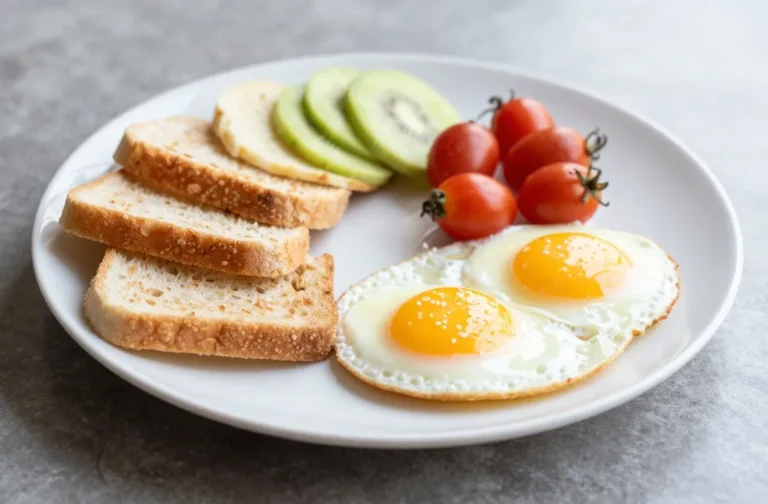
- Each meal: protein + fiber + fat + carbs.
- Don’t save all your calories for night. You’re not a squirrel.
Balanced Snack Ideas
- Greek yogurt + berries + a drizzle of honey
- Apple slices + peanut butter
- Whole-grain crackers + cheese
- Hummus + baby carrots + a few olives
Practice Mindful Eating Without Becoming a Monk
Mindful doesn’t mean slow-motion chewing forever. It means you show up while you eat.
Try this during your next craving:
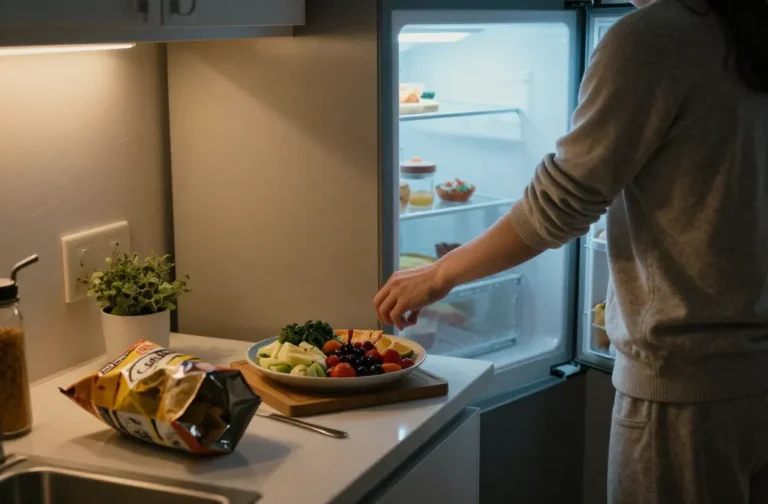
- Plate it. No eating from the bag.
- Sit down (yes, actually sit).
- First bite: rate it 1-10 on satisfaction.
- Halfway check-in: still at a 7+? Keep going. Dropped to a 4? You’re done.
If you decide to eat the cookie, awesome. Eat the best cookie you can find and enjoy it like it paid rent.
Audit Your Triggers and Set Tiny Boundaries

Emotional eating is usually predictable. Map the trap.
Common triggers:
- Evening TV + boredom
- Work stress between 3-5 PM
- Lonely weekends
- After tough conversations
Set Up “If-Then” Plans
- If it’s 9 PM and I want snacks, then I’ll make tea and read for 10 minutes first.
- If I get slammed at 4 PM, then I’ll take a 5-minute walk before I check Slack again.
- If I crave sweets after dinner, then I’ll have fruit with dark chocolate squares on a plate.
Tiny boundaries beat vague promises every time.
When Food Still Wins: Repair Fast, Not Perfect
You ate your feelings? Cool. You’re human. Don’t spiral into “I blew it, might as well keep going.” That’s like popping all your tires because one got a nail.
Quick repair steps:
Never Wonder What's For Dinner Again
Get 7 healthy, family-friendly dinners complete with recipes, grocery lists, and simple meal plans delivered straight to your inbox.
- Drink a glass of water.
- Write two lines: what happened, what I needed, one thing I’ll try next time.
- Eat your next normal meal. No punishment “detox.”
Compassion fixes more than shame ever will, IMO.
FAQ
What if I can’t tell what I’m feeling?
Start with broad categories: mad, sad, glad, scared, tired. Pick one that’s “closest” and rate it 1-10. The label doesn’t need to be perfect to help. Over time, you’ll get more specific.
How do I stop late-night emotional eating?
Front-load your day with enough food, plan a satisfying dinner, and set a post-dinner routine (tea + book + phone in another room). Keep a pre-decided sweet option—like Greek yogurt with honey or two dark chocolate squares—so you don’t go on a scavenger hunt.
Is it okay to use food for comfort sometimes?
Yes. Food can comfort. The goal isn’t zero comfort eating; it’s choice over compulsion. If you choose it, portion it, and enjoy it without guilt, you’re winning.
Should I cut out “trigger” foods?
Usually no. Restriction makes cravings louder. Keep them, but make them less convenient: single-serve portions, on a high shelf, eaten plated and seated. When you know you can have it anytime, urgency fades.
When should I talk to a therapist or dietitian?
If episodes feel out of control, you often eat to the point of pain, or you feel intense guilt or shame around food, get support. A therapist (especially trained in CBT/DBT) and a non-diet dietitian can help you build skills faster and safer.
Quick-Prep Comfort Recipes (With Estimated Nutrition)
Sometimes you want something cozy that doesn’t nuke your goals. Here are three simple, balanced options. Serving sizes are my best estimates based on typical portions.
1) Greek Yogurt Parfait
Ingredients (per serving):
- 3/4 cup plain nonfat Greek yogurt
- 1/2 cup mixed berries (strawberries/blueberries)
- 1 tablespoon honey
- 2 tablespoons granola
Serving size: 1 bowl (about 1 cup total volume)
Estimated nutrition per serving:
- Calories: ~220
- Total Fat: ~2.5 g
- Total Carbohydrates: ~36 g
- Dietary Fiber: ~3 g
- Net Carbs: ~33 g
- Protein: ~17 g
2) Apple + Peanut Butter Plate
Ingredients (per serving):
- 1 medium apple (about 182 g)
- 1 tablespoon natural peanut butter
Serving size: 1 apple with 1 tbsp PB
Estimated nutrition per serving:
- Calories: ~190
- Total Fat: ~8 g
- Total Carbohydrates: ~28 g
- Dietary Fiber: ~5 g
- Net Carbs: ~23 g
- Protein: ~4 g
3) Hummus, Veggies, and Olives Snack Plate
Ingredients (per serving):
- 1/4 cup hummus (about 62 g)
- 1 cup baby carrots
- 6 small olives
Serving size: 1 snack plate
Estimated nutrition per serving:
- Calories: ~180
- Total Fat: ~11 g
- Total Carbohydrates: ~16 g
- Dietary Fiber: ~5 g
- Net Carbs: ~11 g
- Protein: ~5 g
Disclaimer: Nutrition values are estimates based on standard USDA data and typical brands. Actual values will vary with specific products and portion sizes.
Bottom Line
You don’t need to ban cookies or become a feelings wizard. You just need a tiny pause, a named emotion, and a short list of non-food comforts. Eat enough during the day, build simple routines, and repair quickly when things go sideways. You’re training a skill, not chasing perfection—and that’s how you stop eating your emotions and start feeling them without fear.
Loved This Recipe?
If you're looking for more simple, healthy dinners your family will actually eat, grab my FREE 7-Day Easy Dinner Reset. You'll get 7 easy dinner recipes, simple grocery lists, and a done-for-you plan that takes the stress out of mealtime.