Why You Can’T Stop Once You Start Eating Exposed
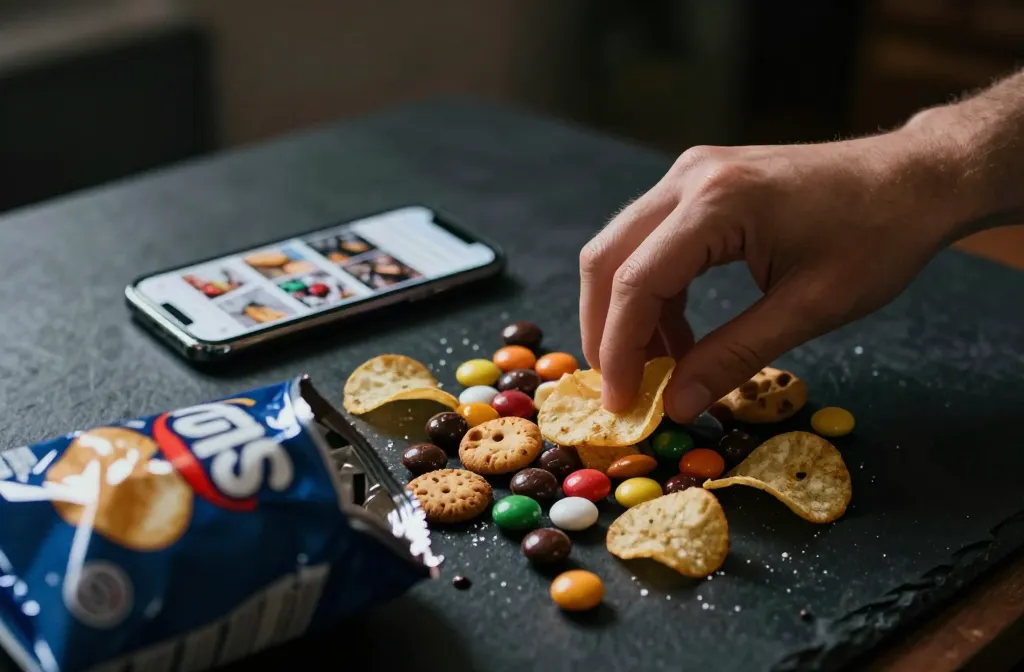
You crush one chip. Then another. Suddenly, the bag is a crime scene and you’re calculating how to hide the evidence. Why does “just one” never stay “just one”? You’re not weak. You’re human. And a lot of very smart people designed food—and phones, and packaging—to make “enough” feel like a myth. Let’s crack why you can’t stop once you start, and how to take back the steering wheel without killing the joy.
FREE 7-Day Easy Dinner Reset
Get 7 healthy, family-friendly dinners complete with recipes and simple meal plans delivered straight to your inbox.
Your Brain Loves a Jackpot
Food doesn’t just fill you up. It lights up your brain’s reward system—especially foods that combine sugar, fat, and salt. That combo triggers dopamine, your “do it again” neurotransmitter. You don’t crave broccoli like this because broccoli doesn’t text dopamine at 2 a.m.
Ultra-processed foods hit fast and hard. They melt, crunch, or dissolve just right. Your tongue gets a party; your brain asks for an after-party. That’s not a “lack of willpower”—that’s biology high-fiving engineering.
The Bliss Point, Explained
Food scientists engineer the “bliss point,” the precise sugar-salt-fat target that maximizes craveability without tipping into “too sweet” or “too salty.” It’s the culinary version of clicking “next episode.” You don’t decide to want more; your mouth does.
Hunger Isn’t the Only Boss

You eat because you’re hungry, sure. But also because:
- Habit: You always snack while watching shows. Your brain ties the couch to the pantry.
- Stress: Cortisol shows up and says, “We need chips for survival (we do not).”
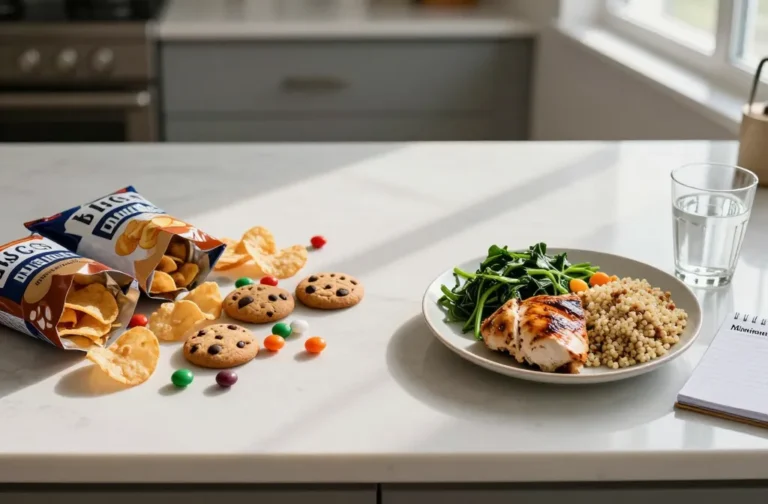
- Environment: Open bags, large plates, and family-size tubs say, “Go wild.”
- Social cues: Everyone else eats. You match the vibe.
FYI, your stomach signals “full” with a delay. So you keep eating because the “we’re good” text from your gut arrives like a slow email.
Portions Play Mind Games
Big plates shrink portions. Bottomless bowls erase “done.” Family-size snacks suggest “family,” but your hand doesn’t know math. Even the sound of crunching (yes, ASMR for your own jaw) can boost satisfaction or make you chase more if you barely hear it.
The “Vanishing Caloric Density” Trick
Some snacks dissolve quickly (think cheese puffs). They feel light, so your brain undercounts. You eat more because your mouth says, “Where’d it go?” Meanwhile, calories still count like accountants in April.
Crave Loops: Sugar, Salt, Fat, Repeat

Let’s decode the loop:
- Trigger: Bored, stressed, or it’s just there.
- Action: Grab snack. First bite? Fireworks.
- Reward: Dopamine says, “Nailed it.”
- Learning: Brain bookmarks this as “great idea.”
You repeat because the loop pays off fast. The fix isn’t “never snack.” It’s changing the loop on purpose.
Fast Fixes That Actually Work
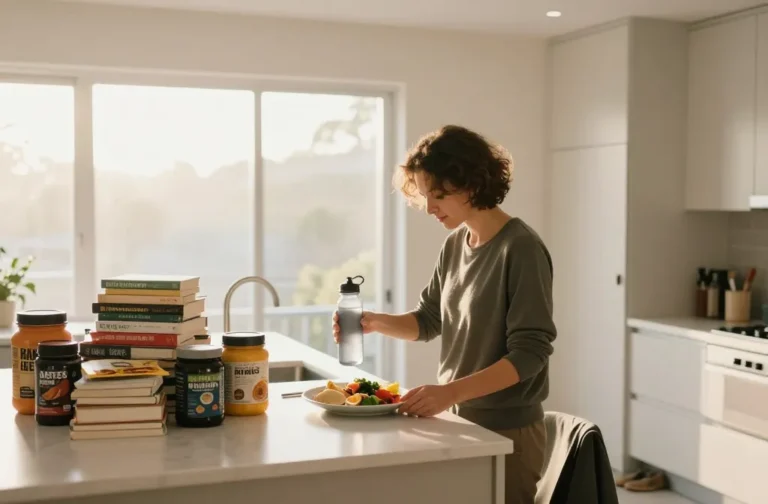
- Portion before you start: Put a serving in a bowl. Bag goes away. Out of sight = out of mouth.
- Upgrade texture: If you want crunch, swap in carrots, apples, snap peas, or roasted chickpeas. Crunch scratches the itch.
- Protein + fiber first: A yogurt, a handful of nuts, or a chicken wrap before chips slows the spiral.
- Drink water: Thirst cosplays as hunger. Classic.
Marketing Nudges You (Hard)
Bright colors, cute mascots, “baked not fried,” resealable bags—every detail invites a longer snack session. Even variety packs hack your boredom. You don’t get flavor fatigue, so you keep going. IMO, nothing beats a simple move: buy smaller packages when you can.
Build a Stop Button You’ll Actually Use

You won’t out-stubborn engineered snacks every time. But you can design your environment.
- Single-serve strategy: Make your own snack packs when you get home.
- Staging: Keep snacks far, keep fruit or protein near. You’ll eat the reachable thing.
- Intermission rule: Halfway through, pause 2 minutes. Ask, “Still want this, or just finishing the episode?”
- Swap rituals: Tea or sparkling water instead of a second dessert. Same ritual, less spiral.
FYI: you can still eat fun food. You just want to drive, not sit in the trunk with a family-size bag.
When It’s More Than Snacks
Sometimes “can’t stop” signals something deeper:
- Undereating earlier: You go all day on vibes and coffee, then the night eats you.
- Sleep debt: Less sleep, more ghrelin (hunger hormone), less leptin (fullness). You snack like it’s your job.
- Emotional eating: Food soothes. Therapy, journaling, or stress tools can help more.
- Medical factors: Meds or conditions can alter appetite. Talk to a pro if this feels chronic.
Mini “Recipes” to Satisfy Cravings (With Nutrition Estimates)
Below are quick snack ideas that scratch common cravings without the runaway effect. Serving sizes are noted and used for the calculations. Nutrition values are estimates based on standard USDA data.
Never Wonder What's For Dinner Again
Get 7 healthy, family-friendly dinners complete with recipes, grocery lists, and simple meal plans delivered straight to your inbox.
1) Crunchy Apple PB Dippers
What: 1 medium apple (182 g), sliced + 1 tablespoon (16 g) natural peanut butter
Serving size: 1 full plate as above
Estimated nutrition per serving:
- Calories: ~186 kcal
- Total Fat: ~8 g
- Total Carbohydrates: ~28 g
- Dietary Fiber: ~5.5 g
- Net Carbs: ~22.5 g
- Protein: ~4.5 g
2) Greek Yogurt Berry Bowl
What: 3/4 cup (170 g) plain nonfat Greek yogurt + 1/2 cup (74 g) blueberries + 1 teaspoon honey (7 g)
Serving size: 1 bowl as above
Estimated nutrition per serving:
- Calories: ~160 kcal
- Total Fat: ~0 g
- Total Carbohydrates: ~28 g
- Dietary Fiber: ~3.5 g
- Net Carbs: ~24.5 g
- Protein: ~17 g
3) Roasted Chickpea Crunch
What: 1/2 cup roasted chickpeas (from 1/2 cup canned chickpeas drained, ~82 g, tossed with 1 tsp olive oil and baked)
Serving size: 1/2 cup roasted
Estimated nutrition per serving:
- Calories: ~170 kcal
- Total Fat: ~5.5 g
- Total Carbohydrates: ~24 g
- Dietary Fiber: ~6.5 g
- Net Carbs: ~17.5 g
- Protein: ~7 g
4) Savory Cottage Cheese Bowl
What: 1/2 cup (113 g) 2% cottage cheese + 6 grape tomatoes (90 g) + cracked pepper + splash of hot sauce
Serving size: 1 bowl as above
Estimated nutrition per serving:
- Calories: ~110 kcal
- Total Fat: ~3 g
- Total Carbohydrates: ~6 g
- Dietary Fiber: ~1.5 g
- Net Carbs: ~4.5 g
- Protein: ~13 g
5) Dark Chocolate Almond Fix
What: 1 square (10 g) 70% dark chocolate + 12 almonds (14 g)
Serving size: 1 snack combo as above
Estimated nutrition per serving:
- Calories: ~160 kcal
- Total Fat: ~13 g
- Total Carbohydrates: ~9 g
- Dietary Fiber: ~3 g
- Net Carbs: ~6 g
- Protein: ~4 g
Disclaimer: Nutrition values are estimates from standard USDA data and typical brand averages. Actual values vary by brand, preparation, and portion size.
FAQ
Do I need to cut out ultra-processed foods completely?
Nope. You can keep them, but use structure. Buy smaller packs, portion before you start, and pair them with protein or fiber. You’ll enjoy the treat and dodge the mindless black hole.
Why do I overeat at night?
You likely underfuel during the day, feel stressed, or use food to unwind. Front-load protein and fiber at breakfast and lunch, plan a legit afternoon snack, and build a bedtime wind-down ritual that isn’t just “fridge o’clock.”
How do I know if it’s emotional eating?
If you don’t feel physical hunger, cravings hit fast and specific (like “that brand, that flavor”), and you feel worse after, that’s emotional eating. Try a 10-minute pause with a drink, a walk, or a journal check-in. If it’s chronic, consider talking with a professional—super common and very fixable.
Are artificial sweeteners better for cravings?
They can help reduce calories, but they don’t teach your brain to enjoy less-sweet foods. If they help you transition, cool. Just aim to recalibrate your sweet threshold over time with fruit and lightly sweet options.
What’s one change that works for almost everyone?
Eat 20–30 grams of protein by midday and keep go-to snacks portioned and visible. When your environment makes the good choice easier, you win on autopilot.
Bottom Line
You don’t “lack willpower.” You live in a world where food and habits outsmart biology. When you understand the brain hits, the portion games, and the triggers, you can set tiny guardrails that let you enjoy food and still feel in charge. Keep the chips. Keep your peace. And maybe, keep a bowl instead of the bag—IMO, that’s the real cheat code.
Loved This Recipe?
If you're looking for more simple, healthy dinners your family will actually eat, grab my FREE 7-Day Easy Dinner Reset. You'll get 7 easy dinner recipes, simple grocery lists, and a done-for-you plan that takes the stress out of mealtime.