How to Stop Overeating After a “Bad” Day That Derails You
Rough day? You snapped at someone, your inbox exploded, and now the ice cream is giving you bedroom eyes. You’re not broken—you’re human. Emotional eating happens. The win isn’t never craving food; it’s knowing how to pause, pivot, and feed yourself in a way that actually helps.
FREE 7-Day Easy Dinner Reset
Get 7 healthy, family-friendly dinners complete with recipes and simple meal plans delivered straight to your inbox.
First, call it what it is: a coping tool
Food soothes. It distracts. It feels good—until it doesn’t. When you label a day as “bad,” your brain wants quick relief, and snacks volunteer as tribute.
Reframe the urge: “I want comfort.” That honesty beats the vague “I’m just hungry” story. Once you name it, you can choose from multiple comfort options—not just the cookie.
Why “I blew it, so I might as well…” backfires
That all-or-nothing spiral sounds logical in the moment, but it guarantees a worse tomorrow. One unplanned snack doesn’t require a full-on food festival. Think “speed bump,” not “bridge collapse.”
Build a 10-minute buffer between you and the pantry

You can still eat after 10 minutes. Promise. But put a tiny roadblock between impulse and action, and you give your thinking brain a fighting chance.
Try one:
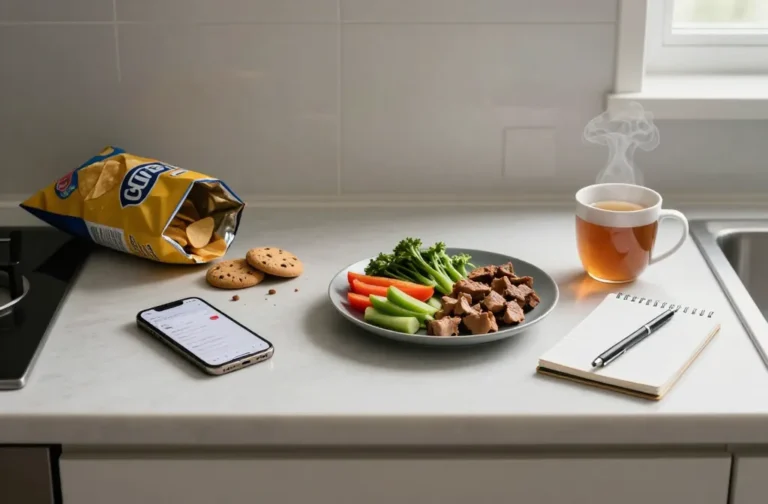
- Drink a tall glass of water or hot tea.
- Take a brisk 5-minute walk or do 20 squats.
- Text a friend: “Having a stress-snack moment. Distract me?”
- Do 4-7-8 breathing: inhale 4, hold 7, exhale 8 (x4 rounds).
If the urge fades, great. If it doesn’t, you’ll still make a calmer choice.
Eat earlier, not less
Overeating after a “bad” day often starts with under-eating during a normal day. You “save” calories, then arrive home hangry and stressed. That combo steamrolls willpower.
Anchor your day with:
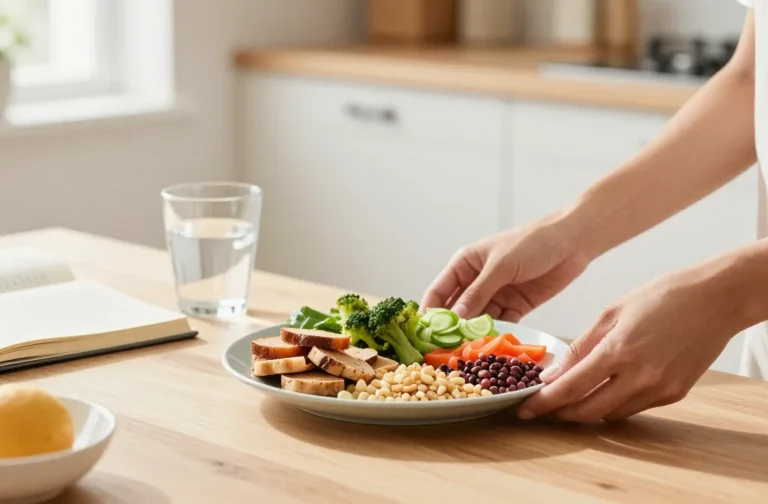
- Protein at every meal (20–40 g). Helps mood and satiety.
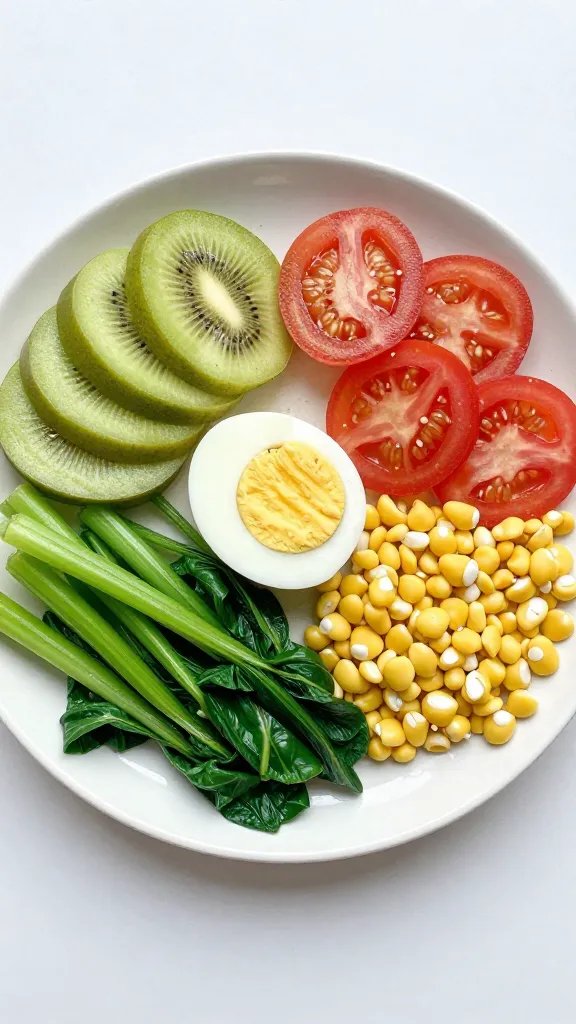
- Fiber + volume: veggies, fruit, whole grains. Fills you up.
- Some fat: nuts, avocado, olive oil. Keeps cravings quiet.
IMO, chasing “perfect clean eating” often backfires. Eat enough, and you’ll want less later.
Simple “I’m-tired-but-need-dinner” formula
Pick one from each:
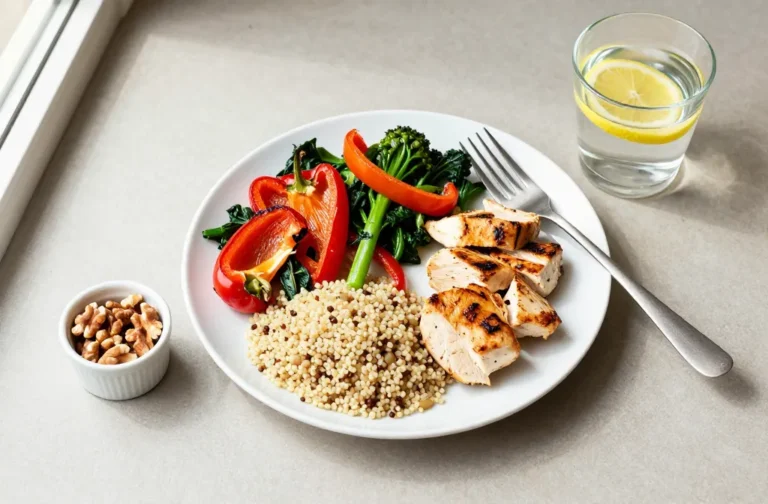
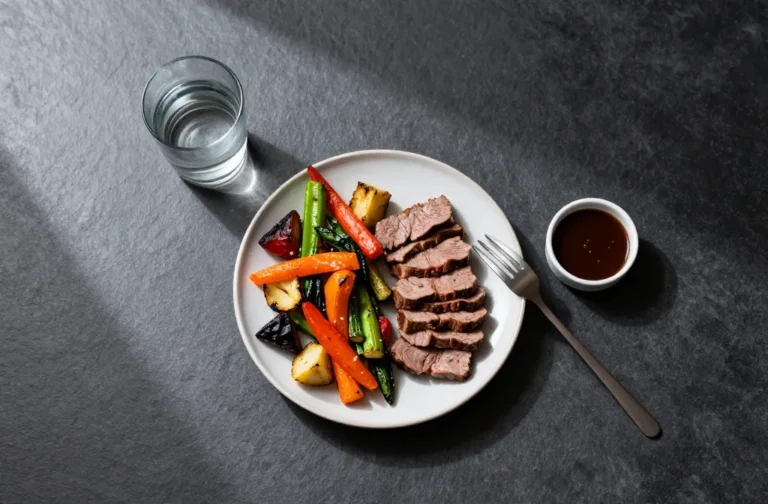
- Protein: rotisserie chicken, canned tuna, eggs, tofu
- Carb: microwaved rice, whole-grain wrap, potatoes
- Veg: bagged salad, frozen broccoli, baby carrots
- Flavor: hummus, salsa, olive oil + lemon
Ten minutes, done, no chaos.
Make comfort plans that don’t require food

You can’t white-knuckle every tough night. Create a tiny menu of non-food comforts so you don’t have to think when you’re fried.
Build a “bad day” kit:
- Cozy blanket, favorite candle, playlist you love
- Shower or bath stuff (Epsom salts if you’re fancy)
- Journal + pen with 3 prompts: “What happened? What do I need? What’s one easy win?”
- Fidget toy, coloring book, or a mindless puzzle
FYI, five minutes of genuine comfort often quiets the food noise better than five cookies.
Allow planned treats (no guilt attached)
Banning “fun” foods makes them louder. Instead, include them with intention.
Options that work:
- Built-in dessert: a square of dark chocolate after lunch, every day.
- Portioned joy: buy single-serve ice creams or snack packs.
- Plate it: sit, use a plate, taste it. No eating over the sink like a raccoon.
When treats live inside your plan, they don’t trigger rebellion. And you get to enjoy them—what a concept.
Interrupt the shame loop fast
Slip-ups happen. Don’t turn them into a week-long saga.
Three-sentence reset:
- “I ate more than I wanted. That’s data.”
- “I still care about myself.”
- “Next helpful step: glass of water and a 10-minute walk.”
Shame says “start over Monday.” You can start over in 10 minutes.
Quick strategies when the urge hits hard
If you truly feel hungry
Eat a balanced snack:
- Greek yogurt + berries
- Apple + peanut butter
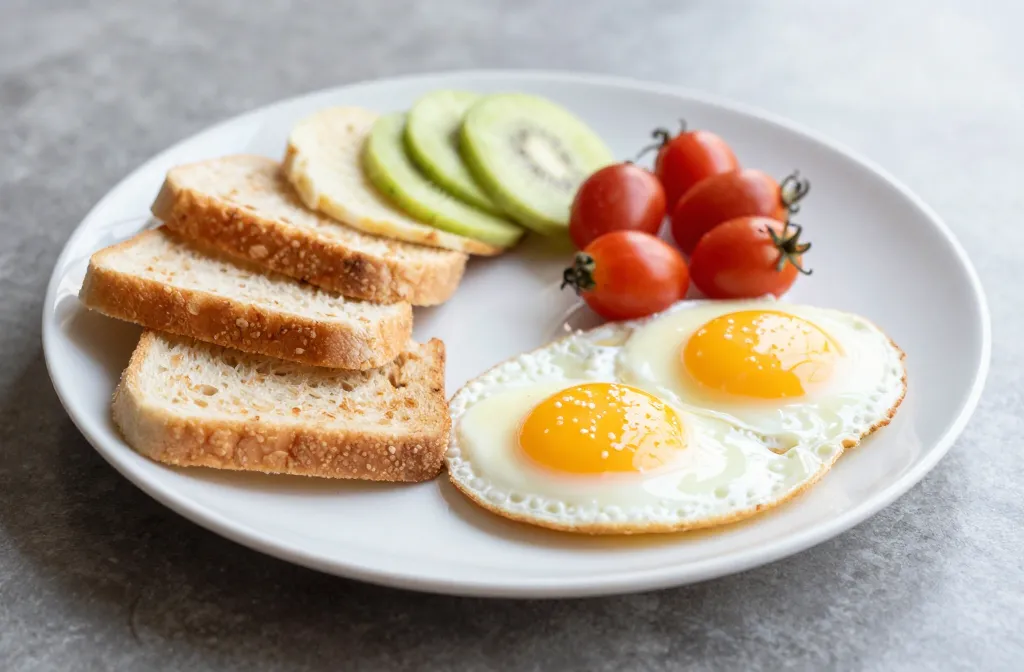
- Whole-grain toast + egg
Protein + fiber = fewer autopilot bites later.
If you want to chew on feelings, not food
Try:
- Timer + vent: set 5 minutes and rage-journal.
- Change rooms and posture. Stand up, stretch, get light on your face.
- Cold water on wrists or a quick face splash—resets your nervous system.
FAQs
Should I keep “trigger foods” out of the house?
Short-term, that can help. Long-term, total avoidance can make those foods feel more powerful. Try a middle ground: buy small portions, store them out of sight, and pair them with a plan (like eat at the table, plate it, savor it). Over time, the drama dies down.
What if I overeat anyway—how do I “undo” it?
Never Wonder What's For Dinner Again
Get 7 healthy, family-friendly dinners complete with recipes, grocery lists, and simple meal plans delivered straight to your inbox.
You don’t need to undo it. You need to normalize the next meal. Drink water, go for a light walk, and eat your usual balanced breakfast. Compensation (skipping meals, punishing workouts) keeps you stuck in the overeat–restrict cycle.
Is late-night eating always bad?
Nope. If you trained late, ate dinner early, or feel genuinely hungry, a planned snack can help sleep. Keep it light and balanced—protein + carb—and you’ll avoid the sugar roller coaster.
How do I tell stress hunger from real hunger?
Real hunger builds gradually and any food sounds good. Stress hunger hits fast, feels urgent, and fixates on specific foods. Try the 10-minute buffer. If grilled chicken sounds fine after 10 minutes, you’re likely hungry. If only brownies will do, you’re probably soothing.
Can I fix this with willpower?
Not reliably. Systems beat willpower. Eat enough during the day, stock easy balanced foods, plan treats, and keep a “bad day” kit. When your environment supports you, willpower becomes the cherry on top, not the whole sundae.
Fast, comforting recipes that won’t wreck your night
Serving size note: Each recipe makes 1 serving unless noted. Nutrition values are estimates based on standard USDA data.
1) 5-Minute Greek Yogurt Bowl
Ingredients:
- 3/4 cup (170 g) nonfat Greek yogurt
- 1/2 cup blueberries (75 g)
- 1 tbsp honey (21 g)
- 2 tbsp chopped walnuts (14 g)
Estimated nutrition per serving (1 bowl):
- Calories: 300
- Total Fat: 9 g
- Total Carbohydrates: 39 g
- Dietary Fiber: 3 g
- Net Carbs: 36 g
- Protein: 22 g
2) Apple + Peanut Butter “Nachos”
Ingredients:
- 1 medium apple (182 g), sliced
- 1 tbsp natural peanut butter (16 g)
- 1 tsp mini dark chocolate chips (4 g) – optional but fun
Estimated nutrition per serving (1 plate):
- Calories: 235
- Total Fat: 9 g
- Total Carbohydrates: 37 g
- Dietary Fiber: 6 g
- Net Carbs: 31 g
- Protein: 4 g
3) Egg-on-Toast Power Snack
Ingredients:
- 1 slice whole-grain bread (40 g)
- 1 large egg
- 1 tsp olive oil (for cooking)
- Pinch of salt and pepper
Estimated nutrition per serving (1 toast):
- Calories: 230
- Total Fat: 11 g
- Total Carbohydrates: 20 g
- Dietary Fiber: 3 g
- Net Carbs: 17 g
- Protein: 11 g
4) 10-Minute Tuna-Rice Bowl
Ingredients:
- 1 pouch (2.6 oz / 74 g) tuna, drained
- 1 cup cooked microwave rice (158 g)
- 1/2 cup edamame, shelled (75 g), thawed
- 1 tsp soy sauce + 1 tsp sesame oil
- Green onion, chili flakes (optional)
Estimated nutrition per serving (1 bowl):
- Calories: 520
- Total Fat: 14 g
- Total Carbohydrates: 69 g
- Dietary Fiber: 4 g
- Net Carbs: 65 g
- Protein: 32 g
5) Microwave Mug Omelet
Ingredients:
- 2 large eggs
- 1/4 cup shredded cheddar (28 g)
- 1/2 cup baby spinach, chopped
- 2 tbsp milk
- Salt, pepper, hot sauce
Estimated nutrition per serving (1 mug):
- Calories: 315
- Total Fat: 24 g
- Total Carbohydrates: 3 g
- Dietary Fiber: 0 g
- Net Carbs: 3 g
- Protein: 22 g
6) Cottage Cheese Berry Crunch
Ingredients:
- 3/4 cup (170 g) low-fat cottage cheese
- 1/2 cup strawberries, sliced (83 g)
- 1 tbsp slivered almonds (8 g)
- 1 tsp maple syrup (7 g)
Estimated nutrition per serving (1 bowl):
- Calories: 210
- Total Fat: 7 g
- Total Carbohydrates: 18 g
- Dietary Fiber: 3 g
- Net Carbs: 15 g
- Protein: 20 g
Final thoughts
You don’t need a perfect day to eat in a way you feel proud of. You just need two or three tiny moves that nudge you out of autopilot. Plan enough food, keep a “bad day” kit, build a 10-minute buffer, and include treats on purpose. Small wins today beat monster willpower tomorrow—FYI, that’s how momentum starts.
Disclaimer: Nutrition values are estimates based on standard USDA data and typical brands. Actual values vary by product, preparation, and portion size.
Loved This Recipe?
If you're looking for more simple, healthy dinners your family will actually eat, grab my FREE 7-Day Easy Dinner Reset. You'll get 7 easy dinner recipes, simple grocery lists, and a done-for-you plan that takes the stress out of mealtime.