The Secret to How to Feel in Control Around Food Again
You want to feel in control around food again, not like a raccoon in a dumpster at 11 p.m. I get it. Food can feel loud, sneaky, and way too persuasive when you’re stressed or tired. The good news? You can rebuild trust with yourself and your plate—without turning mealtime into a math class or a morality test. Let’s get you back in the driver’s seat.
FREE 7-Day Easy Dinner Reset
Get 7 healthy, family-friendly dinners complete with recipes and simple meal plans delivered straight to your inbox.
Step One: Ditch the “Good vs. Bad” Food Drama
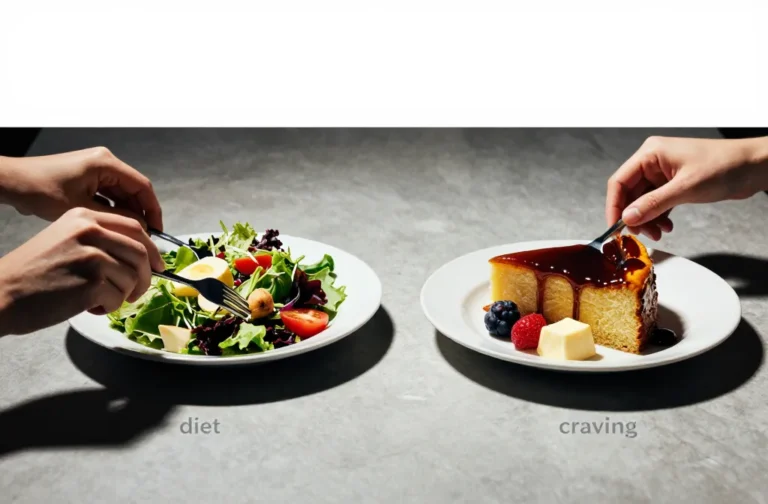
Food isn’t a courtroom. You don’t need a verdict every time you eat a cookie. The “good food/bad food” mindset backfires because it creates scarcity and guilt. Scarcity leads to overeating. Guilt keeps the cycle going.
Try this:
- Neutralize your food language: say “more often” and “less often” instead of “good” and “bad.”
- Notice how different foods make you feel 30-60 minutes after eating. That’s data, not judgment.
- Give yourself unconditional permission to eat—then pair it with curiosity, not chaos.
Why this actually works
When you allow all foods, your brain stops panicking. You make calmer choices because you trust that another meal—and another cookie—will come when you want it. IMO, peace beats punishment every time.
Rebuild Hunger and Fullness Cues (Yes, They Still Exist)

If your hunger cues feel MIA, you probably ignored them for a while (no shade—we all do). You can tune back in with a few small habits.
Use the Hunger Scale (0–10):
- 0 = ravenous, 10 = painfully stuffed
- Start eating around a 3–4; stop around a 6–7
Check in three times:
- Before you eat: what number am I?
- Halfway through: still hungry? Pause for 20 seconds.
- After: how do I feel physically and mentally?
What if I never feel hungry?
FYI, stress, caffeine, and irregular eating can mute hunger. Eat at consistent times for a week (every 3–4 hours). Your body will get the memo.
Build “Anchor Meals” So You’re Not Riding the Snack Rollercoaster
You need structure without rigidity. Anchor meals = reliable meals that keep you satisfied so you don’t graze endlessly or hit the 9 p.m. pantry parade.
Use the 3–2–1 Formula:
- 3 meals per day (add 1–2 snacks if needed)
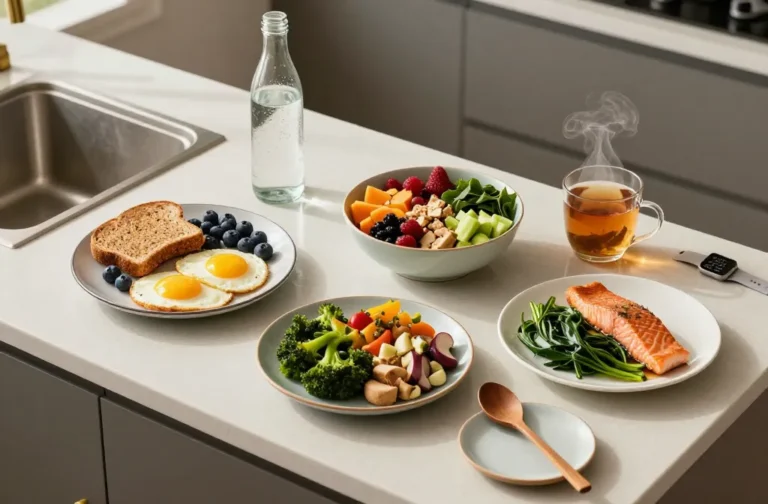
- Each meal: 2 palms protein + 1–2 cupped hands carbs + 1–2 thumbs fats + fiber/veg
- Each snack: pick 2—protein, fat, or fiber-rich carb
Sample anchor meals
- Breakfast: Greek yogurt, berries, granola, almond butter
- Lunch: Turkey avocado wrap, side carrots + hummus
- Dinner: Salmon, roasted potatoes, broccoli, olive oil
- Snack: Apple + cheese or edamame + sea salt
Plan for Cravings Without Letting Them Drive

Cravings aren’t enemies. They’re messages. Sometimes you want chocolate because… you want chocolate. Other times you want chocolate because you’re bored, sad, or dehydrated.
Use the 4D Method:
- Delay: wait 10 minutes
- Drink: water or tea
- Do: a 2-minute task (text a friend, step outside)
- Decide: eat it with full permission, or choose something else
If you eat it, enjoy it—slowly, at a table, not hunched over the sink like a troll.
Craving SOS
- Salty: you might need electrolytes or protein
- Sweet: add carbs to your meals earlier (fruit, oats, rice)
- Crunchy: stress relief—try a walk, stretch, or a handful of nuts with your chips
Create Environments That Nudge You Forward
Willpower is cute, but environment wins. Make “better” the easy choice.
Pantry upgrades:
- Front-load protein-forward snacks: jerky, yogurt cups, cottage cheese, roasted chickpeas
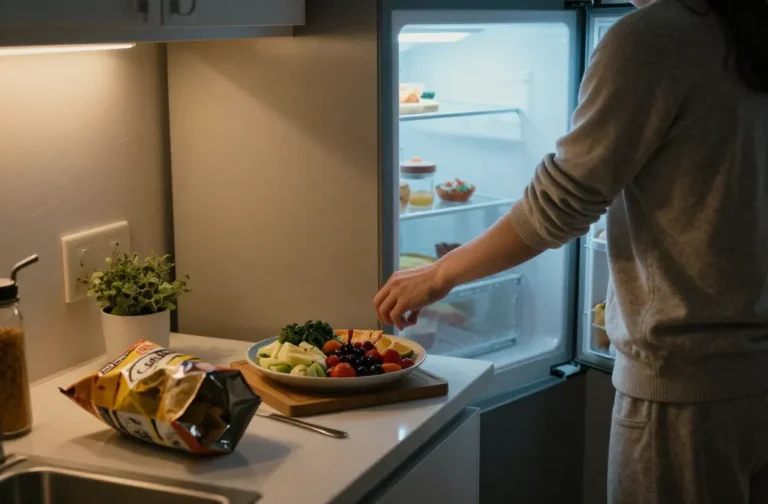
- Pre-portion snacks you overdo (chips, candy) into small bags
- Keep fruit washed and visible; tuck treats away but not “banned”
Out-of-home tricks:
- Carry a snack so you don’t hit the drive-thru in desperation
- Scan menus before you’re starving
- Order what you want, add a side veg or protein for staying power
Handle Emotional Eating Without the Shame Spiral

Food soothes. That’s not failure—it’s human. But if it’s your only tool, it becomes a problem.
Build a non-food toolkit:
- 5-minute walk or stretch
- Call or voice note a friend
- Journal one page: “What do I feel? What do I need?”
- Comfort alternatives: tea, heated blanket, bath, music
If you still want the snack after, go for it—without trash-talking yourself.
Track What Matters (And Skip the Noise)
Never Wonder What's For Dinner Again
Get 7 healthy, family-friendly dinners complete with recipes, grocery lists, and simple meal plans delivered straight to your inbox.
You don’t need to log every crumb. Track outcomes that build confidence.
Try a 2-week mini log:
- Meals + hunger numbers
- Mood and energy afterward
- Wins: moments you paused, chose a balanced plate, or stopped at “satisfied”
IMO, progress looks like fewer chaotic meals, steadier energy, and less mental chatter about food.
FAQ
Should I cut out sugar to feel in control?
You can, but strict rules often backfire. Try adding enough protein, fiber, and fat to meals so cravings chill out first. Then enjoy sweets intentionally—at a table, on a plate, without multitasking. You’ll notice you need less to feel satisfied.
What if I binge at night?
Night binges often start with under-eating earlier. Front-load your day: solid breakfast and lunch with protein and carbs. Create a satisfying evening ritual (tea, TV, a real dessert portion). If you still binge frequently, consider professional support.
How do I handle social events?
Eat a normal meal beforehand—don’t “save up.” Scan the spread, build a plate you’ll enjoy, and go back if you want more. Pick your favorites and skip the meh stuff. Also, hydrate. Party snacks are salty little sirens.
Is calorie counting necessary?
Not necessary. It can help for short learning phases, but it can also fuel obsession. Prioritize patterns: regular meals, protein at each, fiber, and enough carbs to feel human. If math stresses you out, skip it.
How long does it take to feel in control?
Most people feel calmer within 2–4 weeks of consistent meals and cue-checking. Full trust can take longer, especially if you’ve cycled through diets for years. Consistency beats intensity—always.
Quick Recipes + Estimated Nutrition
Serving sizes noted per recipe. Nutrition values are estimates based on standard USDA data and typical brands.
1) Greek Yogurt Bowl with Berries, Granola, and Almond Butter
Serving size: 1 bowl (3/4 cup plain 2% Greek yogurt, 1/2 cup mixed berries, 1/4 cup granola, 1 tbsp almond butter, 1 tsp honey)
Estimated per serving:
- Calories: 420
- Total Fat: 18 g
- Total Carbohydrates: 48 g
- Dietary Fiber: 6 g
- Net Carbs: 42 g
- Protein: 22 g
2) Turkey Avocado Wrap
Serving size: 1 wrap (1 large whole-wheat tortilla ~60 g, 3 oz sliced turkey breast, 1/4 avocado, 1 slice provolone, lettuce/tomato, 1 tbsp hummus)
Estimated per serving:
- Calories: 470
- Total Fat: 20 g
- Total Carbohydrates: 44 g
- Dietary Fiber: 8 g
- Net Carbs: 36 g
- Protein: 32 g
3) Baked Salmon with Roasted Potatoes and Broccoli
Serving size: 1 plate (5 oz cooked salmon, 1 cup roasted potatoes ~150 g, 1 cup roasted broccoli, 1 tbsp olive oil used across veg/potatoes)
Estimated per serving:
- Calories: 610
- Total Fat: 29 g
- Total Carbohydrates: 44 g
- Dietary Fiber: 8 g
- Net Carbs: 36 g
- Protein: 44 g
4) Apple and Cheese Snack
Serving size: 1 snack (1 medium apple, 1 oz cheddar)
Estimated per serving:
- Calories: 230
- Total Fat: 9 g
- Total Carbohydrates: 25 g
- Dietary Fiber: 4 g
- Net Carbs: 21 g
- Protein: 9 g
5) Edamame with Sea Salt
Serving size: 1 cup shelled edamame (~155 g cooked)
Estimated per serving:
- Calories: 190
- Total Fat: 8 g
- Total Carbohydrates: 15 g
- Dietary Fiber: 8 g
- Net Carbs: 7 g
- Protein: 18 g
Disclaimer: Nutrition values are estimates based on typical ingredients and USDA data; brands and portions vary. Adjust for your specific products and preferences.
Bottom Line
You don’t need a stricter plan—you need a kinder one. Loosen the rules, listen to your body, and build easy structures that keep you steady. Control comes from trust and practice, not perfection. Start with your next meal. Then repeat. You’ve got this.
Loved This Recipe?
If you're looking for more simple, healthy dinners your family will actually eat, grab my FREE 7-Day Easy Dinner Reset. You'll get 7 easy dinner recipes, simple grocery lists, and a done-for-you plan that takes the stress out of mealtime.