Stop the Snack Spiral: Why You’Re Not Actually Hungry — You’Re Triggered
You swear you’re starving, but then you open the fridge and nothing looks good—except maybe the leftover cake whispering sweet nothings. Classic. Nine times out of ten, that gnawing “hunger” isn’t about food. It’s about stress, boredom, or an old habit firing off like a glitchy notification. Your stomach isn’t calling. Your triggers are.
Let’s call it out: you don’t need more willpower—you need better signals. And once you spot them, you’ll stop overeating and start feeling a lot more in control. Ready to snoop on your hunger imposters?
FREE 7-Day Easy Dinner Reset
Get 7 healthy, family-friendly dinners complete with recipes and simple meal plans delivered straight to your inbox.
Real Hunger vs. Triggered Hunger
Real hunger is boring. It creeps in gradually, anything sounds good, and you can stop when you’re satisfied. Triggered hunger? Loud. Urgent. Annoyingly specific. You don’t want “food”—you want chips, a donut, something crunchy-salty-sweet that flips your brain’s reward switch.
Quick tell: If you’d happily eat a simple meal (eggs, rice, chicken, an apple), that’s real hunger. If only “something perfect” will do, you’re triggered. FYI, your brain can totally fake an emergency.
Body Cues You Can Trust
– Real hunger shows up as a gentle stomach emptiness or light growling.
– Triggered hunger shows up as mouth cravings, anxious energy, or “I need a treat now.”
– Real hunger keeps you relaxed. Triggered hunger feels panicky or emotional.
Why Your Brain Confuses Cravings with Hunger

Your brain loves dopamine. Certain foods—especially ultra-processed ones—deliver it fast. Pair that with stress, habit, and environment cues, and boom: your brain pushes “eat” even when your body doesn’t need fuel.
Main culprits:
– Stress: Cortisol ramps up cravings for quick energy.
– Fatigue: Sleep debt wrecks hunger hormones (ghrelin up, leptin down).
– Routine: 3 p.m.? Snack o’clock—even if you just had lunch.
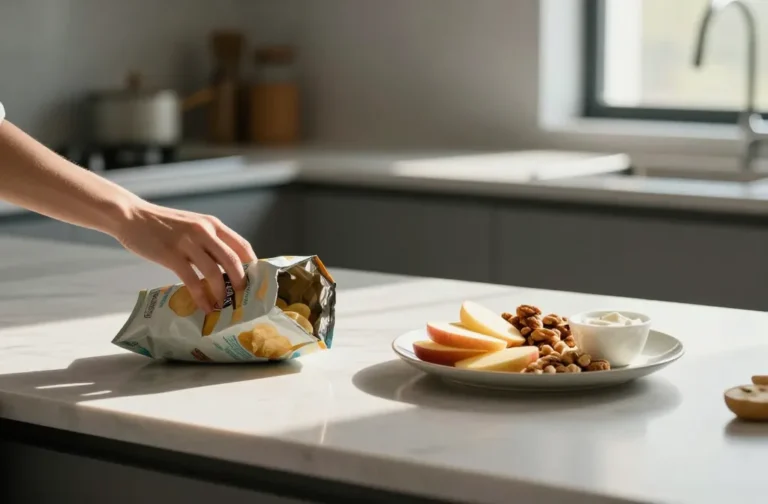
– Environment: See it, smell it, hear the chip bag—suddenly you “need” it.
– Emotion: Lonely, angry, anxious? Food numbs fast, until it doesn’t.
IMO, the Sneakiest Trigger
Celebration. We reward wins with food. Over time, your brain links “good day” with “dessert now.” It’s adorable—and unhelpful.
The 90-Second Pause That Breaks the Spell
Triggered urges peak fast and fade almost as fast. Ride the wave instead of diving face-first into the cookie jar.
Try this:
1. Pause 90 seconds. Breathe slowly. Ask, what am I feeling?
2. Label it: stressed, bored, avoiding email, annoyed, tired.
3. Offer options: walk, water, tea, call a friend, two minutes of stretching.
4. Recheck: still hungry? Cool—eat a real meal or snack.
You’re training your brain you’re in charge. Not the vending machine.
Build a “Real Hunger” Checklist

Make your own yes/no filter. It turns chaos into clarity.
- When did I last eat? If under 2–3 hours, it’s probably a craving.
- Would I eat something simple? Eggs, yogurt, apple + peanut butter. If no, it’s a craving.
- What emotion is here? Name it to tame it.
- Did I sleep 7+ hours? Sleep debt fuels fake hunger.
- Have I had water today? Thirst cosplays as hunger.
Green-Light Snacks When You’re Actually Hungry
– Greek yogurt + berries
– Apple + peanut butter
– Hard-boiled eggs + carrots
– Cottage cheese + pineapple
– Hummus + cucumbers
These hit protein and fiber—aka the “stay satisfied” combo.
Rewire Your Environment (So You Stop Relying on Willpower)
Willpower is cute until 4 p.m. You need systems.
Do this:
– Keep trigger foods out of sight or out of the house. Future-you will thank you.
– Pre-prep real-food snacks and put them at eye level.
– Use smaller plates and bowls. Your brain notices volume more than logic.
– Put a sticky note on the pantry: “Hungry or triggered?” (Cheesy, effective.)
Social and Work Traps
– Office treats: Bring your own snack. Decide ahead if you’ll have one treat day.
– Nighttime TV munching: Pair the show with tea, not chips. Or knit. Yes, really—busy hands help.
– Eating out: Order protein + veg first. If you still want fries, share them.
Emotional Eating Isn’t a Moral Failing

Food gives comfort. That’s human. You just don’t want food to be your only coping tool.
Starter kit for feelings:
– Walk-and-vent voice notes
– Two-minute journaling blitz: “I feel X because Y; I need Z.”
– Breathwork: 4 seconds in, 6 seconds out, repeat 6–10 times
– Text a friend “I’m snacky but not hungry; distract me?”
If food still feels like the only relief, consider a therapist or coach. That’s strength, not weakness.
Make Meals That Actually Satisfy You
Starvation diets breed binges. Build meals that keep you full and calm.
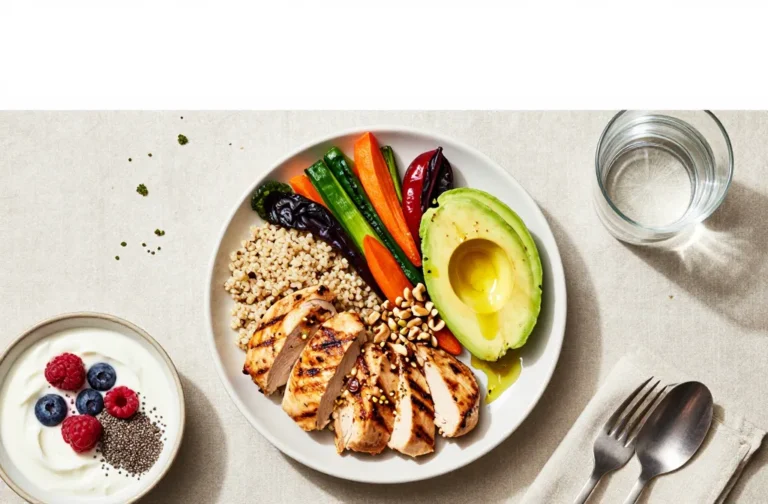
Easy formula: Protein + Fiber + Fat + Fun Carb
– Protein: chicken, tofu, eggs, Greek yogurt, fish
– Fiber: veggies, beans, berries, whole grains
– Fat: olive oil, avocado, nuts, seeds
– Fun Carb: rice, potatoes, bread, fruit
You’ll eat less reactively because your body feels safe.
FAQ
How do I tell if it’s real hunger or just a craving?
Wait 10 minutes and offer yourself a simple option—like yogurt or an apple with peanut butter. If that sounds fine, it’s hunger. If you only want cookies, it’s a craving. Also check the clock—if you ate an hour ago, cravings likely win.
Never Wonder What's For Dinner Again
Get 7 healthy, family-friendly dinners complete with recipes, grocery lists, and simple meal plans delivered straight to your inbox.
What should I do if I keep overeating at night?
Eat more earlier. Front-load protein and fiber at breakfast and lunch. Set a “kitchen closed” time and plan a satisfying evening snack on purpose, like Greek yogurt with berries or popcorn with nuts. Nighttime binges usually start with daytime undereating.
Can I keep trigger foods at home?
Maybe. If you can portion them and move on, go for it. If they “call your name,” buy single-serve or keep them out of sight. No trophy for suffering through constant temptation.
What if stress makes me hungry all day?
Start with sleep, hydration, and protein. Then add micro-breaks: 60–120 seconds every hour to breathe or stretch. Stress won’t vanish, but your body will stop screaming for sugar every five minutes.
Is chewing gum or drinking water a hack?
They help—gum for oral fixation, water for thirst masquerading as hunger. But they’re band-aids. Pair them with real meals and trigger management for actual change, IMO.
Conclusion
You’re not broken—you’re just getting pinged by triggers that learned to yell louder than your stomach. Slow the moment down, check your signals, and feed yourself like someone you care about. You’ll trust your body more, and food will finally chill out. FYI, that’s the real win.
Estimated Nutrition for Suggested Snacks
Serving sizes are estimates based on typical portions. Values use standard USDA data and may vary by brand and preparation.
Greek Yogurt + Berries
Serving size: 1 cup (170 g) plain nonfat Greek yogurt + 1/2 cup (75 g) mixed berries
– Calories: ~150
– Total Fat: 0 g
– Total Carbohydrates: 17 g
– Dietary Fiber: 3 g
– Net Carbs: 14 g
– Protein: 20 g
Apple + Peanut Butter
Serving size: 1 medium apple (182 g) + 1 tbsp (16 g) peanut butter
– Calories: ~215
– Total Fat: 8 g
– Total Carbohydrates: 32 g
– Dietary Fiber: 5 g
– Net Carbs: 27 g
– Protein: 5 g
Hard-Boiled Eggs + Carrots
Serving size: 2 large eggs + 1 cup (120 g) baby carrots
– Calories: ~200
– Total Fat: 11 g
– Total Carbohydrates: 12 g
– Dietary Fiber: 4 g
– Net Carbs: 8 g
– Protein: 13 g
Cottage Cheese + Pineapple
Serving size: 1 cup (210 g) 2% cottage cheese + 1/2 cup (82 g) pineapple chunks
– Calories: ~230
– Total Fat: 5 g
– Total Carbohydrates: 20 g
– Dietary Fiber: 1 g
– Net Carbs: 19 g
– Protein: 28 g
Hummus + Cucumbers
Serving size: 1/4 cup (60 g) hummus + 1 cup (100 g) cucumber slices
– Calories: ~150
– Total Fat: 9 g
– Total Carbohydrates: 13 g
– Dietary Fiber: 4 g
– Net Carbs: 9 g
– Protein: 5 g
Popcorn with Nuts
Serving size: 3 cups air-popped popcorn + 1/8 cup (15 g) mixed nuts
– Calories: ~190
– Total Fat: 10 g
– Total Carbohydrates: 18 g
– Dietary Fiber: 4 g
– Net Carbs: 14 g
– Protein: 5 g
Greek Yogurt Parfait (Yogurt + Berries + Granola)
Serving size: 3/4 cup (128 g) plain nonfat Greek yogurt + 1/3 cup (50 g) berries + 1/4 cup (30 g) granola
– Calories: ~240
– Total Fat: 4 g
– Total Carbohydrates: 35 g
– Dietary Fiber: 4 g
– Net Carbs: 31 g
– Protein: 16 g
Disclaimer: Nutrition values are estimates based on standard USDA data and common brand averages. Actual values vary with product brands, exact portions, and preparation.
Loved This Recipe?
If you're looking for more simple, healthy dinners your family will actually eat, grab my FREE 7-Day Easy Dinner Reset. You'll get 7 easy dinner recipes, simple grocery lists, and a done-for-you plan that takes the stress out of mealtime.