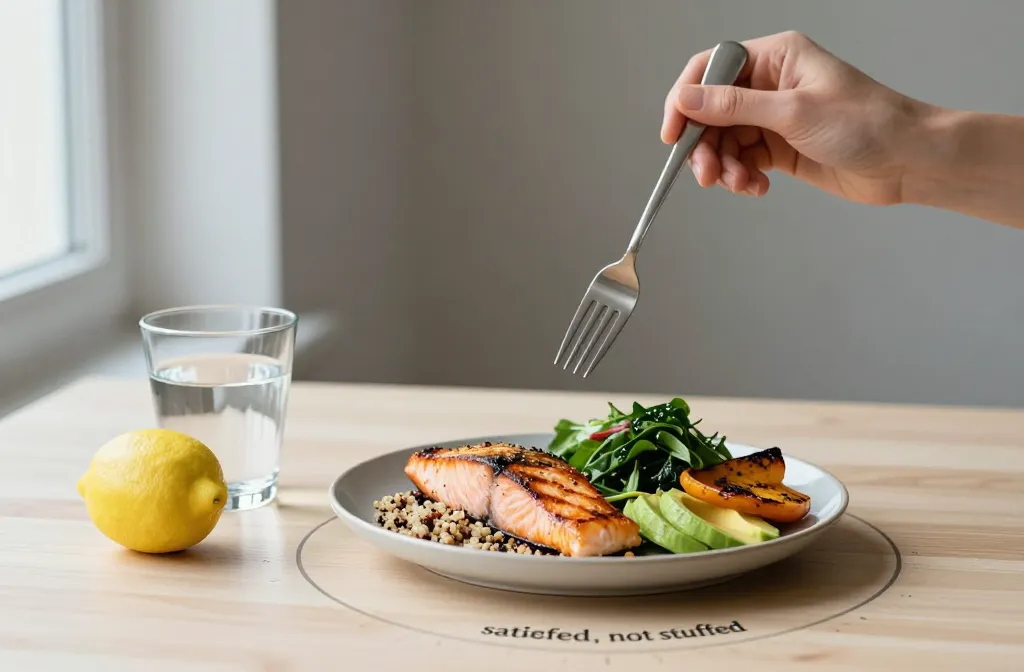
Master the Art: How to Eat Until Satisfied — Not Stuffed
You know that blissful moment when your belly says “Yep, we’re good,” but your fork keeps hovering anyway? That’s the edge we’re talking about—where satisfied lives and stuffed begins. You don’t need a food scale, a rulebook, or monk-level discipline. You just need a few smart habits, a little curiosity, and a willingness to stop before “I need sweatpants” mode. Let’s make feeling great after meals your new default.
FREE 7-Day Easy Dinner Reset
Get 7 healthy, family-friendly dinners complete with recipes and simple meal plans delivered straight to your inbox.
Know Your Hunger Scale (And Actually Use It)
You don’t need a fancy app—just a simple 1–10 scale in your head. Think 1 as “faint with hunger” and 10 as “regret everything.” Your happy zone to stop? About 6–7: you feel satisfied, energized, and could comfortably go on a walk.
Quick check-in cues
- 1–2: Stomach growls, low energy, food-focused brain
- 3–4: Pleasantly ready to eat, not ravenous
- 5–6: Comfortable, hunger gone
- 7: Satisfied, not stuffed—stop here
- 8–10: Full to painfully full—nap required
Pro tip: Pause halfway through your meal. Ask, “If the food disappeared right now, would I be okay?” If yes, you’re likely at 6–7.
Build Satisfying Plates (So You Don’t Chase Fullness)

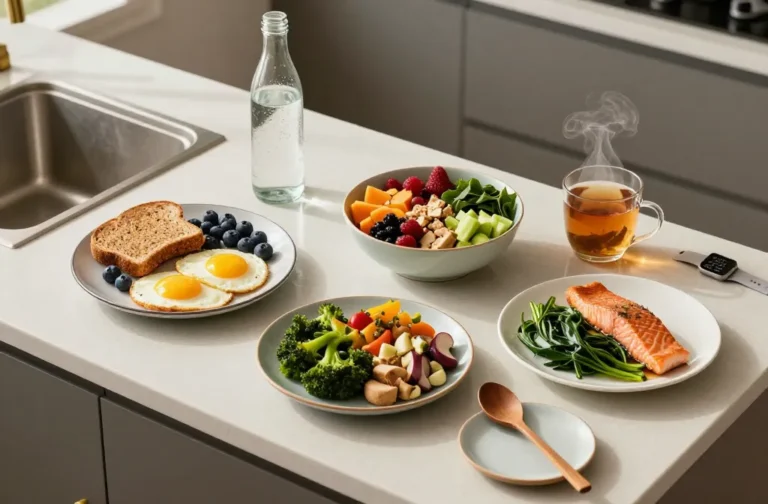
Stuffed comes from chasing “more” because the meal didn’t hit the right levers. Hit the levers. You want protein + fiber + water + fat. This combo keeps you fuller longer with fewer “oops, I inhaled it” moments.
The 4-part plate
- Protein (palm-sized): Eggs, Greek yogurt, tofu, chicken, beans
- Fiber (half the plate): Veggies, fruit, whole grains, legumes
- Fat (thumb-sized): Olive oil, nuts, avocado, tahini
- Carbs (cupped hand): Rice, tortillas, pasta, potatoes, fruit
IMO, carbs aren’t the villain. They just need bodyguards (protein and fiber) to keep you satisfied—not snoozy.
Slow Down Without Getting Bored
You’ve heard “eat slowly” a million times. Cool. But how? Make it slightly annoying to wolf food down.
Speed bumps that actually work
- Utensil down between bites: Literally put it down. Hands off.
- Start with sips: A glass of water or tea first. Hydration helps your stomach report back
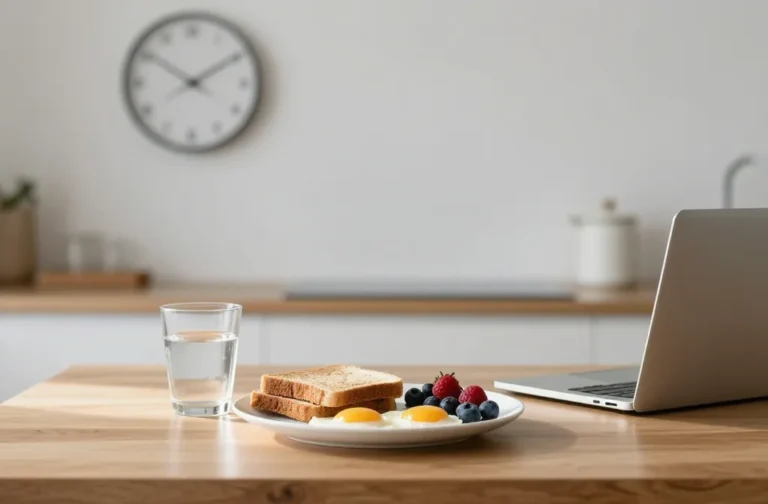
- 15-minute minimum: Stretch meals so your fullness hormones can clock in
- Flavor breaks: Add herbs, acid (lemon, vinegar), and texture so you don’t zone out and inhale
FYI, your brain needs ~15–20 minutes to register fullness. If you beat the buzzer, you’ll overshoot.
Respect the First Bite Rule

The first few bites taste the best. By the tenth, magic fades. Use that intel. Focus hard on the first 3–5 bites—chew, taste, sigh. Then ask: “Do I still want this or am I just finishing it because it’s here?” You can stop at satisfied and still be a person who enjoys food. Wild, I know.
Make “leftovers” your superpower
- Pack up what’s left before you sit down, or after your check-in pause
- Promise yourself future-you gets the rest (tomorrow-you loves you for it)
- Order smaller sizes, or split with a friend—no heroics required
Pre-Game Your Meals (So You Don’t Arrive Starving)
Showing up ravenous guarantees you’ll overshoot. You don’t make wise choices when your stomach screams.
- Eat regularly: Aim for meals every 3–5 hours
- Pre-meal snack: If dinner runs late, grab a yogurt, an apple with peanut butter, or a cheese stick and fruit
- Hydrate first: Thirst pretends to be hunger; water ruins the disguise
Design Your Environment to Nudge “Satisfied”

We eat what we see and what’s easy. So stack the deck.
- Smaller plates and bowls: You’ll serve less without feeling cheated
- Serve from the counter, not the table: Fewer mindless refills
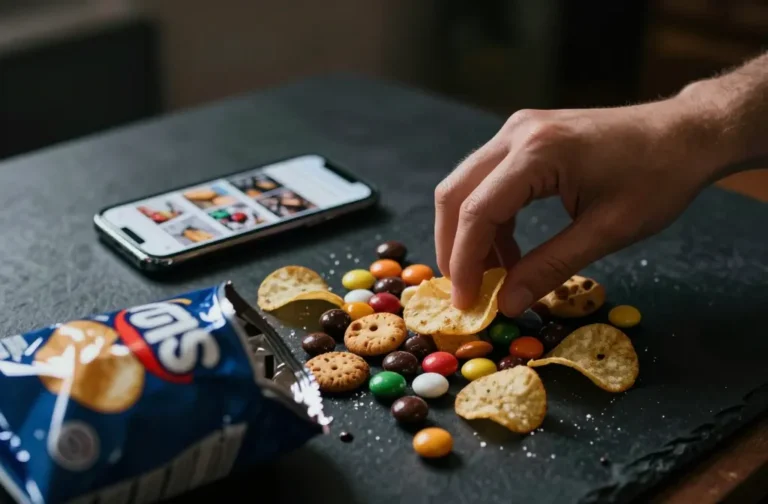
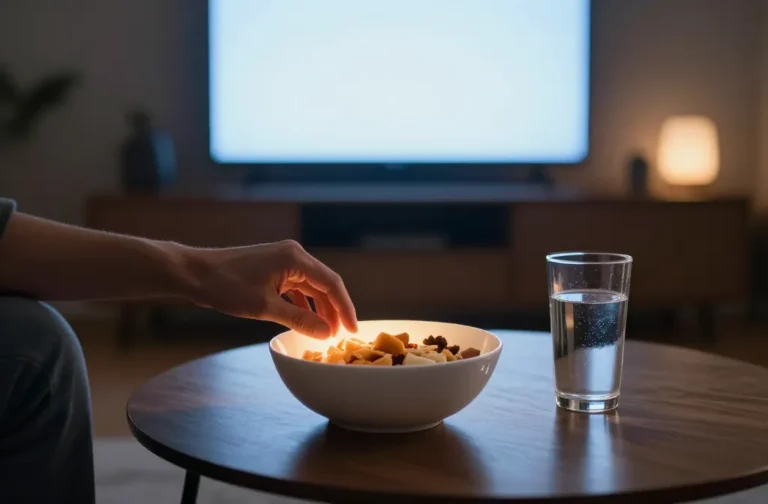
- Pre-portion snacks: Bowl it up; don’t eat from the bag
- Front-load veggies: Start your meal with a salad or broth-based soup
Real-Life Moves for Restaurants, Parties, and Holidays
You don’t need to be “that person” who brings Tupperware to a birthday. Just have a loose plan.
- Scan first: Decide what looks genuinely worth it
- Pick your star: Choose one indulgence and keep the rest balanced
- Split or take half home: Future-you, again, will cheer
- Pause after half: Check the hunger scale, then decide
Simple Recipes That Hit Satisfied, Not Stuffed
Below are three easy, balanced meals. I estimated nutrition per serving using standard USDA data. Portions are reasonable for most adults; adjust as you like.
Never Wonder What's For Dinner Again
Get 7 healthy, family-friendly dinners complete with recipes, grocery lists, and simple meal plans delivered straight to your inbox.
1) Greek Yogurt Berry Bowl with Crunch
Serves: 1 bowl (approx. 380 g total)
Ingredients:
- 3/4 cup (170 g) plain nonfat Greek yogurt
- 1/2 cup (75 g) mixed berries (strawberries/blueberries)
- 1 tbsp (21 g) honey
- 2 tbsp (20 g) chopped almonds
- 1 tbsp (10 g) chia seeds
Why it satisfies: Protein + fiber + healthy fats. Sweet, crunchy, creamy—checks all the boxes.
Estimated nutrition per serving (1 bowl):
- Calories: 365
- Total Fat: 14 g
- Total Carbohydrates: 44 g
- Dietary Fiber: 10 g
- Net Carbs: 34 g
- Protein: 23 g
2) Quick Chickpea Veggie Bowl
Serves: 1 bowl (approx. 525 g total)
Ingredients:
- 1 cup (165 g) canned chickpeas, drained and rinsed
- 1 cup (85 g) chopped cucumber
- 1/2 cup (75 g) cherry tomatoes, halved
- 1/2 cup (85 g) cooked quinoa
- 1 tbsp (14 g) olive oil
- 1 tbsp (15 ml) lemon juice
- Salt, pepper, herbs to taste
Why it satisfies: Fiber-packed chickpeas + quinoa for steady energy, olive oil for satiety.
Estimated nutrition per serving (1 bowl):
- Calories: 590
- Total Fat: 18 g
- Total Carbohydrates: 86 g
- Dietary Fiber: 19 g
- Net Carbs: 67 g
- Protein: 20 g
3) Chicken, Rice, and Veggie Skillet
Serves: 2 (serving size: about 1.5 cups/420 g per person; estimated)
Ingredients (for the pan):
- 10 oz (284 g) boneless skinless chicken breast, diced
- 1 cup (160 g) cooked brown rice
- 2 cups (170 g) mixed veggies (broccoli, bell pepper, carrots)
- 1 tbsp (14 g) olive oil
- 2 tbsp (34 g) teriyaki or soy-ginger sauce
Why it satisfies: Lean protein + whole grains + a heap of veggies. Big volume, clean energy.
Estimated nutrition per serving (1/2 pan):
- Calories: 430
- Total Fat: 9 g
- Total Carbohydrates: 48 g
- Dietary Fiber: 6 g
- Net Carbs: 42 g
- Protein: 36 g
Note: Nutrition values are estimates based on standard USDA data and typical brands. Actual numbers vary by product, cooking method, and portion sizes.
FAQ
How do I tell real hunger from boredom or stress?
Real hunger builds gradually and shows up with physical cues: stomach growls, low energy, maybe a little edgy. Emotional cravings hit fast and fixate on a specific food. If a grilled chicken salad sounds fine, you’re probably hungry. If only brownies will do, that’s likely a feeling, not a need.
What if I always feel hungry an hour after meals?
You likely need more protein or fiber—or your meal was too small. Add 10–20 g more protein (Greek yogurt, eggs, tofu, chicken) and a high-fiber side (veggies, fruit, beans). Also check your pace. Eating slower often solves “second lunch.”
Can I eat until satisfied and still lose weight?
Yes. Stopping at satisfied usually trims extra calories without counting. Pair that with mostly whole foods, regular movement, and enough sleep. FYI: weekends count too—just saying.
Is it okay to leave food on the plate?
Totally. Your stomach isn’t a trash can. Save it for later or share. You don’t waste food by respecting your body’s “enough.”
What about dessert?
Enjoy it on purpose. Eat your meal to satisfied (not stuffed), then have dessert slowly. You’ll enjoy it more and need less. IMO, satisfaction comes from quality, not volume.
Do drinks affect fullness?
Big time. Water and low-calorie drinks help, while alcohol greases the wheels for overeating. A protein smoothie can fill you up; soda, not so much. Start meals with a glass of water for a quiet superpower.
Wrap-Up: Make “Satisfied” Your New Normal
You don’t need rules. You need reps. Build plates that actually satisfy, slow down just enough, check in at the halfway mark, and give future-you some leftovers love. Do that most days and you’ll ditch the stuffed slump without ditching joy. Hungry? Go eat—then stop at “ahh,” not “oof.”
Loved This Recipe?
If you're looking for more simple, healthy dinners your family will actually eat, grab my FREE 7-Day Easy Dinner Reset. You'll get 7 easy dinner recipes, simple grocery lists, and a done-for-you plan that takes the stress out of mealtime.