The Real Reason You’Re Always Hungry (Even After Eating) Unmasked
You just ate, and your stomach already slid into your DMs like “Hey, got snacks?” Annoying. Confusing. Also, super common. If your hunger won’t quit even after a decent meal, you’re not broken—you’re just getting some mixed signals from your body (and maybe your habits). Let’s decode why your appetite acts like a toddler in a candy store—and what you can do about it.
FREE 7-Day Easy Dinner Reset
Get 7 healthy, family-friendly dinners complete with recipes and simple meal plans delivered straight to your inbox.
Your Hunger Isn’t Just in Your Stomach—It’s in Your Hormones
Your body runs hunger and fullness through two big players: ghrelin (hunger hormone) and leptin (satiety hormone). Ghrelin rises before meals and drops after. Leptin tells your brain you’ve got enough energy stores.
Here’s the catch: when sleep, stress, and ultra-processed foods crash the party, these hormones stop playing nice. Poor sleep raises ghrelin and lowers leptin. Chronic stress pumps cortisol, which can crank up cravings. And highly processed food can mess with satiety signals so you don’t register “full” even when you’ve eaten plenty.
Quick hormone fixes
- Sleep 7–9 hours consistently. Your hunger hormones love a bedtime.
- Eat protein and fiber with each meal to blunt ghrelin spikes.
- Manage stress (walks, breathwork, journaling). Your appetite will chill, too.
Not All Calories Satisfy the Same

A 400-calorie donut doesn’t land like a 400-calorie chicken-and-veggie bowl. Your body measures fullness by volume, protein, fiber, and fat, not just calories. Meals that go heavy on refined carbs digest fast, spike blood sugar, and leave you raid-the-pantry hungry an hour later.
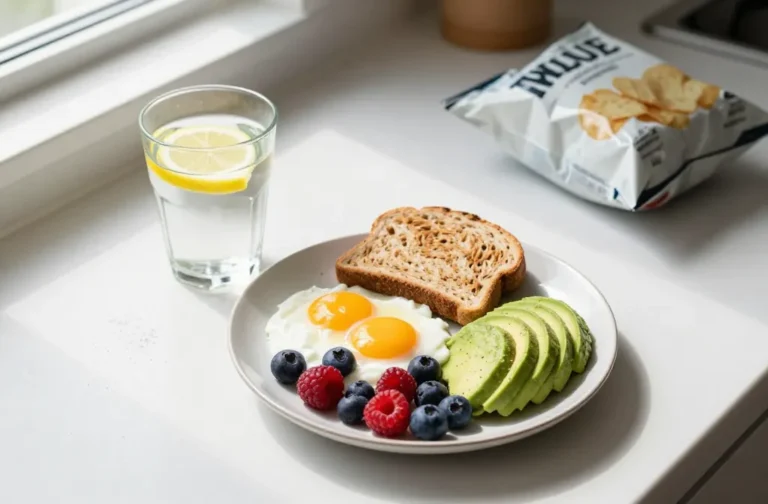
Build a “stick-to-your-ribs” plate
- Protein: 20–40 g per meal (eggs, Greek yogurt, tofu, chicken, legumes).
- Fiber: 8–12 g per meal (veggies, beans, berries, whole grains).
- Healthy fats: 10–20 g (olive oil, avocado, nuts). They slow digestion.
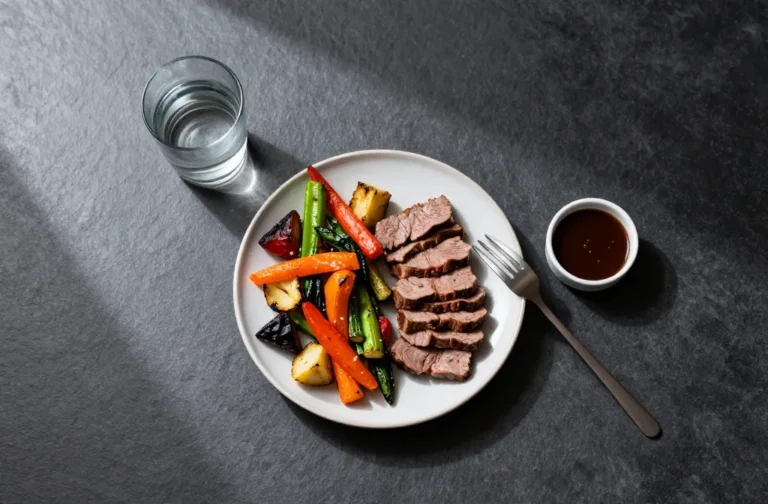
- Volume: half your plate non-starchy veggies. Your stomach likes bulk.
Ultra-Processed Foods Hack Your Appetite
Foods engineered for “bliss point” (sweet/salty/crunchy) make you eat faster and more. They digest quickly, so fullness fades fast. Plus, they often pack low protein and fiber, which keeps ghrelin high and your hand in the chip bag.
Smart swaps that still slap
- Swap sugary cereal for Greek yogurt + berries + granola.
- Trade chips for popcorn + nuts (fiber + fat = win).
- Replace white bread with whole-grain or sourdough.
Are You Drinking Your Calories?

Liquid calories barely trigger satiety. Smoothies beat sodas, but juice, fancy coffees, and kombucha won’t keep you full. If you drink your breakfast and feel empty by 10 a.m., that’s why.
Make sippable meals actually filling
- Add 25–35 g protein (protein powder, Greek yogurt, silken tofu).
- Include fiber (chia seeds, flaxseed, berries, oats).
- Use unsweetened bases to avoid blood sugar spikes.
Stress, Screens, and the “Did I Even Chew?” Problem
Eat distracted and your brain forgets you ate. You’ll want seconds because you didn’t “register” the meal. Also, when you eat fast, your satiety hormones don’t catch up in time.
Eat like you mean it
- Put the phone away. Yes, even that one hilarious reel.
- Chew 10–20 times per bite. Your gut gets time to signal “enough.”
- Pause halfway for 2–3 minutes. Ask, “Am I good?”
Thirst, Salt, and the Weird Ways Hunger Shows Up

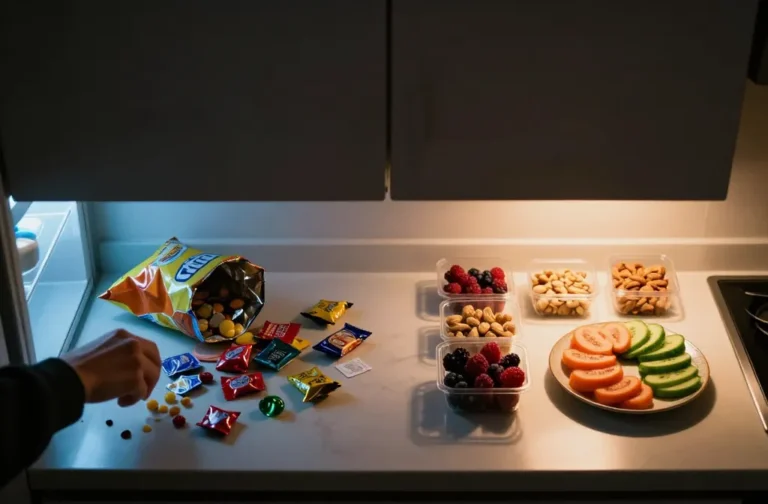
Mild dehydration can feel like hunger. High-salt meals can make you snacky later. And IMO, most people under-eat during the day, then wonder why 9 p.m. turns into a fridge heist.
Easy appetite wins
- Drink water regularly, especially before meals.
- Front-load protein at breakfast and lunch to avoid nighttime binges.
- Balance salt with potassium-rich foods (leafy greens, beans, bananas).
When It’s Not “Just Hunger”
Sometimes constant hunger points to something else: poor sleep, anemia, hyperthyroidism, blood sugar dysregulation, certain meds, or heavy training loads. If your hunger feels extreme, sudden, or comes with weight changes, energy crashes, or mood swings, talk to a pro. FYI, you don’t need to “earn” a checkup.
Track a week, spot the gap
Never Wonder What's For Dinner Again
Get 7 healthy, family-friendly dinners complete with recipes, grocery lists, and simple meal plans delivered straight to your inbox.
- Log sleep, stress, meals, movement. Patterns jump out.
- Note hunger from 1–10 before and after meals.
- Adjust one thing at a time. Keep what works.
FAQs
Why am I hungry an hour after eating?
Your meal likely skewed high in refined carbs and low in protein or fiber. That combo spikes blood sugar, then crashes it, which triggers hunger. Add 20–30 g protein and 8–10 g fiber next time and see how your hunger changes.
Does coffee suppress appetite in a bad way?
Coffee can blunt appetite short-term, but it doesn’t replace a meal. If you skip food and rely on caffeine, you may overeat later. Pair coffee with real breakfast so you don’t boomerang snack at 3 p.m.
Is fruit making me hungry?
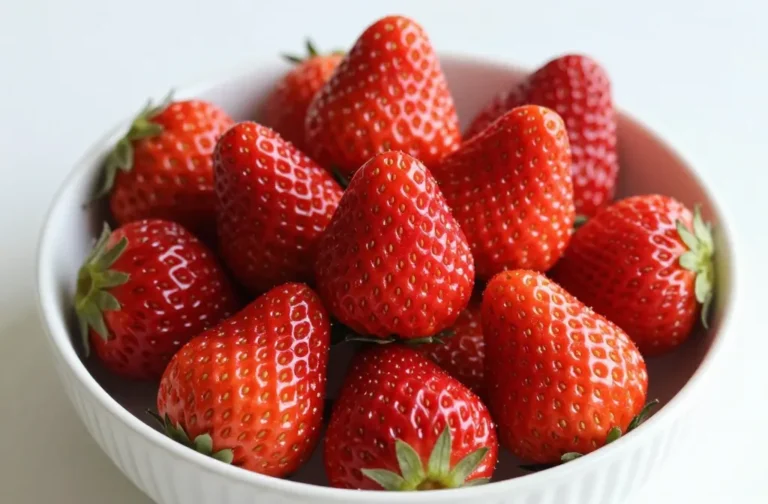
Fruit alone digests quickly. Pair it with protein or fat—think apple + peanut butter or berries + Greek yogurt—to extend fullness. Fruit isn’t the enemy; lonely fruit just doesn’t fill you up.
Can I fix hunger by eating more fiber supplements?
Fiber helps, but real food does more. Whole foods bring protein, water, micronutrients, and chew time—key for satiety. If you use a supplement, start low and drink water, or your gut will file a complaint.
Do artificial sweeteners increase hunger?
Research is mixed. Some people feel hungrier with lots of diet drinks; others don’t. If you notice cravings after sweeteners, cut back and see if your appetite calms. N=1 experiments are powerful.
How much protein actually keeps me full?
Aim for 0.7–1.0 g per pound of goal body weight per day, split across meals, if you’re active. For most people, 25–40 g per meal works well. Adjust based on your size, training, and how you feel.
Conclusion
Your “always hungry” feeling usually isn’t a willpower problem; it’s a signal problem. Line up protein, fiber, healthy fats, sleep, and slower, more present meals. Tweak your plate, manage stress, hydrate, and watch your appetite stop shouting and start whispering. And if it still screams? Loop in a pro. No badge of honor for suffering, FYI.
Estimated Nutrition for Example Hunger-Taming Recipes
Below are rough estimates using standard USDA ingredient data. Serving sizes noted. Net carbs = total carbs − fiber. Values are per serving.
1) Greek Yogurt Power Bowl
Serving size: 1 bowl
Ingredients per serving:
– 3/4 cup (170 g) nonfat Greek yogurt
– 1/2 cup blueberries
– 1 tbsp chia seeds
– 1/4 cup lower-sugar granola
– 1 tbsp honey
Estimated nutrition per serving:
– Calories: 330
– Total Fat: 8 g
– Total Carbohydrates: 49 g
– Dietary Fiber: 9 g
– Net Carbs: 40 g
– Protein: 22 g
2) High-Protein Smoothie
Serving size: ~16 oz glass
Ingredients per serving:
– 1 scoop whey protein (30 g)
– 1/2 cup frozen banana
– 1/2 cup frozen mixed berries
– 1 tbsp peanut butter
– 1 cup unsweetened almond milk
– 1 tbsp ground flaxseed
Estimated nutrition per serving:
– Calories: 390
– Total Fat: 15 g
– Total Carbohydrates: 37 g
– Dietary Fiber: 9 g
– Net Carbs: 28 g
– Protein: 33 g
3) Chicken, Quinoa, and Veggie Bowl
Serving size: 1 bowl
Ingredients per serving:
– 4 oz cooked chicken breast
– 3/4 cup cooked quinoa
– 1 cup roasted mixed veggies (broccoli, peppers, zucchini) with 1 tsp olive oil
– 2 tbsp hummus
– Lemon squeeze, spices
Estimated nutrition per serving:
– Calories: 520
– Total Fat: 18 g
– Total Carbohydrates: 52 g
– Dietary Fiber: 9 g
– Net Carbs: 43 g
– Protein: 38 g
4) Apple + Peanut Butter Snack
Serving size: 1 medium apple + 1.5 tbsp peanut butter
Estimated nutrition per serving:
– Calories: 255
– Total Fat: 12 g
– Total Carbohydrates: 33 g
– Dietary Fiber: 6 g
– Net Carbs: 27 g
– Protein: 6 g
5) Savory Oatmeal with Egg
Serving size: 1 bowl
Ingredients per serving:
– 1/2 cup dry old-fashioned oats cooked in water
– 1 large egg (fried or poached)
– 1/4 avocado
– 1 tbsp shredded Parmesan
– Salt, pepper, chili flakes
Estimated nutrition per serving:
– Calories: 420
– Total Fat: 20 g
– Total Carbohydrates: 45 g
– Dietary Fiber: 9 g
– Net Carbs: 36 g
– Protein: 16 g
Disclaimer: Nutrition values are estimates based on standard USDA data and common brands. Actual numbers may vary with specific ingredients, preparation methods, and portion sizes. IMO, use these as ballpark figures, not legal documents.
Loved This Recipe?
If you're looking for more simple, healthy dinners your family will actually eat, grab my FREE 7-Day Easy Dinner Reset. You'll get 7 easy dinner recipes, simple grocery lists, and a done-for-you plan that takes the stress out of mealtime.