7 Hidden Triggers That Cause You to Overeat Exposed
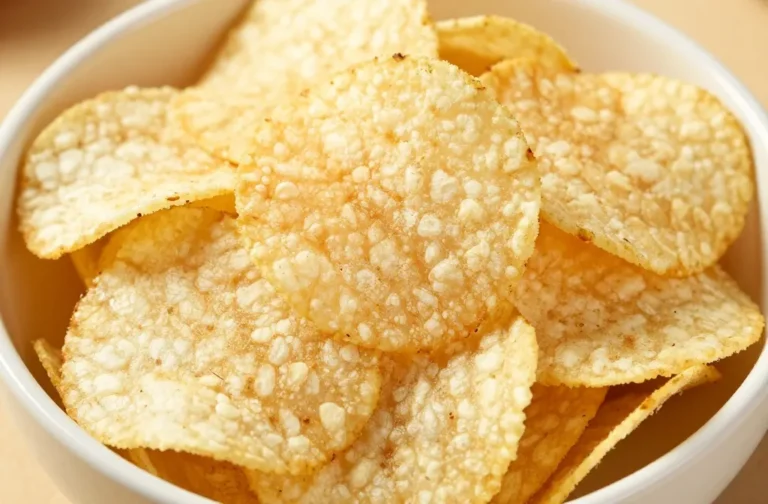
You swear you’re “being good,” and then—bam—you’ve inhaled half a bag of chips while scrolling. What happened? Hidden triggers. Sneaky little cues push you to eat more than you planned, even when you’re not hungry. Let’s call them out, figure out why they work, and learn quick fixes that don’t require monk-level willpower.
FREE 7-Day Easy Dinner Reset
Get 7 healthy, family-friendly dinners complete with recipes and simple meal plans delivered straight to your inbox.
The Stress-Eat Feedback Loop
Stress flips your brain into survival mode. Your body pumps out cortisol, and suddenly salty, crunchy, high-calorie snacks feel like safety blankets. You’re not “undisciplined”—you’re wired to want energy-dense fuel under pressure.
Try this:
- Build a “stress menu” of non-food soothers: a 5-minute walk, 30 deep breaths, or a quick vent-to-a-friend text.
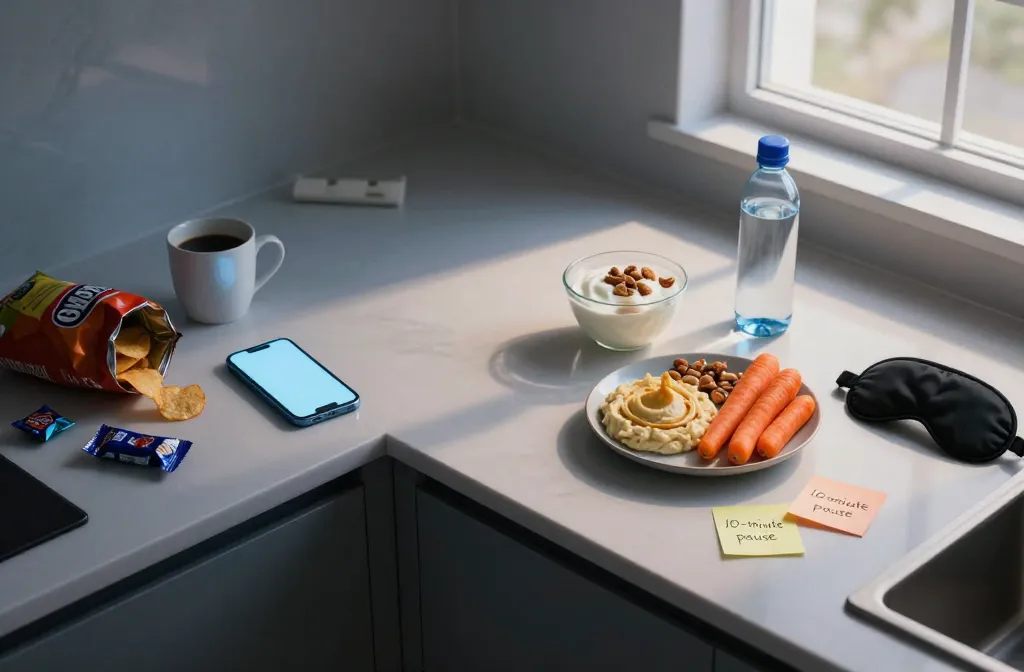
- Keep high-protein, high-fiber snacks ready: Greek yogurt, nuts, baby carrots + hummus.
- Set a 10-minute pause rule before stress-snacking. If you still want it after, go for it—mindfully.
Why crunchy snacks win under stress
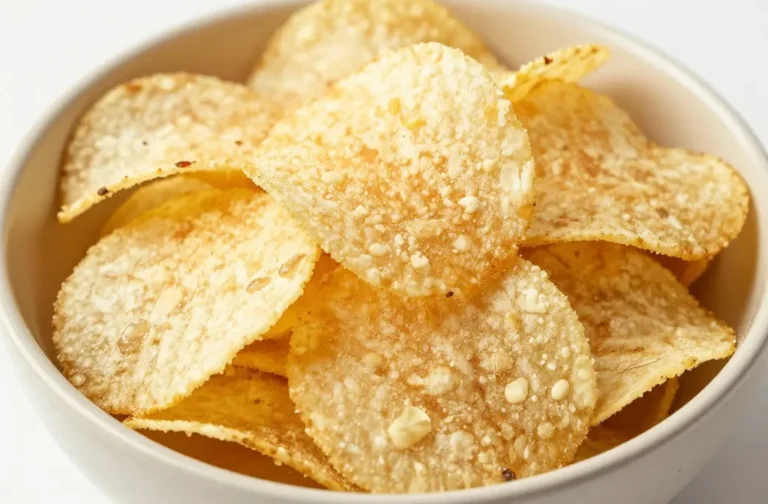
That crunch gives instant sensory relief and distraction. It’s basically edible bubble wrap. IMO, swap chips with roasted chickpeas or air-popped popcorn for the same crunch with more fiber.
Sleep Debt = Snack Debt

Skimp on sleep, and your hunger hormones (ghrelin and leptin) go haywire. You’ll crave quick carbs and extra portions because your brain wants fast fuel. FYI, even one short night can mess with appetite signals the next day.
Try this:
- Protect a 7–9 hour sleep window. Yes, even on weekends (your future self says thanks).
- Front-load protein at breakfast: eggs, cottage cheese, or a protein smoothie.
- Dim screens an hour before bed. Your sleepy hormones need darkness to clock in.
Portion Distortion (Blame the Plate)
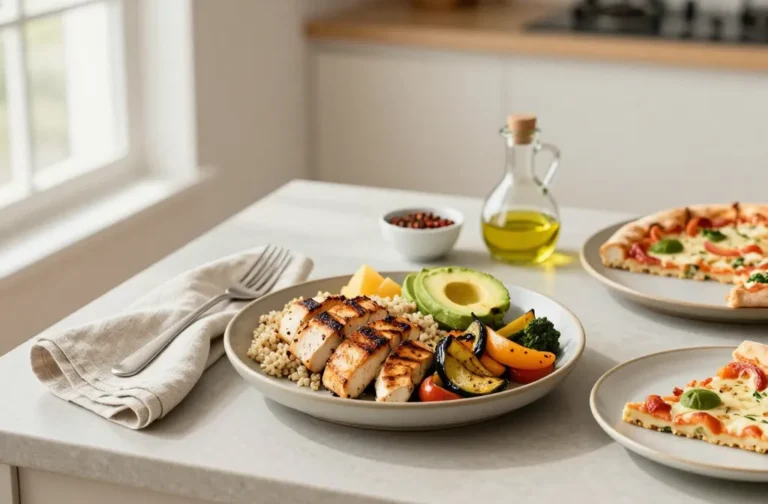
Large plates, bottomless bowls, family-size bags—you will eat more if your container invites it. Your brain tracks volume and visual cues more than you think.
Quick fixes that work:
- Use 8–9 inch plates for meals and small bowls for snacks.
- Pre-portion snacks into single servings instead of eating from the bag.
- Serve from the stove, not the table. Seconds become a decision, not a reflex.
The “health halo” trap
If a food screams “organic,” “gluten-free,” or “protein-packed,” you’ll likely eat more of it. Healthy doesn’t mean infinite. Read labels, plate a serving, enjoy it—don’t let marketing babysit your appetite.
Mindless Eating: Screens, Meetings, and Multitasking

When you eat while distracted, you skip sensory cues that tell you you’re done. You’ll remember the show, not the meal, and you’ll snack sooner.
Make eating a thing again:
- No phones at meals. Radical, I know.
- Chew slower and notice flavors for the first five bites.
- Use a “finish line”: when your protein and veg are gone, pause for 5 minutes before deciding if you want more.
The “clean plate club” myth
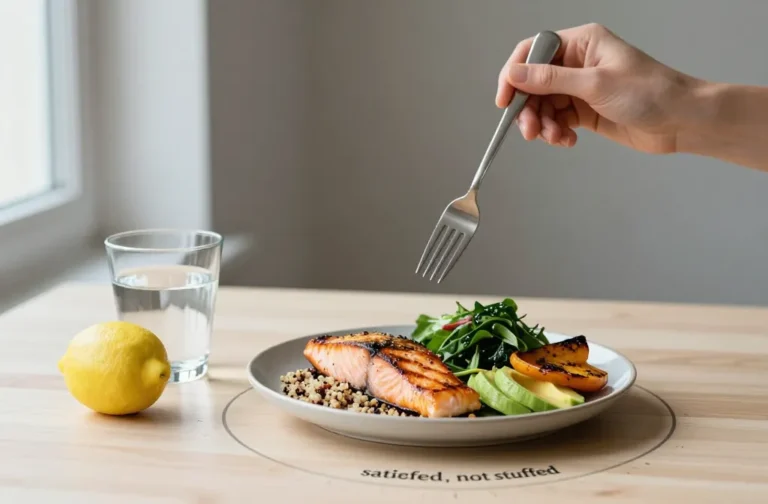
You’re not obligated to finish everything. Try the 80% rule: stop when you feel satisfied but not stuffed. It takes practice, but it beats the post-meal regret tour.
Emotions in Disguise: Boredom, Loneliness, and Celebration
We eat for feelings. Bored? Snack. Lonely? Snack. Nailed a deadline? Snack. Food marks transitions and fills space—until it backfires.
Swap the script:
- Boredom: change your state—stretch, walk, blast one song and dance like a weirdo.
- Loneliness: voice memo a friend or join a quick online community chat.
- Celebration: plan a fun non-food reward—new playlist, cozy bath, or a game night.
Hidden Sugar and “Innocent” Drinks

Liquid calories slide under the radar. Fancy coffees, smoothies, juices, and “hydrating” sports drinks can sneak in a meal’s worth of sugar, then leave you hungry again. Your body doesn’t register liquid calories like solids.
Better bets:
- Order half-sweet or unsweetened versions of your go-to drinks.
- Make smoothies with protein + fiber (Greek yogurt, chia seeds, berries).
- Drink water first, then decide if you still want the sweet stuff.
Decoding labels fast
Sugar hides as cane juice, maltose, rice syrup, agave, honey, dates—still sugar. Aim for under 10g added sugar per serving for daily sips, IMO.
Social Pressure and Food FOMO
Friends push “just one more slice.” Restaurants super-size by default. And yes, that bread basket calls your name like it knows your secrets. You’re not weak—you’re social.
Boundary scripts that don’t feel weird:
Never Wonder What's For Dinner Again
Get 7 healthy, family-friendly dinners complete with recipes, grocery lists, and simple meal plans delivered straight to your inbox.
- “I’m good for now—saving room.”
- “Let’s split one.”
- “That looks amazing—packing the rest for tomorrow.”
FYI: Order first so you don’t copy everyone else’s order out of herd instinct.
FAQ
How do I know if I’m actually hungry or just triggered?
Check your hunger like a volume knob from 1–10. Physical hunger builds gradually and shows up with stomach cues and low energy. Emotional hunger hits fast, targets specific foods, and often comes with urgency. If water and a 10-minute pause don’t change it, it’s probably real hunger.
Can I still keep my favorite snacks at home?
Yes—just make them slightly inconvenient. Store treats out of sight and portion them into single servings. Keep fruit, yogurt, jerky, or popcorn front-and-center. You’ll eat what’s easy, so stack the deck.
What should I eat to feel full longer?
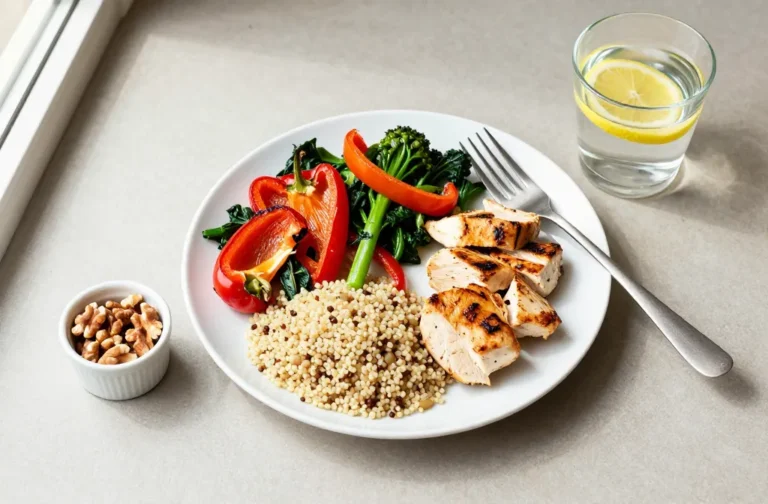
Combine protein, fiber, and fat. Think eggs + avocado toast, salmon + quinoa + veggies, or Greek yogurt with berries and nuts. This trifecta slows digestion and keeps cravings quieter, longer.
Do artificial sweeteners make me overeat?
Research is mixed. For some people, they help reduce calories; for others, they keep the sweet-craving loop alive. Track how you feel: if low-cal sweet drinks make you snackier later, scale back.
How much does hydration really matter for appetite?
A lot. Mild dehydration can masquerade as hunger and sap your energy. Sip water through the day and front-load a glass before meals. It won’t “melt fat,” but it can curb random snacking.
Conclusion
Overeating rarely means you “lack willpower.” It usually means triggers run the show. Spot them, set up tiny guardrails, and give yourself better defaults. You’ll eat enough, enjoy your food more, and skip the spiral—no monk vows required.
Estimated Nutrition Facts for Sample “Snack-Swap” Ideas
Serving sizes are estimated reasonable portions. Values use standard USDA averages and are approximate.
1) Roasted Chickpeas (crunchy swap for chips)
- Serving size: 1/2 cup cooked, roasted (about 80 g)
- Calories: ~180
- Total Fat: ~6 g
- Total Carbohydrates: ~24 g
- Dietary Fiber: ~6 g
- Net Carbs: ~18 g
- Protein: ~8 g
2) Air-Popped Popcorn (light, high-volume)
- Serving size: 3 cups popped (about 24 g kernels popped)
- Calories: ~93
- Total Fat: ~1.1 g
- Total Carbohydrates: ~18.6 g
- Dietary Fiber: ~3.6 g
- Net Carbs: ~15 g
- Protein: ~3 g
3) Greek Yogurt Parfait (protein + fiber)
- Serving size: 3/4 cup plain nonfat Greek yogurt (170 g) + 1/2 cup berries (75 g) + 1 tbsp chopped almonds (8 g)
- Calories: ~190
- Total Fat: ~4.5 g
- Total Carbohydrates: ~18 g
- Dietary Fiber: ~3.5 g
- Net Carbs: ~14.5 g
- Protein: ~20 g
4) Baby Carrots + Hummus (crunch + creaminess)
- Serving size: 10 baby carrots (85 g) + 2 tbsp hummus (30 g)
- Calories: ~120
- Total Fat: ~5 g
- Total Carbohydrates: ~16 g
- Dietary Fiber: ~5 g
- Net Carbs: ~11 g
- Protein: ~4 g
5) Cottage Cheese + Pineapple (sweet tooth helper)
- Serving size: 1/2 cup low-fat cottage cheese (113 g) + 1/3 cup pineapple chunks (55 g)
- Calories: ~140
- Total Fat: ~2.5 g
- Total Carbohydrates: ~15 g
- Dietary Fiber: ~1 g
- Net Carbs: ~14 g
- Protein: ~16 g
Disclaimer: Nutrition values are estimates based on standard USDA data and typical products. Actual values vary by brand, preparation, and portion size.
Loved This Recipe?
If you're looking for more simple, healthy dinners your family will actually eat, grab my FREE 7-Day Easy Dinner Reset. You'll get 7 easy dinner recipes, simple grocery lists, and a done-for-you plan that takes the stress out of mealtime.