High Protein Low Carb Peanut Butter Protein Fudge – Creamy, Satisfying, and Easy
This peanut butter protein fudge hits that sweet spot between dessert and smart snack. It’s rich, creamy, and tastes indulgent, yet it’s packed with protein and low in carbs. You don’t need special equipment or baking skills—just a bowl, a spoon, and a few pantry staples.
FREE 7-Day Easy Dinner Reset
Get 7 healthy, family-friendly dinners complete with recipes and simple meal plans delivered straight to your inbox.
Make a batch on Sunday and you’ll have a quick, satisfying bite ready all week. It’s perfect for post-workout, late-night cravings, or anytime you want a treat without wrecking your goals.
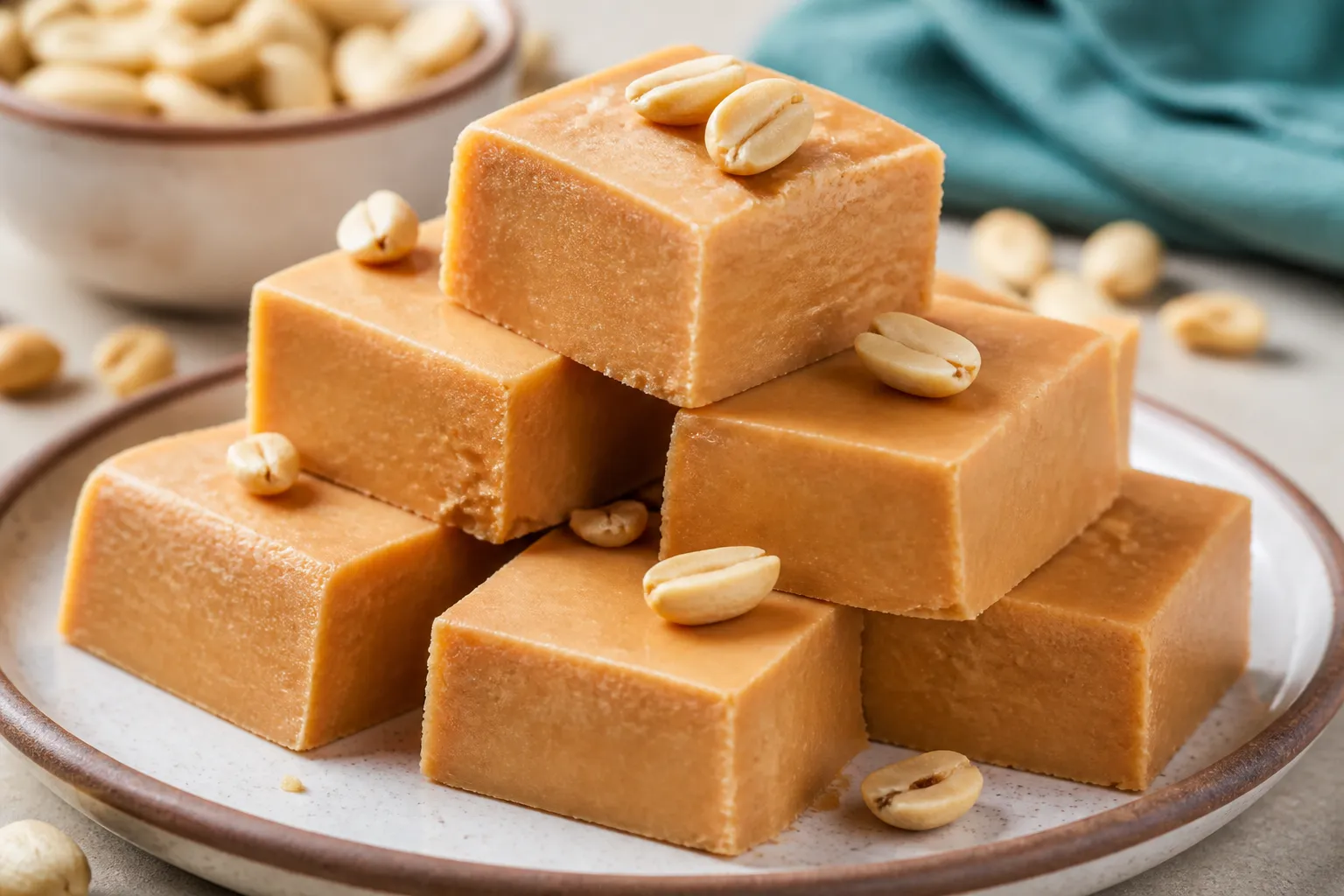
High Protein Low Carb Peanut Butter Protein Fudge - Creamy, Satisfying, and Easy
Ingredients
Method
- Line your pan: Line a small loaf pan or 8x4-inch dish with parchment, leaving overhang for easy lifting later.
- Gently melt the fat: In a microwave-safe bowl, melt 1/3 cup coconut oil (or butter) in 15–20 second bursts until just liquid. Don’t overheat.
- Add the peanut butter: Stir in 1 cup natural peanut butter until smooth and glossy.
- Flavor and sweeten: Mix in 1–2 teaspoons vanilla extract, a pinch of sea salt, and 3–5 tablespoons powdered sweetener. Start lower; you can always add more after tasting.
- Boost with protein: Whisk in 1/2 to 3/4 cup protein powder, a little at a time. The mixture will thicken.
- Adjust consistency: Add 1–3 tablespoons unsweetened almond milk to reach a thick, spreadable batter. It should be scoopable, not runny.
- Taste and tweak: Adjust sweetness and salt. If it’s too thick, add another splash of milk; too loose, add a spoon of protein powder.
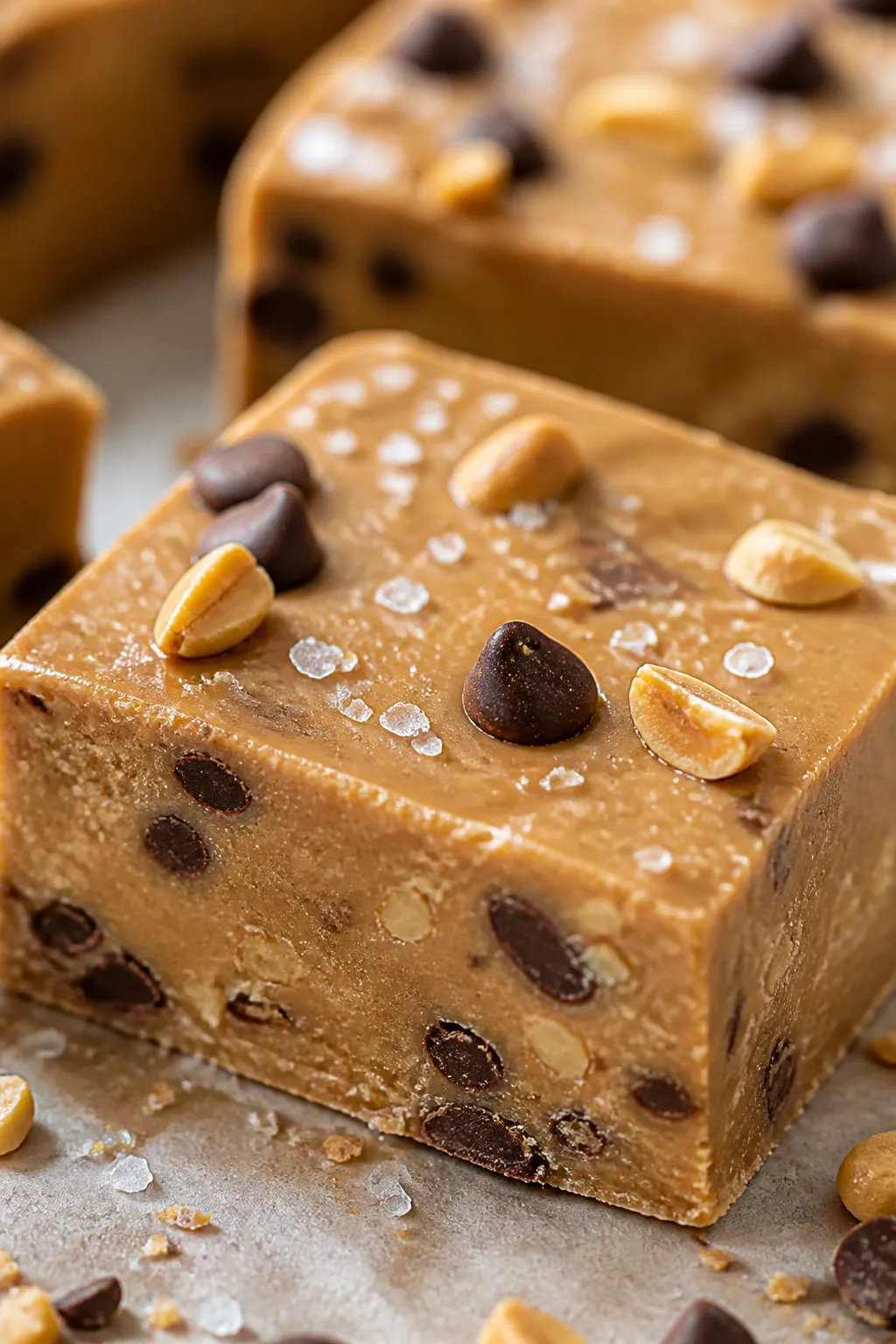
- Optional mix-ins: Fold in 2–3 tablespoons chopped peanuts or sugar-free chocolate chips for texture.
- Spread and smooth: Transfer to the lined pan and smooth the top with a spatula. Sprinkle flaky sea salt if using.
- Chill to set: Refrigerate for 2–3 hours or freeze for 45–60 minutes, until firm enough to slice.
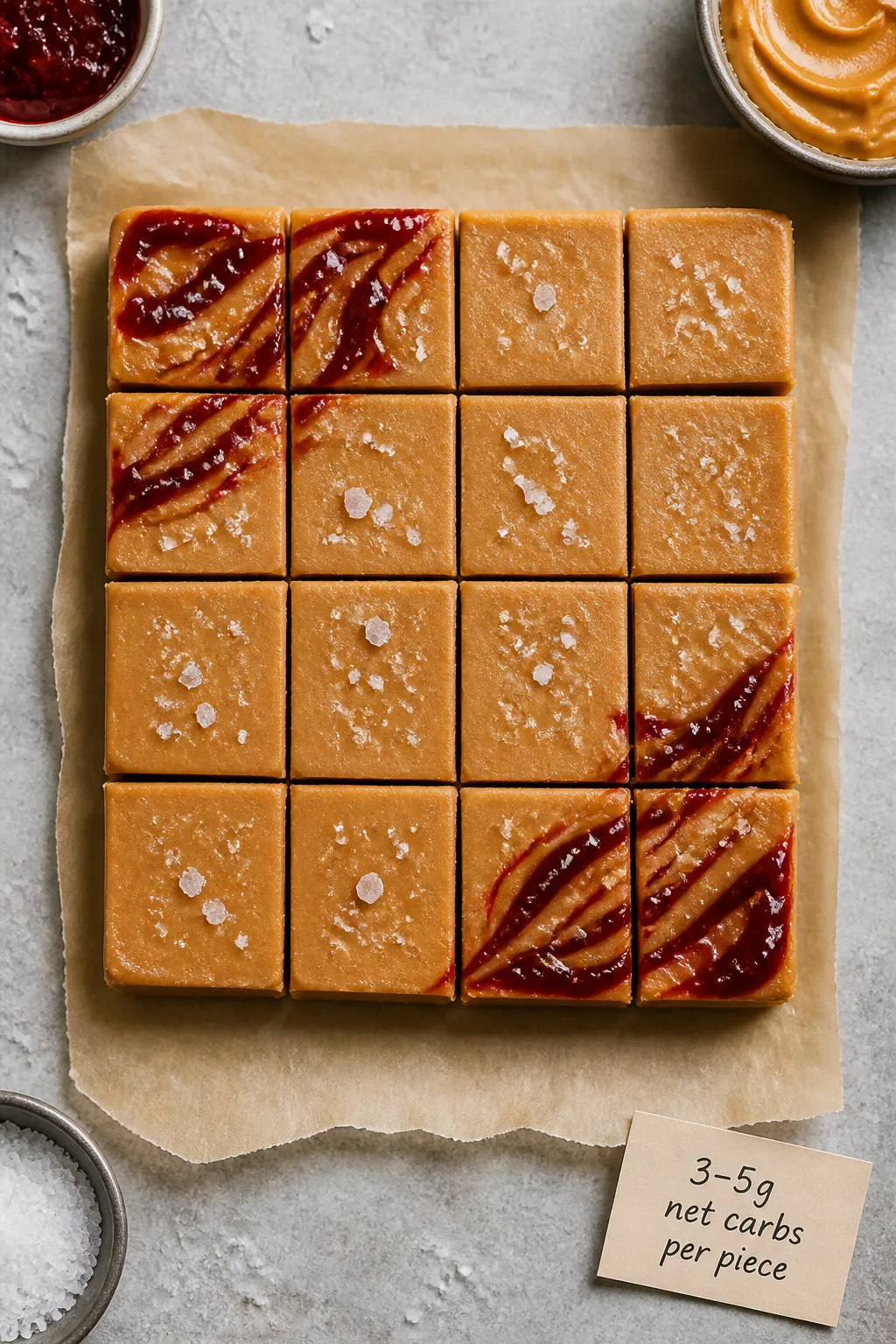
- Slice and serve: Lift out using the parchment and cut into 12–16 small squares. Keep portions modest—this is rich and satisfying.
Why This Recipe Works
- Balanced macros: Natural peanut butter and protein powder deliver protein and healthy fats, keeping carbs low while still feeling like dessert.
- No baking required: The fridge (or freezer) does the work. The texture sets to a smooth, fudge-like bite.
- Flexible texture: Adjust the fat source and liquid to get softer or firmer fudge based on your preference.
- Sweetness control: You choose the sweetener and the level of sweetness.
No sugar crash.
- Minimal ingredients: Most items are easy to find and budget-friendly.
Shopping List
- Natural peanut butter (unsweetened and no-stir if possible; creamy works best)
- Vanilla or peanut butter flavored whey or plant protein powder (choose a brand you like)
- Coconut oil or grass-fed butter (for richness and set)
- Unsweetened almond milk (or another low-carb milk like cashew milk)
- Powdered or granulated zero-calorie sweetener (erythritol, allulose, or a stevia/monk fruit blend)
- Vanilla extract
- Sea salt
- Optional add-ins: chopped peanuts, sugar-free chocolate chips, cinnamon, cocoa powder, or a swirl of sugar-free jam
- Optional topping: flaky sea salt
How to Make It
- Line your pan: Line a small loaf pan or 8×4-inch dish with parchment, leaving overhang for easy lifting later.
- Gently melt the fat: In a microwave-safe bowl, melt 1/3 cup coconut oil (or butter) in 15–20 second bursts until just liquid. Don’t overheat.
- Add the peanut butter: Stir in 1 cup natural peanut butter until smooth and glossy.
- Flavor and sweeten: Mix in 1–2 teaspoons vanilla extract, a pinch of sea salt, and 3–5 tablespoons powdered sweetener. Start lower; you can always add more after tasting.
- Boost with protein: Whisk in 1/2 to 3/4 cup protein powder, a little at a time.
The mixture will thicken.
- Adjust consistency: Add 1–3 tablespoons unsweetened almond milk to reach a thick, spreadable batter. It should be scoopable, not runny.
- Taste and tweak: Adjust sweetness and salt. If it’s too thick, add another splash of milk; too loose, add a spoon of protein powder.
- Optional mix-ins: Fold in 2–3 tablespoons chopped peanuts or sugar-free chocolate chips for texture.
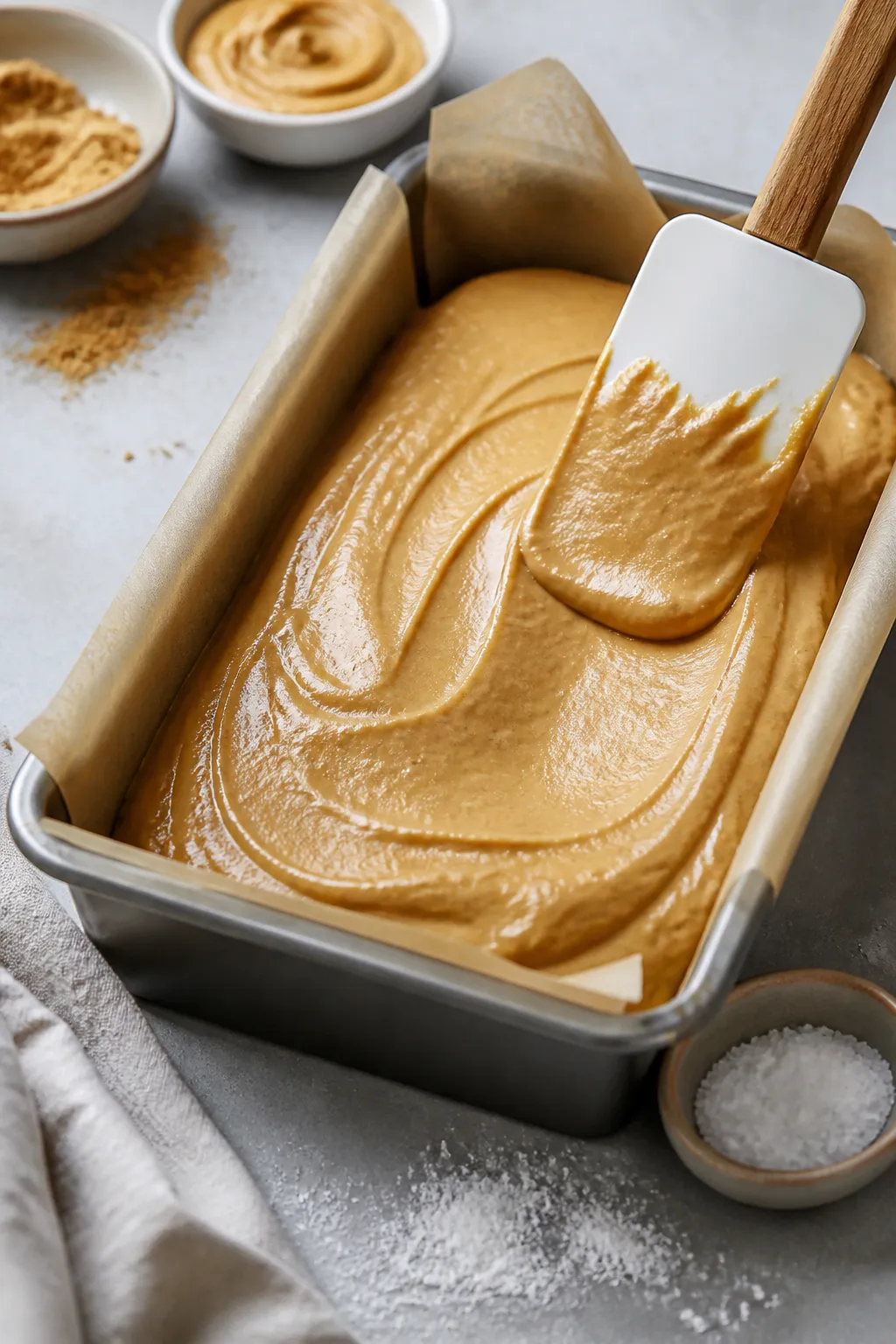
- Spread and smooth: Transfer to the lined pan and smooth the top with a spatula.
Sprinkle flaky sea salt if using.
- Chill to set: Refrigerate for 2–3 hours or freeze for 45–60 minutes, until firm enough to slice.
- Slice and serve: Lift out using the parchment and cut into 12–16 small squares. Keep portions modest—this is rich and satisfying.
Keeping It Fresh
- Fridge: Store in an airtight container for up to 10 days. Keep layers separated with parchment to prevent sticking.
- Freezer: Freeze for up to 2 months.
Wrap pieces individually or layer with parchment. Thaw at room temp for 10–15 minutes before eating.
- Texture tip: Coconut oil firms more in the fridge than butter. If you want softer squares right from the fridge, use a mix of coconut oil and butter.
Benefits of This Recipe
- High protein: Helps with satiety, muscle recovery, and stable energy.
- Low in carbs: Sweetened with zero-calorie sweeteners, so you avoid sugar spikes.
- Healthy fats: Peanut butter and coconut oil support fullness and flavor.
- Quick and convenient: No baking, minimal cleanup, and easy batch prep.
- Customizable: Works with whey, casein, or plant protein and adapts to your taste.
Pitfalls to Watch Out For
- Overheating the base: If the oil/butter gets too hot, it can separate or make the texture greasy.
Melt gently.
- Using a chalky protein: Some powders taste gritty. Choose one you enjoy in shakes; it will taste better in fudge.
- Wrong peanut butter: Peanut butter with added sugar or oils can alter sweetness and set. Aim for unsweetened, creamy varieties.
- Too much liquid: Overdoing almond milk leads to soft fudge that won’t set.
Add just enough to mix smoothly.
- Skipping salt: A pinch of salt sharpens flavor and balances sweetness. Don’t leave it out.
Variations You Can Try
- Chocolate Peanut Butter: Add 2 tablespoons cocoa powder and a few tablespoons of extra sweetener to balance the bitterness.
- PB&J Swirl: Swirl in 2 tablespoons of sugar-free strawberry jam before chilling.
- Maple Nut: Use maple-flavored sweetener and add chopped pecans or walnuts.
- Espresso Crunch: Stir in 1 teaspoon instant espresso and sugar-free chocolate chips.
- Plant-Based: Use a pea or soy protein and coconut oil for a fully dairy-free version.
- Almond or Cashew Swap: Replace peanut butter with almond or cashew butter for a different flavor profile.
FAQ
Never Wonder What's For Dinner Again
Get 7 healthy, family-friendly dinners complete with recipes, grocery lists, and simple meal plans delivered straight to your inbox.
Can I use casein or plant protein instead of whey?
Yes. Casein gives a thicker, fudgier texture and can help the squares set more firmly.
Plant proteins (pea, soy) also work, but you may need a bit more liquid since they absorb differently.
How many carbs per piece?
It depends on your ingredients and slice size. As a ballpark, a 16-piece batch using natural peanut butter, allulose, and almond milk typically lands around 3–5 grams net carbs per piece. Check your labels to be sure.
My fudge is too soft.
What now?
Freeze it for 20–30 minutes to firm up. Next time, reduce the almond milk, add a little more protein powder, or use more coconut oil for a firmer set.
It tastes grainy—how do I fix that?
Use a powdered sweetener rather than granulated, or blend the granulated sweetener in a spice grinder. Also, switch to a smoother protein powder and mix thoroughly to eliminate dry pockets.
Can I make it nut-free?
Yes.
Use sunflower seed butter and a neutral-flavored protein. Note that sunflower seed butter can turn green when baked with baking soda, but that won’t happen here since there’s no baking.
Do I have to refrigerate it?
Yes. The fats help it set and stay firm at cool temperatures.
At room temp, the fudge will soften and can become oily or lose its shape.
What sweetener works best?
Allulose gives a smooth, non-cooling sweetness. Erythritol blends can have a cooling effect but still work well if powdered. Monk fruit and stevia blends are also great—adjust to taste.
Wrapping Up
This High Protein Low Carb Peanut Butter Protein Fudge is proof that you can have a dessert that supports your goals and still tastes like a treat.
It’s simple, fast, and endlessly adaptable. Keep a batch on hand for a quick bite after the gym or when you want something sweet without the sugar rush. With a few pantry staples and 10 minutes of effort, you’ll have creamy, satisfying squares ready whenever cravings strike.
Printable Recipe Card
Want just the essential recipe details without scrolling through the article? Get our printable recipe card with just the ingredients and instructions.
Loved This Recipe?
If you're looking for more simple, healthy dinners your family will actually eat, grab my FREE 7-Day Easy Dinner Reset. You'll get 7 easy dinner recipes, simple grocery lists, and a done-for-you plan that takes the stress out of mealtime.