Grilled Steak With Chimichurri – Bright, Bold, and Backyard-Ready
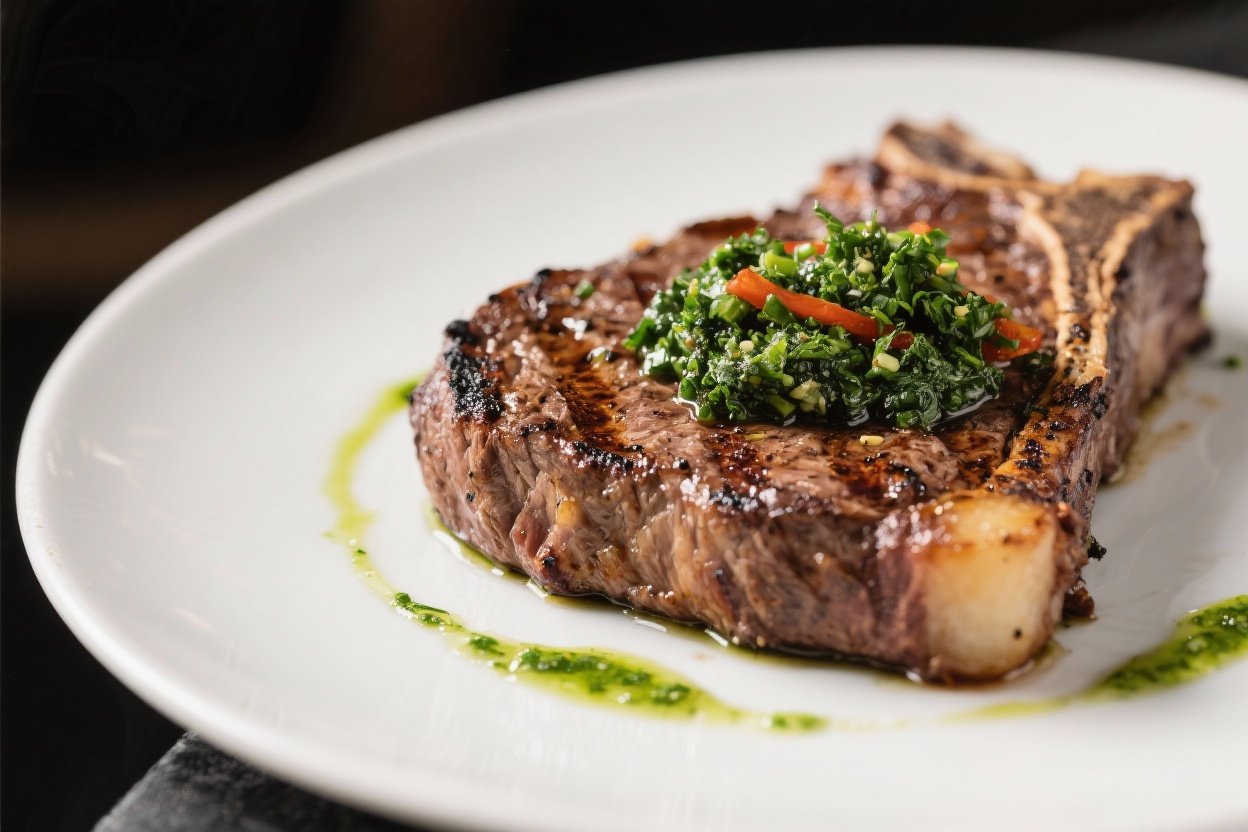
Nothing beats a juicy steak sizzling on the grill, especially when it’s topped with a punchy, herb-packed chimichurri. This classic pairing brings together charred beef and fresh, zesty sauce for a meal that feels both simple and special. It’s fast enough for a weeknight but impressive enough for guests.
FREE 7-Day Easy Dinner Reset
Get 7 healthy, family-friendly dinners complete with recipes and simple meal plans delivered straight to your inbox.
If you’re new to grilling or chimichurri, don’t worry—this guide keeps it straightforward. By the end, you’ll have a go-to steak dinner that never misses.
Ingredients
Method
- Bring the steak to room temperature. Take the steak out of the fridge 30–45 minutes before cooking. Pat it dry with paper towels. Dry surfaces sear better.
- Season generously. Coat the steak lightly with oil, then season all sides with kosher salt and lots of black pepper. Don’t skimp—this is your flavor foundation.
- Preheat your grill. Heat to high (450–500°F). If using a charcoal grill, build a two-zone fire: hot side for searing, cooler side for finishing.
- Make the chimichurri. Finely chop parsley and oregano. Mince garlic. In a bowl, combine herbs, garlic, red pepper flakes, red wine vinegar, and a generous pinch of sea salt. Stir in extra-virgin olive oil until the mixture is spoonable, not soupy. Taste and adjust salt and acidity. A squeeze of lemon is optional but bright.
- Clean and oil the grates. Use a grill brush to scrub the grates, then oil them with tongs and a paper towel dipped in neutral oil. This prevents sticking and ensures clean grill marks.
- Sear the steak. Place the steak over direct heat. For a 1–1.5-inch ribeye or strip: grill 3–4 minutes per side for medium-rare, rotating halfway for crosshatch marks. For skirt steak: 2–3 minutes per side is usually enough.
- Check doneness. Use an instant-read thermometer. Aim for 125–130°F for medium-rare, 135°F for medium. The temp will rise a few degrees while resting.
- Rest the steak. Transfer to a cutting board and rest 5–10 minutes. This allows juices to redistribute, keeping the meat tender and moist.
- Slice correctly. For strip or ribeye, slice into thick slabs. For skirt steak, slice thinly against the grain at a slight angle. This makes every bite tender.
- Serve with chimichurri. Spoon chimichurri over the steak and serve extra on the side. Add a pinch of flaky salt on top for a final pop.
Why This Recipe Works
This recipe leans on balance: rich, smoky steak meets a bright, acidic sauce that cuts through the fat. The chimichurri is made with fresh parsley, a touch of oregano, garlic, olive oil, and red wine vinegar—simple ingredients that deliver big flavor.
Letting the steak rest after grilling keeps it juicy. Skipping a traditional marinade keeps things quick and lets the steak’s natural flavor shine, while the chimichurri acts as a finishing sauce that wakes up every bite.
Shopping List
- Steak: 1.5–2 pounds ribeye, strip, or skirt steak (about 1–1.5 inches thick)
- Kosher salt and freshly cracked black pepper
- Olive oil (extra-virgin for the sauce; regular for grilling)
- Fresh parsley (1 large bunch, flat-leaf preferred)
- Fresh oregano (or 1 teaspoon dried)
- Garlic (3–4 cloves)
- Red pepper flakes (or 1 fresh red chili, finely minced)
- Red wine vinegar (3–4 tablespoons)
- Lemon (optional, for a touch of brightness)
- Sea salt (for the chimichurri)
Step-by-Step Instructions
- Bring the steak to room temperature. Take the steak out of the fridge 30–45 minutes before cooking. Pat it dry with paper towels.
Dry surfaces sear better.
- Season generously. Coat the steak lightly with oil, then season all sides with kosher salt and lots of black pepper. Don’t skimp—this is your flavor foundation.
- Preheat your grill. Heat to high (450–500°F). If using a charcoal grill, build a two-zone fire: hot side for searing, cooler side for finishing.
- Make the chimichurri. Finely chop parsley and oregano.
Mince garlic. In a bowl, combine herbs, garlic, red pepper flakes, red wine vinegar, and a generous pinch of sea salt. Stir in extra-virgin olive oil until the mixture is spoonable, not soupy.
Taste and adjust salt and acidity. A squeeze of lemon is optional but bright.
- Clean and oil the grates. Use a grill brush to scrub the grates, then oil them with tongs and a paper towel dipped in neutral oil. This prevents sticking and ensures clean grill marks.
- Sear the steak. Place the steak over direct heat.
For a 1–1.5-inch ribeye or strip: grill 3–4 minutes per side for medium-rare, rotating halfway for crosshatch marks. For skirt steak: 2–3 minutes per side is usually enough.
- Check doneness. Use an instant-read thermometer. Aim for 125–130°F for medium-rare, 135°F for medium.
The temp will rise a few degrees while resting.
- Rest the steak. Transfer to a cutting board and rest 5–10 minutes. This allows juices to redistribute, keeping the meat tender and moist.
- Slice correctly. For strip or ribeye, slice into thick slabs. For skirt steak, slice thinly against the grain at a slight angle.
This makes every bite tender.
- Serve with chimichurri. Spoon chimichurri over the steak and serve extra on the side. Add a pinch of flaky salt on top for a final pop.
Storage Instructions
- Cooked steak: Store in an airtight container in the fridge for up to 3–4 days. Reheat gently to avoid drying it out—use low heat in a skillet with a splash of oil or broth.
- Chimichurri: Keeps in the fridge for 3–4 days.
The flavors deepen over time. Stir before serving. You can freeze it in small portions; thaw in the fridge and freshen with a bit of vinegar.
- Meal prep tip: Keep steak and sauce separate until serving to maintain texture and brightness.
Why This is Good for You
Steak offers high-quality protein, iron, and B vitamins that support energy and muscle health.
Chimichurri brings antioxidants from fresh herbs, heart-healthy fats from olive oil, and digestion-friendly acidity from vinegar. The balance of fat, acid, and herbs makes the dish feel lighter than a heavy, cream-based sauce. If you choose a leaner cut or smaller portion, you can keep it satisfying without going overboard.
Pitfalls to Watch Out For
- Under-seasoning: Steak needs enough salt to taste bold.
Season both sides and the edges.
- Cold steak on a hot grill: Cold meat won’t sear evenly and can cook unevenly inside. Let it sit out a bit before grilling.
- Skipping the rest: Cutting too soon causes juices to spill out. Resting is non-negotiable for juiciness.
- Over-chopping herbs: Don’t pulverize the chimichurri.
Aim for a fine chop, not a paste, so the sauce stays fresh and vibrant.
- Wrong slicing direction: Especially with skirt steak, always slice against the grain for tenderness.
Variations You Can Try
- Cilantro chimichurri: Swap half the parsley for cilantro. Add a splash of lime juice for a brighter twist.
- Smoky version: Add a pinch of smoked paprika to the chimichurri or toss a wood chunk onto your charcoal for extra smoke.
- Garlic-forward: Roast the garlic cloves before mincing for a sweeter, mellower sauce.
- Spicy kick: Use a fresh red chili or more red pepper flakes. A touch of Calabrian chili paste also works well.
- Different cuts: Try hanger, flank, or picanha.
Adjust cooking times—thinner cuts cook fast, thicker cuts benefit from two-zone grilling.
- No grill, no problem: Use a heavy cast-iron skillet. Preheat until smoking, sear in a thin layer of oil, and finish in a 400°F oven if needed.
FAQ
Never Wonder What's For Dinner Again
Get 7 healthy, family-friendly dinners complete with recipes, grocery lists, and simple meal plans delivered straight to your inbox.
What’s the best steak cut for chimichurri?
Ribeye and strip are great for marbling and flavor, while skirt and flank pair beautifully with the sauce’s acidity. Hanger and picanha are excellent if you can find them.
Choose a cut that you enjoy and adjust your cooking time accordingly.
Can I make chimichurri in a food processor?
Yes, but pulse gently. You want a coarse, spoonable texture, not a puree. Over-processing makes it muddy and bitter.
Hand-chopping gives the best texture, but a few light pulses work in a pinch.
How do I avoid overcooking the steak?
Use an instant-read thermometer and pull the steak 5°F before your target. Resting finishes the cook. Also, keep a cooler zone on the grill so you can move the steak if flare-ups happen.
Can I marinate the steak?
You can, but it’s not necessary.
Salt, pepper, and a good sear do the job. If you want a marinade, keep it simple—olive oil, garlic, and a splash of vinegar—then pat the steak dry before grilling.
Is chimichurri the same as pesto?
No. Chimichurri is herb- and vinegar-based, bright and punchy, with no nuts or cheese.
Pesto is richer, with basil, nuts, and often Parmesan. They serve different roles at the table.
How far in advance can I make the chimichurri?
Make it up to a day ahead. The flavors meld and improve as it sits.
If it thickens in the fridge, loosen it with a splash more olive oil or vinegar before serving.
What sides go well with this?
Grilled vegetables, roasted potatoes, a simple green salad, or charred corn are all great options. Keep the sides light so the steak and sauce stay in the spotlight.
Can I use dried herbs?
Fresh is best for chimichurri, but you can use 1 teaspoon dried oregano. Avoid dried parsley—it lacks the fresh, green flavor this sauce needs.
Final Thoughts
Grilled steak with chimichurri proves that simple ingredients can create restaurant-level flavor at home.
With a hot grill, proper seasoning, and a bright herb sauce, you’ll get a steak that’s juicy, bold, and balanced. Keep the technique sharp—dry the meat, sear hot, rest well—and this will become your most reliable steak dinner. Serve it with a fresh side and extra sauce at the table, and watch it disappear fast.
Printable Recipe Card
Want just the essential recipe details without scrolling through the article? Get our printable recipe card with just the ingredients and instructions.
Loved This Recipe?
If you're looking for more simple, healthy dinners your family will actually eat, grab my FREE 7-Day Easy Dinner Reset. You'll get 7 easy dinner recipes, simple grocery lists, and a done-for-you plan that takes the stress out of mealtime.