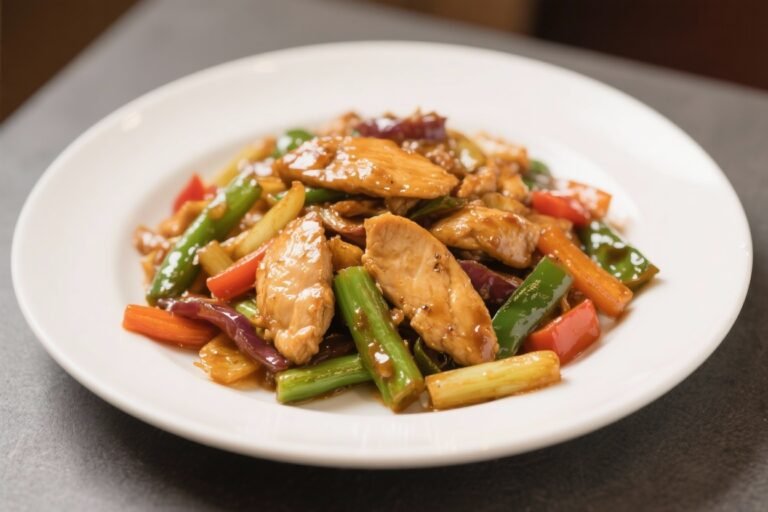
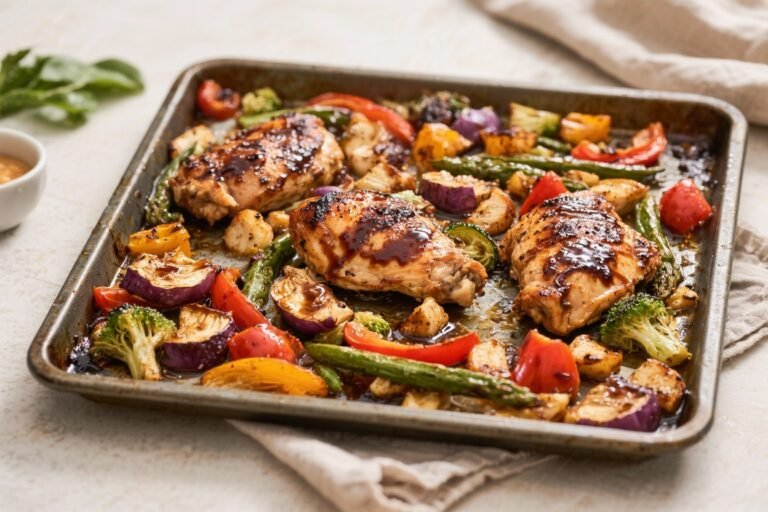
Balsamic Glazed Chicken & Asparagus – Simple, Savory, and Weeknight Easy
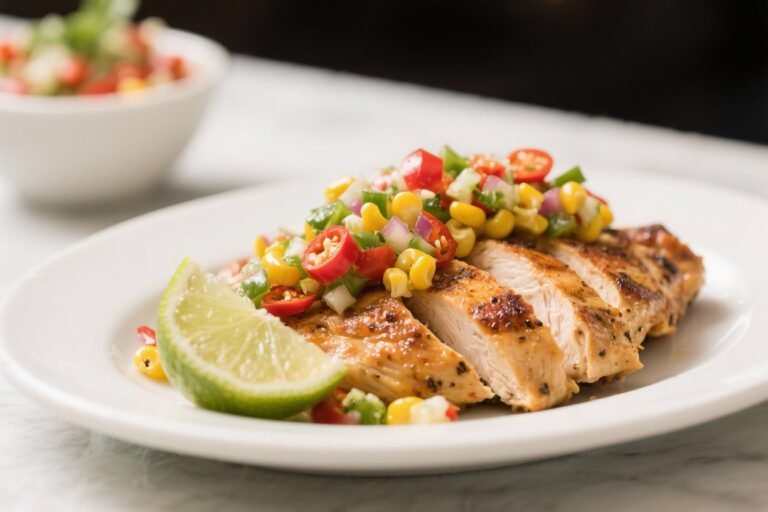
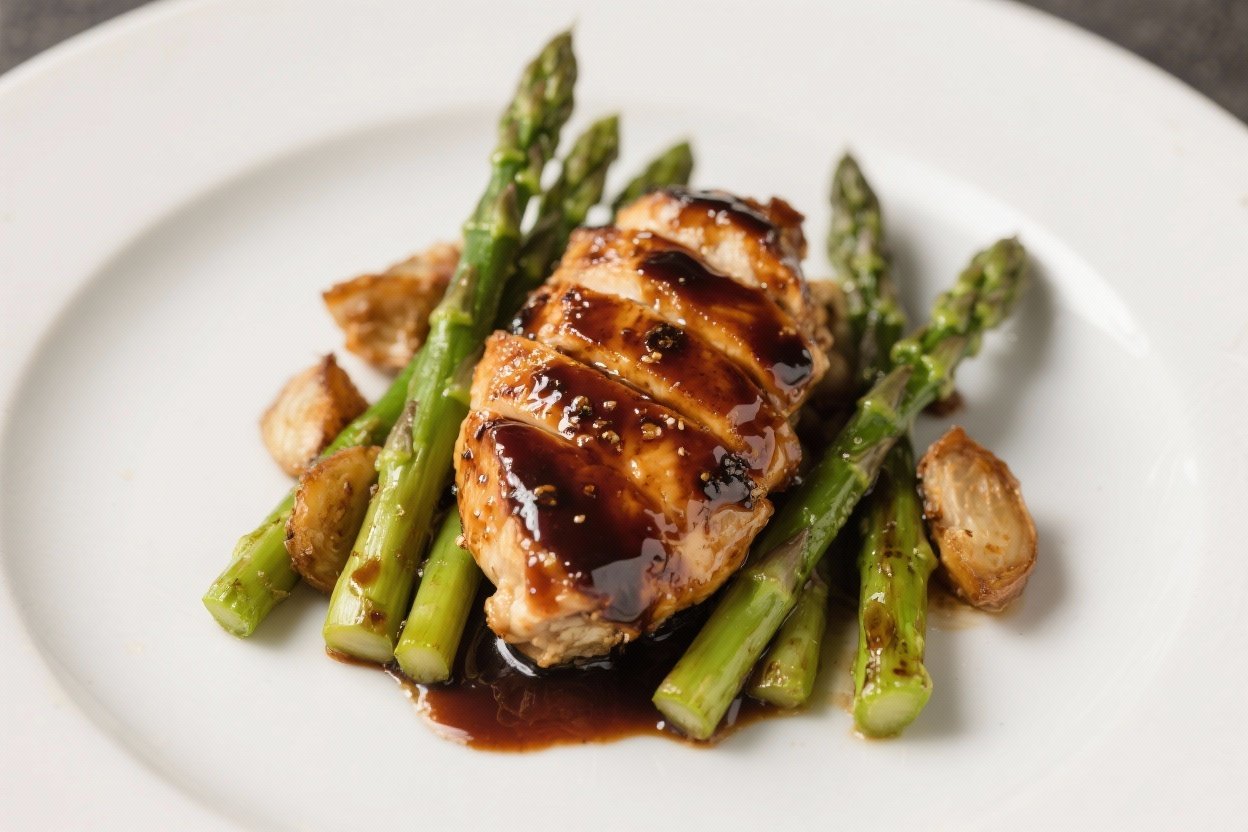
This is the kind of dinner that makes weeknights feel a little special without asking much of you. Tender chicken, bright asparagus, and a glossy balsamic glaze come together in one pan with minimal fuss. It’s quick, balanced, and big on flavor.
FREE 7-Day Easy Dinner Reset
Get 7 healthy, family-friendly dinners complete with recipes and simple meal plans delivered straight to your inbox.
The glaze is tangy-sweet with a hint of garlic, and it clings beautifully to both the chicken and the asparagus. If you’re craving a satisfying meal that’s both wholesome and easy to love, this is it.
Ingredients
Method
- Prep the chicken and asparagus. Pat the chicken dry and slice large breasts horizontally into cutlets so they cook evenly. Season both sides with salt, pepper, and Italian seasoning. Trim woody ends from the asparagus.
- Heat your pan. Warm olive oil in a large skillet over medium-high heat until it shimmers. You want it hot enough to sear but not smoke.
- Sear the chicken. Add the chicken in a single layer. Cook 4–5 minutes per side, until golden and just cooked through. Remove to a plate and tent with foil. Don’t wipe the pan—you want those browned bits.
- Sauté the asparagus. Add the asparagus to the same pan with a pinch of salt and pepper. Cook 3–4 minutes, tossing occasionally, until bright green and crisp-tender. Transfer to the plate with the chicken.
- Build the glaze. Lower the heat to medium. Add minced garlic; cook 30 seconds until fragrant. Stir in balsamic vinegar, chicken broth, honey, Dijon (if using), and red pepper flakes. Scrape the pan to release the fond.
- Reduce to syrupy. Simmer 3–5 minutes, stirring, until the glaze thickens slightly and coats a spoon. If it gets too thick, add a splash of broth. Taste and adjust sweetness or acidity.
- Finish the sauce. Stir in butter for a silky finish (optional). Return chicken to the pan, turning to coat. Nestle the asparagus back in and spoon glaze over everything. Warm through for 1–2 minutes.
- Serve. Sprinkle with chopped herbs. Add a squeeze of lemon if you like brightness. Serve with rice, mashed potatoes, polenta, or crusty bread to catch the sauce.
Why This Recipe Works

This recipe leans on a few smart moves to keep things simple and delicious. First, searing the chicken locks in juices and builds a flavorful fond at the bottom of the pan.
That browned goodness becomes the base for a rich glaze. Second, asparagus cooks quickly and stays crisp-tender, which keeps the dish fresh and bright.
Reducing balsamic vinegar with a touch of honey turns it silky and slightly syrupy. It coats every bite without being heavy.
A splash of chicken broth rounds out the acidity and helps deglaze the pan, so you get maximum flavor with minimal effort.
What You’ll Need
- 1.5 pounds boneless, skinless chicken breasts (or thighs if you prefer)
- 1 pound asparagus, trimmed
- 2 tablespoons olive oil
- 3 cloves garlic, minced
- 1/3 cup balsamic vinegar
- 1/3 cup low-sodium chicken broth (or water)
- 1–2 tablespoons honey (adjust to taste)
- 1 teaspoon Dijon mustard (optional, but adds depth)
- 1 teaspoon dried Italian seasoning (or a mix of oregano and thyme)
- 1/2 teaspoon red pepper flakes (optional, for a little heat)
- Kosher salt and freshly ground black pepper, to taste
- 1 tablespoon butter (optional, for a glossy finish)
- Fresh parsley or basil, chopped, for garnish
- Lemon wedges (optional, for serving)
How to Make It

- Prep the chicken and asparagus. Pat the chicken dry and slice large breasts horizontally into cutlets so they cook evenly. Season both sides with salt, pepper, and Italian seasoning. Trim woody ends from the asparagus.
- Heat your pan. Warm olive oil in a large skillet over medium-high heat until it shimmers.
You want it hot enough to sear but not smoke.
- Sear the chicken. Add the chicken in a single layer. Cook 4–5 minutes per side, until golden and just cooked through. Remove to a plate and tent with foil.
Don’t wipe the pan—you want those browned bits.
- Sauté the asparagus. Add the asparagus to the same pan with a pinch of salt and pepper. Cook 3–4 minutes, tossing occasionally, until bright green and crisp-tender. Transfer to the plate with the chicken.
- Build the glaze. Lower the heat to medium.
Add minced garlic; cook 30 seconds until fragrant. Stir in balsamic vinegar, chicken broth, honey, Dijon (if using), and red pepper flakes. Scrape the pan to release the fond.
- Reduce to syrupy. Simmer 3–5 minutes, stirring, until the glaze thickens slightly and coats a spoon.
If it gets too thick, add a splash of broth. Taste and adjust sweetness or acidity.
- Finish the sauce. Stir in butter for a silky finish (optional). Return chicken to the pan, turning to coat.
Nestle the asparagus back in and spoon glaze over everything. Warm through for 1–2 minutes.
- Serve. Sprinkle with chopped herbs. Add a squeeze of lemon if you like brightness.
Serve with rice, mashed potatoes, polenta, or crusty bread to catch the sauce.
How to Store
- Refrigerate: Store leftovers in an airtight container for up to 3–4 days.
- Reheat: Warm gently in a skillet over low heat with a splash of water or broth to loosen the glaze. Microwave in short bursts, stirring once.
- Freeze: The chicken freezes well for up to 2 months. Asparagus can soften after freezing, so consider eating that fresh and freezing chicken separately.
- Meal prep tip: Keep sauce on the side if you plan to reheat later.
Add glaze after reheating for better texture.
Why This is Good for You
This dish is naturally balanced. Lean chicken provides protein that keeps you full without weighing you down. Asparagus brings fiber, folate, and antioxidants, plus a dose of vitamin K.
The glaze uses balsamic vinegar, which adds big flavor so you don’t need heavy sauces. A small amount of honey rounds the acidity, and you can adjust it to your taste or dietary needs. Overall, it’s a nutrient-forward meal that still feels indulgent.
Common Mistakes to Avoid
- Overcrowding the pan: Crowding steams the chicken instead of searing it.
Cook in batches if needed.
- Skipping the pat-dry step: Moisture prevents browning. Dry the chicken before seasoning.
- Overcooking the asparagus: It should be crisp-tender, not limp. Pull it as soon as it turns bright green.
- Reducing the glaze too far: If it turns sticky or clumpy, whisk in a splash of broth to loosen.
- Under-seasoning: Salt and pepper throughout the process helps balance the sweet-tart glaze.
Alternatives
Never Wonder What's For Dinner Again
Get 7 healthy, family-friendly dinners complete with recipes, grocery lists, and simple meal plans delivered straight to your inbox.
- Protein swaps: Try boneless chicken thighs, turkey cutlets, or pork tenderloin medallions.
For seafood, shrimp cooks fast and works well—reduce the sear time.
- Veggie swaps: Green beans, broccolini, or Brussels sprouts are great. Adjust cooking time as needed.
- Sweeteners: Use maple syrup instead of honey for a deeper flavor. For less sugar, reduce the amount or skip it if your balsamic is naturally sweet.
- Glaze variations: Add a splash of soy sauce for umami, or a dash of rosemary for a woodsy note.
A bit of orange zest brings a citrus lift.
- Dairy-free: Skip the butter at the end and finish with extra olive oil.
- Low-carb serving ideas: Serve over cauliflower mash or a bed of arugula tossed with olive oil and lemon.
FAQ
Can I use regular vinegar instead of balsamic?
Not recommended. Balsamic has natural sweetness and depth. If you only have red wine vinegar, add extra honey and a splash of soy sauce to approximate the richness, but the flavor will be different.
How do I know when the chicken is cooked?
Use an instant-read thermometer. 165°F (74°C) in the thickest part means it’s done.
If you don’t have a thermometer, cut into the center—juices should run clear, and the meat should be opaque.
Can I bake this instead of using the stovetop?
Yes. Sear the chicken quickly for color, then bake at 400°F (205°C) for 8–12 minutes depending on thickness. Roast the asparagus on a sheet pan for 8–10 minutes.
Make the glaze on the stove and toss everything together at the end.
What if my glaze is too tangy?
Whisk in a bit more honey or a knob of butter. A splash of broth also helps soften sharp edges. Season with a pinch of salt to bring flavors into balance.
Can I make it ahead?
You can make the glaze up to 3 days in advance and store it in the fridge.
Cook the chicken and asparagus fresh for best texture, then warm the glaze and toss right before serving.
What’s the best pan to use?
A large stainless steel or cast-iron skillet is ideal for getting a solid sear and building fond. Nonstick works in a pinch but won’t brown as deeply.
Is this recipe kid-friendly?
Usually yes. Keep red pepper flakes low or skip them.
If your balsamic is very tart, add a little extra honey to make the glaze more mellow.
In Conclusion
Balsamic Glazed Chicken & Asparagus proves that a great dinner doesn’t have to be complicated. With a quick sear, a simple pan sauce, and a few fresh touches, you get a balanced, flavorful meal in about 30 minutes. It’s flexible, it’s reliable, and it’s easy to make your own.
Keep it in your weeknight rotation—you’ll use it again and again.
Printable Recipe Card
Want just the essential recipe details without scrolling through the article? Get our printable recipe card with just the ingredients and instructions.
Loved This Recipe?
If you're looking for more simple, healthy dinners your family will actually eat, grab my FREE 7-Day Easy Dinner Reset. You'll get 7 easy dinner recipes, simple grocery lists, and a done-for-you plan that takes the stress out of mealtime.