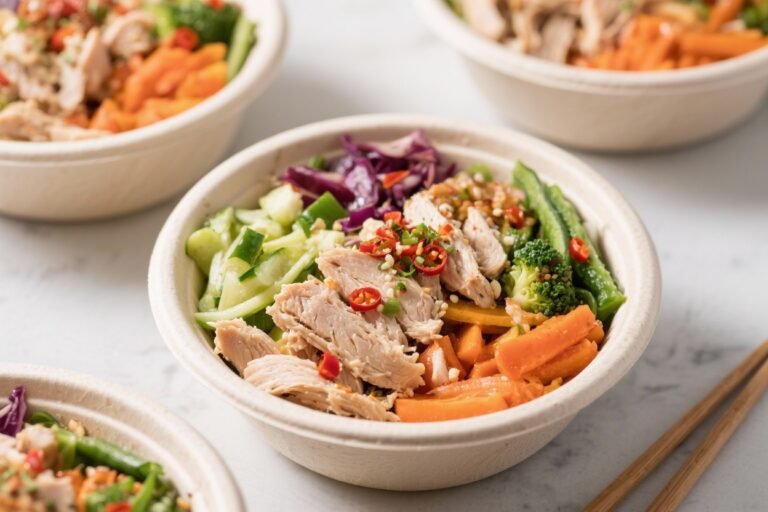
Healthy Low Calorie Cauliflower Fried Rice – A Light, Flavor-Packed Weeknight Favorite
If you’re craving takeout but want something lighter, this Healthy Low Calorie Cauliflower Fried Rice is the perfect solution. It tastes like your favorite fried rice, but it’s made with riced cauliflower for fewer calories and more veggies. The texture is satisfying, the flavors are bold, and it comes together fast.
FREE 7-Day Easy Dinner Reset
Get 7 healthy, family-friendly dinners complete with recipes and simple meal plans delivered straight to your inbox.
You can make it with basic pantry staples and whatever veggies you have on hand. It’s a flexible, budget-friendly dish you’ll want to keep on repeat.
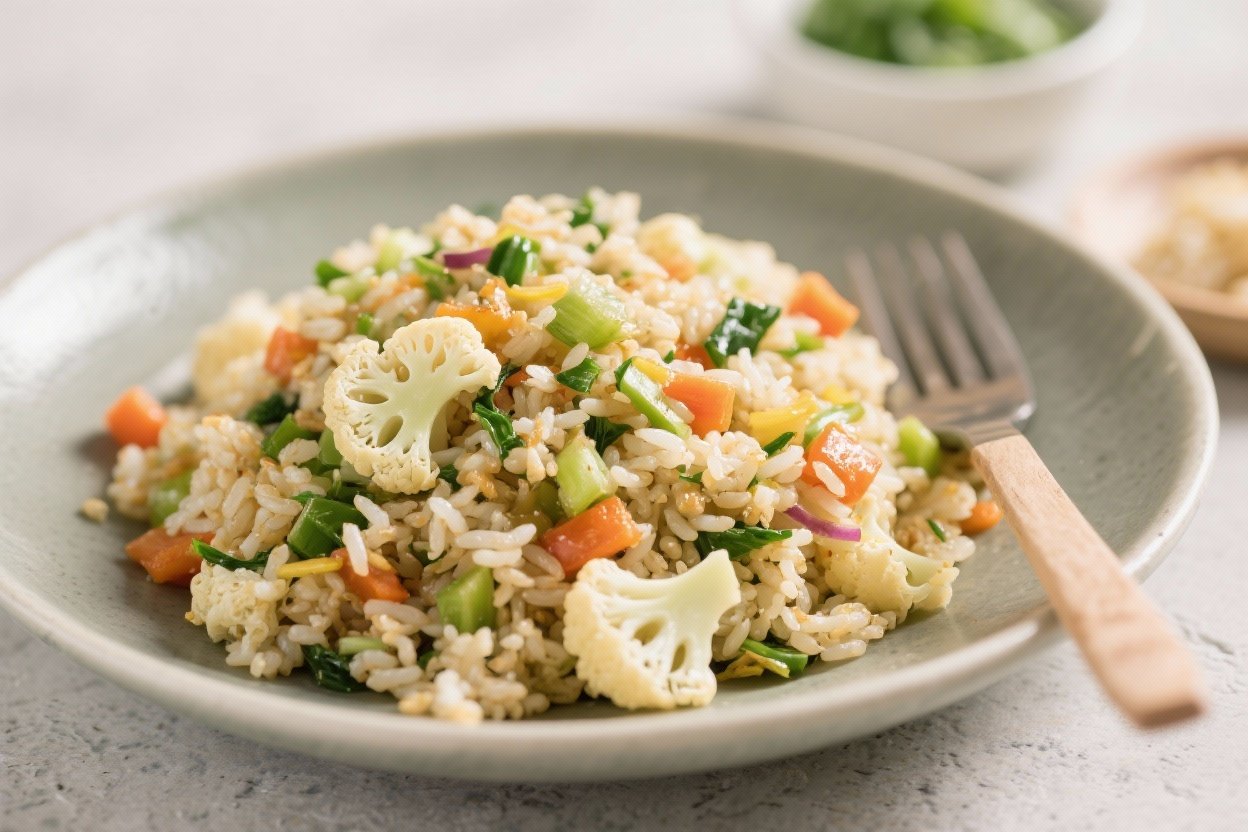
Healthy Low Calorie Cauliflower Fried Rice - A Light, Flavor-Packed Weeknight Favorite
Ingredients
Method
- Rice the cauliflower. Remove leaves and core, cut the cauliflower into florets, and pulse in a food processor until it looks like rice. Work in batches to avoid overprocessing. If using store-bought riced cauliflower, skip this step.
- Prep your aromatics. Mince the garlic and ginger, dice the onion, and slice the green onions. Keep them ready so you can cook quickly over high heat.
- Scramble the eggs. Heat a large skillet or wok over medium-high heat. Add a small splash of oil, beat the eggs, and scramble until just set. Transfer to a plate and set aside.
- Sauté the aromatics. Add the remaining neutral oil to the hot pan. Add the onion and cook 2–3 minutes until translucent. Stir in garlic and ginger; cook 30 seconds until fragrant.
- Add the veggies. Toss in the peas and carrots. Cook 2–3 minutes, stirring, until heated through. If using raw carrots, sauté a bit longer to soften.
- Cook the cauliflower rice. Add the riced cauliflower and spread it out. Let it sit for 1 minute to get some color, then stir. Cook 4–6 minutes, stirring occasionally, until tender with a slight bite. Avoid overcooking to prevent sogginess.
- Season. Add soy sauce or tamari, sesame oil, and rice vinegar if using. Taste and adjust with more soy for salt, vinegar for brightness, and sriracha for heat. Add pepper as needed.
- Add protein and eggs. Return the scrambled eggs to the pan along with any cooked protein. Fold gently to combine.
- Finish with green onions. Stir in most of the green onions, reserving some for garnish. Serve hot with an extra drizzle of sesame oil or a sprinkle of sesame seeds if you like.
Why This Recipe Works

- Cauliflower mimics rice without the heaviness, so you get that familiar fried rice feel with a fraction of the calories.
- High-heat stir-frying adds a slightly toasty, savory flavor and prevents the cauliflower from turning mushy.
- Eggs for protein make it more filling and give it classic fried rice richness without weighing it down.
- Simple seasoning—soy sauce, sesame oil, garlic, and ginger—adds big flavor with minimal effort.
- Flexible add-ins mean you can use whatever vegetables or lean proteins you like.
Shopping List
- 1 medium head of cauliflower (or 16 oz bag of pre-riced cauliflower)
- 2 large eggs
- 1 tablespoon neutral oil (avocado, canola, or light olive oil)
- 1 teaspoon toasted sesame oil
- 3 cloves garlic, minced
- 1 tablespoon fresh ginger, minced (or 1/2 teaspoon ground)
- 1 cup frozen peas and carrots mix
- 1/2 cup diced onion (yellow or white)
- 3–4 green onions, sliced
- 2–3 tablespoons low-sodium soy sauce or tamari
- 1 tablespoon rice vinegar (optional, for brightness)
- 1 teaspoon sriracha or chili-garlic sauce (optional, for heat)
- Salt and pepper, to taste
- Optional protein: 1 cup cooked chicken breast, shrimp, tofu, or edamame
How to Make It

- Rice the cauliflower. Remove leaves and core, cut the cauliflower into florets, and pulse in a food processor until it looks like rice. Work in batches to avoid overprocessing.
If using store-bought riced cauliflower, skip this step.
- Prep your aromatics. Mince the garlic and ginger, dice the onion, and slice the green onions. Keep them ready so you can cook quickly over high heat.
- Scramble the eggs. Heat a large skillet or wok over medium-high heat. Add a small splash of oil, beat the eggs, and scramble until just set.
Transfer to a plate and set aside.
- Sauté the aromatics. Add the remaining neutral oil to the hot pan. Add the onion and cook 2–3 minutes until translucent. Stir in garlic and ginger; cook 30 seconds until fragrant.
- Add the veggies. Toss in the peas and carrots.
Cook 2–3 minutes, stirring, until heated through. If using raw carrots, sauté a bit longer to soften.
- Cook the cauliflower rice. Add the riced cauliflower and spread it out. Let it sit for 1 minute to get some color, then stir.
Cook 4–6 minutes, stirring occasionally, until tender with a slight bite. Avoid overcooking to prevent sogginess.
- Season. Add soy sauce or tamari, sesame oil, and rice vinegar if using. Taste and adjust with more soy for salt, vinegar for brightness, and sriracha for heat.
Add pepper as needed.
- Add protein and eggs. Return the scrambled eggs to the pan along with any cooked protein. Fold gently to combine.
- Finish with green onions. Stir in most of the green onions, reserving some for garnish. Serve hot with an extra drizzle of sesame oil or a sprinkle of sesame seeds if you like.
Storage Instructions
- Refrigerator: Store in an airtight container for 3–4 days.
Let it cool before sealing to avoid condensation.
- Freezer: It freezes fairly well. Portion into freezer-safe containers or bags and freeze up to 2 months. Reheat from frozen in a covered skillet over medium heat.
- Reheating: Use a hot skillet to keep the texture lively.
Add a splash of water or broth if it seems dry, and finish with a little soy sauce or sesame oil to refresh the flavor.
Benefits of This Recipe
- Low calorie and nutrient-dense: Cauliflower is high in fiber and vitamins C and K, with far fewer calories than rice.
- Quick and easy: Ready in about 20 minutes, especially if you use pre-riced cauliflower and frozen veggies.
- High in protein when you add eggs and lean protein: Keeps you full longer and supports balanced meals.
- Gluten-free friendly: Use tamari or coconut aminos to keep it gluten-free.
- Versatile: Works with almost any vegetable or protein you have on hand.
What Not to Do
- Don’t overprocess the cauliflower. Too fine and it turns into mash. Stop when you see small rice-like bits.
- Don’t overcrowd the pan. If your skillet is small, cook in batches so the “rice” can sauté, not steam.
- Don’t skip high heat. A hot pan helps develop flavor and prevents sogginess.
- Don’t add too much soy sauce at once. It can make the dish salty and watery. Add gradually and taste.
- Don’t cook it to death. Cauliflower should be tender but still have a little bite.
Variations You Can Try
- Chicken or turkey: Stir in diced cooked chicken or leftover turkey for a hearty, lean option.
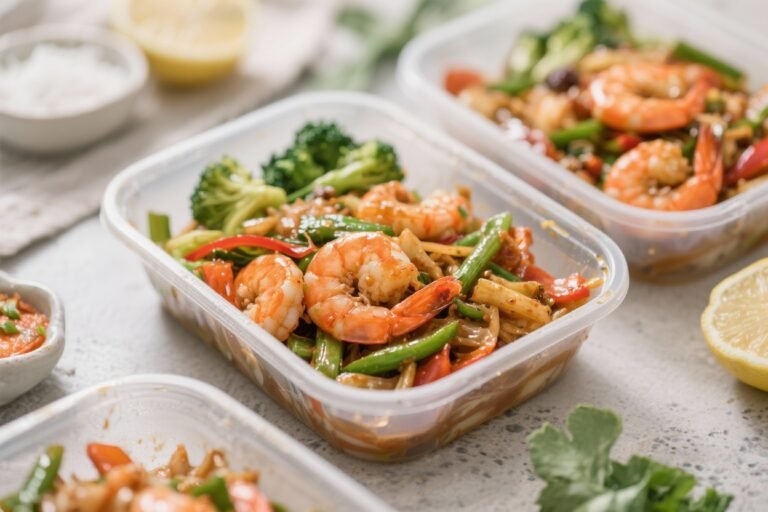
- Shrimp: Sauté raw shrimp first until pink, remove, then add back at the end.
- Tofu or edamame: For a meatless boost, add crispy tofu cubes or shelled edamame.
- Kimchi fried “rice”: Add chopped kimchi and a splash of kimchi juice for tangy heat.
- Pineapple and ham: For a sweet-savory twist, use diced pineapple and lean ham.
- Garlic chili: Add extra garlic, chili flakes, and a spoon of chili crisp for bold flavor.
- Miso sesame: Whisk a teaspoon of white miso with a splash of warm water and stir in with sesame oil.
- Vegetable overload: Add bell peppers, mushrooms, zucchini, or spinach to make it extra veggie-forward.
FAQ
Can I use frozen riced cauliflower?
Yes.
Never Wonder What's For Dinner Again
Get 7 healthy, family-friendly dinners complete with recipes, grocery lists, and simple meal plans delivered straight to your inbox.
Frozen riced cauliflower works great. Don’t thaw fully; add it to a hot pan and cook off the moisture. You may need an extra minute or two to evaporate excess water.
How do I keep it from turning mushy?
Use a large, hot pan; don’t crowd it; and avoid overcooking.
Let the cauliflower sit briefly to get a bit of color before stirring. Add sauces gradually to prevent excess moisture.
Is this recipe keto or low-carb?
It’s naturally low-carb. Use tamari or coconut aminos if you’re watching ingredients, and keep add-ins like pineapple minimal if you’re strict keto.
What can I substitute for soy sauce?
Use tamari for gluten-free, coconut aminos for a slightly sweeter, lower-sodium option, or a mix of fish sauce and water for a deeper umami note.
Adjust salt to taste.
Can I make it without eggs?
Absolutely. Skip the eggs and add tofu, edamame, or extra veggies for bulk. A sprinkle of nutritional yeast can add a savory note if you miss the richness.
How many calories are in a serving?
Exact calories depend on your add-ins.
A basic version with eggs and veggies typically lands around 120–180 calories per cup. Adding lean protein will increase the count but also the satiety.
Do I need a wok?
A wok is nice but not required. A large nonstick or stainless steel skillet works well.
The key is high heat and enough space.
Can I make it ahead?
Yes. Cook it, cool it quickly, and store in the fridge. Reheat in a hot skillet and refresh with a splash of soy sauce or sesame oil right before serving.
In Conclusion
Healthy Low Calorie Cauliflower Fried Rice delivers the comfort of takeout with none of the heaviness.
It’s fast, flexible, and loaded with flavor, making it perfect for weeknights or meal prep. With a few pantry staples and a hot pan, you’ll have a satisfying bowl that fits your goals and tastes great. Keep this one in your rotation—you’ll never miss the regular rice.
Printable Recipe Card
Want just the essential recipe details without scrolling through the article? Get our printable recipe card with just the ingredients and instructions.
Loved This Recipe?
If you're looking for more simple, healthy dinners your family will actually eat, grab my FREE 7-Day Easy Dinner Reset. You'll get 7 easy dinner recipes, simple grocery lists, and a done-for-you plan that takes the stress out of mealtime.