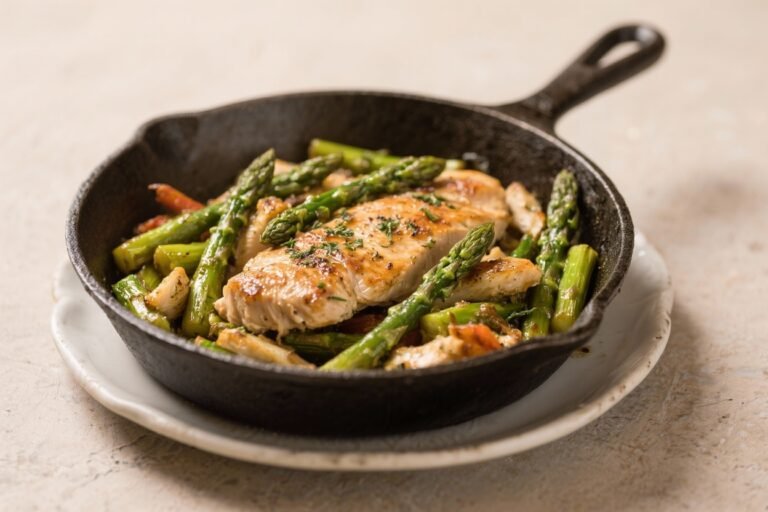
Balsamic Glazed Chicken – Sweet, Savory, and Weeknight Easy
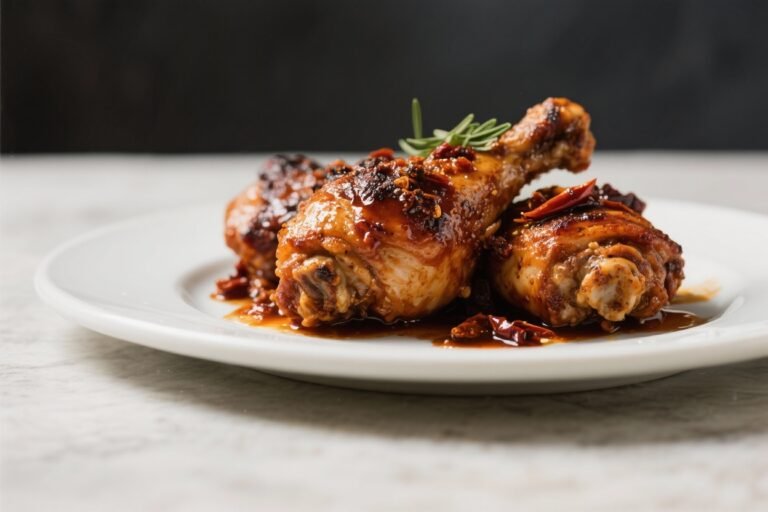
Balsamic glazed chicken delivers that perfect mix of tangy, sweet, and savory in a way that tastes special but feels effortless. The glaze reduces into a glossy coating that clings to juicy chicken, and it all comes together in one pan. This is the kind of dinner that makes the kitchen smell amazing and pairs well with almost anything.
Whether you’re cooking for a busy weeknight or a relaxed weekend, it hits the spot without a lot of fuss.

Ingredients
Method
- Pat and season. Pat the chicken dry on both sides. Season with salt and pepper. Dry chicken sears better and builds a deeper crust.
- Whisk the glaze. In a small bowl, mix balsamic vinegar, honey, Dijon, garlic, and broth. Taste and adjust honey for sweetness and vinegar for tang.
- Heat the pan. Set a large skillet over medium-high heat. Add olive oil and let it shimmer. You want it hot enough to sizzle on contact.
- Sear the chicken. Add chicken in a single layer. Don’t crowd. Sear 4–6 minutes per side, until well browned and cooked through (165°F/74°C). Transfer to a plate and tent loosely with foil.
- Deglaze and reduce. Lower heat to medium. Pour in the glaze mixture. Scrape up browned bits with a wooden spoon. Simmer 3–5 minutes until slightly thick and glossy.
- Finish the sauce. Stir in butter (if using) for a velvety texture. Add thyme or rosemary and a pinch of red pepper flakes, if you like a little warmth.
- Coat the chicken. Return chicken to the pan and turn to coat. Simmer 1–2 minutes to heat through and lacquer the surface. If the sauce gets too thick, add a splash of water.
- Brighten and serve. Squeeze a little lemon over the top to lift the flavors. Serve with the extra glaze spooned over the chicken.
Overeating is a pattern. This helps you fix that problem. A quick reset for cravings, snacking, and “I’ll start tomorrow” moments.
Built for busy home cooks who want real-life structure. Simple steps that fit meal prep, family dinners, and late-night snack attacks.
Why This Recipe Works

The magic of this dish comes from balance. Balsamic vinegar adds brightness and depth, while honey brings out a gentle sweetness that softens the vinegar’s bite. A touch of garlic and Dijon builds savory body, and reducing the mixture creates a rich glaze that sticks to the chicken. Searing the chicken first locks in juices and gives you browned bits in the pan that melt into the sauce.
It’s simple technique, big flavor.
What You’ll Need
- Chicken: 4 boneless, skinless chicken breasts (or 6–8 thighs)
- Salt and pepper: To season generously
- Olive oil: 2 tablespoons, for searing
- Balsamic vinegar: 1/2 cup
- Honey: 2–3 tablespoons (adjust to taste)
- Dijon mustard: 1 tablespoon
- Garlic: 3 cloves, minced
- Low-sodium chicken broth or water: 1/4 cup
- Butter: 1 tablespoon (optional, for a silkier finish)
- Fresh thyme or rosemary: 1–2 teaspoons, chopped (optional)
- Red pepper flakes: A pinch, for gentle heat (optional)
- Lemon: 1/2, for a squeeze at the end (optional)
How to Make It

- Pat and season. Pat the chicken dry on both sides. Season with salt and pepper. Dry chicken sears better and builds a deeper crust.
- Whisk the glaze. In a small bowl, mix balsamic vinegar, honey, Dijon, garlic, and broth.
Taste and adjust honey for sweetness and vinegar for tang.
- Heat the pan. Set a large skillet over medium-high heat. Add olive oil and let it shimmer. You want it hot enough to sizzle on contact.
- Sear the chicken. Add chicken in a single layer.
Don’t crowd. Sear 4–6 minutes per side, until well browned and cooked through (165°F/74°C). Transfer to a plate and tent loosely with foil.
- Deglaze and reduce. Lower heat to medium.
Pour in the glaze mixture. Scrape up browned bits with a wooden spoon. Simmer 3–5 minutes until slightly thick and glossy.
- Finish the sauce. Stir in butter (if using) for a velvety texture.
Add thyme or rosemary and a pinch of red pepper flakes, if you like a little warmth.
- Coat the chicken. Return chicken to the pan and turn to coat. Simmer 1–2 minutes to heat through and lacquer the surface. If the sauce gets too thick, add a splash of water.
- Brighten and serve. Squeeze a little lemon over the top to lift the flavors.
Serve with the extra glaze spooned over the chicken.
How to Store
- Refrigerate: Cool completely, then store in an airtight container for up to 4 days.
- Freeze: Freeze in portions with sauce for up to 3 months. Thaw overnight in the fridge.
- Reheat: Warm gently in a skillet over low heat with a splash of water or broth until heated through. Avoid high heat to prevent the glaze from burning.

Health Benefits
Chicken breast is a lean protein that supports muscle maintenance and keeps you full. Balsamic vinegar brings antioxidants and big flavor with minimal calories.
Because the glaze relies on vinegar and a modest amount of honey, it avoids the heavy creams and sauces that add saturated fat. You can also use low-sodium broth and control salt to keep it heart-friendly. Pair with vegetables and whole grains for a balanced, nutrient-dense meal.
Common Mistakes to Avoid
- Overcrowding the pan: This steams the chicken and prevents browning.
Cook in batches if needed.
- Undercooking or overcooking: Use an instant-read thermometer and aim for 165°F/74°C at the thickest point.
- Reducing the glaze too fast: High heat can scorch the sugars. Simmer over medium heat and watch closely.
- Skipping the fond: Those browned bits are flavor gold. Scrape them into the sauce.
- Too sweet or too tart: Taste the glaze before reducing.
Adjust honey or vinegar so it’s balanced.
Variations You Can Try
- Herb-forward: Add a handful of chopped fresh basil at the end for a bright, aromatic finish.
- Garlic lovers: Increase garlic to 5–6 cloves and gently sauté it for 30 seconds before adding the liquids.
- Maple twist: Swap honey for pure maple syrup for a deeper, caramel-like sweetness.
- Citrus lift: Stir in orange zest and a splash of orange juice with the glaze for a fruity note.
- Spicy-sweet: Add a teaspoon of Calabrian chili paste or extra red pepper flakes for heat.
- Thighs or bone-in: Use chicken thighs for extra juiciness. If bone-in, sear, then finish in a 375°F (190°C) oven until done, and glaze on the stovetop.
- Grill option: Grill the chicken and finish with reduced balsamic glaze warmed on the side for smoky flavor.
FAQ
Can I use balsamic glaze from a bottle instead of making my own?
Yes, but bottled glazes vary in sweetness and thickness. Start with a small amount, warm it in the pan, and thin with a splash of water or broth as needed.
Taste and adjust so it doesn’t overpower the chicken.
What sides go well with balsamic glazed chicken?
It pairs well with roasted potatoes, mashed cauliflower, garlic green beans, sautéed spinach, or a simple arugula salad. For grains, try farro, quinoa, or herbed rice to soak up the sauce.
How do I keep the chicken juicy?
Don’t overcook it, and let it rest briefly after searing. You can also pound the breasts to even thickness for more consistent cooking.
Finishing in the sauce helps keep moisture locked in.
Is there a dairy-free version?
Yes. Skip the butter in the sauce or use a dairy-free alternative. The glaze will still thicken and shine without it.
Can I make it ahead?
You can mix the glaze and store it in the fridge for up to 3 days.
Sear and cook the chicken fresh, then reduce the glaze and finish the dish right before serving for best texture.
What kind of balsamic vinegar should I use?
Use a mid-range balsamic that tastes smooth and slightly sweet. Ultra-cheap vinegars can be harsh; ultra-aged (and pricey) balsamic is best saved for drizzling. Something balanced in the middle works perfectly for cooking.
How do I thicken the glaze if it’s too thin?
Keep simmering until it reduces and coats the back of a spoon.
If you need a quick fix, stir in a small slurry of cornstarch and water (about 1/2 teaspoon cornstarch) and simmer briefly.
Can I make this in the oven?
Yes. Sear the chicken on the stovetop, then bake at 375°F (190°C) until it reaches 165°F (74°C). Reduce the glaze on the stove and toss the cooked chicken in it before serving.
Does this recipe work with skin-on chicken?
It does.
Sear skin-side down until crisp, finish cooking in the oven, then glaze at the end. Keep the pan temperature moderate to avoid burning the sugars on the skin.
How spicy is it with red pepper flakes?
Just a gentle kick. If you want more heat, add more flakes or a small spoon of chili paste.
If you prefer mild, leave them out entirely.
Final Thoughts
Balsamic glazed chicken is a reliable, crowd-pleasing recipe that tastes like you fussed when you didn’t. A few pantry staples come together into a glossy, savory-sweet sauce that flatters juicy chicken every time. Keep the technique simple, taste as you go, and let the glaze do the work.
Serve it with your favorite sides, and you’ve got a meal that fits any night of the week.
Printable Recipe Card
Want just the essential recipe details without scrolling through the article? Get our printable recipe card with just the ingredients and instructions.