Creamy Dijon Chicken
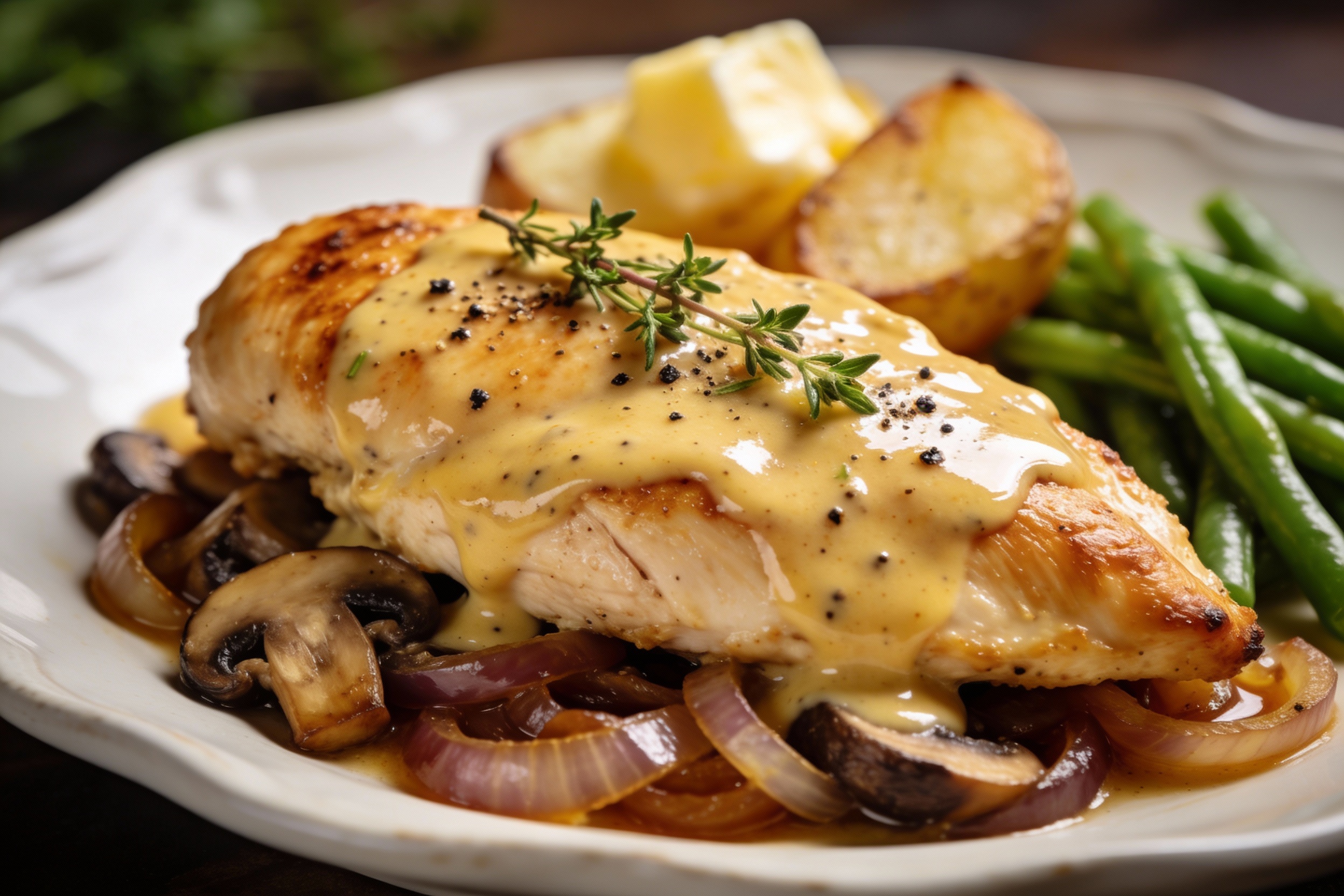
Creamy Dijon Chicken doesn’t ask for your entire evening, your life savings, or your undivided attention. It just wants a hot pan, a spoonful of good mustard, and 30 minutes tops. You get restaurant vibes from a weeknight effort, and honestly, that’s the kind of math I’ll always approve. Ready to make chicken that actually tastes like something?
Why Creamy Dijon Chicken Just Works
This dish wins because it hits every craving: savory, tangy, rich, and comforting without feeling heavy. The Dijon cuts through the cream like that friend who always tells the truth, so you get balance instead of a butter bomb. I love it because it feels fancy but uses stuff you probably already have.
Also, you can plate it over anything—mashed potatoes, rice, pasta, or a pile of garlicky greens. One pan, big flavor, minimal dishes. FYI, I’ll choose that scenario every time.
Overeating is a pattern. This helps you fix that problem. A quick reset for cravings, snacking, and “I’ll start tomorrow” moments.
Built for busy home cooks who want real-life structure. Simple steps that fit meal prep, family dinners, and late-night snack attacks.
Ingredients That Make the Magic
Keep it simple, keep it bold. Here’s the ideal lineup:
- Chicken: Boneless, skinless breasts or thighs. Thighs bring more flavor; breasts cook faster.
- Dijon mustard: The star. Choose a smooth, sharp one. Grey Poupon or a similar style works great.
- Heavy cream: For silky richness. You can swap with half-and-half, but the sauce won’t thicken as nicely.
- Chicken stock: Adds depth and keeps things from tasting flat.
- Shallot or onion: Mild sweetness to round out the tang.
- Garlic: Because obviously.
- Butter + olive oil: The dream team for searing and flavor.
- White wine (optional but recommended): Adds brightness and complexity.
- Herbs: Thyme or tarragon if you want French elegance; parsley for a fresh finish.
- Seasoning: Kosher salt, black pepper, a pinch of paprika if you like warmth.
Smart Substitutions
- No cream? Use crème fraîche or full-fat coconut milk for a dairy-free twist.
- No wine? Use extra stock plus a splash of apple cider vinegar or lemon juice at the end for brightness.
- No Dijon? Use whole-grain mustard for texture, but keep at least some Dijon for that signature zing.
Step-by-Step: From Sear to Sauce
Here’s the move, and it’s straightforward:
- Prep the chicken: Pat dry. Season generously with salt, pepper, and a little paprika. Thin breasts? Great. Thick ones? Slice into cutlets for faster, even cooking.
- Sear like you mean it: Heat oil and a bit of butter in a skillet over medium-high. Sear chicken 3-4 minutes per side until golden. Remove and set aside.
- Build the flavor base: Lower heat to medium. Add shallot and garlic. Cook 1-2 minutes until fragrant. Don’t burn the garlic—no one wants bitterness.
- Deglaze: Add white wine (or stock). Scrape up the browned bits. That’s your flavor jackpot.
- Make the sauce: Stir in Dijon and a splash of stock. Whisk in heavy cream. Simmer gently until it thickens slightly, 3-5 minutes.
- Finish it: Add chicken back in with any juices. Simmer 3-4 minutes to cook through. Stir in herbs. Taste and adjust salt, pepper, and mustard.
Pro Tips for Saucy Success
- Don’t boil the cream hard. Gentle simmer keeps it silky, not grainy.
- Season in layers. Salt the chicken, taste the sauce, adjust at the end.
- Use enough mustard. If it tastes shy, add another spoonful. Dijon should lead, not whisper.
Flavor Boosters You’ll Actually Use
Want to push it into “I made this?!” territory? Try these:
- Grainy mustard swirl: A teaspoon at the end adds texture and pop.
- Tarragon magic: Slightly anise-y, very French. Use sparingly—strong stuff!
- Lemon zest: Brightens everything without thinning the sauce.
- Mushrooms: Sauté before the shallots for extra umami.
- Capers: Briny surprise that plays great with Dijon.
Heat Levels, Balanced
If you want warmth, add a pinch of crushed red pepper or a dab of harissa. Keep it small—this dish thrives on tangy richness, not a chili inferno. IMO, subtle heat works best.
What to Serve It With (A.K.A. The Fun Part)
This sauce deserves carbs. Choose your fighter:
- Mashed potatoes: Classic and cozy.
- Butter noodles or tagliatelle: Twirl the sauce like you mean it.
- Rice or quinoa: For a lighter base that still soaks it up.
- Roasted vegetables: Broccoli, asparagus, or carrots handle the richness like pros.
- Crusty bread: For mopping up every last drop. Non-negotiable, IMO.

Make-Ahead, Leftovers, and Reheating
You can cook the chicken and sauce ahead, but the texture shines brightest fresh. If you want to plan:
- Meal prep: Sear chicken and prep aromatics in advance. Finish the sauce right before serving.
- Leftovers: Store in the fridge for up to 3 days.
- Reheat gently: Low heat on the stove with a splash of stock or water. Avoid boiling, or the sauce can split.
Freezer Notes
Cream sauces don’t freeze perfectly—expect slight separation. If you do freeze, reheat slowly and whisk in a spoon of cream or crème fraîche to bring it back together. Not ideal, but workable.
Lightened-Up and Dairy-Free Options
If you want a lighter spin, it’s doable without sacrificing soul:
- Half-and-half + cornstarch: Use half-and-half and thicken with a cornstarch slurry.
- Greek yogurt finish: Off the heat, whisk in Greek yogurt for tang and creaminess. Add slowly to prevent curdling.
- Dairy-free: Use full-fat coconut milk and extra Dijon. Finish with lemon to balance the slight sweetness.
Frequently Asked Questions
Can I use bone-in chicken?
Yes, but adjust the method. Sear the bone-in pieces until deeply golden, then finish in a 375°F (190°C) oven until cooked through. Make the sauce in the same pan while the chicken rests, then nestle it back in. Extra time, extra flavor.
What’s the difference between Dijon and yellow mustard here?
Dijon brings heat, tang, and complexity. Yellow mustard tastes sweeter and flatter, and it will make the sauce taste like a hot dog festival. For this dish, use Dijon. If you must blend, keep yellow mustard under 25% of the total.
How do I prevent the sauce from breaking?
Keep the heat moderate, avoid boiling after adding cream, and don’t rush. If it looks like it’s separating, whisk in a splash of cold cream or a knob of butter off heat to emulsify. Patience > panic.
Can I make it gluten-free?
Totally. This sauce doesn’t need flour. Just ensure your stock and mustard are certified gluten-free. Serve with rice, polenta, or GF pasta, and you’re set.
What wine pairs well with Creamy Dijon Chicken?
Go for a crisp white with acidity: Sauvignon Blanc, Chablis, or a dry Riesling. They cut the richness and echo the tang. If you’re a red-only person, try a light Pinot Noir.
Will kids like this?
Usually yes, especially if you go lighter on the mustard. Start with one tablespoon, taste, and build. Bread on the side for dipping tends to win small hearts and minds.
Conclusion
Creamy Dijon Chicken gives you big, confident flavor without the stress. You sear, you whisk, you simmer, and dinner hits the table with serious swagger. Keep Dijon on hand, trust the simmer, and don’t forget the bread—because that sauce won’t mop itself. FYI, once you make it, you’ll “accidentally” make it again next week.