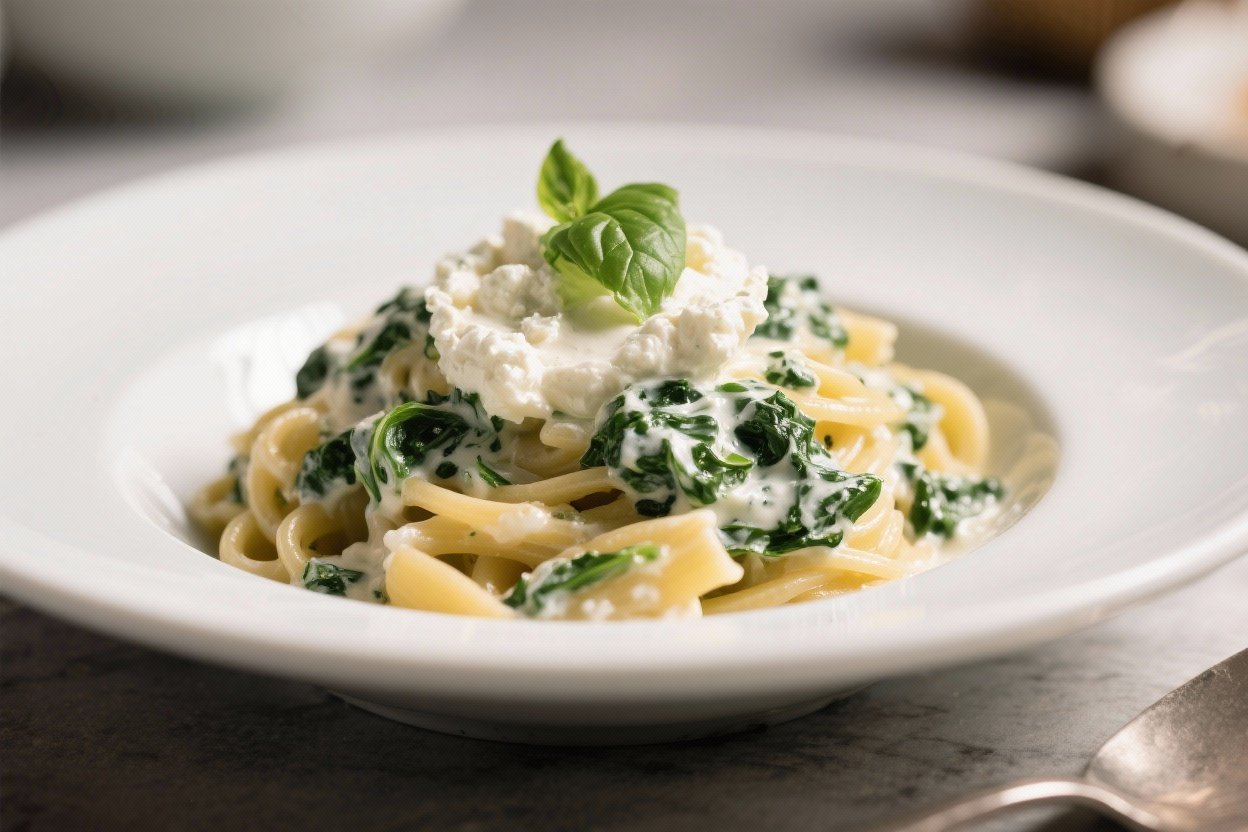
Creamy Spinach and Ricotta Pasta That Tastes Like a Cheat Meal (But Isn’t)
You want a pasta that feels like a weekend splurge but fits a Tuesday night schedule. This Creamy Spinach and Ricotta Pasta delivers rich, silky sauce, bright greens, and serious comfort—without a culinary degree or a sink full of dishes. It’s fast, it’s satisfying, and it’s the kind of meal that makes you forget takeout even exists.
The secret? A few strategic ingredients, a quick technique, and the confidence to salt your pasta water like you mean it. Ready to upgrade dinner in 20 minutes flat?
Overeating is a pattern. This helps you fix that problem. A quick reset for cravings, snacking, and “I’ll start tomorrow” moments.
Built for busy home cooks who want real-life structure. Simple steps that fit meal prep, family dinners, and late-night snack attacks.
Why This Recipe Works

Ricotta + pasta water = instant luxury. The starch in the pasta water emulsifies with ricotta and olive oil to create a velvety sauce without heavy cream.
Spinach wilts on contact. Tossing it at the end preserves color, texture, and nutrients—no soggy greens drama.
Layered flavor, minimal effort. Garlic, lemon zest, and nutmeg add depth fast, while Parmesan brings the salty umami punch that ties it all together.
Customizable base. This recipe loves upgrades: chicken, mushrooms, sundried tomatoes, or chili flakes—the sauce plays nice with pretty much anything.
Ingredients Breakdown
- Pasta: 12 oz short shapes like rigatoni, penne, or orecchiette.
Their nooks hold creamy sauce better than long noodles.
- Ricotta cheese: 1 cup whole-milk ricotta for richness. Skim works in a pinch but won’t be as silky.
- Fresh spinach: 5–6 cups (about 5 oz). Baby spinach wilts quickly; regular works if chopped.
- Parmesan cheese: 1/2 cup finely grated for flavor and body.
- Olive oil: 2 tablespoons to bloom garlic and add gloss.
- Garlic: 3 cloves, finely minced.
More if your heart says so.
- Lemon: Zest of 1 lemon + 1–2 teaspoons juice for brightness.
- Nutmeg: A pinch, freshly grated if possible, for warmth (trust the Italians on this one).
- Red pepper flakes: 1/4 teaspoon for gentle heat (optional but recommended).
- Sea salt & black pepper: To taste. Salt the pasta water generously—like the ocean, not a puddle.
- Pasta water: Reserve 1–1.5 cups to build the sauce.
- Optional add-ins: 1 cup peas, sautéed mushrooms, cooked chicken, crispy pancetta, or sundried tomatoes.
Step-by-Step Instructions

- Boil the pasta. Bring a large pot of well-salted water to a rolling boil. Cook pasta until just shy of al dente (1 minute less than the package suggests).
Scoop out 1–1.5 cups of pasta water before draining.
- Start the flavor base. In a large skillet or pot, warm olive oil over medium heat. Add garlic and red pepper flakes; cook 30–60 seconds until fragrant. Don’t brown the garlic unless you enjoy bitterness (you don’t).
- Build the creaminess. Lower the heat.
Add ricotta, 1/2 cup pasta water, lemon zest, and nutmeg. Stir until smooth and glossy. If it looks thick or grainy, add more pasta water, a splash at a time, to loosen.
- Marry the sauce and pasta. Add drained pasta directly into the ricotta mixture.
Toss to coat over low heat, adding pasta water as needed for a silky sauce that clings.
- Cheese and greens. Stir in Parmesan until melted and emulsified. Add spinach in handfuls, tossing until just wilted, 30–60 seconds. Finish with lemon juice and black pepper.
- Taste and adjust. Check salt and acidity.
If it tastes flat, more salt or lemon. If it feels thick, a bit more pasta water. You’re the boss here.
- Optional upgrades. Fold in peas, sautéed mushrooms, shredded rotisserie chicken, or crispy pancetta.
Keep the sauce moving so nothing clumps.
- Serve immediately. Top with extra Parmesan, cracked pepper, and a drizzle of olive oil. If you’re fancy, add lemon zest or basil.
Storage Instructions
- Fridge: Store in an airtight container for up to 3 days. The sauce will thicken; that’s normal.
- Reheat: Warm gently on the stove with a splash of water or milk to bring the sauce back to life.
Microwave in short bursts, stirring between rounds.
- Freezer: Not ideal. Ricotta can become grainy after freezing. If you must, freeze up to 1 month and thaw slowly in the fridge before reheating with extra liquid.
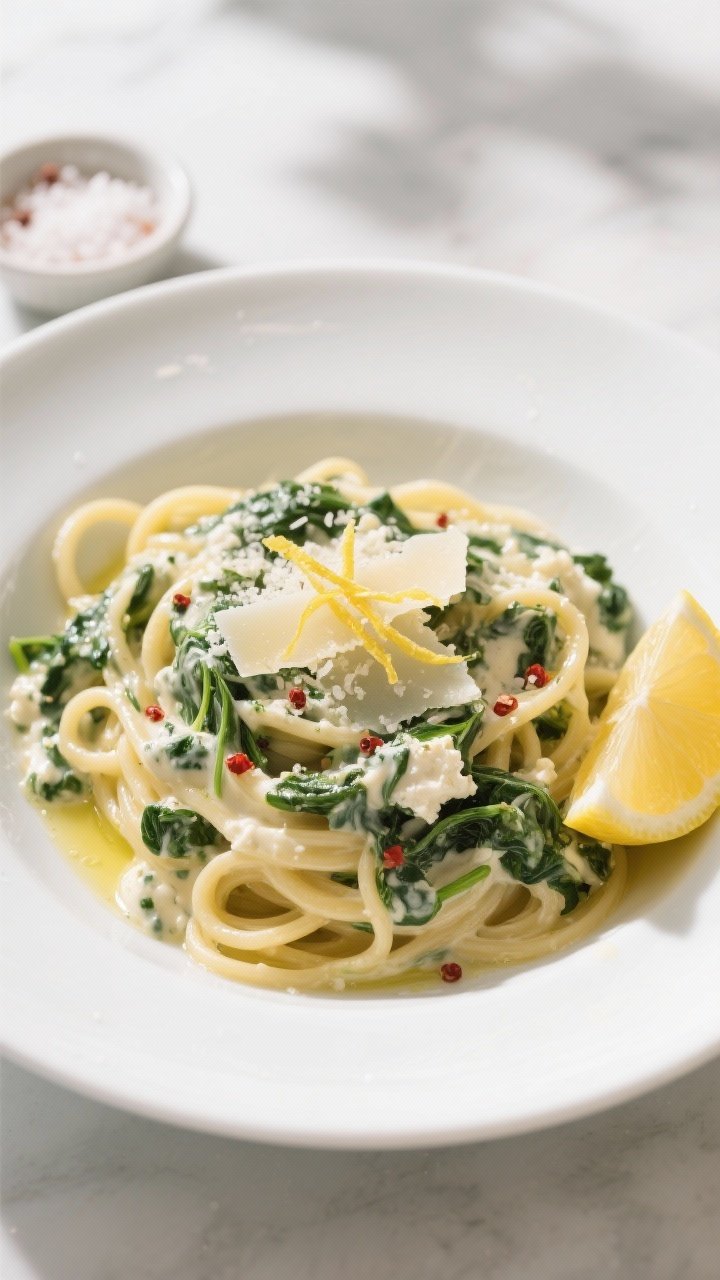
Health Benefits
- Protein boost: Ricotta and Parmesan add high-quality dairy protein, keeping you full without a meat-heavy plate.
- Leafy greens win: Spinach delivers iron, folate, vitamin K, and antioxidants with minimal calories.
It’s the stealth health move in your bowl.
- Better fats: Olive oil provides heart-friendly monounsaturated fats and helps absorb fat-soluble vitamins from spinach.
- Smart carbs: Pairing pasta with protein and fat slows digestion, helping avoid the “carb crash.” Whole-wheat pasta? Even better for fiber.
Avoid These Mistakes
- Under-salting the water. Bland pasta ruins everything. The water should taste like the sea.
- Boiling the ricotta. High heat splits dairy.
Keep the sauce low and gentle; let the pasta water do the smoothing.
- Adding spinach too early. Overcooked greens turn drab and watery. Wilt at the end for bright color and better texture.
- Skipping the lemon. Acid wakes up creamy sauces. Without it, the dish can taste heavy and one-note.
- Forgetting to reserve pasta water. It’s the magic.
No starch, no sauce. Set a mug next to the pot as a reminder—pro move.
Different Ways to Make This
- Garlic-herb version: Add chopped basil, parsley, and chives at the end for a green, fresh finish.
- Mushroom umami: Sauté sliced cremini or shiitake with thyme until browned, then fold into the sauce.
- Lemon-pea primavera: Add 1 cup peas to the pasta pot in the last 2 minutes of cooking. Extra zest on top for brightness.
- Spicy Calabrian twist: Stir in 1–2 teaspoons Calabrian chili paste for smoky heat.
IMO, this slaps.
- Meaty upgrade: Crisp pancetta or bacon first, then use the drippings with olive oil to cook the garlic. Hello, depth.
- Gluten-free friendly: Use sturdy GF pasta (like brown rice or chickpea) and watch the cook time closely to avoid mush.
- Lactose-lighter: Swap in lactose-free ricotta and Parmesan or try part-skim ricotta with extra olive oil for texture.
FAQ
Can I use frozen spinach?
Yes. Thaw it completely and squeeze out excess water with a towel.
Add it when you’d add the fresh spinach, and warm through. You’ll get a slightly denser spinach flavor—still great.
What if I don’t have ricotta?
Cottage cheese blended until smooth works surprisingly well. You can also use mascarpone for a richer finish or a mix of Greek yogurt and Parmesan for tang (add gently off heat to avoid curdling).
How do I keep the sauce from getting grainy?
Control the temperature.
Keep the heat low, add pasta water gradually, and stir in Parmesan off heat or on low. Grainy usually means too hot or too dry.
Which pasta shape is best?
Short, ridged shapes like rigatoni, penne, or casarecce hold the sauce best. If using long pasta, go for fettuccine or tagliatelle and loosen the sauce a bit more.
Can I make it ahead?
Cook the pasta and sauce separately.
Reheat the sauce with a splash of water, then toss with freshly warmed pasta. For meal prep, keep a little extra pasta water or milk handy when reheating.
How do I make it more “grown-up” for guests?
Add sautéed mushrooms, crispy prosciutto, toasted pine nuts, and a squeeze of lemon to finish. Plate with extra Parmesan, cracked pepper, and a thread of good olive oil.
Fancy without trying too hard—win.
In Conclusion
Creamy Spinach and Ricotta Pasta is the midweek hero: fast, luscious, and borderline addictive. It nails that comfort-food vibe while sneaking in greens and protein, and it’s endlessly customizable. Keep pasta water, lemon, and good ricotta in your corner, and you’ll look like a kitchen wizard with minimal effort.
FYI, once this enters your dinner rotation, your takeout app might start to feel neglected—and that’s a good problem to have.
Printable Recipe Card
Want just the essential recipe details without scrolling through the article? Get our printable recipe card with just the ingredients and instructions.