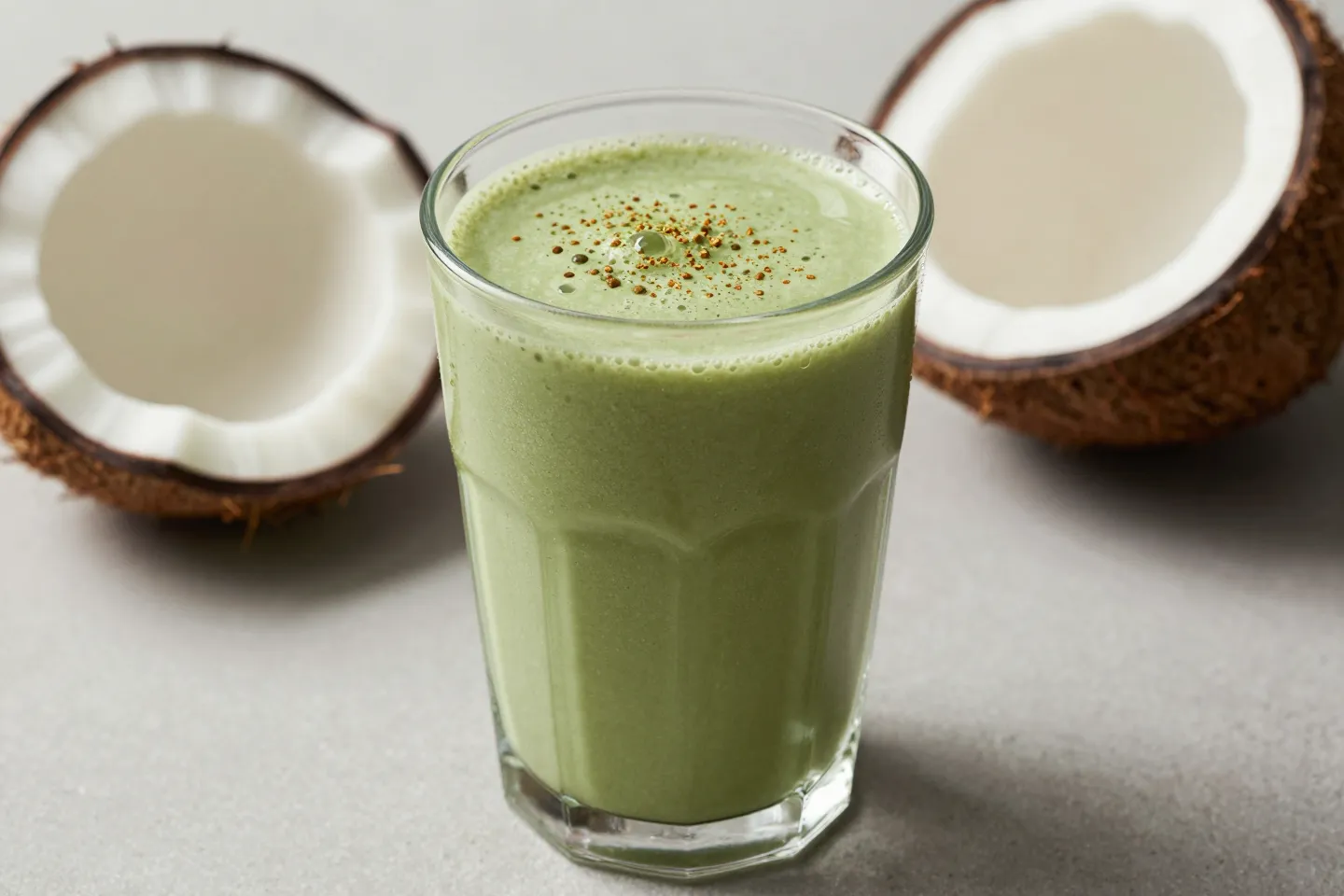
Energy-Enhancing Matcha Coconut Smoothie
You want energy that actually lasts and doesn’t crash your afternoon into a faceplant? Meet the matcha coconut smoothie. It’s creamy, vibey, and gives you that focused buzz without the jitters. No chalky protein shake vibes here—just a bright, tropical lift that makes you feel like a productive beach person, even if you’re glued to your laptop.
Why Matcha + Coconut Works (Like, Really Works)
Matcha carries caffeine, but it pairs with L-theanine, a compound that smooths out the ride. You get calm focus instead of a shaky sprint. It’s like espresso with a therapist.
Coconut brings medium-chain triglycerides (MCTs), which your body turns into quick energy. That means less lag, more get-stuff-done. Matcha = steady mental energy. Coconut = sustained physical fuel.
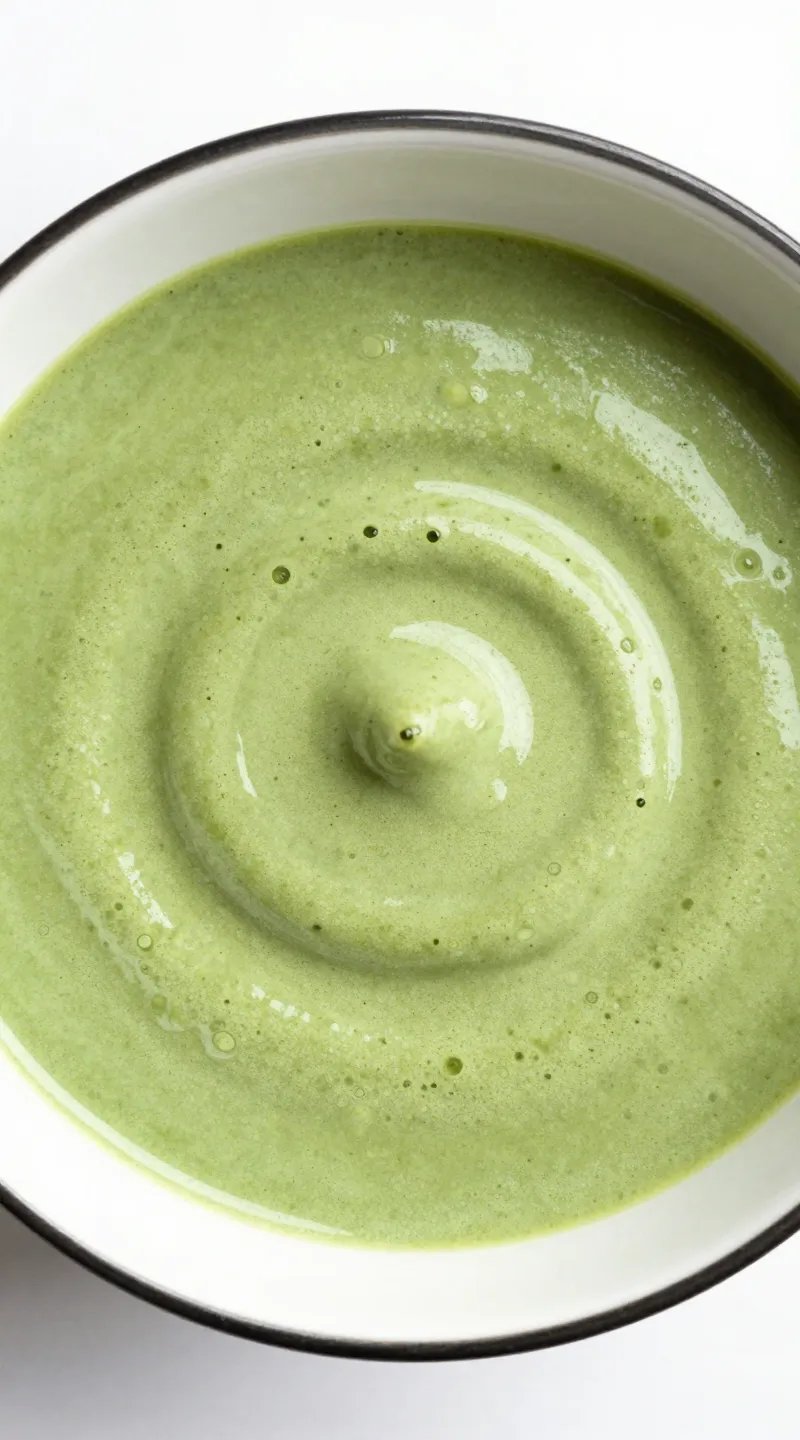
Together they taste like a tropical latte that wandered into a smoothie bar. And yes, the color looks like a cartoon leaf—in a good way.
Overeating is a pattern. This helps you fix that problem. A quick reset for cravings, snacking, and “I’ll start tomorrow” moments.
Built for busy home cooks who want real-life structure. Simple steps that fit meal prep, family dinners, and late-night snack attacks.
The Creamy, Energizing Base Recipe
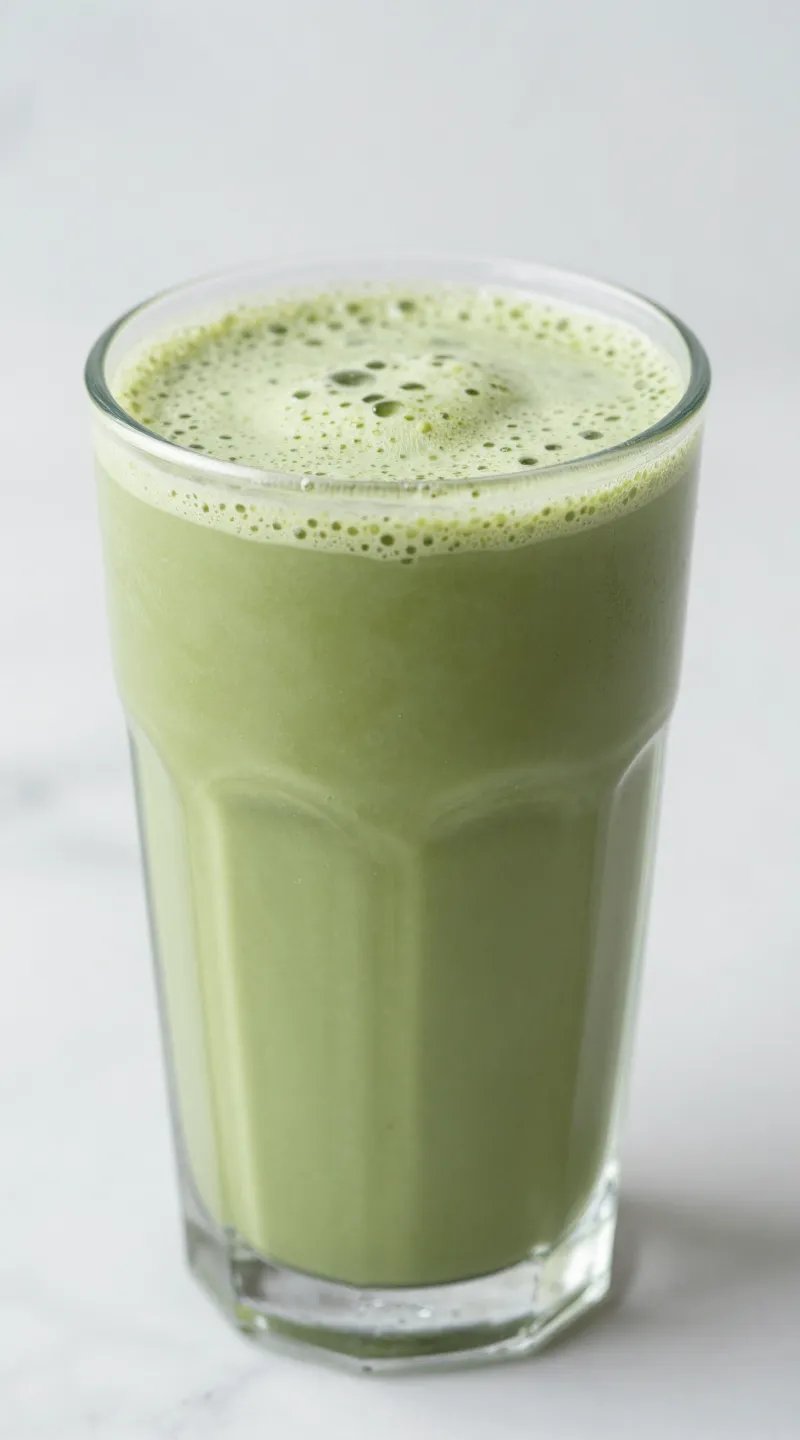
Let’s keep it easy and delicious. Toss this in a blender:
- 1 cup chilled coconut milk (from the carton for lighter, from the can for extra creamy)
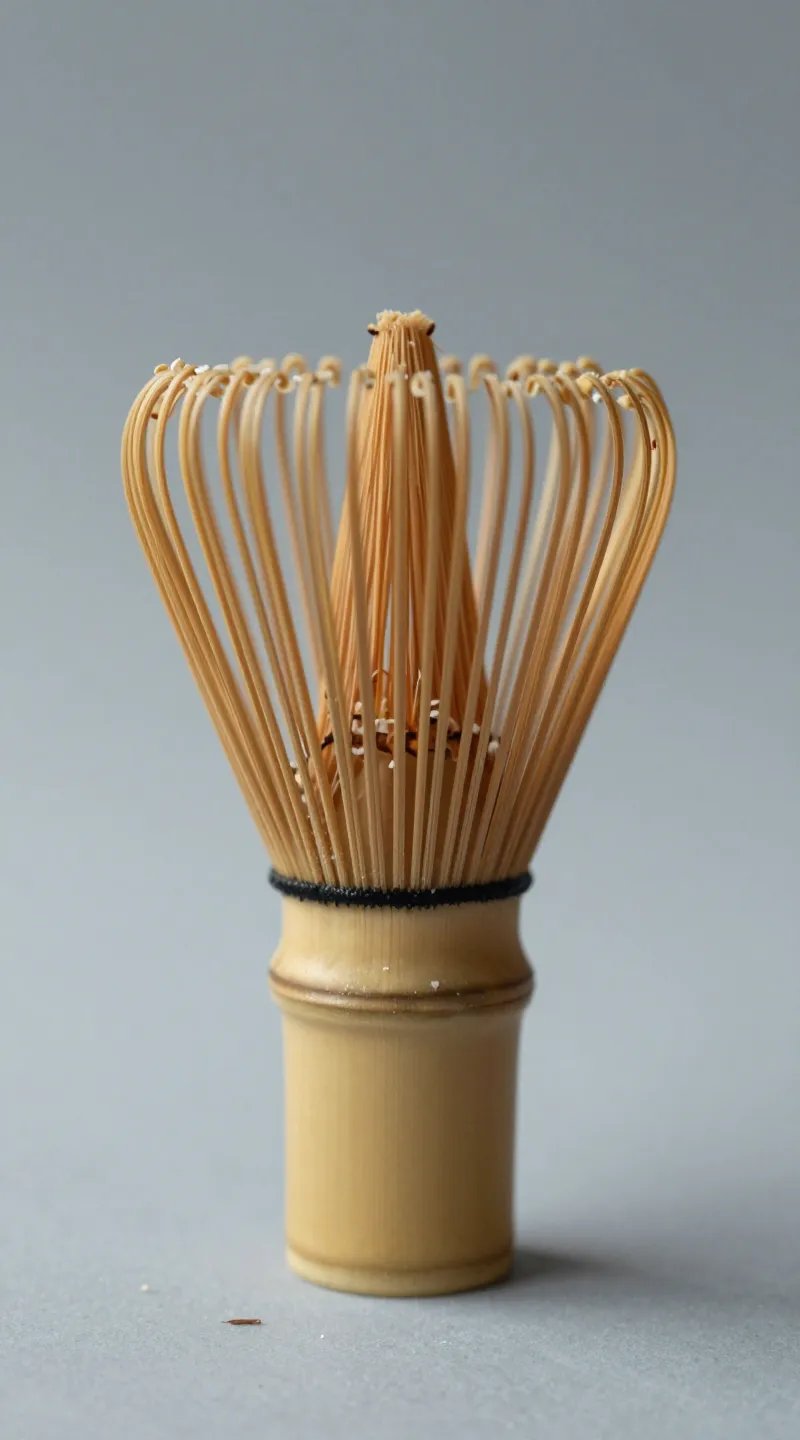
- 1 teaspoon high-quality ceremonial-grade matcha powder
- 1 frozen banana (for sweetness and silky texture)
- 1 tablespoon unsweetened shredded coconut
- 1 teaspoon honey or maple syrup (optional if your banana is sweet enough)
- 1/2 teaspoon vanilla extract
- A small pinch of sea salt (yes, it matters)
- 1/2 cup ice (adjust for thickness)
Blend until smooth and mousse-y. You want it thick enough to feel indulgent, but not so thick your straw cries for help.
Pro Tips for Best Flavor
- Sift your matcha. It prevents clumps and bitterness. Worth the 5 seconds.
- Chill your coconut milk. Cold liquids blend smoother and taste fresher.
- Use ripe bananas. Brown freckles mean sweetness and better texture.
Matcha Matters: Picking the Right Powder
All matcha is not created equal. You want ceremonial-grade for a smoother, naturally sweet taste. Culinary-grade works in baking, but it can taste bitter in smoothies.
How to spot the good stuff?
- Color: Bright, vibrant green. If it’s dull or brownish, hard pass.
- Origin: Look for Japanese matcha (Uji, Nishio, Kagoshima).
- Texture: Finely milled, almost like talc. Gritty = no.
FYI: You only need 1 teaspoon for solid energy. If you want more kick, bump to 1.5 teaspoons, but taste as you go. Matcha can go from dreamy to lawn clippings if you overdo it.
Customize Your Energy: Add-Ins That Actually Help
Want to turn this into your personal rocket fuel? Try these:
- Spinach: A handful disappears flavor-wise, adds iron and folate.
- MCT oil or coconut oil: 1 teaspoon for extra sustained energy. Start small to avoid, uh, surprises.
- Protein powder: Vanilla pairs best. Plant-based or whey both work. 10–20 grams keeps you fuller.
- Chia or hemp seeds: 1 tablespoon for fiber, omegas, and a thicker sip.
- Pineapple or mango: 1/2 cup for tropical vibes and natural sweetness.
- Fresh ginger: 1/2 teaspoon grated for zip and digestion support.
If You’re Avoiding Banana
Swap 1 frozen banana with:
- 1/2 avocado + 1–2 dates (for creaminess and sweetness)
- 1/2 cup frozen cauliflower rice + extra maple syrup (stealthy and light)
The Energy Science (No Lab Coat Required)
Let’s decode why this drink hits just right.
- Caffeine + L-theanine: Matcha’s combo boosts focus while minimizing jitters. You stay alert but chill.
- Medium-chain fats: Coconut’s MCTs absorb quickly and can convert to ketones, giving your brain an efficient fuel source.
- Balanced macros: Add protein and fiber, and you slow digestion for sustained energy instead of a sugar spike.
IMO, it beats coffee + pastry because your brain gets a steady stream rather than a rollercoaster with a sad, sleepy ending.
Make It a Habit Without Getting Bored
You want variety so you actually keep drinking it. Rotate these ideas through your week:
- Island Matcha: Add pineapple + ginger + lime zest.
- Mint Chip Vibes: Add fresh mint, cacao nibs, and a splash more vanilla.
- Cookie Matcha: Add cinnamon, almond butter, and a pinch of cardamom.
- Green Glow: Add spinach + cucumber + a squeeze of lemon.
- Protein Power: Add vanilla protein + chia seeds + oat milk instead of coconut for lighter texture.
Texture Control (Because Mouthfeel Matters)
- Too thick? Splash in more coconut milk or cold water.
- Too thin? Add ice, chia, or a little more frozen fruit.
- Not sweet enough? Use a soft date or a tiny drizzle of maple. Don’t nuke the flavor with tons of sugar.
Timing, Storage, and Real-Life Logistics
Drink it within 15–20 minutes for best texture and maximum froth. The matcha flavor also shines brightest right away. If you must prep ahead, store it in an airtight bottle in the fridge up to 24 hours and shake well before drinking.
Best times to sip?
- Morning fuel: Stable focus without the coffee crash.
- Pre-workout: About 45–60 minutes before you move.
- Afternoon slump: Half serving to power through (avoid too late if caffeine keeps you up).
FYI: Matcha contains around 60–80 mg caffeine per teaspoon, depending on brand. Know your limit so you don’t accidentally turn into a hummingbird.
FAQ
Can I use regular green tea instead of matcha?
You can, but it won’t taste or perform the same. Matcha uses whole powdered tea leaves, so you get more antioxidants, L-theanine, and a richer, creamier flavor. Brewed green tea tastes weaker and watery in a smoothie. If you must, use very strong chilled tea and reduce the liquid slightly.
Is canned coconut milk too heavy?
Not if you balance it. For a dessert-thick smoothie, use canned. For daily sippability, use carton coconut milk or go half canned, half water. Pro move: Add a squeeze of lime to cut richness while keeping the coconut vibe.
What if my matcha tastes bitter?
Likely you used too much or the quality’s off. Try 1 teaspoon, sift it, and blend well. Add a pinch more vanilla and a tiny bit of sweetener to round it out. Also check water/ice temperature—boiling hot anything can scorch matcha and amplify bitterness.
Can I make it without caffeine?
Sure—use decaf matcha or swap matcha with spirulina plus vanilla and pineapple for color and antioxidants. It won’t deliver the same mental focus, but you’ll still get creamy, nutrient-rich goodness.
Will it break a fast?
If your fast allows only water and plain tea/coffee, then yes—this breaks it due to fats, carbs, and protein. If you do a “modified” fast or use calories before training, it fits perfectly and supports performance. IMO, listen to your goals rather than arbitrary rules.
How do I avoid gritty texture?
Use high-quality, finely milled matcha and sift it. Blend on high for at least 45 seconds. If you add seeds or protein powder, give it a second quick blend after a short rest to let bubbles settle and powders hydrate.
Final Sips
The matcha coconut smoothie hits that sweet spot: creamy, fresh, and energizing without chaos. Start with the base, tweak with add-ins, and make it your go-to when you want to feel clear-headed and satisfied. It’s simple, it’s fun, and it makes busy days feel a little more tropical—no suitcase required.