Greek Chicken Skewers
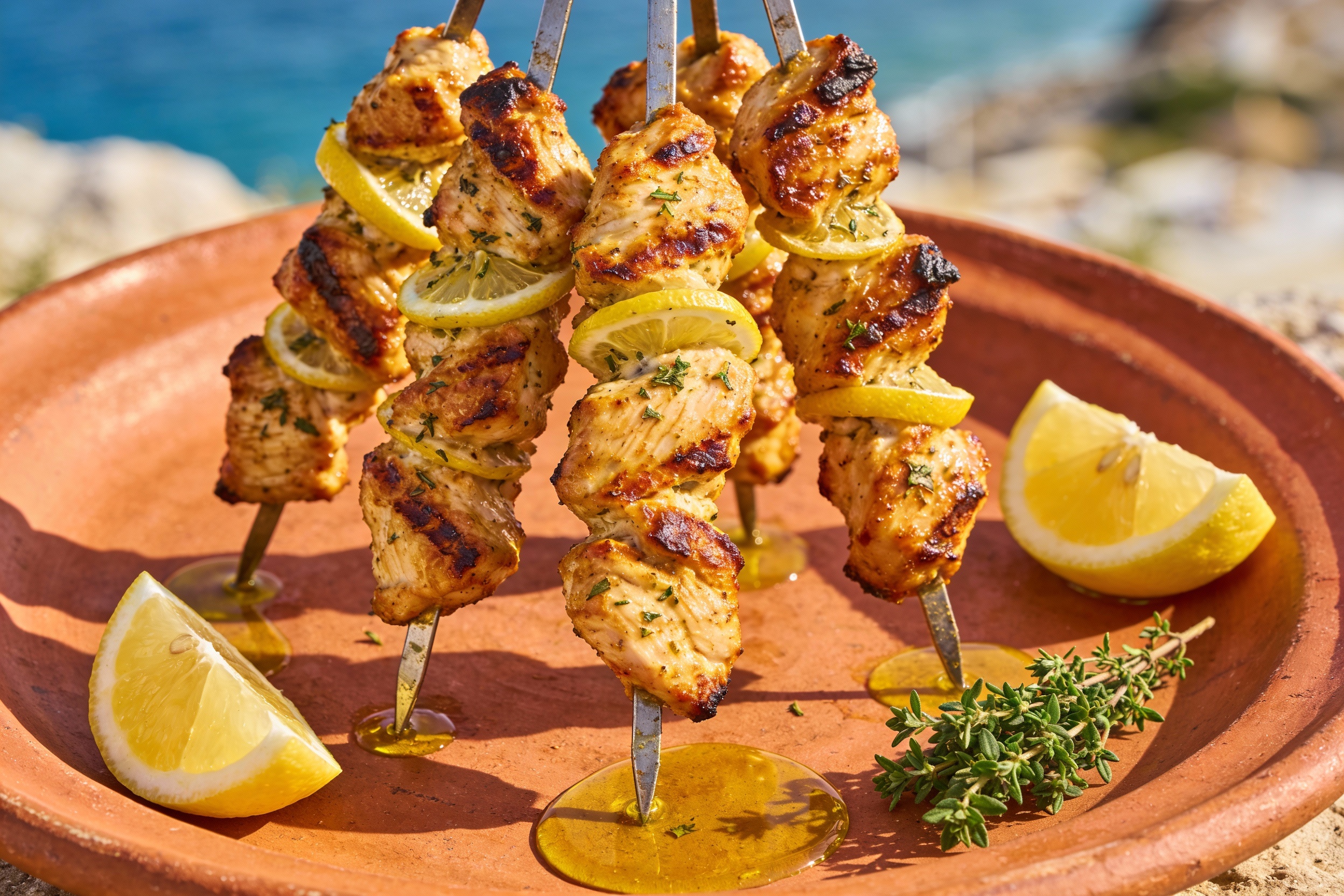
Juicy chicken, smoky grill marks, and a lemony-herb punch that makes your taste buds do a little Greek dance—yeah, Greek chicken skewers deliver. They’re fast, wildly flavorful, and surprisingly low effort for how impressive they look. You can toss them on a weeknight, or double up for a breezy backyard spread. Grab a skewer, squeeze some lemon, and let’s make it happen.
Why Greek Chicken Skewers Hit Different
Greek chicken skewers nail that perfect balance: bright, savory, and just the right amount of char. The marinade does most of the heavy lifting—think lemon, garlic, and oregano hanging out like best friends. You get golden edges, tender centers, and flavors that pop without needing a sauce bath (though tzatziki never hurts).
You can serve them solo, over salad, stuffed in warm pita, or with a pile of herby rice. Versatile? Big time. Company-friendly? Absolutely.
Overeating is a pattern. This helps you fix that problem. A quick reset for cravings, snacking, and “I’ll start tomorrow” moments.
Built for busy home cooks who want real-life structure. Simple steps that fit meal prep, family dinners, and late-night snack attacks.
The Marinade: Where the Magic Happens
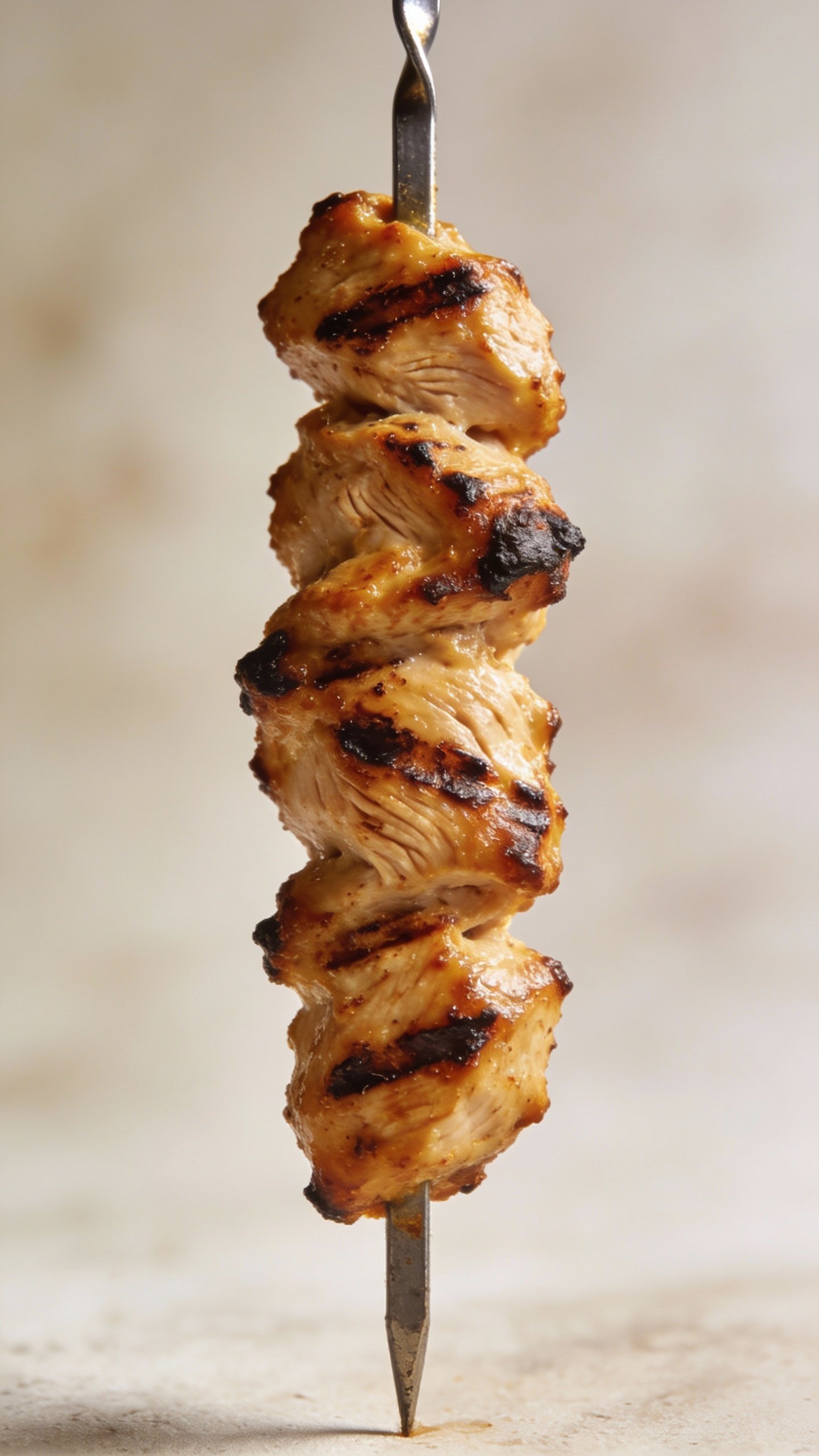
Let’s talk flavor. The marinade brings that signature Greek vibe with bold, simple ingredients you probably already have. Mix it, toss your chicken, and boom—instant upgrade.
Core ingredients:
- Olive oil (good quality = better flavor)
- Fresh lemon juice and zest
- Garlic, finely minced or grated
- Dried oregano (generous), plus a pinch of thyme if you’ve got it
- Smoked paprika or sweet paprika (for color and warmth)
- Salt and freshly ground black pepper
- Optional: a spoonful of plain yogurt for tenderness
Ratios that work:
- 1/3 cup olive oil
- 1 large lemon (zest + 3 tablespoons juice)
- 3–4 garlic cloves
- 1.5 tablespoons dried oregano
- 1 teaspoon paprika
- 1–1.5 teaspoons kosher salt, 1/2 teaspoon pepper
- 2 tablespoons yogurt (optional)
Yogurt: Yes or No?
Yogurt adds creaminess and helps tenderize, but it’s optional. If you use it, go light—you want marinade, not smoothie. IMO, yogurt shines with breast meat, while thighs stay juicy without it.
The Best Chicken Cuts (And Why You Should Care)
You can’t fix dry chicken after the fact. Choose wisely up front.
- Boneless, skinless thighs: Most forgiving, super juicy, ideal for grilling. My #1 pick.
- Boneless breasts: Lean and clean, but marinate longer and don’t overcook. Cut evenly.
- Mixed: Sure, but cook on separate skewers because timing differs.
Cut into 1.25–1.5 inch pieces. Too small and they dry out; too big and the outside burns before the middle cooks. Precision matters here—channel your inner food geometry nerd.
Skewering Like a Pro
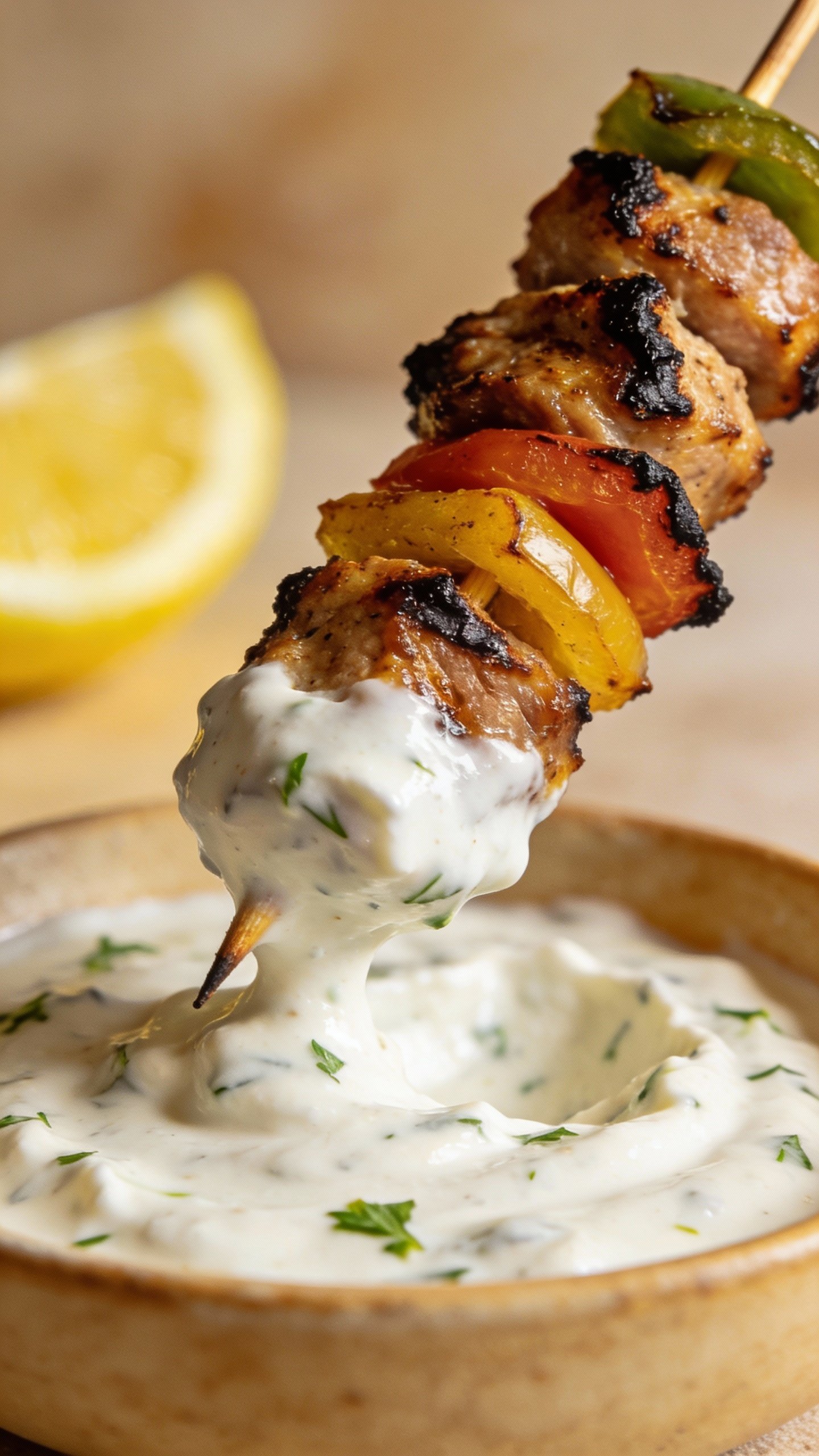
Skewers aren’t just sticks; they’re an insurance policy for even cooking. Use what you’ve got, but prep them right.
- Wooden skewers: Soak in water 20–30 minutes to avoid flambéed tips.
- Flat metal skewers: Best control—meat doesn’t spin when you flip.
- Double-spear method: Thread two parallel skewers through each kebab to prevent rotation.
Add Some Color (Literally)
Want veggies? Go for sturdy ones that cook fast: red onion wedges, cherry tomatoes, bell peppers. Keep separate skewers for veggies since they cook at different speeds, FYI.
Grill, Oven, or Pan: Your Call
No grill? No problem. You’ve got options that still bring that charred energy.
Grill (best flavor):
- Heat to medium-high (about 425–450°F).
- Oil the grates so nothing sticks.
- Grill 8–12 minutes total, turning every 2–3 minutes. Aim for deep golden edges.
- Cook to 165°F. Pull just before if carryover heat will finish the job.
Oven broiler (shockingly great):
- Preheat broiler on high. Place rack 6–8 inches from heat.
- Set skewers on a foil-lined, oiled rack.
- Broil 8–10 minutes, turning once, till charred and cooked through.
Stovetop grill pan or cast iron:
- Heat pan until just smoking. Lightly oil the chicken, not the pan.
- Cook 8–10 minutes, turning often to get color on all sides.
Final Touches That Make It Restaurant-Level
- Lemon squeeze: Hit it right off the heat for brightness.
- Fresh herbs: Parsley, dill, or mint—just a sprinkle.
- Extra-virgin olive oil: A tiny drizzle for gloss and richness.
- Finishing salt: A pinch of flaky salt if you’re feeling fancy.

Serving Ideas You’ll Actually Use
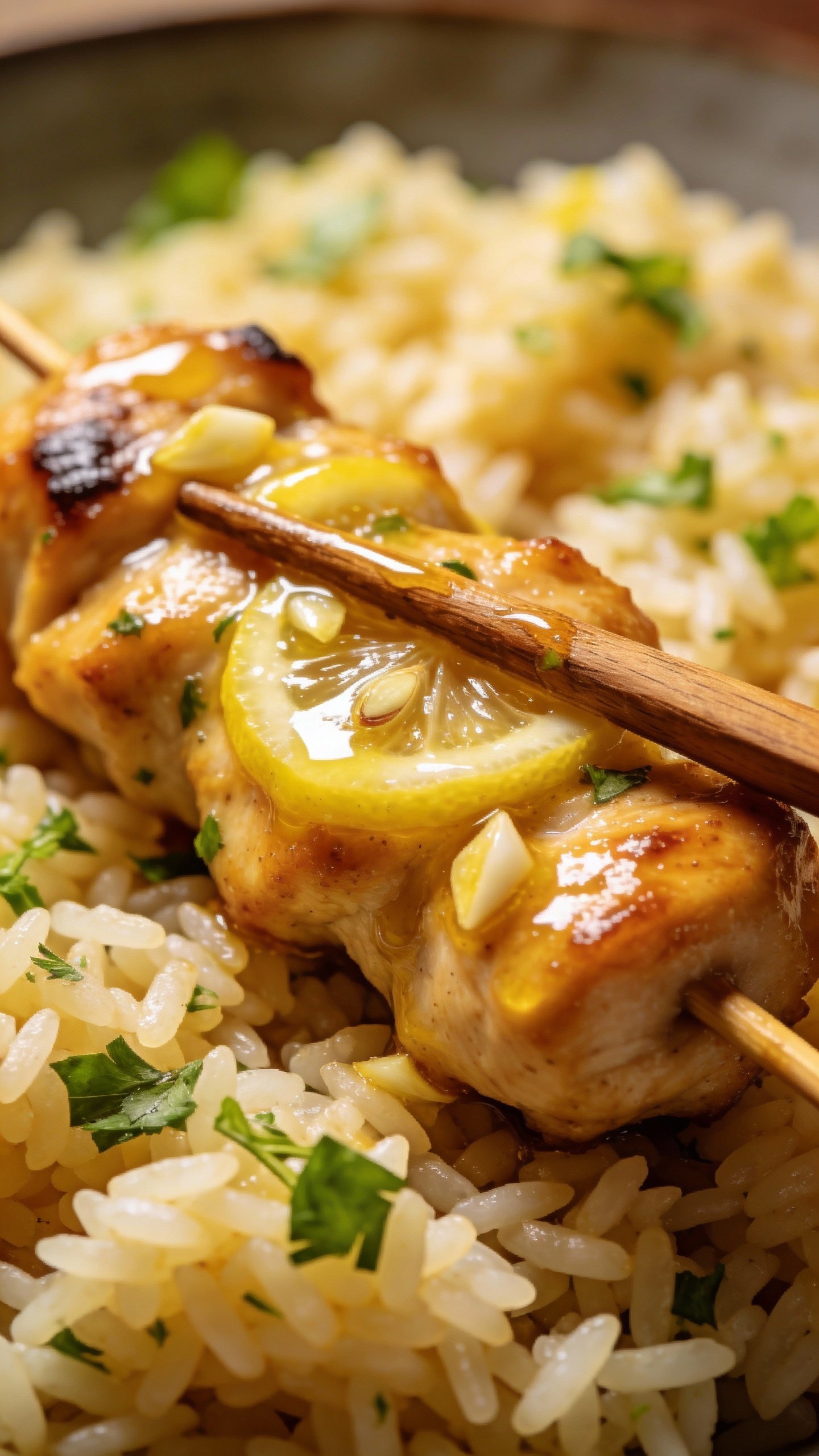
Greek chicken skewers play well with so many sides. Build a plate that fits your mood.
Classic combo:
- Warm pita or flatbread
- Tzatziki (cucumber-garlic yogurt sauce)
- Tomatoes, cucumbers, red onion, olives, feta
Light and fresh:
- Herby salad with lemon vinaigrette
- Grilled zucchini or asparagus
- Lemon rice or cauliflower rice
Party platter (IMO the move):
- Skewers piled on a board
- Three dips: tzatziki, hummus, and spicy feta (tirokafteri)
- Pickled peppers, dolmas, and lemon wedges
Quick Tzatziki (because you’ll want it)
Mix 1 cup Greek yogurt, 1/2 grated cucumber (squeezed dry), 1 minced garlic clove, 1 tablespoon lemon juice, 1 tablespoon chopped dill, pinch of salt, and a drizzle of olive oil. Chill 20 minutes. Done.
Make-Ahead and Meal Prep Tips
Want a weeknight win? Prep now, feast later.
- Marinate: 30 minutes minimum, 2–6 hours ideal. Overnight works, but skip the lemon zest if going long—zest can get bitter.
- Pre-skewer: Thread in the morning; store covered in the fridge. Pull out 20 minutes before cooking.
- Cooked leftovers: Keep 3–4 days in an airtight container. Reheat gently or eat cold in wraps/salads.
- Freeze: Freeze raw, marinated chicken up to 2 months. Thaw in fridge, then skewer and cook.
Common Mistakes (So You Don’t Make Them)
- Overcrowding the grill: Leave space so they sear, not steam.
- Uneven pieces: Consistent size = consistent doneness.
- Skimping on salt: Lemon needs salt to pop. Taste and adjust.
- Forgetting to rest: Give the skewers 3 minutes off heat to relax. You’ll taste the difference.
Flavor Variations That Still Feel Greek(ish)
Feeling playful? Keep the Greek soul, but tweak the vibes.
- Lemony herb bomb: Add chopped fresh oregano, parsley, and dill to the marinade after mixing.
- Garlic-forward: Roast the garlic first for sweet depth. Bonus: less bite on date night.
- Spicy Athenian: Add Aleppo pepper or chili flakes for gentle heat.
- Smoky-citrus: Sub half the lemon juice with orange; bump smoked paprika.
FAQ
Can I use bone-in chicken for skewers?
You technically can, but it defeats the point. Skewers cook fast, and bone-in cuts cook slow. Go boneless, cut evenly, and you’ll get better texture and timing. Save bone-in for a lemon-oregano roast.
How long should I marinate the chicken?
Aim for 2–6 hours for max flavor without mush. If you only have 30 minutes, you’ll still get a solid hit thanks to lemon and garlic. Overnight works, especially for breasts, but go easy on acid if you pass the 8-hour mark.
What’s the ideal internal temperature?
Pull at 160–163°F and let rest to 165°F. Thighs forgive a little over; breasts don’t. A quick-read thermometer is your best friend here—no guesswork, no dry chicken.
Do I need to remove lemon zest for long marinades?
If you plan to marinate overnight, either skip zest or add it in the last hour. Zest can turn slightly bitter when it soaks too long. Shorter marinades love zest, though—huge aroma payoff.
What if I don’t have a grill?
Use your broiler on high with a rack to let heat circulate. You’ll get char and juicy centers. A cast-iron pan also slaps—just preheat until it smokes lightly and don’t overcrowd.
Which oil works best in the marinade?
Good extra-virgin olive oil brings fruity richness that screams “Greek summer.” If you only have regular olive oil, that works too. Avoid neutral oils here—flavor matters.
Conclusion
Greek chicken skewers check every box: simple, fast, and big on flavor. The marinade sings, the grill (or broiler) does its thing, and a final lemon squeeze ties it all together. Serve with tzatziki and warm pita, and watch people hover around the platter like seagulls at the beach—IMO, the best compliment. Now go sharpen those skewers and get cooking.