Healthy High Protein Chicken Stir Fry – Quick, Flavorful, and Satisfying
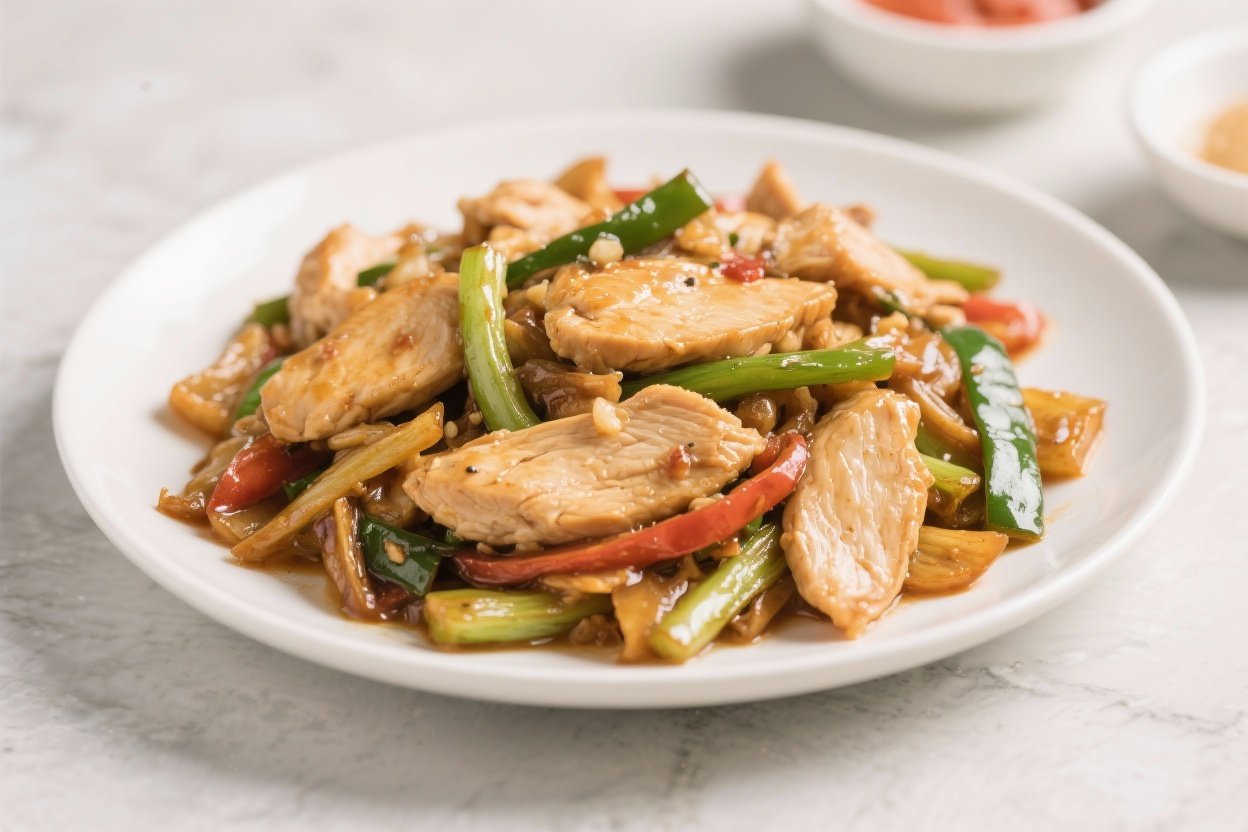
This Healthy High Protein Chicken Stir Fry is the kind of recipe you keep on repeat. It’s fast, tastes great, and leaves you feeling full without weighing you down. Tender chicken, crisp veggies, and a savory sauce come together in minutes—perfect for busy weeknights or meal prep.
You don’t need fancy equipment, just a hot pan and a handful of simple ingredients. If you love smart, balanced meals that are actually enjoyable, this one delivers.
Ingredients
Method
- Prep the chicken: Slice the chicken into thin strips. Toss with 1 tablespoon soy sauce and 1 tablespoon cornstarch. Set aside while you prepare the vegetables.
- Mix the sauce: In a small bowl, whisk 2 tablespoons soy sauce, oyster or hoisin (if using), rice vinegar, sesame oil, honey, and chicken broth. Stir in 1 teaspoon cornstarch until smooth. Adjust sweetness or salt to taste.
- Heat the pan: Place a large skillet or wok over medium-high heat. Add 1 tablespoon oil and swirl to coat. You want it hot before the chicken hits the pan.
- Sear the chicken: Add chicken in a single layer. Cook 3–4 minutes, stirring once or twice, until golden and cooked through. Remove to a plate. Do not crowd the pan; work in batches if needed.
- Cook the tough veggies: Add 1 teaspoon oil if the pan is dry. Toss in broccoli and carrots. Stir fry 2–3 minutes until they begin to soften but still have crunch.
- Add quick-cooking veggies: Add bell pepper, zucchini, and snap peas. Stir fry another 2–3 minutes until bright and crisp-tender.
- Aromatics go in: Push veggies to the sides. Add 1 teaspoon oil to the center, then add garlic, ginger, and the white parts of the green onions. Stir 30 seconds until fragrant.
- Combine and sauce: Return the chicken and any juices to the pan. Pour in the sauce and toss everything together. Cook 1–2 minutes until the sauce thickens and coats the stir fry.
- Finish and serve: Add red pepper flakes or sriracha if you like heat. Sprinkle with sesame seeds and green onion tops. Serve over brown rice, quinoa, or cauliflower rice.

What Makes This Special

This stir fry packs a strong protein punch without relying on heavy oils or sugary sauces. The chicken cooks quickly and stays juicy, while the vegetables add crunch, color, and nutrients.
The sauce is lighter than takeout but still bold, thanks to garlic, ginger, and a splash of soy. You can also customize it easily—swap in your favorite veggies, adjust the spice, or use gluten-free tamari. It’s a weeknight hero that also fits into fitness goals.
Ingredients
- 1.25 lbs (about 570 g) boneless, skinless chicken breast, thinly sliced
- 1 tablespoon cornstarch (for coating the chicken)
- 1 tablespoon low-sodium soy sauce (for marinating the chicken)
- 1 tablespoon avocado or canola oil (plus 2 teaspoons, divided)
- 1 red bell pepper, sliced into strips
- 1 small broccoli crown, cut into small florets
- 1 medium carrot, thinly sliced on a diagonal
- 1 small zucchini, halved lengthwise and sliced
- 1 cup sugar snap peas or green beans
- 3 cloves garlic, minced
- 1 tablespoon fresh ginger, minced or grated
- 2 green onions, sliced (whites and greens separated)
- 2 tablespoons low-sodium soy sauce (for the sauce)
- 1 tablespoon oyster sauce or hoisin (optional but adds depth)
- 1 tablespoon rice vinegar
- 1 teaspoon toasted sesame oil
- 1 teaspoon honey or maple syrup (just a touch for balance)
- 1/3 cup low-sodium chicken broth or water
- 1 teaspoon cornstarch (for the sauce slurry)
- Red pepper flakes or sriracha, to taste (optional for heat)
- Sesame seeds, for garnish (optional)
- Cooked brown rice, quinoa, or cauliflower rice, for serving
Step-by-Step Instructions

- Prep the chicken: Slice the chicken into thin strips.
Toss with 1 tablespoon soy sauce and 1 tablespoon cornstarch. Set aside while you prepare the vegetables.
- Mix the sauce: In a small bowl, whisk 2 tablespoons soy sauce, oyster or hoisin (if using), rice vinegar, sesame oil, honey, and chicken broth. Stir in 1 teaspoon cornstarch until smooth.
Adjust sweetness or salt to taste.
- Heat the pan: Place a large skillet or wok over medium-high heat. Add 1 tablespoon oil and swirl to coat. You want it hot before the chicken hits the pan.
- Sear the chicken: Add chicken in a single layer.
Cook 3–4 minutes, stirring once or twice, until golden and cooked through. Remove to a plate. Do not crowd the pan; work in batches if needed.
- Cook the tough veggies: Add 1 teaspoon oil if the pan is dry.
Toss in broccoli and carrots. Stir fry 2–3 minutes until they begin to soften but still have crunch.
- Add quick-cooking veggies: Add bell pepper, zucchini, and snap peas. Stir fry another 2–3 minutes until bright and crisp-tender.
- Aromatics go in: Push veggies to the sides.
Add 1 teaspoon oil to the center, then add garlic, ginger, and the white parts of the green onions. Stir 30 seconds until fragrant.
- Combine and sauce: Return the chicken and any juices to the pan. Pour in the sauce and toss everything together.
Cook 1–2 minutes until the sauce thickens and coats the stir fry.
- Finish and serve: Add red pepper flakes or sriracha if you like heat. Sprinkle with sesame seeds and green onion tops. Serve over brown rice, quinoa, or cauliflower rice.
Storage Instructions
Let the stir fry cool slightly, then store in airtight containers.
It keeps in the fridge for up to 4 days. Reheat in a skillet over medium heat with a splash of water to loosen the sauce, or microwave in short bursts. For meal prep, portion with rice or quinoa and add fresh garnishes right before eating.
Freezing works too, but the veggies may soften; reheat from frozen in a covered pan.
Health Benefits
- High protein, low fuss: Lean chicken breast provides complete protein to support muscle repair and steady energy.
- Fiber and micronutrients: Broccoli, peppers, carrots, and snap peas bring fiber, vitamin C, vitamin A, potassium, and antioxidants.
- Better balance than takeout: Using low-sodium soy sauce, minimal oil, and a homemade sauce helps control sodium and added sugars.
- Stable blood sugar: Pairing protein with fiber-rich veggies and whole grains helps keep you full and reduces spikes.
- Good fats in moderation: A little avocado oil and toasted sesame oil add flavor and help absorb fat-soluble vitamins.
Common Mistakes to Avoid
- Overcrowding the pan: This steams the chicken and veggies, making them pale and soggy. Cook in batches if needed.
- Low heat: Stir fry needs high heat for color and crisp texture. Preheat the pan until it’s hot before adding ingredients.
- Skipping the cornstarch: That light coating on the chicken keeps it tender and helps the sauce cling to everything.
- Adding aromatics too early: Garlic and ginger burn fast.
Add them near the end for best flavor.
- Overcooking vegetables: Aim for crisp-tender. They continue to soften off the heat.
Alternatives
- Protein swaps: Use chicken thighs for juicier bites, or try turkey breast, shrimp, extra-firm tofu, or tempeh.
- Gluten-free: Replace soy sauce with tamari or coconut aminos. Check your oyster/hoisin sauce labels or use extra tamari.
- Low-carb: Serve with cauliflower rice or just enjoy the stir fry on its own.
- Veggie variations: Try mushrooms, baby corn, bok choy, cabbage, or edamame.
Use what you have.
- Sauce twists: Add a teaspoon of chili-garlic sauce for heat, a squeeze of lime for brightness, or a spoon of peanut butter for a nutty spin.
FAQ
How much protein is in a serving?
With 1.25 lbs of chicken divided into four servings, you’ll get roughly 30–35 grams of protein per serving, not counting any sides. Exact numbers vary by brand and portion size.
Can I make this without cornstarch?
Yes. You can skip it, but the sauce will be thinner and the chicken slightly less velvety.
Arrowroot works as a 1:1 substitute. If avoiding starch entirely, reduce the broth for a thicker sauce.
What’s the best pan to use?
A wok is ideal for high-heat cooking and quick tosses. A large stainless steel or cast-iron skillet also works well.
Use a wide pan to give ingredients space to sear.
How do I keep the chicken juicy?
Slice it thinly, coat lightly with cornstarch, and cook over high heat just until done. Remove it from the pan while you cook the vegetables, then add it back with the sauce.
Is this good for meal prep?
Absolutely. It reheats well and keeps its texture if you avoid overcooking.
Store with rice or quinoa, and add fresh green onions or sesame seeds right before eating.
Can I add nuts?
Yes. Toasted cashews or peanuts add crunch and healthy fats. Stir them in at the end so they stay crisp.
What can I use instead of oyster sauce?
Use hoisin for a sweet-savory profile, or just add more soy sauce plus a pinch of sugar.
For a cleaner flavor, skip it and increase ginger and garlic.
How spicy is this?
As written, it’s mild. Add red pepper flakes, sriracha, or fresh chilies to taste if you prefer heat.
In Conclusion
This Healthy High Protein Chicken Stir Fry brings big flavor, balanced nutrition, and weeknight simplicity. With lean chicken, crisp vegetables, and a light, glossy sauce, it’s satisfying without being heavy.
Keep the heat high, don’t crowd the pan, and adjust the sauce to your taste. Whether you’re cooking for one or meal prepping for the week, this recipe is a reliable go-to you’ll be happy to make again and again.
Printable Recipe Card
Want just the essential recipe details without scrolling through the article? Get our printable recipe card with just the ingredients and instructions.