How to Stop Eating When You’Re Not Hungry for Real
You know that moment when you open the fridge just to “check on things”? You’re not hungry. You’re bored, stressed, or procrastinating—and suddenly snacks happen. We’ve all done it. The good news: you can break that pattern without living on willpower alone or swearing eternal loyalty to celery sticks.
Figure Out Why You’re Eating (Spoiler: It’s Not Hunger)
Before you fix a habit, you identify the trigger. Otherwise, you’ll keep swatting at symptoms.
Overeating is a pattern. This helps you fix that problem. A quick reset for cravings, snacking, and “I’ll start tomorrow” moments.
Built for busy home cooks who want real-life structure. Simple steps that fit meal prep, family dinners, and late-night snack attacks.
- Boredom: You’re seeking stimulation. Food = mini entertainment.
- Stress/Anxiety: You want comfort or distraction. Crunchy and creamy feel soothing.
- Fatigue: You’re tired, not hungry. Your brain screams “sugar now.”
- Environment: Snacks on the counter? You’ll eat them—even if grapes don’t count as unsolicited advice.
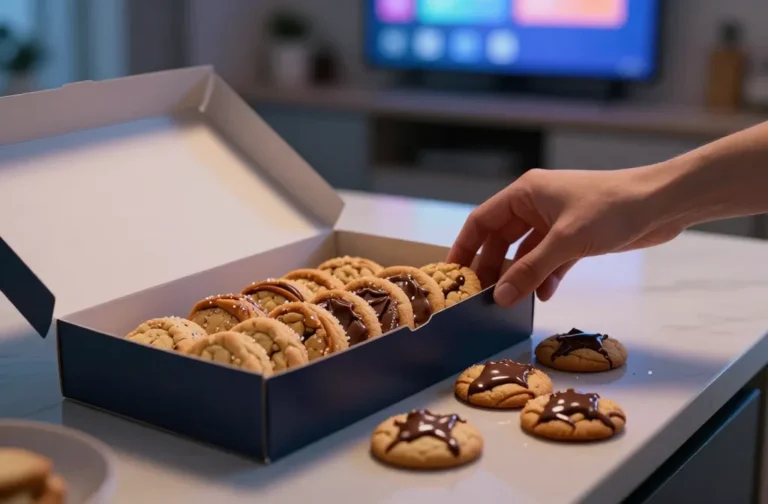
- Habit/Timing: You always munch during Netflix, so your brain expects it at episode one.
Quick Trigger Check
Ask yourself: HALT—Hungry, Angry/Anxious, Lonely, Tired? If it’s not hunger, address the real need. Take a 5-minute walk, do 10 deep breaths, text a friend, or nap. FYI, these beat eating an entire sleeve of crackers you didn’t even want.
Build a Real Hunger Scale
Your body gives signals. You just stopped listening after years of “finish your plate” and diet rules.
- 0: Starving, shaky, can’t focus.
- 3–4: Pleasantly hungry—this is prime time to eat.
- 6: Comfortable—pause here.
- 8–9: Stuffed—regret territory.
Aim to start eating around 3–4, and stop around 6–7. If you’re at 5 and just “feel like munching,” try a non-food fix for 10 minutes first. If you still want it, eat mindfully and move on without the guilt monologue.
The 10-Minute Delay That Actually Works
Set a timer. Do something tiny:
- Make tea or sparkling water with lime.
- Walk outside or up/down stairs.
- Swap tabs and do the most annoying task for 10 minutes. Yes, that one.
If you still want food after, choose something satisfying (protein + fiber). If not, congrats—you dodged a mindless graze.
Engineer Your Environment (So You Don’t Have to White-Knuckle It)
Your setup beats your willpower every time. Make eating inconvenient when you’re not hungry and convenient when you are.
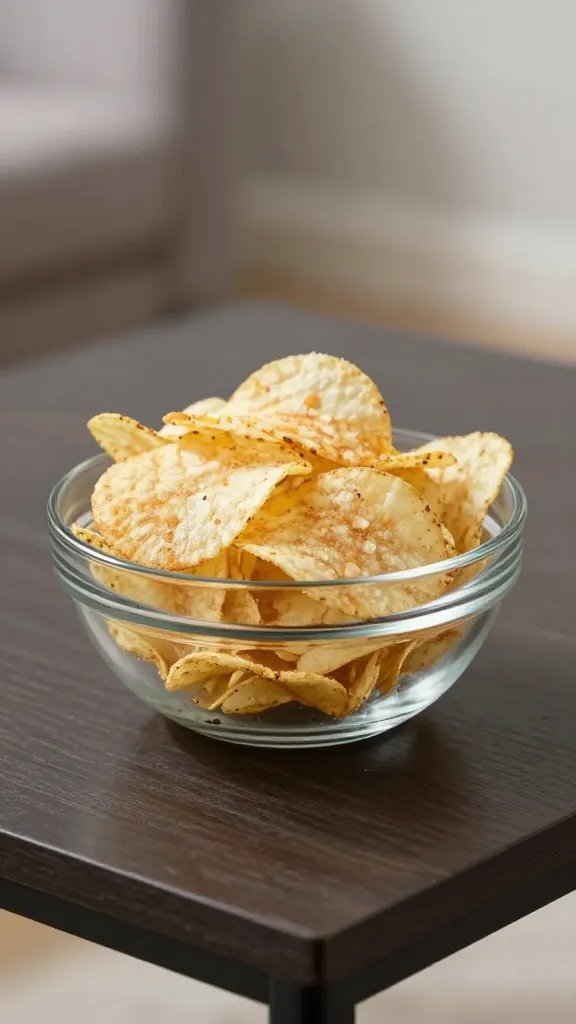
- Hide “default snacks” (chips, candy) in opaque containers or high shelves.
- Pre-prep satisfying options: yogurt cups, chopped veggies, hard-boiled eggs, single-serve nuts.
- Make water visible: keep a bottle at your desk; add fruit slices if plain water bores you.
- Change the view: keep entertainment areas food-free. Netflix doesn’t require hand-to-mouth reps.
Red Flag Foods vs. Green Light Foods
Some foods whisper “just one more.” Others help you stop.
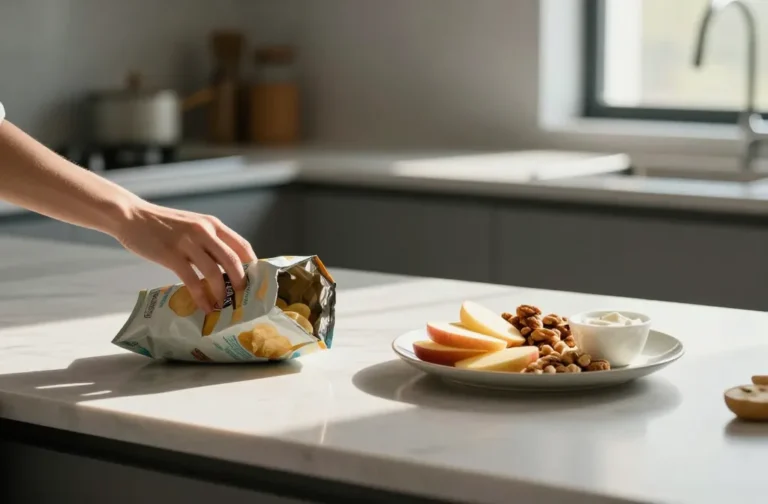
- Green lights: high-protein, high-fiber, single-serve items (Greek yogurt, edamame, fruit + nut butter).
- Red flags: bottomless bags, “party size,” or anything you mindlessly crunch. IMO, pour portions into a bowl or don’t open it.
Eat Meals That Actually Satisfy You
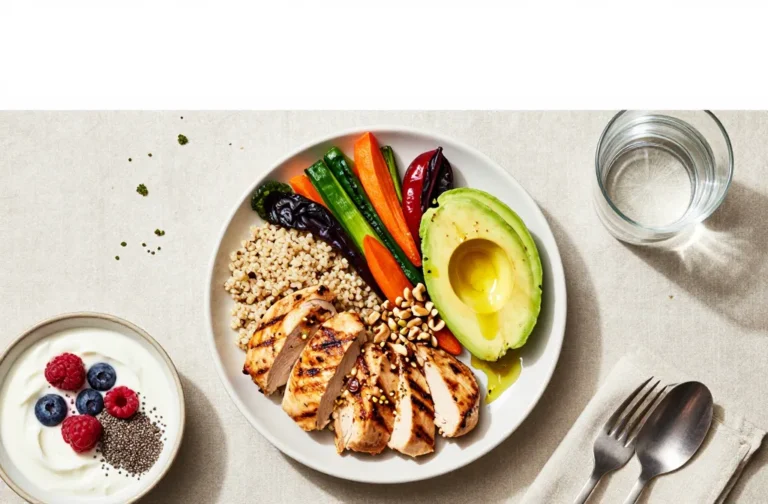
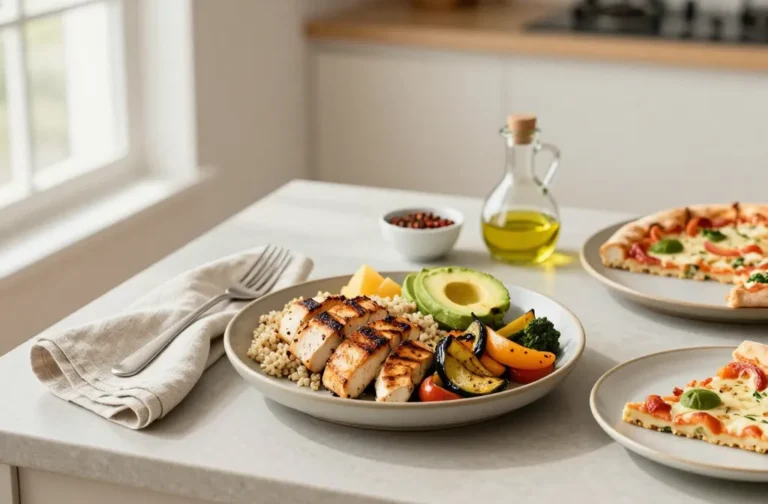
If your meals lack protein, fiber, or fat, you’ll snack “because nothing hits.” Build plates that keep you steady.
- Protein: eggs, chicken, tofu, Greek yogurt, beans.
- Fiber: veggies, fruit, whole grains, legumes.
- Fat: olive oil, avocado, nuts, seeds.
Combine them and hunger chills out. You stop chasing random snacks “for science.”
Simple Meal Templates
- Breakfast: Greek yogurt + berries + chia + honey drizzle.
- Lunch: Grain bowl: quinoa + grilled chicken + roasted veg + tahini.
- Dinner: Salmon + broccoli + potatoes with olive oil and lemon.
Make Mindless Eating… Mindful (But Not Annoying)
Mindful eating doesn’t mean staring at a raisin for five minutes. It just means you show up for your food.
- Plate it: never eat from the package.
- Sit down: no desk-drawer grazing.
- Check in halfway: on a scale of 1–10, how hungry now?
- Close with “done”: toss the wrapper, push the plate away, sip water.
That tiny pause flips you from autopilot to “I decide.”
Handle Emotions Without a Snack in Disguise

You can’t fix stress with pretzels. You can soothe stress with actual coping tools.
- Short-term: box breathing (4 in, 4 hold, 4 out, 4 hold), quick walk, brain dump on paper.
- Medium-term: workouts you enjoy, therapy, social time, better sleep.
- Boundaries: protect your time and energy; future-you won’t eat your feelings at 10 p.m.
FYI: if evening snacking steamrolls you, eat a larger, balanced dinner and go to bed earlier. Magic.
Have a Game Plan for “Snacky” Situations
You’ll face triggers. Plan ahead so you don’t negotiate with yourself in the pantry.
- Work from home bored? Keep a sparkling water ritual for afternoon slumps; set a “kitchen closed” time.
- Stressy workdays? Pre-log a protein-rich afternoon snack so you don’t graze nonstop.
- TV at night? Buy single-serve treats. Plate one. Brush your teeth after.
- Social events? Eat a protein snack beforehand; show up calm, not ravenous.
FAQ
How do I tell real hunger from cravings?
Real hunger builds gradually and feels in your stomach. Cravings hit fast, live in your head or mouth, and fixate on a specific food. If water, a walk, or 10 minutes shifts it, that was a craving. If you’d happily eat grilled chicken or beans, that’s hunger.
Should I cut out “junk food” completely?
Nope. Restriction backfires. Include favorite foods on purpose in reasonable portions. When nothing is off-limits, food loses its “shiny object” power. IMO, plan treats a few times a week so you stop ambushing your own pantry.
What if I overeat anyway?
You’re human, not a robot. Log what happened without drama: trigger, food, setting, feeling after. Then tweak one thing for next time (eat earlier, add protein, remove bottomless bags). Guilt is not a strategy; experiments are.
Does drinking water stop fake hunger?
Sometimes. Mild dehydration can mimic hunger, and sipping gives you a pause. Keep a bottle nearby and flavor with lemon or cucumber. But if you’re actually hungry, water won’t cut it—eat a real meal.
Is intermittent fasting helpful for this?
It can help some people by reducing decision fatigue. For others it triggers overeating windows. If you try it, still prioritize protein, fiber, and fats, and keep an eye on energy and mood. If you feel obsessed or overly hungry, drop it.
Quick Snack Ideas with Estimated Nutrition
Below are three balanced, satisfying snacks that help curb “not hungry” munching by hitting protein, fiber, and flavor. Serving sizes noted; nutrition estimates use standard USDA data and may vary by brand.
1) Greek Yogurt Parfait
Serving size: 1 bowl (3/4 cup plain nonfat Greek yogurt + 1/2 cup blueberries + 1 tsp honey + 1 tbsp chia seeds)
- Calories: ~225
- Total Fat: ~5 g
- Total Carbohydrates: ~30 g
- Dietary Fiber: ~10 g
- Net Carbs: ~20 g
- Protein: ~20 g
2) Apple + Peanut Butter
Serving size: 1 medium apple (182 g) + 1 tbsp natural peanut butter (16 g)
- Calories: ~200
- Total Fat: ~8 g
- Total Carbohydrates: ~29 g
- Dietary Fiber: ~5 g
- Net Carbs: ~24 g
- Protein: ~5 g
3) Hummus and Veggie Plate
Serving size: 1/4 cup hummus (60 g) + 1 cup raw carrot sticks (122 g) + 1 cup cucumber slices (104 g)
- Calories: ~170
- Total Fat: ~8 g
- Total Carbohydrates: ~21 g
- Dietary Fiber: ~7 g
- Net Carbs: ~14 g
- Protein: ~6 g
Disclaimer: Nutrition values are estimates based on typical USDA entries and common brands. Actual numbers vary with specific products and portion sizes.
Wrap-Up: You’re in Charge (Not Your Snack Drawer)
You don’t need to “be good.” You need better inputs and fewer booby traps. Identify your triggers, eat meals that satisfy, engineer your environment, and use tiny pauses that give your brain time to catch up. Do that consistently and the “I’m not hungry but…” nibbling fades—from habit to exception. And hey, when you choose the cookie on purpose and enjoy it? That’s a win too.