How to Stop Grazing Throughout the Day and Feel Full Longer
You keep walking past the pantry like it owes you money. You’re not even hungry, but somehow a handful of this and a nibble of that keeps happening. Been there. Let’s talk about how to stop grazing all day without turning your life into a strict food bootcamp.
Figure Out Why You’re Grazing
Grazing rarely happens because your body needs fuel. It happens because you’re bored, stressed, procrastinating, or your meals just don’t hit the spot. Identify the trigger and you fix 80% of the habit.
Overeating is a pattern. This helps you fix that problem. A quick reset for cravings, snacking, and “I’ll start tomorrow” moments.
Built for busy home cooks who want real-life structure. Simple steps that fit meal prep, family dinners, and late-night snack attacks.
Common Triggers to Watch
- Boredom or procrastination: Snacks make emails less painful.
- Stress or emotions: Crunching calms nerves (temporarily).
- Under-fueling: Skimpy meals leave you hunting for crumbs later.
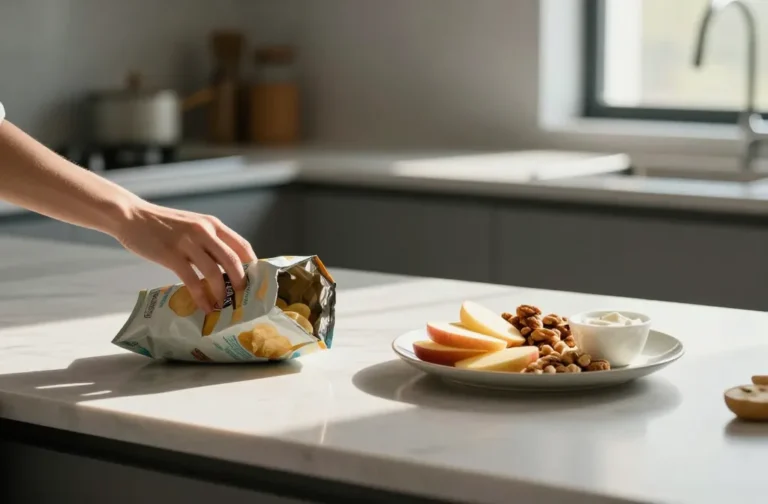
- Environment: Open bags on the counter = open invitation.
- Thirst or fatigue: You wanted water or a nap, not pretzels.
Build Meals That Actually Satisfy
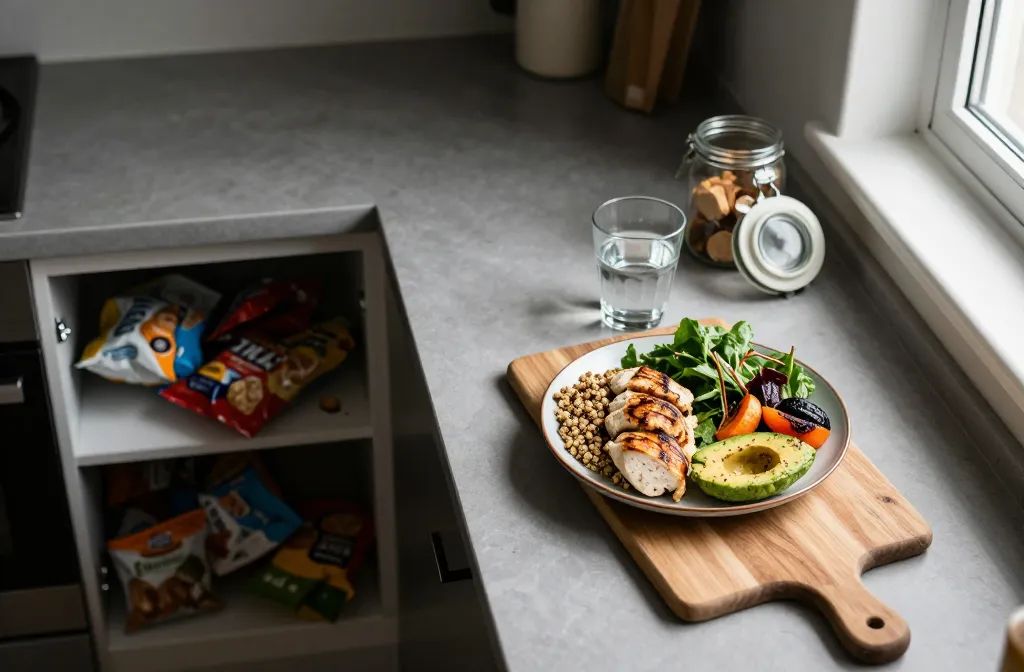
If your meals lack protein, fiber, or fats, you’ll graze like a goat. Balance your plate and you stop rummaging for snacks an hour later.
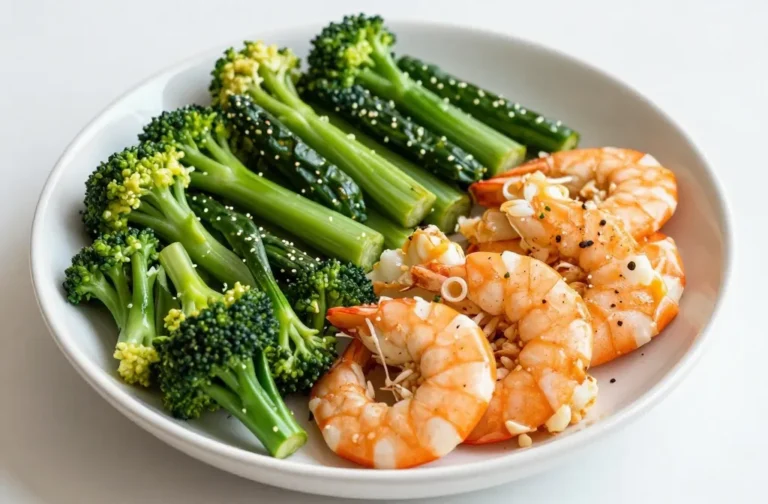
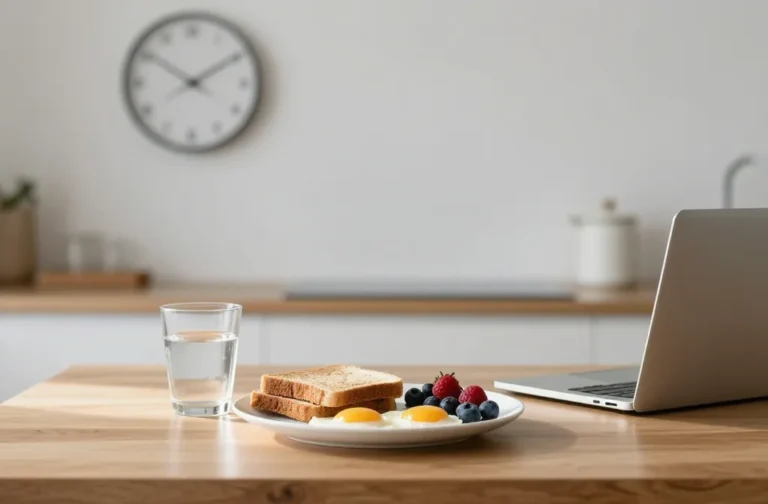
The Satisfying Plate (No Math Degree Needed)
- Protein: 20–40 g per meal (eggs, Greek yogurt, tofu, chicken, beans).
- Fiber + Produce: 2 cups veggies or 1 cup fruit. Fiber fills you up for hours.
- Smart Carbs: Oats, quinoa, whole-grain bread, potatoes, beans.
- Healthy Fats: Avocado, olive oil, nuts, seeds.
Aim for three legit meals and (if needed) one planned snack. FYI, “planned” doesn’t mean “eat your feelings at 3 p.m.” It means put a snack on the schedule and choose one that sticks.
Make Your Kitchen Less… Snackable
You can’t out-willpower an open bag of chips staring at you. Change the defaults.
- Hide or high-shelf the snacky stuff. Put obstacles between you and mindless munching.
- Pre-portion treats. Put cookies into baggies of 1–2, not a “serving” the size of a cereal bowl.
- Put fruit and protein front and center. Bowl of apples, front-row Greek yogurt, pre-cut veggies.
- Close the kitchen. After dinner, lights off and no eating zone until breakfast. Your future self will thank you.
Create Distraction-Proof Routines

We eat on autopilot. Interrupt the script and you win.
Five-Minute Rule
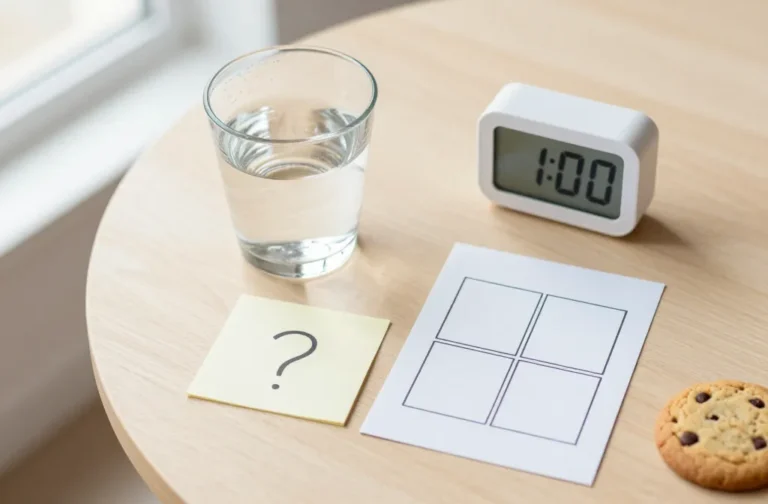
When the urge hits, wait five minutes. Drink water. Walk around. If you still want the snack after five minutes, decide intentionally.
Swap the Habit
Tie snacky times to a new mini-ritual:
- Afternoon slump? Tea + 5 push-ups + fresh air instead of chips.
- Stress? Two-minute box breathing or a quick stretch.
- TV nibbling? Fidget toy or herbal tea to keep your hands busy.
Plan Snacks You Don’t Have to Fight
Yes, planned snacks. The point isn’t zero snacks; it’s intentional snacks. Choose options with protein and fiber so you don’t boomerang back to the pantry.
Snack Ideas That Actually Fill You Up
- Greek yogurt (plain) + berries + drizzle of honey
- Apple + 1–2 tbsp peanut butter
- Hummus + carrots/cukes/bell peppers
- Cottage cheese + pineapple or tomatoes
- Hard-boiled eggs + a piece of fruit
- Protein shake + a handful of nuts
IMO, you win when your snacks look a little boring but taste good and keep you full.
Use Simple Boundaries (Not Food Prison)
Boundaries reduce decision fatigue. They don’t need to feel harsh.
- Eat at the table only. Not at your desk, not in the car, not in bed.
- Plated eating only. No eating from containers. Put it on a plate so you see the portion.
- Set eating windows. Example: meals at 8, 1, 7; snack at 3:30. Outside those times? Water, tea, or a walk.
You don’t need perfection—just consistency most days.
Head Games: Make Mindful Eating the Default
Mindfulness isn’t woo-woo; it’s noticing before your hand hits the chip bag.
Questions to Ask Before You Eat
- Am I hungry, or am I bored/anxious/tired?
- What would satisfy me and keep me full for hours?
- If I want the treat, can I put it on a plate and sit to enjoy it?
If you choose to eat, own it. Eat slowly. Stop at “satisfied,” not “I regret everything.”
Sample Mini-Recipes with Nutrition (Per Serving)
FYI: Serving sizes are noted; nutrition values are estimates based on standard USDA data.
1) Greek Yogurt Parfait
Serving size: 1 parfait (3/4 cup plain nonfat Greek yogurt, 1/2 cup blueberries, 1 tsp honey, 1 tbsp chopped almonds)
- Calories: ~200
- Total Fat: ~5 g
- Total Carbohydrates: ~25 g
- Dietary Fiber: ~4 g
- Net Carbs: ~21 g
- Protein: ~19 g
2) Apple with Peanut Butter
Serving size: 1 medium apple (182 g) + 1 tbsp (16 g) peanut butter
- Calories: ~215
- Total Fat: ~8 g
- Total Carbohydrates: ~31 g
- Dietary Fiber: ~5 g
- Net Carbs: ~26 g
- Protein: ~5 g
3) Hummus and Veggie Plate
Serving size: 1 plate (1/4 cup hummus ~62 g, 1 cup carrot sticks ~122 g, 1 cup cucumber slices ~104 g)
- Calories: ~185
- Total Fat: ~8 g
- Total Carbohydrates: ~24 g
- Dietary Fiber: ~7 g
- Net Carbs: ~17 g
- Protein: ~6 g
4) Cottage Cheese with Pineapple
Serving size: 1 bowl (1/2 cup low-fat cottage cheese, 1/2 cup pineapple chunks in juice, drained)
- Calories: ~150
- Total Fat: ~2 g
- Total Carbohydrates: ~20 g
- Dietary Fiber: ~2 g
- Net Carbs: ~18 g
- Protein: ~14 g
5) Hard-Boiled Eggs + Fruit
Serving size: 2 large eggs + 1 small orange (96 g)
- Calories: ~210
- Total Fat: ~11 g
- Total Carbohydrates: ~12 g
- Dietary Fiber: ~2 g
- Net Carbs: ~10 g
- Protein: ~13 g
6) Protein Shake and Nuts
Serving size: 1 scoop whey in water (assume 25 g protein) + 1/2 oz almonds (14 g)
- Calories: ~220
- Total Fat: ~7 g
- Total Carbohydrates: ~8 g
- Dietary Fiber: ~2 g
- Net Carbs: ~6 g
- Protein: ~29 g
Disclaimer: Nutrition values are estimates and can vary by brand, preparation, and portion size.
FAQs
Do I need to cut out snacks completely?
Nope. Snacks can help you hit protein goals and avoid energy crashes. The goal is intentional snacks, not random handfuls every hour.
What if I’m actually hungry between meals?
Eat. Real hunger means your body needs fuel. Choose a protein-plus-fiber snack, then adjust your next meal to include more protein or volume so it lasts longer.
How do I stop nighttime grazing?
Close the kitchen after dinner, brush your teeth, and switch to no-cal drinks. Plan a satisfying dinner with protein, veggies, carbs, and fat. If you truly get hungry later, have a planned snack, plate it, and sit down to eat.
Is intermittent fasting the answer?
It can reduce decision fatigue for some people. But it’s not magic. If your meals aren’t balanced, you’ll still graze during your eating window. IMO, focus on meal quality first.
How long until the grazing habit fades?
Give it 2–4 weeks of consistent routines. You’ll still have moments, but urges lose steam when your environment and meals do the heavy lifting.
Wrap-Up: Fewer Handfuls, More Control
You don’t need monk-level discipline. You need better meals, smart defaults, and a couple of tiny rules that spare your willpower. Spot the triggers, plate your food, and keep snacks purposeful. Do that most days and the “oh look, I’m eating again” spiral stops for good.