How to Stop Rewarding Yourself with Food Without Misery
You crushed a workout, finished a soul-sucking report, or survived a family gathering without flipping a table. Your brain screams, “We deserve cake!” That reflex isn’t random—it’s a habit loop. And sure, food feels like a tiny party for your mouth, but tying every win to a treat can sabotage your goals faster than you can say “extra fries.” Let’s break the cycle without going joyless monk mode.
Why We Keep Treating Ourselves With Food
We learned it early. Clean your room, get a cookie. Bad day, grab ice cream. That pattern sticks, and your brain wires reward = food. Over time, it becomes automatic.
Also, food hits the dopamine button. Quick pleasure, low effort. That combo is catnip for a stressed brain. FYI, none of this means you “lack willpower.” It means your brain works exactly as designed. So let’s outsmart it.
Overeating is a pattern. This helps you fix that problem. A quick reset for cravings, snacking, and “I’ll start tomorrow” moments.
Built for busy home cooks who want real-life structure. Simple steps that fit meal prep, family dinners, and late-night snack attacks.
Redefine “Reward” So Food Isn’t the Hero
Your life needs treats. Just not only edible ones. Build a go-to list that scratches the same itch without the sugar crash.
Create a Reward Menu
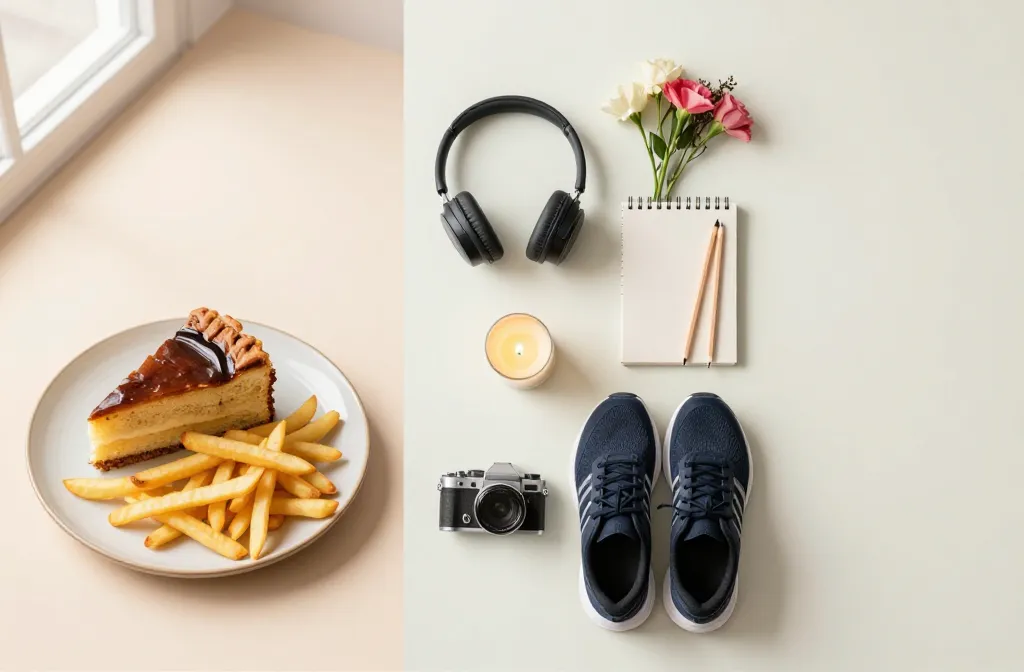
- Micro-luxuries: fancy coffee, new candle, 20-minute power nap, fresh flowers
- Movement treats: walk while listening to your favorite podcast, dance break, stretching with a view
- Social boosts: call a hype friend, send a voice note, quick board game
- Creative hits: draw, journal, do a 10-minute photo walk
- Gadgets & gear: new water bottle, book, resistance band, comfy socks
Post this list where you’ll see it. When your brain yells “brownie,” you’ll have options that don’t involve frosting.
Use the Habit Loop (Don’t Fight It Blindly)
Habits follow cue → routine → reward. You can’t bulldoze that forever. Swap the routine, keep the cue and reward.
The Replacement Rule
- Cue: 4 p.m. energy slump at work
- Old routine: raid the vending machine
- New routine: 5-minute walk + sparkling water
- Reward: dopamine hit from movement + carbonation “treat”
Do this consistently for 2-4 weeks, and you’ll notice less food FOMO. IMO, consistency beats intensity here.
Allow Food Joy—Strategically

I’m not the fun police. You can enjoy food without making it your only prize. The trick? Plan indulgences, don’t react to them.
The 3-2-1 Framework
- 3 planned indulgences per week: a dessert, a favorite drink, or a special dinner
- 2 non-food rewards daily: morning sunlight + evening walk, for example
- 1 boundary phrase: “I can have that on Saturday.”
You honor your cravings without getting steamrolled by them. Saturday-you will be thrilled.
Stack Tiny Wins That Don’t Need Food
You chase the “I did it!” feeling. Let’s feed that without snacks.
- Track streaks: movement, hydration, bedtime. Seeing progress releases dopamine too.
- Micro-goals: 10 minutes of deep work, 2 pages of reading, 5 push-ups.
- Visual cues: habit tracker, calendar X’s, sticky note “wins” jar.
FYI, your brain loves visible evidence. Give it trophies that aren’t cookies.
Neutralize Trigger Foods and Trigger Moments
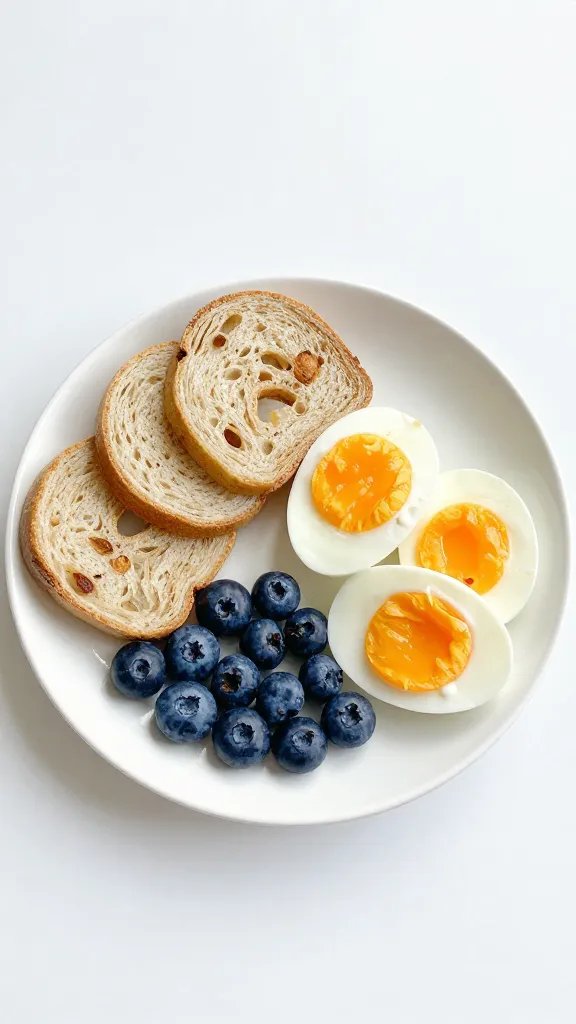
We all have foods that basically shout our name. You don’t need to ban them forever—just set guardrails.
Smart Boundaries
- No “family-size” at home if you live alone. Buy single-serve or portion into baggies.
- Pair treats with a meal instead of eating them solo. It reduces overeating.
- Swap location: eat treats out, not in your kitchen where autopilot happens.
- Pre-decide: “Chocolate on Wednesdays and Saturdays.” Decision fatigue: gone.
Upgrade Comfort: Eat for Nourishment, Not Negotiation
When you’re starving, tired, or stressed, your brain begs for quick energy. Front-load protein, fiber, and healthy fats so you don’t white-knuckle your way past the bakery.
Easy, Satisfying Swaps
- Protein + crunch: Greek yogurt + berries + almonds
- Salty craving: popcorn + parmesan + olive oil drizzle
- Sweet craving: apple + peanut butter + cinnamon
- Drink craving: sparkling water + splash of juice + lime
These aren’t “rewards.” They’re basic self-care that helps you think clearly.
When Emotions Drive the Bus
Sometimes you aren’t hungry; you’re bored, anxious, or lonely. Food mutes that. But only for ten minutes.
Feel-It-First Practice
- Ask: “Am I hungry, or am I feeling [emotion]?”
- Rate hunger 1–10. If it’s under 4, try a 10-minute pause.
- Choose a state changer: text a friend, step outside, breathe box-style (4-4-4-4), or tidy one tiny thing.
If you still want the treat after 10 minutes, have a portion you planned. No moral drama.
FAQ
Is it bad to ever reward myself with food?
Nope. Food can be joyful. The problem shows up when food becomes the default reward, the only way you celebrate, or a stress coping tool. Keep it in the rotation, just not as the star.
How do I stop feeling deprived?
Add, don’t just subtract. Build a non-food reward menu, plan a couple of weekly indulgences, and upgrade your daily meals so you feel satisfied. Deprivation is a sign your system needs more joy or more protein—sometimes both.
What should I do after I “mess up”?
Drop the guilt spiral. Decide your next best action: drink water, eat a balanced meal, take a short walk. One choice doesn’t define you. Consistency beats perfection, IMO.
How long does it take to change the habit?
Expect 2–8 weeks to feel a real shift. It depends on how often you’ve paired achievements with food. Track small wins and you’ll speed it up.
What if friends and family push food as a reward?
Use a polite script: “That looks amazing. I’m saving dessert for Saturday.” Or, “I’m good for now, but I’d love a tea.” Offer an alternative plan like a walk or a game—people usually want connection, not just cookies.
Simple Snack-y “Treat” Ideas With Nutrition Estimates
Below are three quick, satisfying “treat” options that feel special without derailing your goals. I included estimated nutrition per serving. Serving sizes are noted; if not provided, I chose reasonable portions.
1) Greek Yogurt Parfait
Serving size: 1 bowl
Ingredients:
– 3/4 cup (170 g) plain nonfat Greek yogurt
– 1/2 cup (75 g) mixed berries (strawberries/blueberries)
– 1 tbsp (10 g) sliced almonds
– 1 tsp (7 g) honey
Estimated nutrition per serving:
– Calories: 175
– Total Fat: 4.5 g
– Total Carbohydrates: 23 g
– Dietary Fiber: 4 g
– Net Carbs: 19 g
– Protein: 16 g
2) Apple + Peanut Butter
Serving size: 1 snack plate
Ingredients:
– 1 medium apple (182 g)
– 1 tbsp (16 g) natural peanut butter
Estimated nutrition per serving:
– Calories: 190
– Total Fat: 8 g
– Total Carbohydrates: 28 g
– Dietary Fiber: 5 g
– Net Carbs: 23 g
– Protein: 4 g
3) Savory Popcorn Bowl
Serving size: about 3 cups popped
Ingredients:
– 3 cups air-popped popcorn (24 g unpopped equivalent)
– 1 tsp olive oil
– 1 tbsp grated parmesan
– Pinch salt
Estimated nutrition per serving:
– Calories: 150
– Total Fat: 7 g
– Total Carbohydrates: 16 g
– Dietary Fiber: 3 g
– Net Carbs: 13 g
– Protein: 5 g
Disclaimer: Nutrition values are estimates based on standard USDA data and typical products. Actual numbers can vary with brands, portion sizes, and preparation.
Wrap-Up
You don’t need to break up with food; you just need a bigger reward toolbox. Plan a few indulgences, stack non-food wins, and swap routines—not your entire personality. Celebrate often, eat with intention, and let treats be treats—not coping strategies. You’ve got this.