How to Trust Yourself Around Food Again for Real
You don’t need more willpower. You need more trust. If food feels like a frenemy—tempting you, then “betraying” you—let’s call a truce. You can rebuild trust with your body and stop feeling like every meal is a test you’ll fail. No rigid rules, no food guilt, no spreadsheets of macros (unless you’re into that kind of chaos).
Start With Permission, Not Policing
Food rules feel safe—until they don’t. When you restrict, your brain gets louder, cravings spike, and suddenly the peanut butter jar calls you by your first name. Cool trick, but not helpful.
Try this:
Overeating is a pattern. This helps you fix that problem. A quick reset for cravings, snacking, and “I’ll start tomorrow” moments.
Built for busy home cooks who want real-life structure. Simple steps that fit meal prep, family dinners, and late-night snack attacks.
- Give yourself full permission to eat all foods. Yes, even the fun ones. Scarcity creates obsession.
- Neutralize food language: no “good” or “bad,” only “satisfying” or “meh.”
- Remove arbitrary deadlines like “I’ll be good starting Monday.” That just fuels last-supper eating.
But won’t I just eat cookies forever?
Maybe for a few days. Then novelty fades, because your body gets bored of sugar-only meals. Trust builds when you prove you won’t yank foods away.
Relearn Hunger and Fullness Cues

If you’ve dieted for years, your internal “gas gauge” might feel broken. It’s not. It’s just ignored.
Use the hunger-fullness scale (0–10):
- 0–1: Ravenous. Would eat your own shoe.
- 3–4: Pleasantly hungry. Food sounds good.
- 6–7: Comfortable, satisfied.
- 8–9: Very full, uncomfortable.
Goal: Start meals around 3–4. Pause at 5–6. You don’t need to stop—just check in like a kind adult.
Mini check-in script
Ask yourself mid-meal:
- “What’s my number?”
- “What bite would feel best right now?”
- “Do I want taste, texture, or just a break?”
Build Meals That Actually Satisfy
If your lunch is a lonely salad leaf, of course you’ll want the office donuts later. You’re not “weak,” you’re underfed.
Use the PFF method (Protein, Fat, Fiber):
- Protein keeps you full: eggs, yogurt, tofu, chicken, beans.
- Fat adds satisfaction: avocado, olive oil, nuts, cheese.
- Fiber steadies energy: veggies, fruit, whole grains, legumes.
Add something fun for taste—sauce, chips, chocolate. Fullness without joy doesn’t build trust. Satisfaction does.
Sample satisfying combos
- Yogurt + granola + berries + peanut butter drizzle
- Turkey sandwich + cheese + avocado + chips + apple
- Rice bowl with tofu/chicken + veggies + spicy mayo
Practice Gentle Structure (Not Rigid Rules)
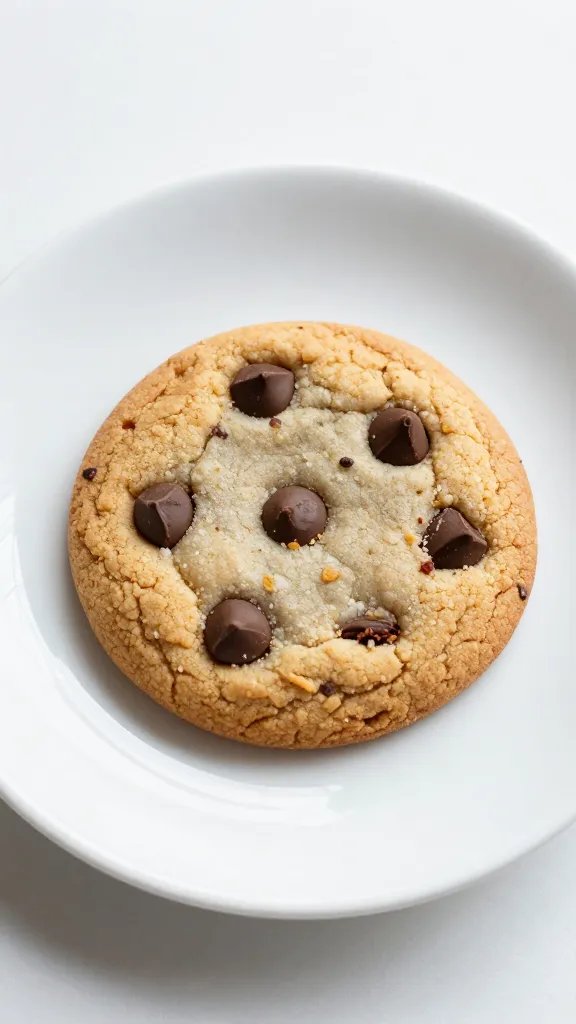
Structure calms your nervous system; rules freak it out. Eat regularly so you don’t hit “feral hunger.”
IMO, this rhythm works for most:
- 3 meals, 1–2 snacks
- Eat every 3–4 hours
- Carry snacks: nuts, bars, fruit, cheese sticks
FYI: Skipping meals to “save up” for later usually backfires. Your body always collects.
Remove Moral Drama From Eating
Guilt doesn’t digest food. You didn’t “mess up.” You just ate.
Reframe slip-ups:
- Swap “I blew it” for “I learned something.”
- Ask “What did I need?” Maybe comfort, carbs, or an actual break.
- Make the next best choice—not the perfect one.
Self-talk upgrade
Old: “I have no discipline.”
New: “I got over-hungry and overdid it. Next time I’ll add protein at lunch.”
Dealing With Trigger Foods
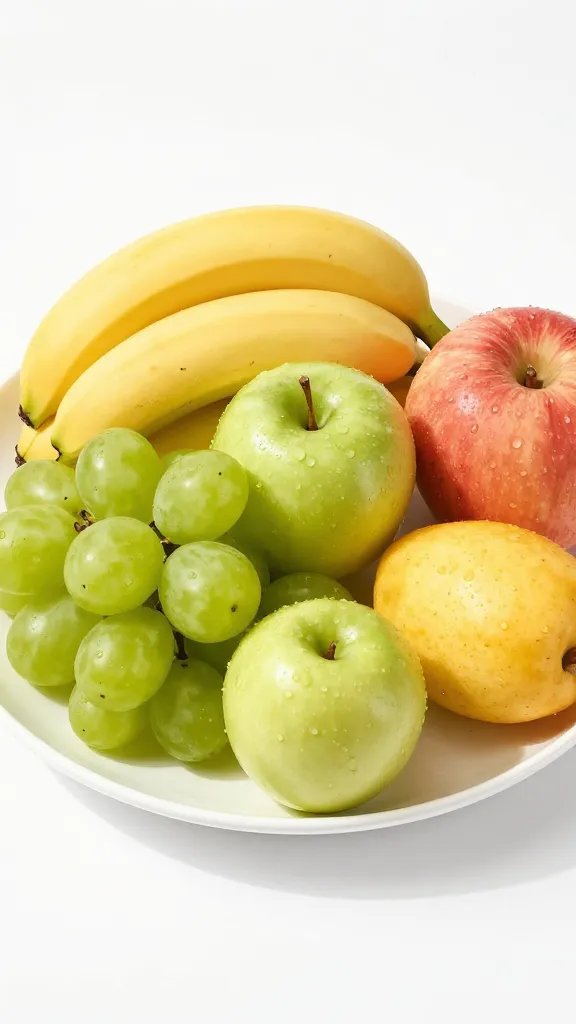
Everyone has kryptonite foods. Keep them around anyway. Avoidance keeps the panic alive.
Desensitization plan:
- Pick one food (e.g., brownies).
- Buy a serving or two—not a warehouse pack.
- Eat it seated, plated, undistracted. Rate satisfaction 1–10.
- Repeat 2–3 times a week until the drama fades.
If you binge when stressed, that’s not a food problem. That’s a coping problem. Add options: walks, texts to a friend, journaling for 5 minutes, short nap.
Track Data, Not Drama
You don’t need a calorie audit. But a little curiosity helps.
Try a 7-day observation:
- When did I feel content after eating?
- When did I feel out of control?
- What pattern shows up? (Skipping breakfast? Under-fueling workouts?)
Note trends, then tweak one thing at a time. Small wins compound.
FAQ
What if I can’t tell when I’m hungry?
Eat on a schedule for a bit: every 3–4 hours. Your cues often reappear once your body trusts food will show up. Warm meals and protein help those cues come back online.
How do I stop eating at night?
Front-load your day. Most nighttime overeating stems from under-eating earlier. Add an afternoon snack with protein and fat. Then make a legit evening snack a plan, not a “failure.”
Is sugar addiction real?
Many people feel addicted when they restrict carbs and then rebound hard. When you eat enough regularly, the white-knuckle cravings usually drop. If you still struggle, get support—no shame in teamwork.
Can I lose weight while doing this?
Possibly, but the first goal is stability. Once you normalize eating and reduce binges, your body often finds a comfortable range. Pursue habits, not a number. You’re more than math.
Do I need to cut out any foods for health?
Not unless you have a medical reason or allergy. Most people thrive with variety, enough protein, fiber, and plants. Add more good stuff rather than obsess over less “bad” stuff.
Quick Recipes + Estimated Nutrition
FYI: Serving sizes are estimates when not specified. Values based on standard USDA data; actual numbers vary by brand and method.
1) Greek Yogurt Parfait (per serving)
Serving: 1 parfait (3/4 cup plain 2% Greek yogurt, 1/3 cup granola, 1/2 cup strawberries, 1 tbsp honey)
– Calories: ~360
– Total Fat: ~9 g
– Total Carbohydrates: ~55 g
– Dietary Fiber: ~4 g
– Net Carbs: ~51 g
– Protein: ~18 g
2) Turkey Avocado Sandwich + Apple (per serving)
Serving: 1 sandwich (2 slices whole-wheat bread, 3 oz turkey, 1 slice cheddar, 1/4 avocado, mustard) + 1 medium apple
– Calories: ~600
– Total Fat: ~22 g
– Total Carbohydrates: ~74 g
– Dietary Fiber: ~12 g
– Net Carbs: ~62 g
– Protein: ~30 g
3) Tofu Rice Bowl with Veggies & Spicy Mayo (per serving)
Serving: 1 bowl (1 cup cooked white rice, 3 oz firm tofu sautéed in 1 tsp oil, 1 cup mixed veggies, 1 tbsp soy sauce, 1 tbsp spicy mayo)
– Calories: ~530
– Total Fat: ~20 g
– Total Carbohydrates: ~67 g
– Dietary Fiber: ~5 g
– Net Carbs: ~62 g
– Protein: ~18 g
4) Snack Plate: Cheese, Nuts, and Fruit (per serving)
Serving: 1 plate (1 oz cheddar, 1 oz almonds, 1 medium clementine)
– Calories: ~350
– Total Fat: ~25 g
– Total Carbohydrates: ~18 g
– Dietary Fiber: ~4 g
– Net Carbs: ~14 g
– Protein: ~15 g
5) Peanut Butter Banana Toast (per serving)
Serving: 1 slice whole-grain toast, 1 tbsp peanut butter, 1/2 medium banana, sprinkle of cinnamon
– Calories: ~250
– Total Fat: ~9 g
– Total Carbohydrates: ~36 g
– Dietary Fiber: ~5 g
– Net Carbs: ~31 g
– Protein: ~7 g
Disclaimer: Nutrition values are estimates for general guidance and can vary with specific products, portion sizes, and preparation methods.
Conclusion
You don’t earn trust with perfection—you earn it with consistency. Feed yourself enough, often, and with foods you actually like. Check in, adjust, and keep moving. You can handle this—no food police required. IMO, that’s real freedom.