Korean Ground Beef Bowls That Beat Takeout in 15 Minutes (Yes, Really)
If dinner feels like a daily hostage situation, this is your escape plan. Korean ground beef bowls pack sweet-salty heat, addictive crunch, and that “how is this so good?” vibe—all with pantry staples and one skillet. No marinating, no fancy equipment, no culinary degree.
You can meal-prep it, feed a crowd, or eat it straight from the pan like a goblin; zero judgment. Spoiler: you’ll spend more time accepting compliments than cooking.
Overeating is a pattern. This helps you fix that problem. A quick reset for cravings, snacking, and “I’ll start tomorrow” moments.
Built for busy home cooks who want real-life structure. Simple steps that fit meal prep, family dinners, and late-night snack attacks.
The Secret Behind This Recipe
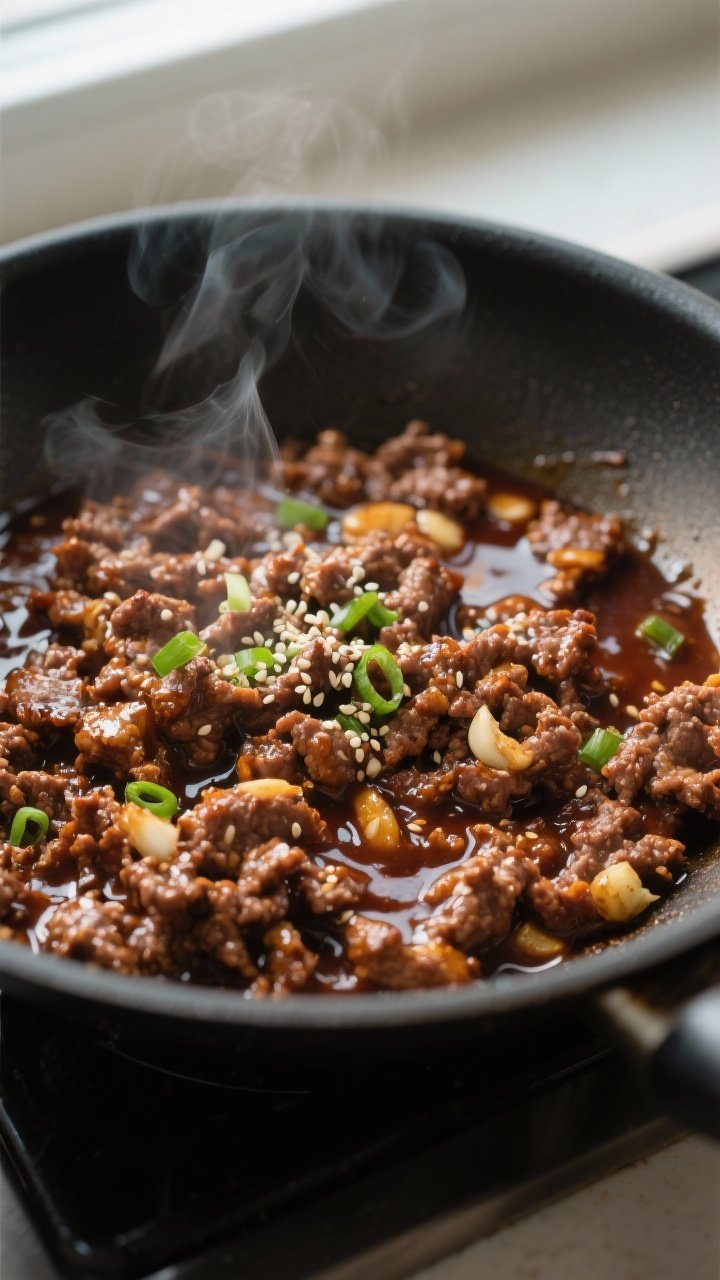
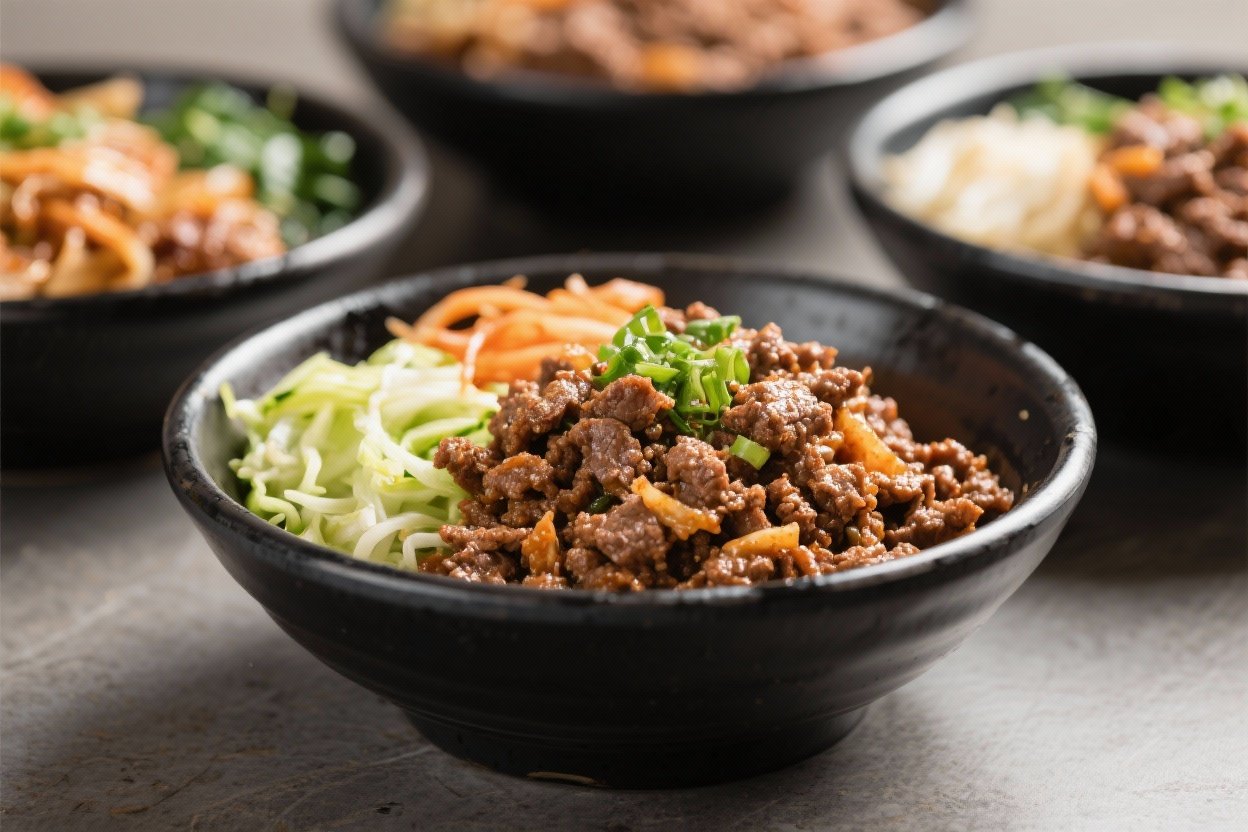
The magic is contrast. You get caramelized beef that’s slightly crisp at the edges, coated in a glossy sauce that balances soy, brown sugar, garlic, and a kick of gochujang.
Then you hit it with freshness: scallions, sesame, and a quick tangy veggie crunch. That one-two punch turns humble ground beef into something you’d pay $18 for in a bowl shop. Another secret? Bloom the aromatics in oil before the sauce meets the meat.
That lets the garlic and ginger go from loud to symphonic. Also, a small splash of rice vinegar wakes the whole dish up at the end—like turning on the lights at a concert. You’ll taste the difference.
Ingredients
- 1 lb (450 g) ground beef (80–90% lean)
- 1 tbsp neutral oil (canola or avocado)
- 4 cloves garlic, minced
- 1 tbsp fresh ginger, minced or grated
- 1/3 cup low-sodium soy sauce
- 1/4 cup brown sugar (light or dark)
- 1–2 tbsp gochujang (Korean chili paste), to taste
- 1 tsp toasted sesame oil
- 1–2 tsp rice vinegar (to finish)
- 1/4 tsp black pepper
- 1/4–1/2 tsp red pepper flakes (optional, for extra heat)
- 3 cups cooked rice (jasmine, sushi rice, or brown rice)
- 1 cup shredded carrots or matchstick carrots
- 1 cup thinly sliced cucumbers (Persian or English)
- 2–3 scallions, thinly sliced
- 2 tsp toasted sesame seeds
- Optional add-ons: fried or jammy egg, quick-pickled radish, kimchi, sautéed spinach
Instructions
- Make the sauce. In a small bowl, whisk soy sauce, brown sugar, gochujang, black pepper, and sesame oil.
Set aside. Adjust gochujang based on your spice tolerance. FYI, it builds heat fast.
- Prep the quick crunch. Toss cucumbers with a pinch of salt and a splash of rice vinegar.
Let sit while you cook. This gives a bright bite that cuts through the richness.
- Bloom aromatics. Heat oil in a large skillet over medium-high. Add garlic and ginger for 20–30 seconds until fragrant.
Don’t brown them—they’ll turn bitter faster than a bad Yelp review.
- Brown the beef. Add ground beef and break it up with a spatula. Cook 5–6 minutes until no pink remains and edges are starting to caramelize. Drain excess fat if needed.
- Sauce it up. Pour the sauce over the beef.
Stir and let it bubble 1–2 minutes until glossy and slightly sticky. If it looks dry, add 1–2 tablespoons water to loosen.
- Finish smart. Turn off heat and splash in rice vinegar. Taste and adjust salt, heat, and sweetness.
You want sweet-salty-savory with a clean finish.
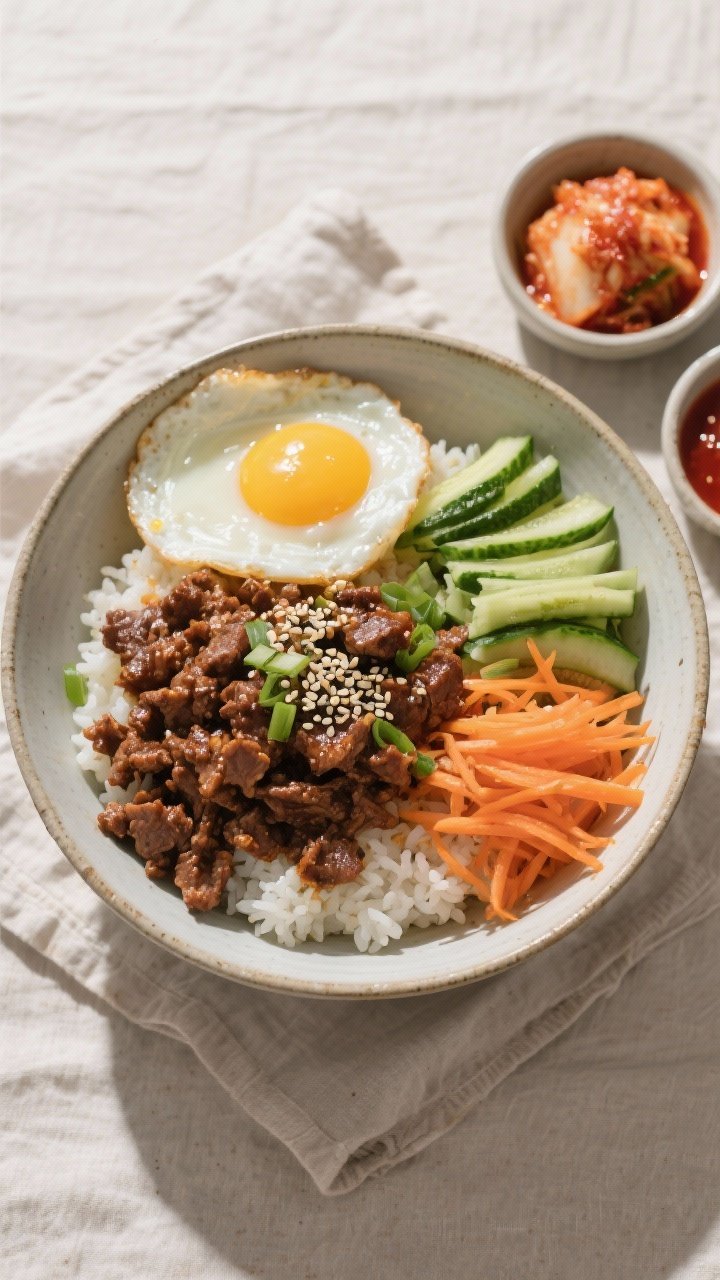
- Build the bowls. Add rice to bowls, top with beef, carrots, cucumbers, and scallions. Sprinkle sesame seeds. Optional: add a fried egg or kimchi for extra swagger.
Preservation Guide
- Fridge: Store cooked beef in an airtight container for up to 4 days.
Keep veggies and rice separate so textures stay on point.
- Freezer: Portion beef into freezer bags or containers, press flat, and freeze up to 3 months. Thaw overnight in the fridge.
- Reheat: Skillet over medium heat with a splash of water or broth to re-gloss the sauce. Microwave works too—cover to keep it from drying out.
- Meal prep tip: Pack rice and beef together and keep crunchy veggies separate until serving.
No one likes soggy cucumbers. No one.
Health Benefits
- Protein power: Ground beef delivers high-quality protein for muscle repair and satiety. Pairing it with rice and veggies gives a balanced macro profile.
- Iron and B vitamins: Beef is rich in heme iron and B12, supporting energy levels and cognitive function.
Helpful if your brain feels like a browser with 87 tabs.
- Anti-inflammatory compounds: Garlic and ginger bring antioxidants that support immune health and digestion.
- Smart carbs and fiber: Using brown rice or adding more veggies increases fiber, which supports gut health and keeps you full longer.
- Manage the sodium: Opt for low-sodium soy sauce and balance with vinegar and aromatics for flavor without a salt bomb.
Don’t Make These Errors
- Skipping the aromatics bloom: Tossing raw garlic into the sauce later robs you of depth. Give it 20–30 seconds in hot oil first.
- Overcrowding the pan: If your skillet is small, cook beef in two batches. Steamed beef = sad flavor.
- Forgetting acid: A tiny hit of rice vinegar at the end sharpens everything.
Without it, the bowl can taste flat and too sweet.
- Using regular soy without adjusting: If not low-sodium, reduce soy by a tablespoon and thin with water. Your taste buds will thank you.
- Cucumber meltdown: Don’t dress cucumbers too early if meal prepping. Keep them separate to avoid limp city.
Variations You Can Try
- Lean and green: Swap beef for ground turkey or chicken.
Add 1 tsp extra oil and 1 tbsp water to keep it juicy.
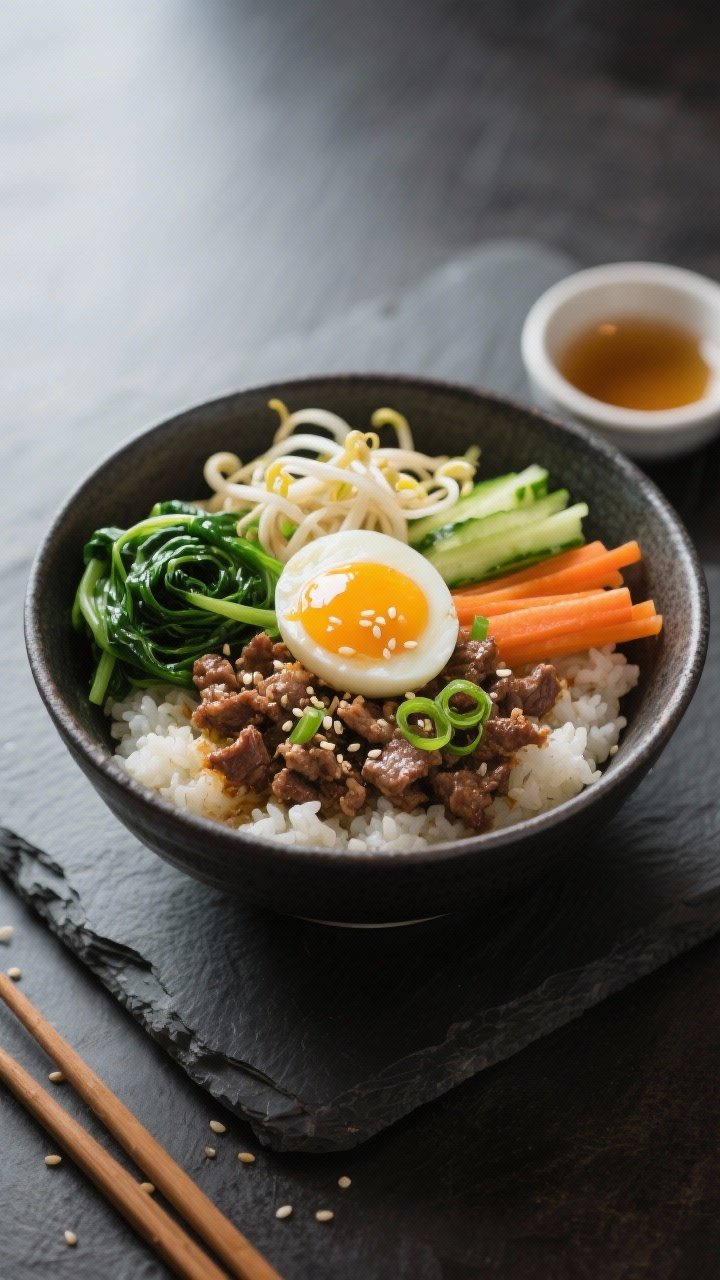
- Bibimbap-ish: Top with a crispy fried egg, sautéed spinach, bean sprouts, and a drizzle more gochujang. Not authentic bibimbap, but dangerously good.
- Low-carb bowl: Serve over cauliflower rice or shredded cabbage. Add avocado for creaminess and extra satiety.
- Noodle vibe: Toss the beef with cooked rice noodles or udon.
Thin the sauce with 2–3 tbsp water for better coating.
- Veg-forward: Add mushrooms, bell peppers, or zucchini to the beef during the last 3 minutes. They soak up flavor like pros.
- Sweet swap: Use honey or coconut sugar instead of brown sugar. Start with 2 tbsp and adjust to taste.
- Extra-crispy beef: After browning, press beef into an even layer and let it sit undisturbed 1–2 minutes for caramelized bits before adding sauce.
FAQ
Can I make this gluten-free?
Use tamari or certified gluten-free soy sauce, and confirm your gochujang is gluten-free.
Many brands are, but labels vary.
Is gochujang necessary?
It brings signature sweet heat and umami. If you must swap, use 1 tbsp sriracha plus 1 tsp miso or tomato paste for body, then adjust sugar to taste.
What rice works best?
Jasmine and short-grain white rice both shine. Brown rice is great for a nuttier chew and more fiber.
Leftover day-old rice reheats perfectly here.
How spicy is this?
Mild to medium as written. Add more gochujang or red pepper flakes for heat lovers, or cut back to 1 tsp for a mild, kid-friendly version.
Can I cook it ahead for meal prep?
Yes. Portion beef and rice together and keep veggies separate.
Reheat beef with a splash of water, then add fresh toppings for crunch.
What if I don’t have fresh ginger?
Use 1/2 tsp ground ginger in a pinch. It’s less bright but still tasty. Or sub 1 tsp ginger paste from a tube—super convenient, IMO.
How do I scale this for a crowd?
Double or triple the recipe.
Brown beef in batches for best texture, then combine and sauce in a large pot. Keep warm over low heat and serve buffet-style.
In Conclusion
Korean ground beef bowls are fast, wildly flavorful, and weeknight-proof. With a few pantry staples and a smart sauce, you get crispy-edged beef, fresh crunch, and that craveable sweet-heat balance.
It’s flexible, meal-prep friendly, and ridiculously satisfying—aka the dinner you’ll actually make on repeat. Ready in 15, devoured in 5. Coincidence?
Not even a little.
Printable Recipe Card
Want just the essential recipe details without scrolling through the article? Get our printable recipe card with just the ingredients and instructions.