Lemon Herb Salmon
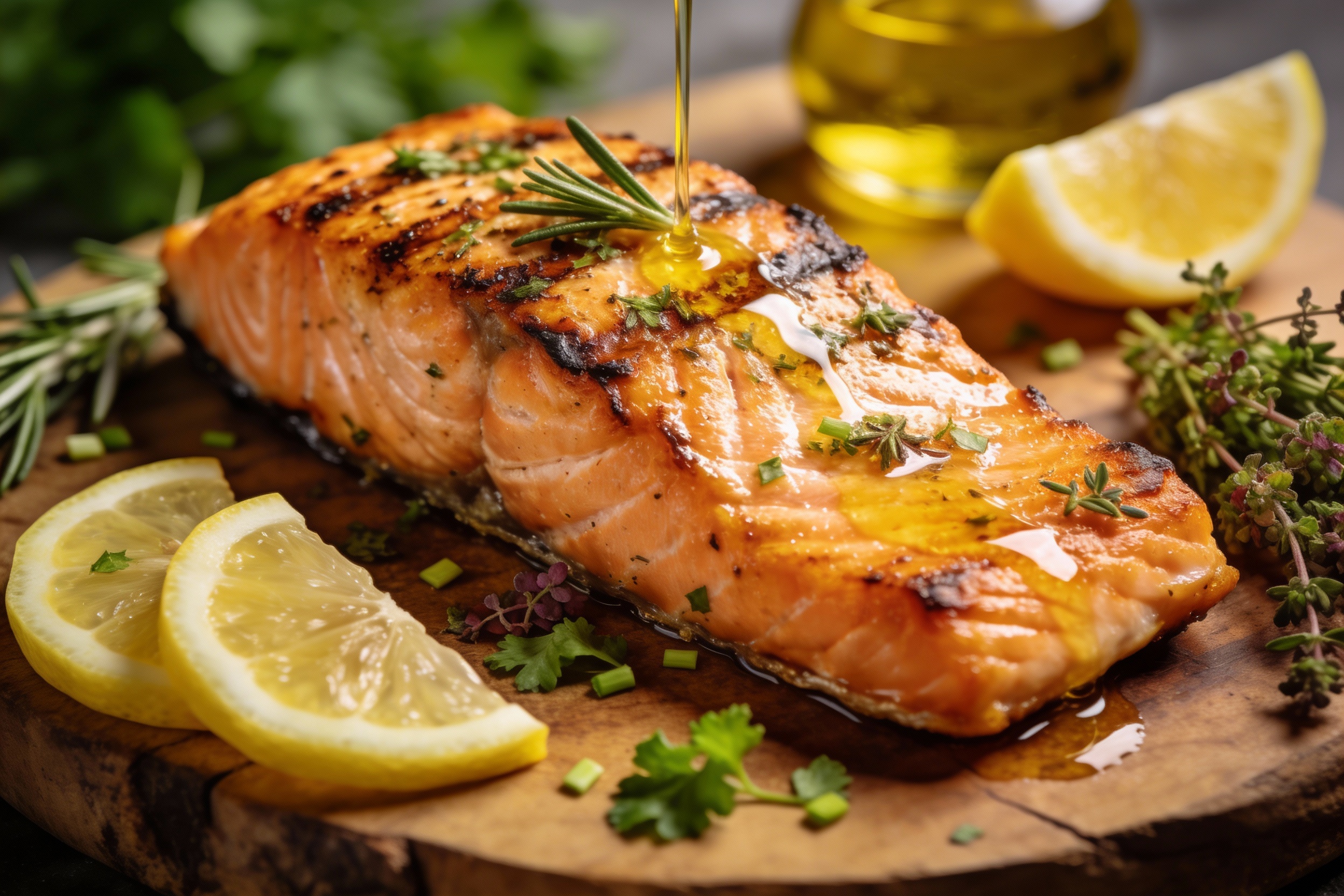
Lemon herb salmon doesn’t need a TED talk. It needs heat, citrus, and a little confidence. You throw together a few fresh herbs, squeeze a lemon, and—boom—dinner with big flavor and zero drama. If you’ve got 20 minutes and a baking sheet, you’ve got a restaurant-level meal, no white tablecloth required.
Why Lemon Herb Salmon Works Every. Single. Time.
You want salmon that tastes bright, buttery, and clean? Lemon and herbs are your MVPs. The acidity from lemon cuts through salmon’s richness, while herbs add freshness that keeps every bite lively. No heavy sauces, no complicated marinades.
Plus, salmon plays nice with different herbs, so you can riff based on what you’ve got. Dill and parsley? Classic. Basil and chives? Stunning. FYI, you can go elegant or rustic here—both win.
Overeating is a pattern. This helps you fix that problem. A quick reset for cravings, snacking, and “I’ll start tomorrow” moments.
Built for busy home cooks who want real-life structure. Simple steps that fit meal prep, family dinners, and late-night snack attacks.
The Simple Formula (That Never Fails)
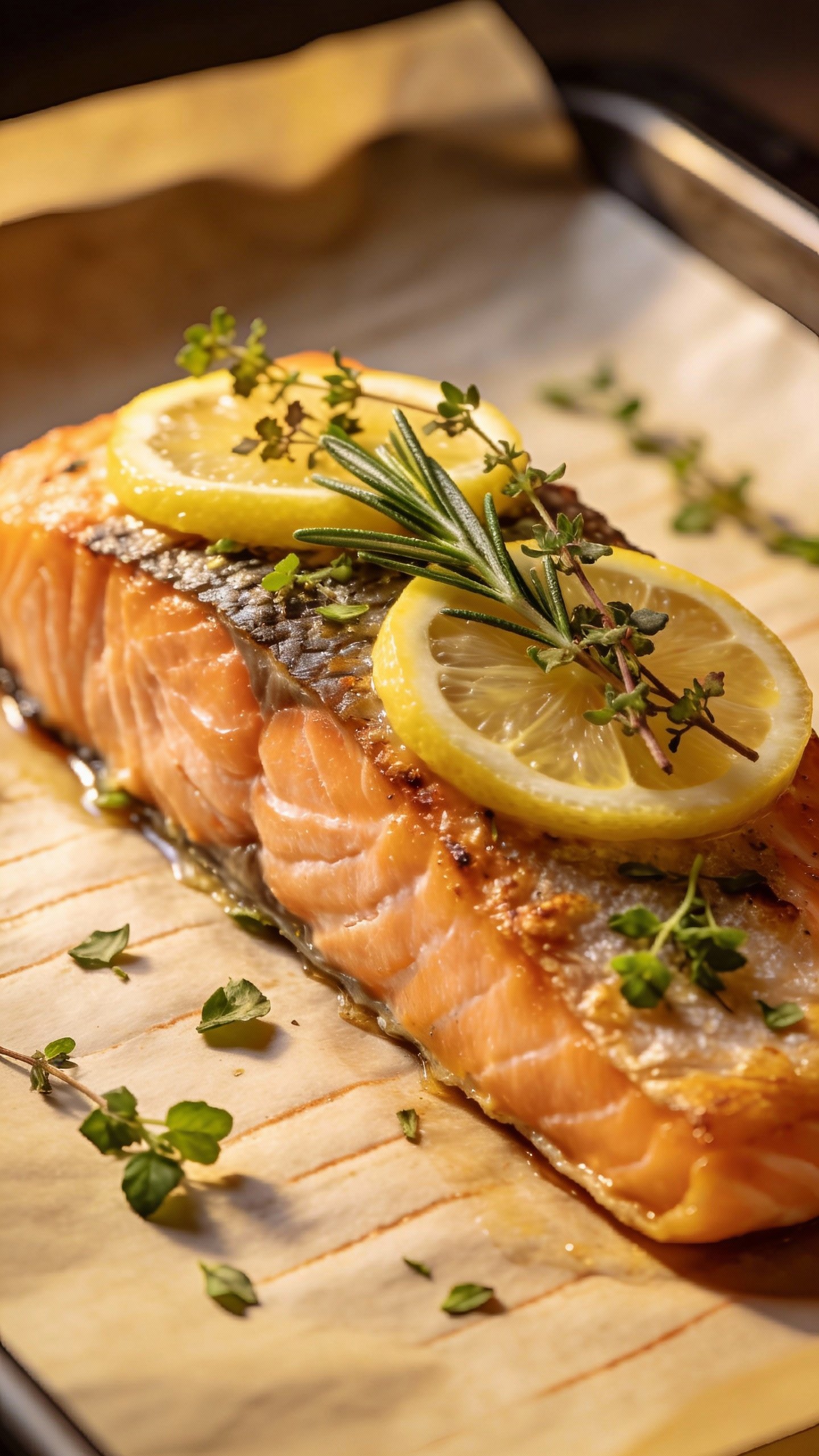
You only need a handful of ingredients to make this sing. Keep these on hand and you can pull off a “wow” dinner on a Tuesday.
- Salmon: Skin-on fillets, 6–8 oz each. Fresh or high-quality frozen.
- Lemon: Zest and juice. Zest gives perfume; juice brings that bright pop.
- Fresh herbs: Dill + parsley = classic. Add thyme or chives if you’re feeling fancy.
- Olive oil or melted butter: Choose your vibe: lighter (oil) or richer (butter).
- Garlic: One small clove, finely minced, or a pinch of garlic powder to keep it mellow.
- Salt + pepper: Don’t skimp. Season generously.
Ratios You Can Memorize
- Per 1 lb salmon: 1 tbsp lemon zest, 1–2 tbsp lemon juice, 2 tbsp chopped herbs, 1.5 tbsp oil or butter, 1 small garlic clove, 1 tsp kosher salt, 1/2 tsp black pepper.
- Want extra zing? Add a pinch of red pepper flakes or a teaspoon of Dijon.
Quick Methods: Pick Your Adventure
You can bake, pan-sear, or grill. Choose what matches your mood, your equipment, and your willingness to wash dishes.
Oven-Baked (Easiest, Most Forgiving)
- Heat the oven to 400°F (205°C). Line a sheet pan with foil or parchment.
- Pat salmon dry. Stir lemon zest, juice, herbs, fat, garlic, salt, and pepper together.
- Brush mixture over the salmon. Lay lemon slices on top if you’re feeling extra.
- Bake 9–12 minutes, depending on thickness, until the center flakes but still looks glossy.
Pro move: Switch to broil for the last 1–2 minutes for light caramelization.
Pan-Seared (Crispy Skin, Big Flavor)
- Heat a skillet over medium-high. Add 1 tbsp oil.
- Season salmon. Sear skin-side down 5–7 minutes until the skin turns crisp and releases easily.
- Flip, drop heat to medium, and spoon on the lemon-herb mixture. Cook 1–3 minutes more.
Tip: Don’t constantly poke it. Let the skin crisp in peace.
Grilled (Smoky and Summery)
- Preheat grill to medium-high. Oil grates well.
- Brush salmon with oil, season, and place skin-side down. Grill 5–6 minutes, then finish 2–4 minutes.
- Toss on the lemon-herb mixture right after grilling so it stays bright.
Herb Combos That Slap
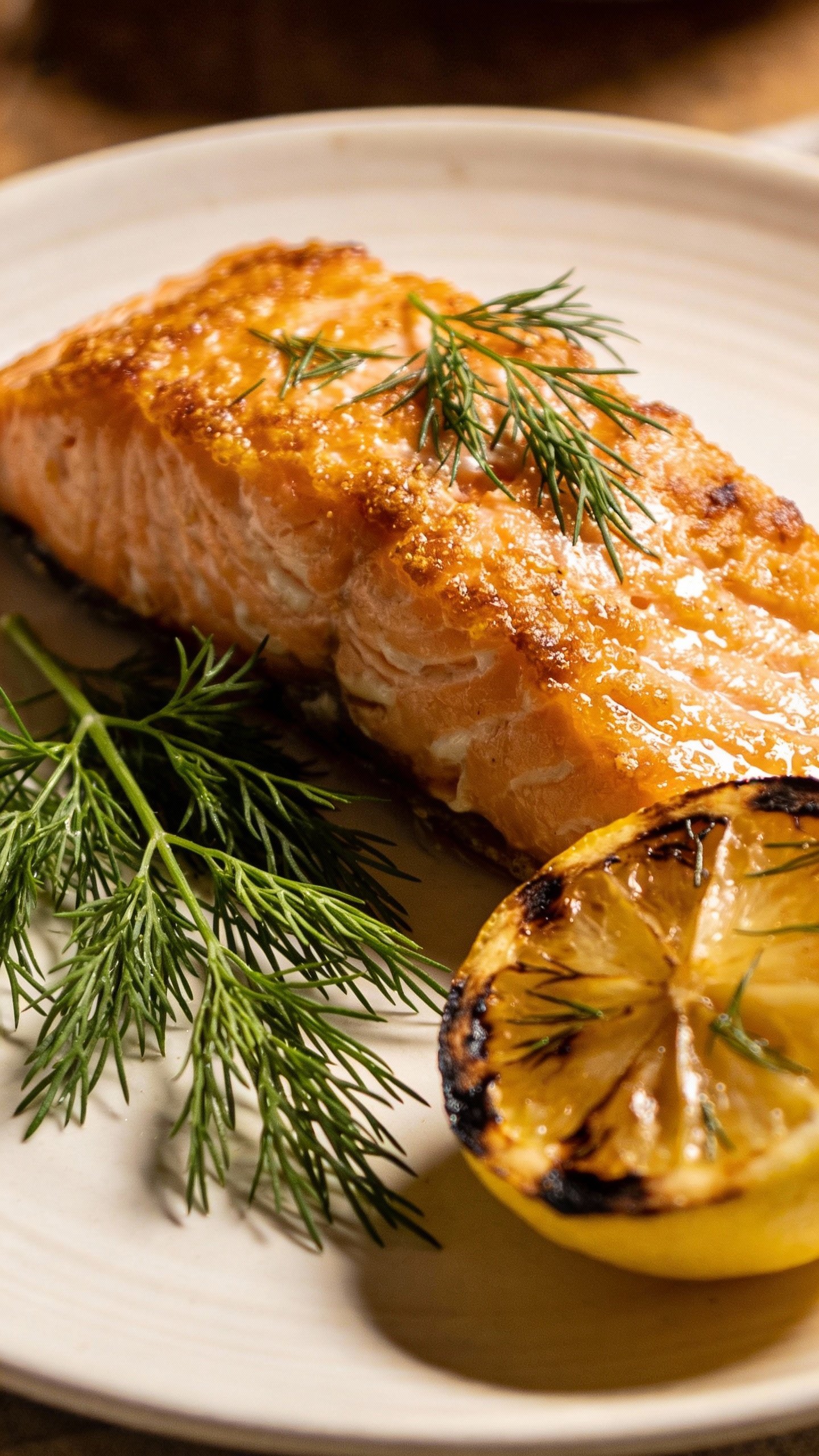
Let’s talk personality. Each combo changes the dish’s vibe, without changing the technique.
- Classic fresh: Dill + parsley + lemon zest. Clean, crowd-pleasing.
- Mediterranean: Thyme + oregano + a pinch of cumin. Add a drizzle of honey, IMO.
- Garden-green: Basil + chives + lemon zest. Ultra fresh, almost pesto-adjacent.
- Nordic: Dill + chervil + a squeeze of lemon over cold-poached salmon. Picnic gold.
- Spicy-citrus: Cilantro + lime zest + red pepper flakes. Not traditional, but outrageously good.
Fresh vs. Dried Herbs
Fresh will taste brighter and more aromatic. If you use dried, reduce the quantity to one-third and add them early so they hydrate. But honestly? Fresh herbs shine here. Worth it.
Texture Goals: Tender, Not Dry
Overcooked salmon tastes like regret. Aim for medium doneness unless you prefer otherwise.
- Visual cues: The sides should turn opaque; the center should stay slightly glossy.
- Flake test: Gently press with a fork; it should flake but still feel juicy.
- Thermometer: 120–125°F for medium-rare, 125–130°F for medium. Pull earlier; carryover heat finishes the job.
Skin-On vs. Skinless
Keep the skin on for protection and flavor. It acts like nature’s nonstick shield. If you go skinless, line the pan and brush oil generously so nothing sticks.
Lazy Sides That Make It a Meal
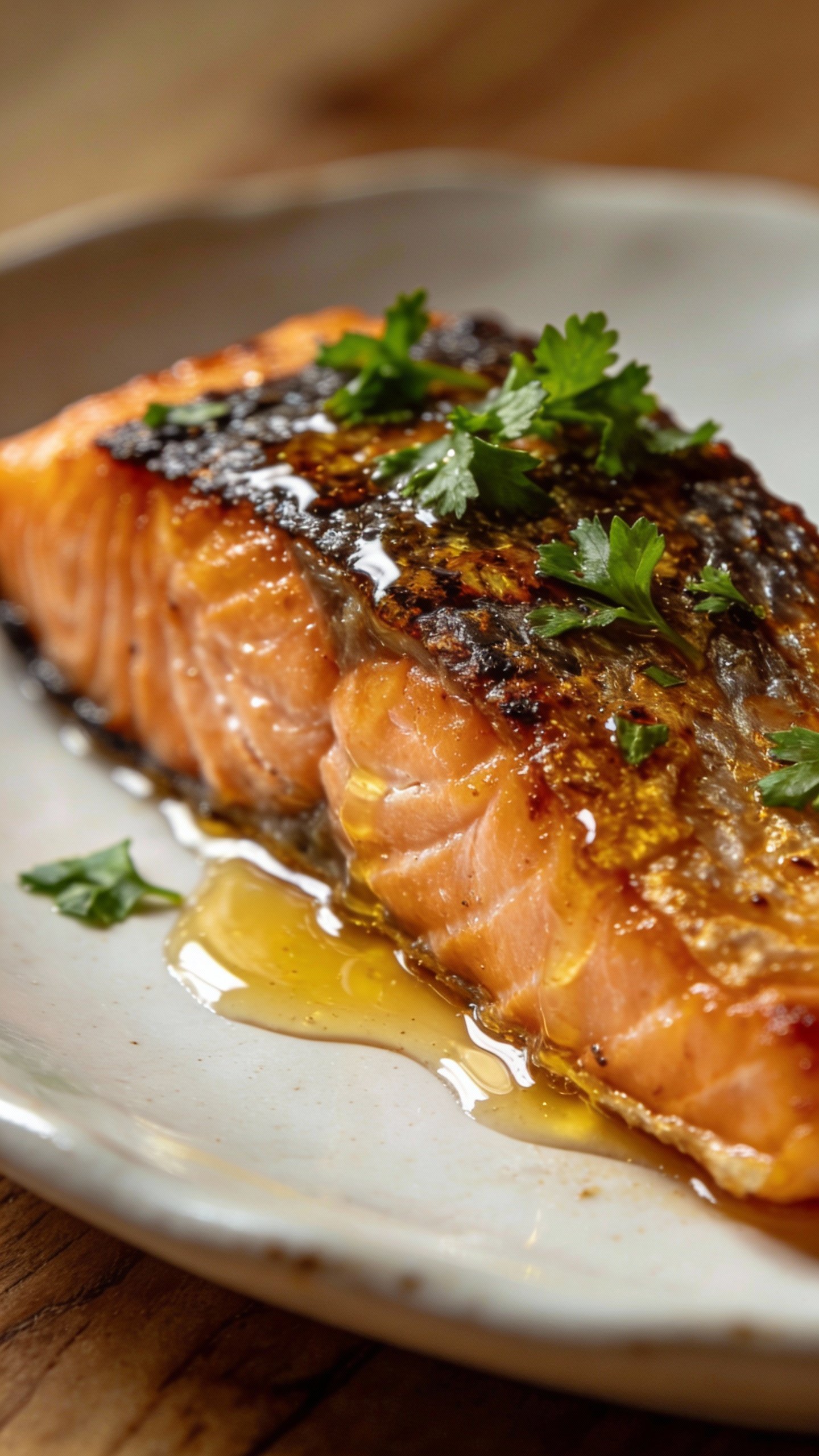
You don’t need a whole production. Balance the salmon’s richness with crisp, bright sides.
- Lemon-garlic green beans: Quick sauté, splash of lemon.
- Roasted potatoes: Toss with olive oil, salt, pepper, and thyme. Throw them in first.
- Cucumber-dill salad: Yogurt, lemon, dill. Cool and crunchy.
- Herby quinoa or couscous: Stir in parsley, lemon zest, and olive oil.
- Charred asparagus: 8 minutes under the broiler; done.
Sauce It Up (Optional)
- Lemon herby drizzle: Olive oil + lemon juice + chopped herbs + pinch of salt.
- Yogurt-dill: Greek yogurt, dill, lemon zest, garlic, salt. Cool, tangy, dreamy.
- Brown butter lemon: Melt butter till nutty, kill the heat, add lemon juice. Pour and swoon.
Make-Ahead and Leftovers Without Sadness
You can prep the herb mixture up to 24 hours ahead and stash it in the fridge. Pat the salmon dry right before cooking so it sears nicely. Don’t let it sit in acid for long unless you want ceviche vibes.
Leftovers? Flake cold salmon into a salad with arugula, cucumbers, and a lemony vinaigrette. Or pile it onto toast with avocado and dill. IMO, reheating gently in a low oven beats the microwave, but live your truth.
Meal Prep Friendly Tips
- Cook salmon slightly under if you plan to reheat.
- Store sauce separately so flavors stay bright.
- Keep portions in shallow containers so they cool fast.
Troubleshooting: What Could Go Wrong?
It’s simple, but hey, life happens. Here’s how to rescue things.
- Too tart: Add a drizzle of honey or extra olive oil. A pinch of salt helps balance acidity.
- Bland: You probably under-salted. Add flaky salt, extra zest, and a touch more herb.
- Dry: Spoon on a quick sauce (yogurt-dill or lemon butter) and pretend it was intentional.
- Sticking: Use parchment or foil for baking. For pan-searing, preheat oil and don’t flip too early.
FAQ
Can I use frozen salmon?
Yes. Thaw it overnight in the fridge, or under cold running water in a sealed bag if you’re in a rush. Pat it very dry before cooking so you still get good browning. Frozen salmon can taste fantastic if you choose a reputable brand.
What herbs work best if I only have one?
Go with dill or parsley. Dill feels classic with salmon, while parsley adds freshness without overpowering. If you only have thyme, chop it finely and go easy—it’s stronger than it looks.
Do I need to remove the pin bones?
If you feel small hard bits when you run your fingers over the fillet, grab them with tweezers and pull in the direction they point. Not every fillet has them, but removing the few that do exist makes eating way more pleasant.
Is farmed or wild salmon better?
Both can be great. Wild often has leaner texture and a deeper, more complex flavor. Farmed tends to be richer and more forgiving during cooking. Choose sustainably sourced options when you can—your taste buds and the planet both win.
How do I keep the house from smelling?
Cook quickly, don’t overcook, and ventilate. A splash of vinegar simmered on the stove after dinner helps, as does wiping pans with lemon. Or just grill outdoors and pretend you planned it that way.
Can I make it dairy-free?
Absolutely. Use olive oil instead of butter, and skip any creamy sauces. The lemon and herbs bring all the brightness you need.
Conclusion
Lemon herb salmon hits that sweet spot: simple, fast, and impressive without trying too hard. With a couple lemons, a handful of herbs, and solid seasoning, you get juicy fish that tastes like you actually planned dinner. Keep the method, swap the herbs, and make it your own—then enjoy the smug satisfaction of nailing a weeknight classic.