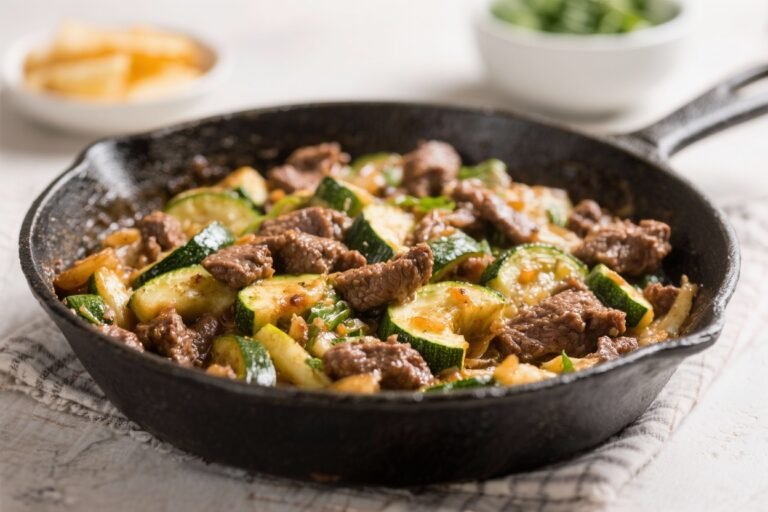
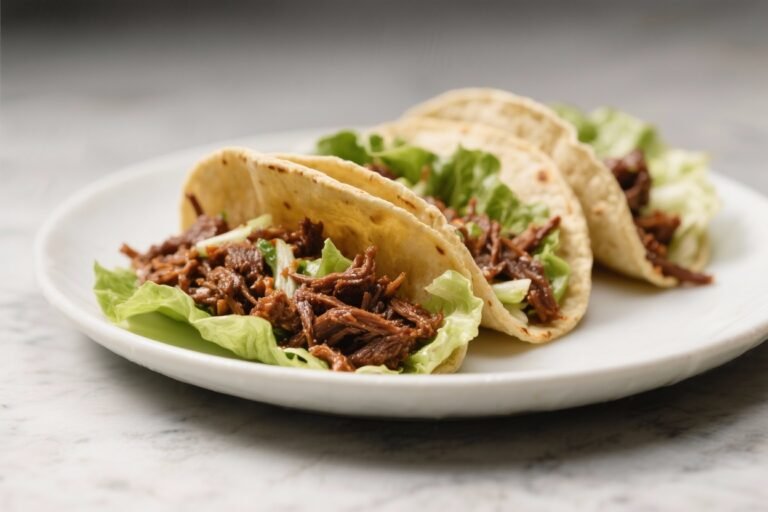
Low-Calorie Korean Ground Beef Bowls – Fast, Flavorful, and Weeknight-Friendly
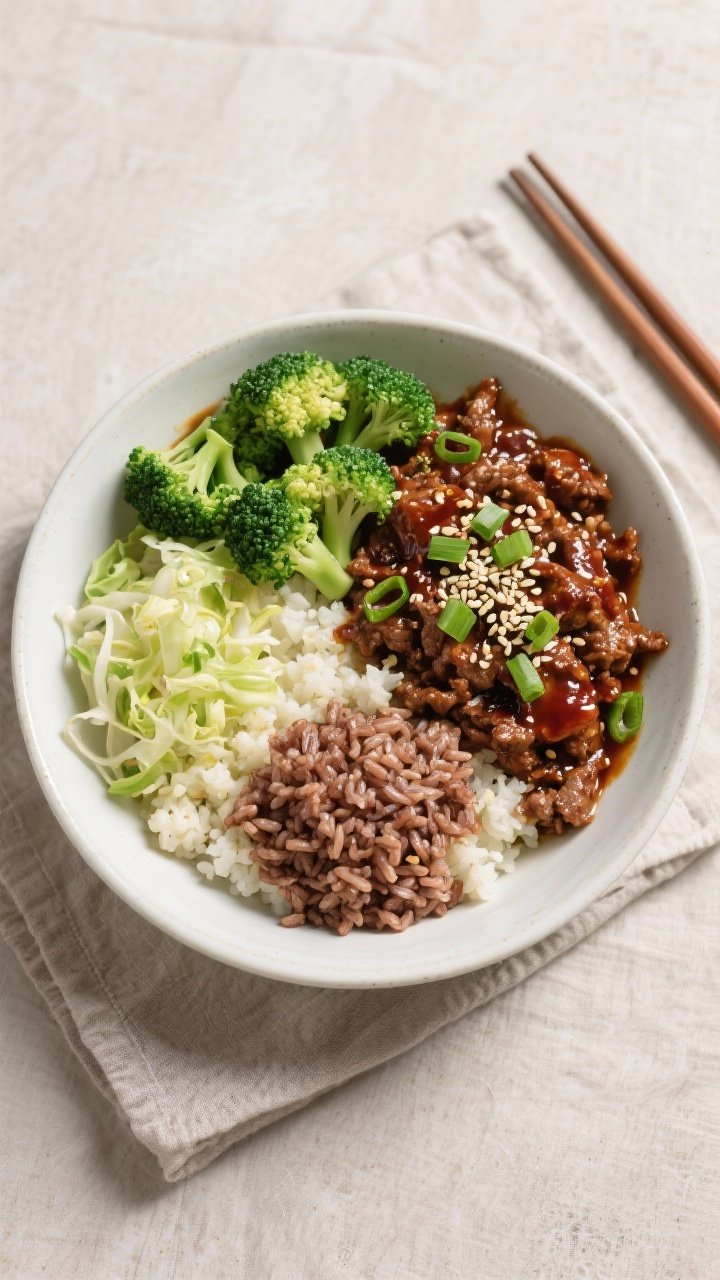
Korean ground beef bowls are one of those rare meals that taste like takeout but come together faster than delivery. They’re savory, a little sweet, and full of umami, with a gentle kick that you can easily dial up or down. This low-calorie version keeps all the flavor while trimming excess oil and sugar.
It’s ideal for busy weeknights, meal prep, or anyone craving big flavor without the heavy feel afterward. If you love bold food that fits a lighter routine, this one’s for you.
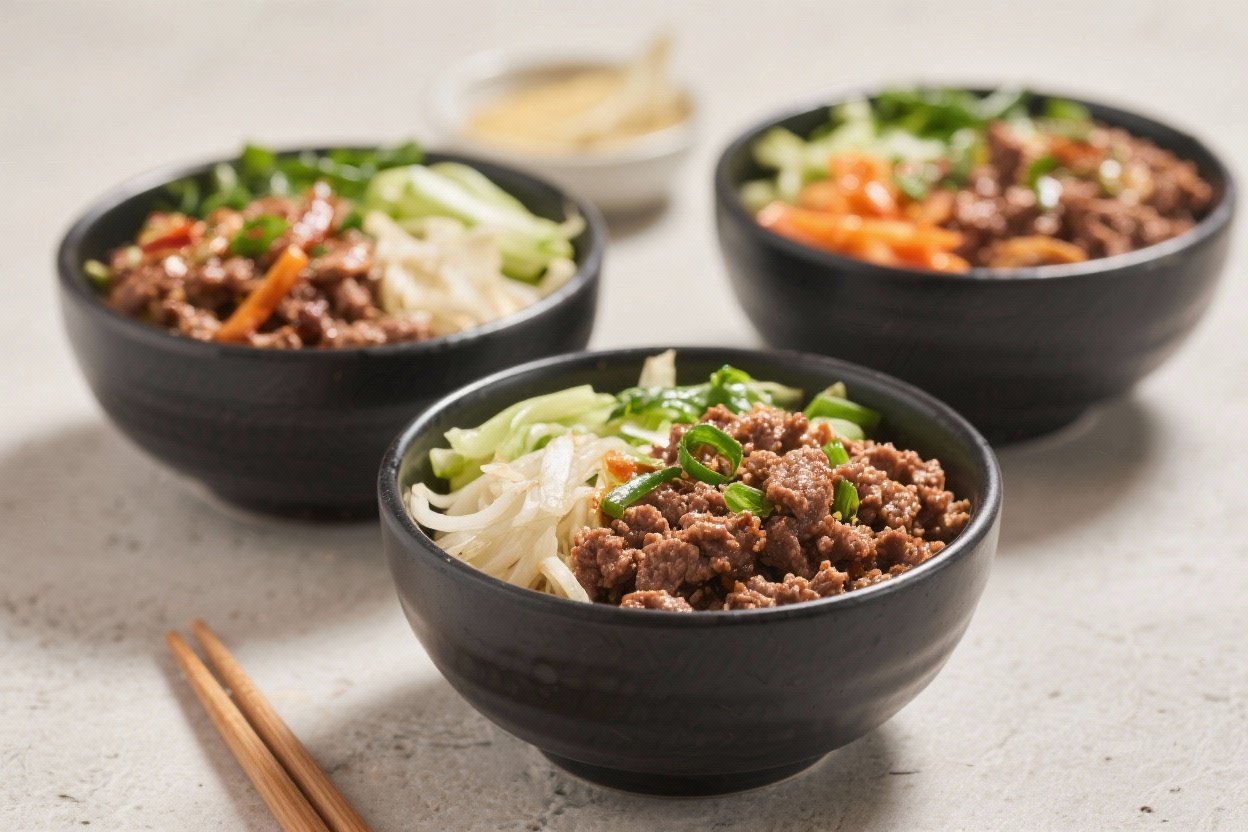
Low-Calorie Korean Ground Beef Bowls - Fast, Flavorful, and Weeknight-Friendly
Ingredients
Method
- Prep your base: Cook cauliflower rice or brown rice according to package directions. Keep warm.
- Mix the sauce: In a small bowl, combine low-sodium soy sauce, a small spoon of gochujang, a splash of rice vinegar, a drizzle of sesame oil, and a teaspoon or two of brown sugar or honey. Add red pepper flakes if desired. Taste and adjust for sweetness, salt, and heat.
- Warm the pan: Heat a large nonstick skillet over medium-high. Lightly mist with oil spray.
- Cook the aromatics: Add diced onion. Sauté 3–4 minutes until softened. Add garlic and ginger; cook 30–60 seconds until fragrant.
- Brown the beef: Add the lean ground beef. Break it up with a spatula and cook until fully browned, about 5–7 minutes. If any liquid accumulates, cook it off to concentrate flavor.
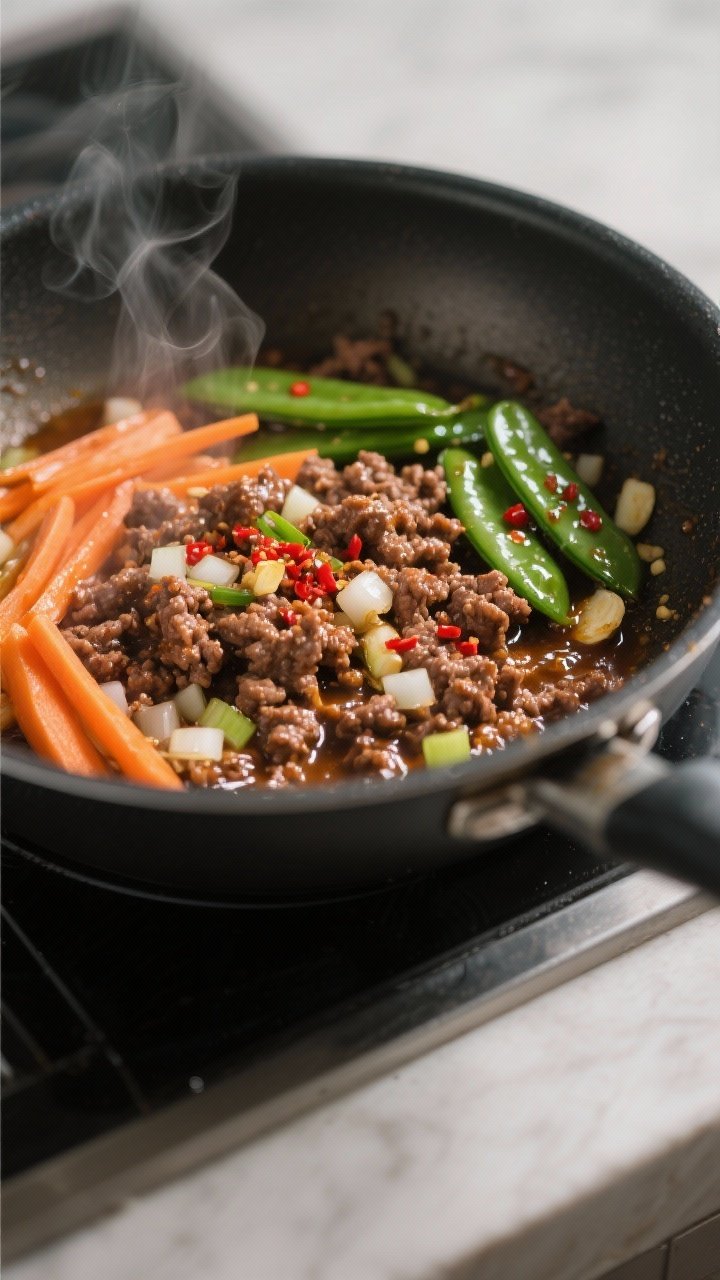
- Optional: Add veggies: Stir in thinly sliced carrots, broccoli, or snap peas. Sauté 2–3 minutes until crisp-tender.
- Sauce it up: Pour the sauce over the beef. Stir and simmer 1–2 minutes until glossy and slightly reduced. It should cling to the meat without pooling.
- Finish: Turn off heat. Stir in sliced green onions, reserving some for topping. Taste and adjust seasoning—more soy for salt, vinegar for brightness, or gochujang for heat.
- Serve: Spoon over your base. Garnish with extra green onions and sesame seeds. Add a light drizzle of sesame oil if you didn’t use much earlier.
Overeating is a pattern. This helps you fix that problem. A quick reset for cravings, snacking, and “I’ll start tomorrow” moments.
Built for busy home cooks who want real-life structure. Simple steps that fit meal prep, family dinners, and late-night snack attacks.
What Makes This Recipe So Good
- Big flavor, fewer calories: Lean beef, smart sauce swaps, and plenty of aromatics create a rich taste without a heavy calorie load.
- Ready in 20 minutes: Everything cooks in one skillet. Perfect for nights when you don’t want to fuss.
- Flexible bases: Serve over cauliflower rice, brown rice, shredded cabbage, or a mix to keep things light.
- Custom heat: Add more gochujang or red pepper flakes if you like spice, or keep it mild.
- Meal-prep friendly: The flavors get even better as they rest, and it reheats beautifully.
What You’ll Need
- Lean ground beef: 90% to 96% lean keeps it flavorful and light.
You can also use extra-lean.
- Onion: Yellow or white, finely diced.
- Garlic: Fresh minced for that signature punch.
- Ginger: Fresh grated or paste for brightness.
- Low-sodium soy sauce or tamari: The salty, savory base.
- Gochujang: Korean fermented chili paste; adds heat, depth, and a hint of sweetness.
- Rice vinegar: For balance and a clean finish.
- Toasted sesame oil: A little goes a long way for nuttiness.
- Brown sugar or honey: Just a small amount to round out the flavors (or use a low-calorie sweetener).
- Red pepper flakes: Optional, for extra heat.
- Green onions: Sliced, for freshness and crunch.
- Sesame seeds: Optional, for garnish.
- Vegetable or avocado oil spray: For a light sauté without extra calories.
- Base options: Cauliflower rice, steamed brown rice, quinoa, shredded cabbage, or a mix.
- Veg add-ins: Broccoli, snap peas, carrots, bell peppers, or zucchini—use what you like.
How to Make It
- Prep your base: Cook cauliflower rice or brown rice according to package directions. Keep warm.
- Mix the sauce: In a small bowl, combine low-sodium soy sauce, a small spoon of gochujang, a splash of rice vinegar, a drizzle of sesame oil, and a teaspoon or two of brown sugar or honey. Add red pepper flakes if desired.
Taste and adjust for sweetness, salt, and heat.
- Warm the pan: Heat a large nonstick skillet over medium-high. Lightly mist with oil spray.
- Cook the aromatics: Add diced onion. Sauté 3–4 minutes until softened.
Add garlic and ginger; cook 30–60 seconds until fragrant.
- Brown the beef: Add the lean ground beef. Break it up with a spatula and cook until fully browned, about 5–7 minutes. If any liquid accumulates, cook it off to concentrate flavor.
- Optional: Add veggies: Stir in thinly sliced carrots, broccoli, or snap peas.
Sauté 2–3 minutes until crisp-tender.
- Sauce it up: Pour the sauce over the beef. Stir and simmer 1–2 minutes until glossy and slightly reduced. It should cling to the meat without pooling.
- Finish: Turn off heat.
Stir in sliced green onions, reserving some for topping. Taste and adjust seasoning—more soy for salt, vinegar for brightness, or gochujang for heat.
- Serve: Spoon over your base. Garnish with extra green onions and sesame seeds.
Add a light drizzle of sesame oil if you didn’t use much earlier.
How to Store
- Refrigerator: Store the cooked beef and base separately in airtight containers for up to 4 days.
- Freezer: The beef freezes well for up to 2 months. Cool completely, then portion and freeze. Thaw in the fridge overnight.
- Reheat: Warm in a skillet over medium heat with a splash of water or broth, or microwave in 30-second bursts, stirring between intervals.
- Meal prep tip: Pack with steamed veggies and cauliflower rice for a complete, low-calorie lunch box.
Health Benefits
- Lean protein: Ground beef (90–96% lean) supports satiety and muscle maintenance while keeping calories moderate.
- Lower sodium options: Using low-sodium soy sauce and controlling added salt helps manage blood pressure and bloat.
- Fiber boost: Serving with cauliflower rice, brown rice, or a veggie mix adds fiber, aiding digestion and fullness.
- Micronutrients: Garlic, ginger, and green onions bring antioxidants and anti-inflammatory compounds.
- Portion control built-in: Strong flavors mean smaller portions feel satisfying.
What Not to Do
- Don’t overload the sugar: A teaspoon or two is enough.
Too much adds calories and muddies the flavor.
- Don’t skip the vinegar: That little bit of acid brightens the dish and balances the soy and sweetness.
- Don’t drown in oil: Use a nonstick pan and oil spray. Save the sesame oil for finishing flavor.
- Don’t overcook the beef: Dry beef tastes bland and rubbery. Cook just until browned, then simmer briefly with the sauce.
- Don’t forget the aromatics: Garlic and ginger are key to that classic Korean-style flavor profile.
Recipe Variations
- Turkey or chicken: Swap lean ground turkey or chicken for beef to cut calories further.
- Tofu crumbles: Press extra-firm tofu, crumble it, and cook with the same sauce for a plant-based version.
- Extra veggie bowl: Replace half the meat with finely chopped mushrooms or zucchini to lower calories and add volume.
- Spicy gochujang bowl: Double the gochujang and add chili garlic sauce for heat lovers.
- No-sugar option: Use a zero-calorie sweetener like allulose or monk fruit instead of brown sugar or honey.
- Kimchi topper: Add a spoonful of kimchi for tang, crunch, and probiotics (and extra kick).
- Low-carb base: Serve over cauliflower rice or shredded cabbage sautéed with a touch of sesame oil and garlic.
FAQ
How many calories are in a serving?
A typical serving with lean beef and cauliflower rice lands around 350–450 calories, depending on portion size and sauce amounts.
Using brown rice will increase calories slightly, while extra veggies can add volume without many calories.
Is gochujang necessary?
It adds a signature flavor—spicy, sweet, and fermented—but you can substitute with a mix of chili garlic sauce and a touch of honey if needed. The taste won’t be identical, but it will still be delicious.
Can I make it gluten-free?
Yes. Use tamari or a certified gluten-free soy sauce, and check that your gochujang is gluten-free.
Serve with rice, quinoa, or cauliflower rice.
What’s the best meat-to-sauce ratio?
Start with about 1 pound of lean ground beef to roughly 1/3 cup soy sauce, 1–2 teaspoons gochujang, 1 teaspoon sesame oil, 1–2 teaspoons sugar or honey, and 1 tablespoon rice vinegar. Adjust to taste after simmering.
How do I make it spicier without adding many calories?
Use more gochujang or red pepper flakes. You can also add sliced fresh chili or a splash of chili vinegar for heat and brightness.
Can I cook this ahead for the week?
Absolutely.
It keeps well for 4 days in the fridge and reheats quickly. Store the base and beef separately for the best texture.
What vegetables go best in the bowl?
Broccoli, snap peas, shredded carrots, bell peppers, and zucchini are all great. Keep them crisp-tender so they add texture and color.
How can I keep the sodium down?
Use low-sodium soy sauce, taste before salting, and balance with vinegar and aromatics.
A squeeze of lime or lemon at the end can also brighten without salt.
Final Thoughts
Low-Calorie Korean Ground Beef Bowls deliver weeknight speed with the comfort of a takeout favorite. With lean protein, a punchy sauce, and plenty of veggies, it’s the kind of meal you’ll cook on repeat. Keep the ingredients on hand, tweak the heat to your liking, and switch up the base to match your goals.
Simple, satisfying, and full of flavor—exactly what a weeknight dinner should be.
Printable Recipe Card
Want just the essential recipe details without scrolling through the article? Get our printable recipe card with just the ingredients and instructions.