Mastering the Psychology Behind Overeating (and How to Fix It)
You know that moment when you’re halfway through a family-size bag of chips and think, “Wait… who invited my hands to this party?” Overeating sneaks up like that. Not because you lack willpower, but because your brain does what it’s wired to do: chase comfort, reward, and quick energy. The good news? You can outsmart those sneaky circuits without living on celery sticks.
Let’s unpack what’s really going on—and how to fix it in ways that actually last.
Your Brain Loves Rewards (Blame Dopamine, Not Yourself)
Food hits your brain’s reward system like a tiny fireworks show. Highly processed foods—think sugar-salt-fat combos—light up dopamine pathways more than plain whole foods. That doesn’t make you weak; it makes you human.
Key idea: You don’t crave “calories.” You crave reward. The more intensely rewarding the food, the stronger the habit loop.
Overeating is a pattern. This helps you fix that problem. A quick reset for cravings, snacking, and “I’ll start tomorrow” moments.
Built for busy home cooks who want real-life structure. Simple steps that fit meal prep, family dinners, and late-night snack attacks.
How the Habit Loop Pulls You In
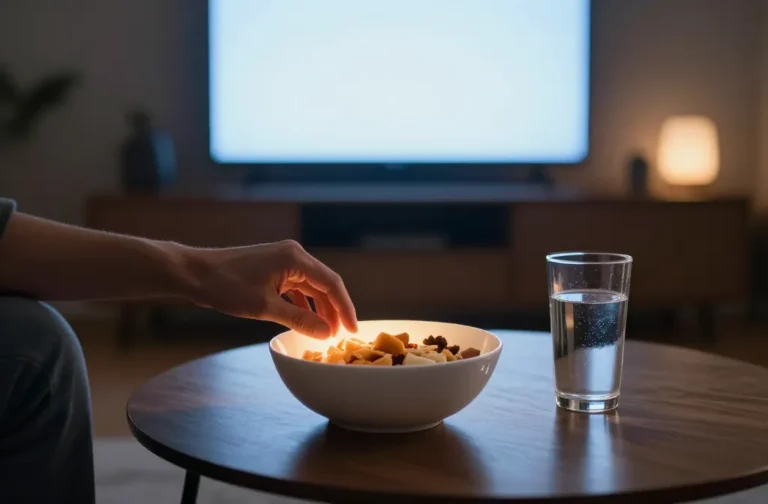
- Trigger: Stress, boredom, TV, certain times of day.
- Behavior: Grab snack. Keep grabbing snack.
- Reward: Relief, distraction, ahhh-feel-good vibes.
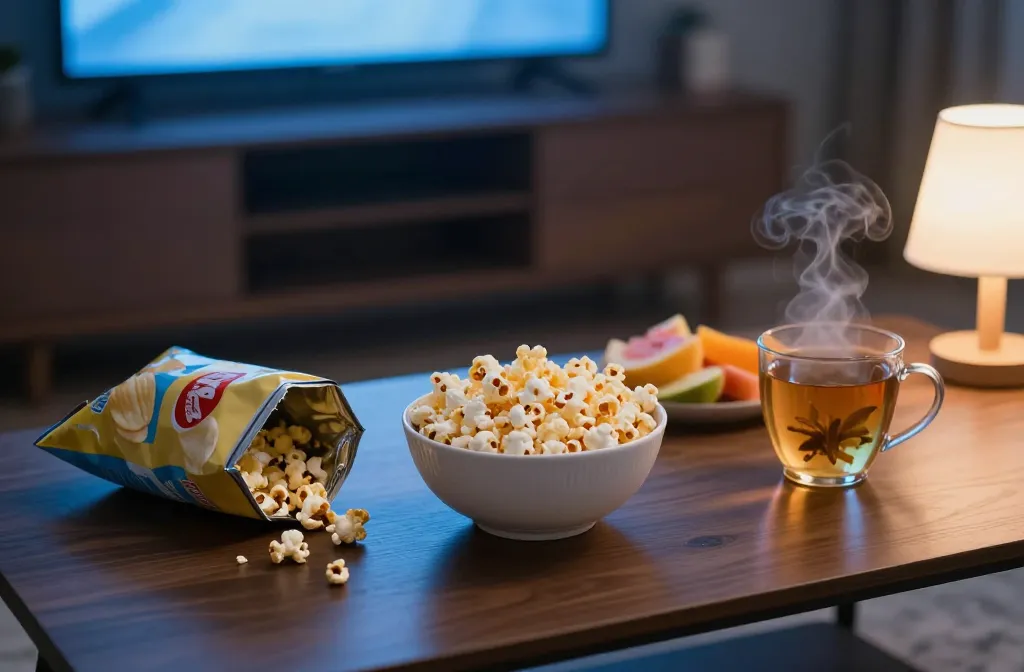
Fix: Keep the ritual, swap the reward. Pair your Netflix cue with tea, cut fruit, or air-popped popcorn. Or keep chips but pre-portion them. You change the loop by changing the middle, not hating yourself at the end.
Emotional Eating: Feelings Wearing a Snack Costume
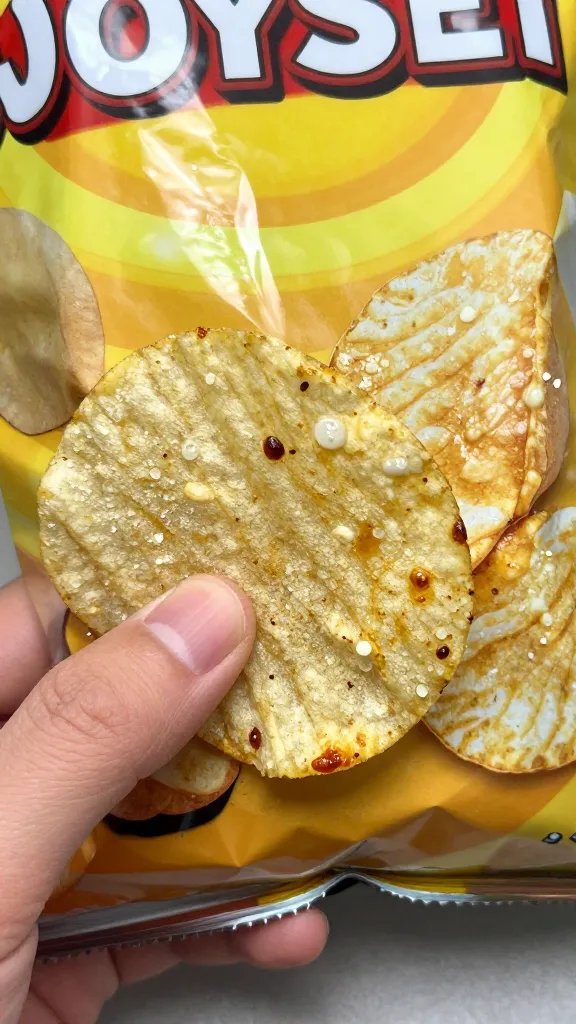
We don’t just eat because we’re hungry. We eat because we’re stressed, lonely, bored, anxious, or celebrating. Food soothes fast. Feelings? Slower.
Try this 60-second check-in (“NAME IT”):
- Notice: Where do you feel it—chest, jaw, gut?
- Assign: “This is stress/anger/loneliness.”
- Move: Stand, stretch, sip water.
- Eat (if hungry): Choose something satisfying, not just sweet.
FYI: Naming the emotion reduces its intensity. It’s like turning down the volume before you open the pantry.
Build a “Comfort Menu” That Isn’t Food
Make a short list of non-food comforts you actually like:
- Hot shower or face massage
- 5-minute walk outside
- Two songs you love, played loud
- Text a friend a meme (therapeutic, IMO)
Use this menu before, not after, you dig into snacks.
Hunger Hormones: Ghrelin, Leptin, and the Snack Spiral
Your body isn’t random. Ghrelin says “feed me.” Leptin says “we’re good.” Poor sleep, stress, and chaotic meals scramble the signals.
Science-y but useful tips:
- Sleep 7–9 hours: Bad sleep spikes ghrelin and cravings.
- Eat enough protein and fiber: They keep you full and stabilize blood sugar.
- Don’t skip meals (strategically): Chaos now = overeating later.
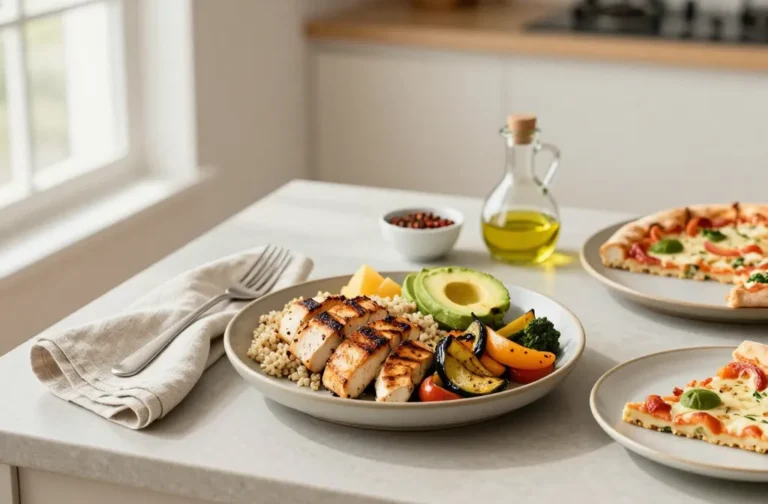
Build a Satisfying Plate (No Math Degree Required)
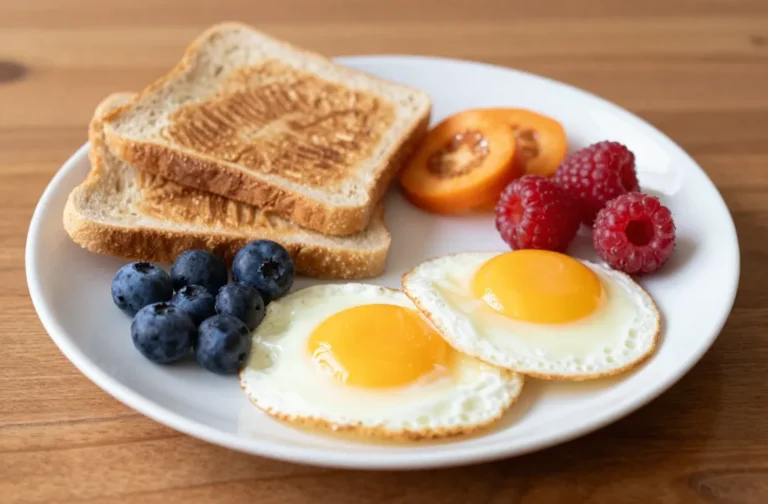
- Protein: Palm-size portion (eggs, tofu, chicken, Greek yogurt)
- Fiber: At least one cup veggies or a piece of fruit
- Quality carbs: Fist-size (rice, potatoes, beans)
- Fat: Thumb-size (olive oil, nuts, avocado)
This combo keeps you fuller longer and less tempted to mug the pantry at 10 p.m.
Environment > Willpower (Set the Stage to Win)
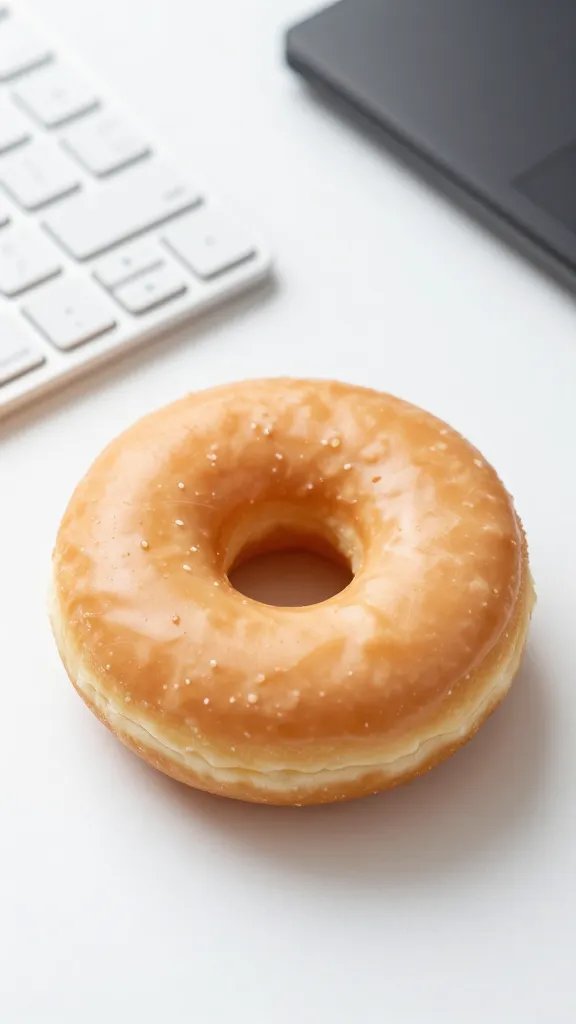
Your environment decides half the battle. If candy stares at you every time you open a cabinet, you’ll eat it. Normalize stacking the deck in your favor.
Make overeating harder, good choices easier:
- Visibility hack: Put fruit, nuts, or high-protein snacks at eye level.
- Pre-portion: Chips in small bags; chocolate in squares, not slabs.
- Speed bumps: Keep “treat” foods on a high shelf or in the freezer.
- Default swaps: Flavored seltzer instead of soda. Popcorn instead of chips.
Mindful Eating Without the Woo
No incense required. Just attention. When you eat with your brain turned on, you naturally eat the right amount.
Simple mindful script:
- Plate your food. Sit down (standing grazes don’t count).
- Take one slow bite. Notice taste and texture. Chew.
- Halfway pause: Ask, “Am I still hungry or just chasing flavor?”
- Stop at “comfortably satisfied,” not “food coma.”
IMO, the pause at halfway changes everything.
The “Three Bites Rule” for Dessert
Want the cake? Take three attentive bites. If you still want more, keep eating slowly. If not, stop. Most of dessert joy happens in the first few bites anyway.
Stress, Shame, and the All-or-Nothing Trap

You don’t fix overeating with punishment. Shame fuels the binge-restrict cycle. Then your brain craves more comfort. Yikes.
Trade perfection for consistency:
- Use “better” instead of “perfect” choices.
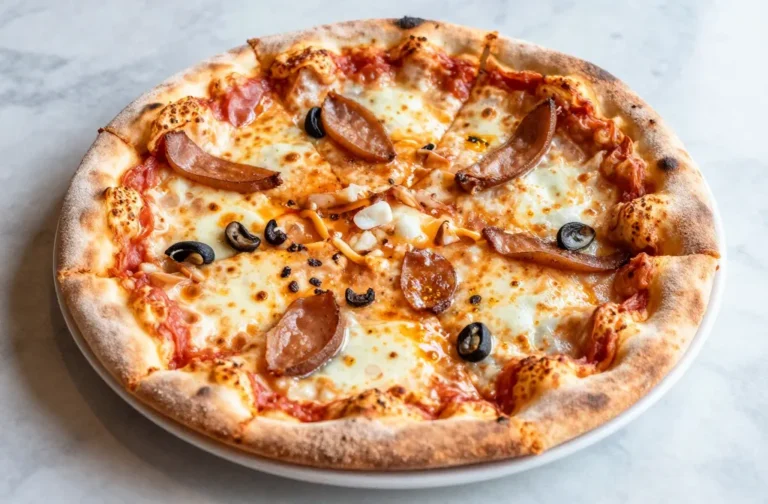
- Plan indulgences. Scheduled joy beats secret chaos.
- Talk to yourself like you would to a friend. Corny? Yes. Effective? Also yes.
When Overeating Signals Something Bigger
If overeating feels compulsive or you regularly eat past discomfort, consider extra support. Binge eating disorder and emotional eating patterns respond well to therapy (CBT, DBT) and sometimes medication. No shame. Just tools.
FAQ
Is sugar addiction real?
Sugar lights up reward pathways strongly, and some people experience addiction-like patterns. But food also involves hunger, habits, and emotions, which makes it more complex than drugs. You can reduce “addictive” patterns by eating regular meals, adding protein and fiber, sleeping enough, and limiting ultra-processed foods that stack sugar, fat, and salt.
How do I stop snacking at night?
Eat enough during the day, especially at dinner: protein, fiber, and carbs. Set a “kitchen closed” cue after your planned evening snack—brush teeth, make tea, or dim lights. If cravings hit, try a 10-minute delay and a glass of water. Still hungry? Have a protein-forward snack like Greek yogurt or a cheese stick with fruit.
What’s better: cutting out trigger foods or moderating them?
It depends. If a food triggers binges, a temporary break can help you reset. Long-term, most people do best when they include favorite foods mindfully and in portions. Experiment for two weeks with both approaches and see which lowers your overall urge to overeat.
Do artificial sweeteners cause overeating?
Mixed evidence. For some, they help reduce overall calories. For others, they keep sweet cravings alive and trigger snacking. Track your intake and your appetite for a week. If sweeteners spike cravings, try cutting back and see if hunger calms down.
How long until these habits actually work?
You’ll notice changes within a week (better energy, fewer wild cravings) when you sleep more, eat enough protein, and reduce chaos. Strong habits usually take 4–8 weeks to stick. Progress beats perfection—always.
Two Easy, Satisfying Recipes (With Nutrition Estimates)
1) Savory Greek Yogurt Bowl
Ingredients (1 serving):
- 3/4 cup (170 g) plain nonfat Greek yogurt
- 1/2 cup cherry tomatoes, halved
- 1/4 medium cucumber, diced
- 1 tablespoon olive oil
- 1 tablespoon chopped fresh herbs (dill/parsley)
- Salt, pepper, squeeze of lemon
Serving size used for calculations: Entire bowl (about 1 cup total volume).
Estimated nutrition per serving:
- Calories: 230
- Total Fat: 14 g
- Total Carbohydrates: 11 g
- Dietary Fiber: 2 g
- Net Carbs: 9 g
- Protein: 18 g
2) Protein-Packed Veggie Scramble
Ingredients (1 serving):
- 2 large eggs
- 1 cup spinach
- 1/4 cup diced bell pepper
- 1/4 cup diced onion
- 1 teaspoon olive oil
- Salt, pepper, chili flakes (optional)
Serving size used for calculations: Entire scramble.
Estimated nutrition per serving:
- Calories: 240
- Total Fat: 18 g
- Total Carbohydrates: 7 g
- Dietary Fiber: 2 g
- Net Carbs: 5 g
- Protein: 14 g
Disclaimer: Nutrition values are estimates based on standard USDA data and typical weights. Actual values will vary with brands, exact sizes, and cooking methods.
Quick Wins You Can Start Today
- Front-load protein and fiber at breakfast and lunch.
- Sleep like it’s your job (because it basically is for appetite control).
- Plate snacks—no more bag dives.
- Pause halfway through meals and ask, “Comfortably satisfied yet?”
- Swap one trigger with a gentler habit (tea, walk, call a friend).
You don’t need perfect discipline. You need fewer frictions, better defaults, and a brain that isn’t running on fumes. Do that, and overeating loses its grip—no martyrdom required. FYI, progress you can live with beats any “miracle diet” every day of the week.