Stop the Snack Spiral: 10 Signs You’Re Eating for Emotional Reasons
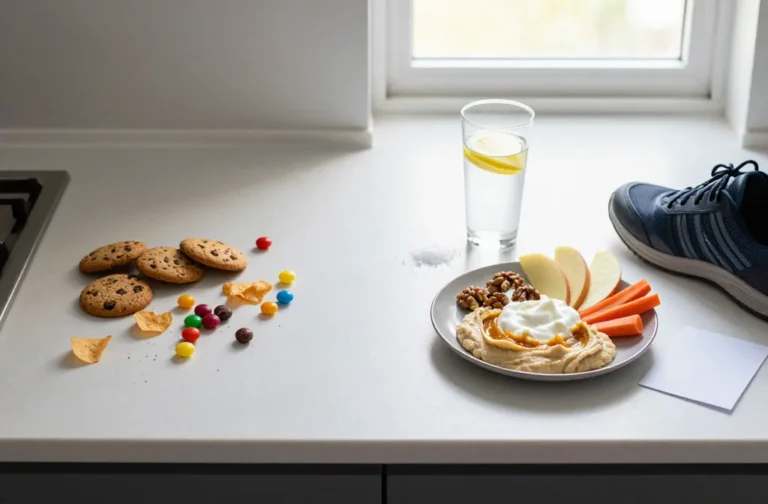
You reach for snacks when your inbox explodes. You search the fridge when life feels messy. You swear you’re “just a little hungry,” but your stomach filed a PTO request hours ago. If that sounds familiar, you might be eating your feelings more than your body needs fuel. Let’s call it what it is—emotional eating—and learn how to spot it before the ice cream spoon hits the tub.
What Emotional Hunger Actually Feels Like
Emotional hunger hits fast and loud. One minute you’re fine, the next you “need” chocolate like it’s oxygen. Physical hunger rolls in slower and feels more flexible.
Quick tells:
Overeating is a pattern. This helps you fix that problem. A quick reset for cravings, snacking, and “I’ll start tomorrow” moments.
Built for busy home cooks who want real-life structure. Simple steps that fit meal prep, family dinners, and late-night snack attacks.
- Urgency: Emotional hunger demands food now; physical hunger can wait.
- Specificity: Emotional hunger craves specific foods (usually salty, sweet, or crunchy).
- Location: Emotional hunger sits in your head; physical hunger sits in your belly.
Try the 10-Minute Pause
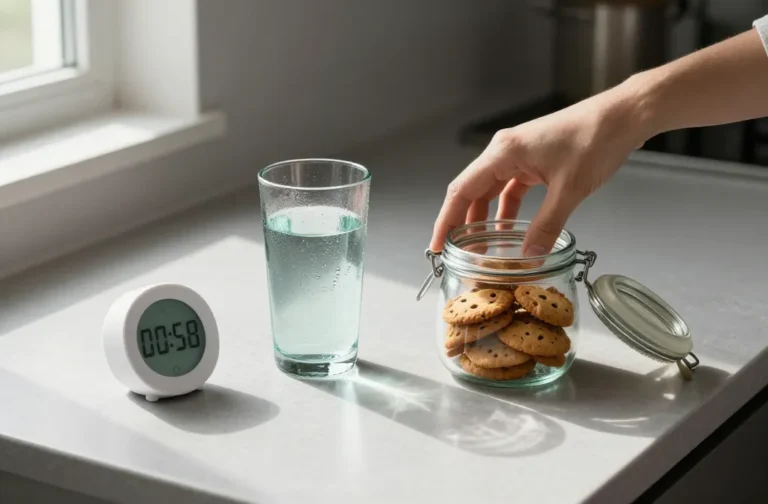
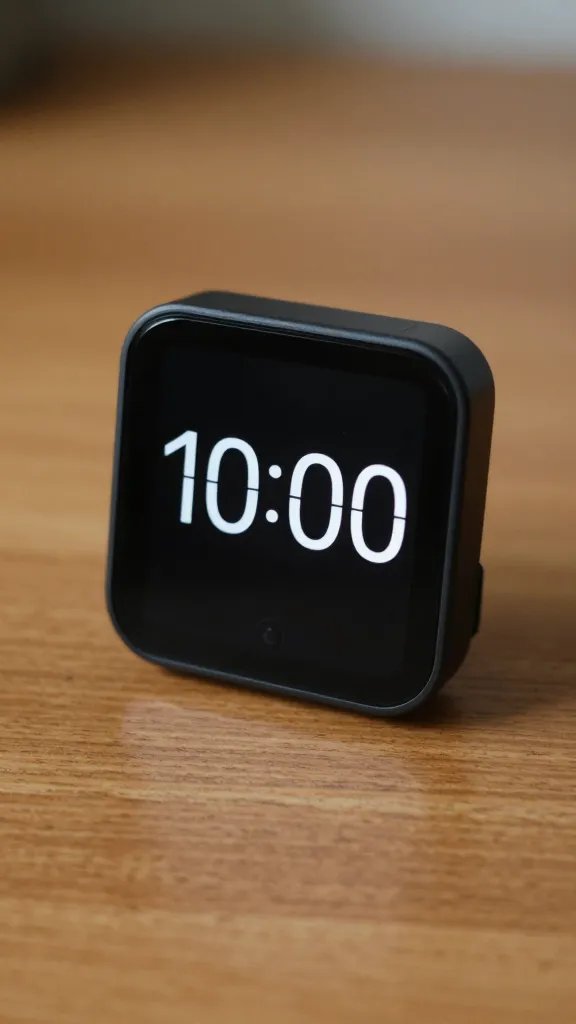
Set a timer for 10 minutes and check in. Ask: What am I feeling? Where do I feel it? If the craving fades or shifts, you likely aimed to soothe an emotion, not a growling stomach.
10 Signs You’re Eating for Emotional Reasons
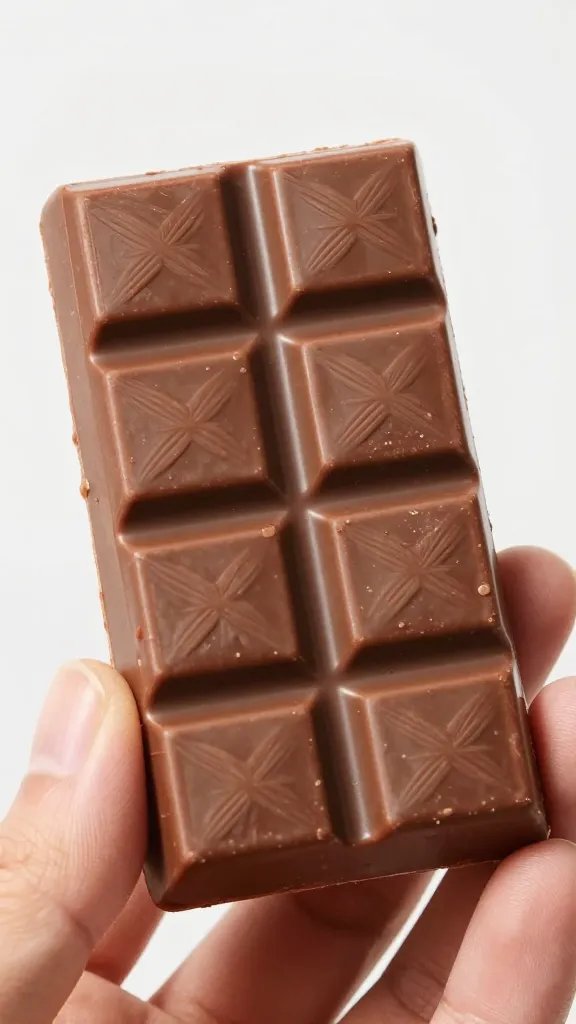
- 1) You crave specific comfort foods, not a meal. If only nachos or brownies will do, that’s not your body asking for fuel—that’s your brain chasing a feeling.
- 2) Hunger arrives suddenly. Physical hunger builds gradually. Emotional hunger appears like a jump scare.
- 3) You eat past fullness—and barely notice. Emotional eating can feel trance-like. You look down and the bag vanished like a magic trick.
- 4) You feel guilty or ashamed after. Fueling your body rarely triggers shame. Emotional eating often drags guilt into the room.
- 5) You eat when you’re not hungry (duh). Bored? Stressed? Procrastinating on taxes? The pantry calls.
- 6) You eat to “take the edge off.” Food turns into a mood regulator instead of, you know, food.
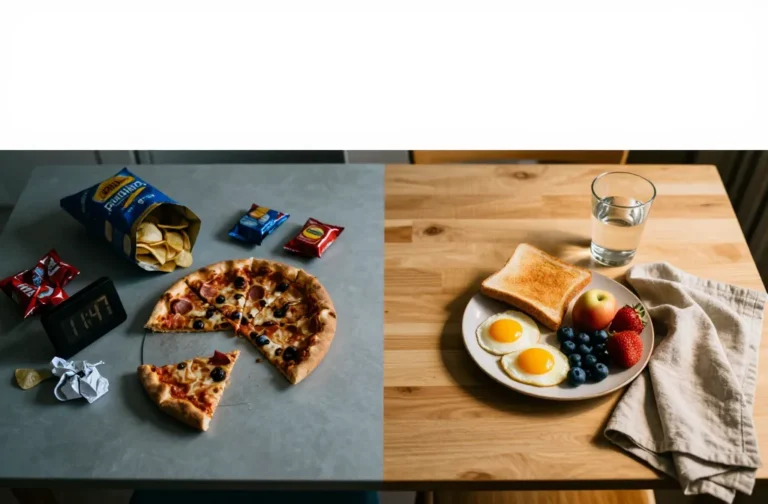
- 7) You snack while distracted. Netflix, TikTok, inbox triage—if you barely taste it, you’re likely soothing, not satisfying hunger.
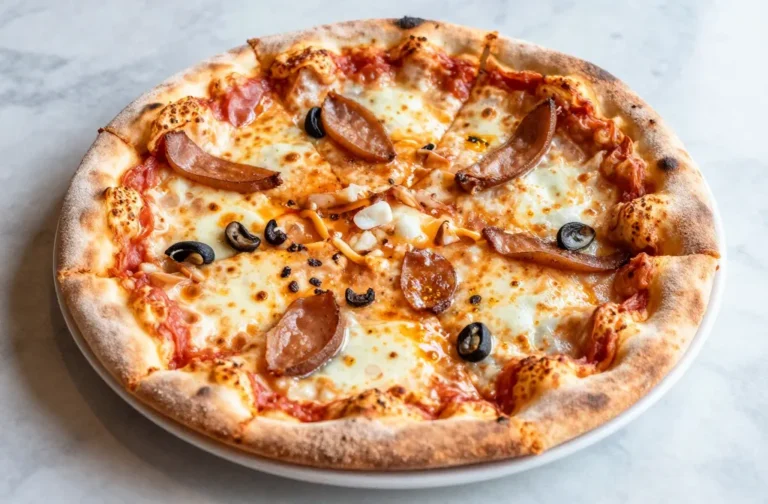
- 8) You treat food as reward or punishment. “I was good today, I earned pizza.” Or, “I messed up, I might as well spiral.” Neither helps.
- 9) You avoid “trigger” foods entirely. All-or-nothing rules hint at a tense relationship with food—often tied to emotions.
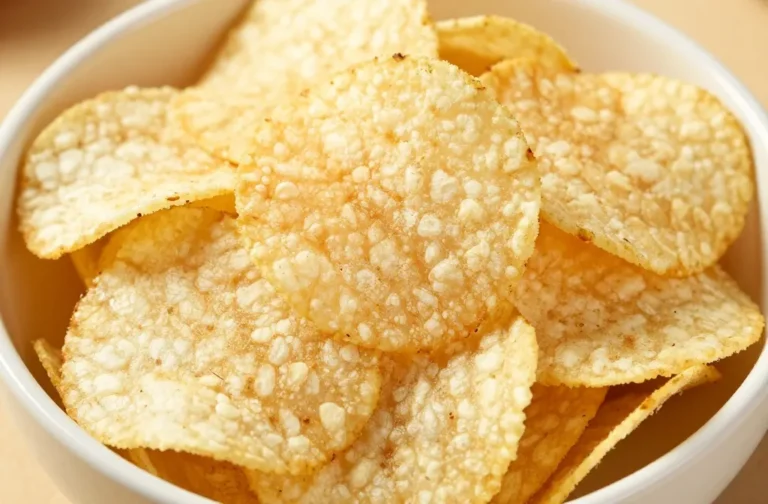
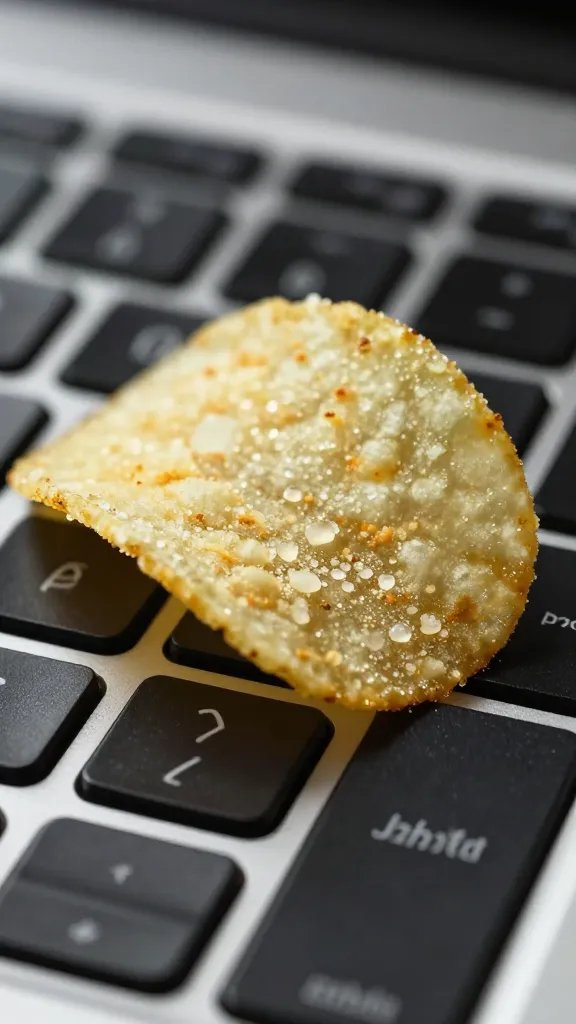
- 10) Stress = snack signal. If tight deadlines or arguments with your partner equal chips, that’s a pattern worth noticing.
Why Your Brain Reaches for Food First
Your brain loves fast relief. Sugar and fat light up the reward system and calm stress hormones—temporarily. The relief feels good (duh), so your brain stamps “Do this again.”
Translation: You’re not broken; you’re human. But that wiring can create loops you don’t actually want.
The Cue–Craving–Response Loop
- Cue: Stress, boredom, loneliness, or a tough email.
- Craving: Specific food fantasy appears.
- Response: Eat to feel better now.
- Reward: Short-term relief reinforces the habit.
IMO, breaking the loop beats “more willpower.” Willpower is a flimsy plan at 10 p.m.
How to Interrupt Emotional Eating (Without Becoming a Robot)
You don’t need to “ban” foods. You need more tools in your coping toolbox.
Try these:
- Name the feeling. Say it out loud: “I feel overwhelmed.” It sounds cheesy, but it reduces intensity.
- Delay, don’t deny. Tell yourself, “I can have it in 15 minutes if I still want it.” Often, the craving softens.
- Change your state. Step outside, stretch, shower, or do 20 jumping jacks. Shift your nervous system first.
- Swap the soothe. Music, journaling, venting to a friend, or a quick tidy can scratch the same itch.
- Eat enough earlier. FYI, skipping meals = stronger cravings + “emotional” binges that are actually hunger meltdowns.
Make Satisfying Meals Boringly Easy
Build meals with:
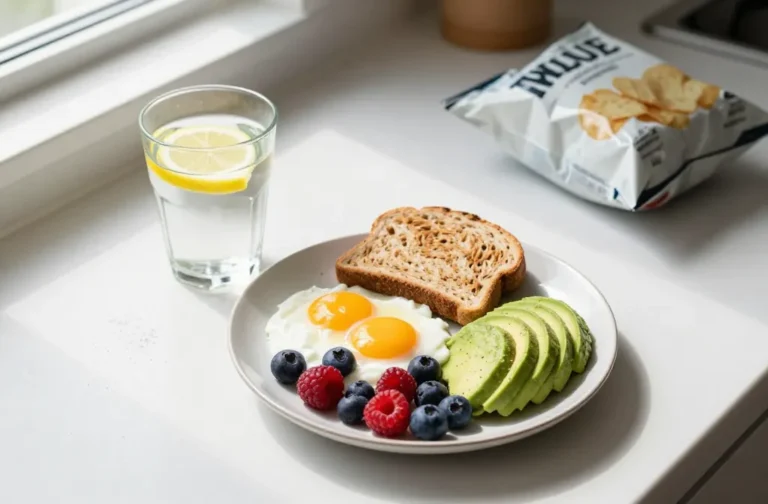
- Protein (eggs, chicken, tofu)
- Fiber (beans, veggies, whole grains)
- Fat (avocado, olive oil, nuts)
This combo stabilizes energy and reduces “must snack now” urges. Not sexy, but effective.
Mindful Eating, But Make It Practical
Mindful eating doesn’t mean meditating over a raisin. It means noticing before, during, and after.
Simple sequence:
- Ask: Am I hungry? What’s my stress level 1–10?
- Decide: If hungry, eat. If not, try a non-food soothe first.
- Eat slower: Put the fork down between bites. Sip water. Talk to your food. Kidding. Sort of.
- Check back: How do I feel 15 minutes later? Satisfied? Numb? Wired?
Build a “Comfort Menu” That Isn’t Food
Create a go-to list for tough moments. Keep it on your phone so you don’t rely on memory when your brain screams “cookies.”
Ideas to steal:
- Walk and voice note your thoughts
- Five-minute breathwork (box breathing works)
- Hot tea + weighted blanket + chill playlist
- Text a friend three things you’re annoyed about
- Two-minute tidy of one surface (instant win)
IMO, the best strategy is the one you’ll actually do when you’re cranky.
FAQ
Is emotional eating always bad?
Nope. Food can comfort you and still be okay. The issue pops up when eating becomes your main coping tool or starts messing with your health, mood, or goals.
How do I tell emotional hunger from physical hunger?
Physical hunger builds slowly, feels in your stomach, and accepts multiple foods. Emotional hunger hits fast, fixates on specific foods, and often comes with stress or boredom. Try the 10-minute pause and a glass of water to check in.
What if I overate—did I “fail”?
You didn’t fail at anything. Reflect without judgment: What triggered it? How did the first bite feel vs. the last? What can you try next time? Then move on. Shame fuels the cycle—curiosity breaks it.
Can I keep my favorite snacks at home?
Yes, but set yourself up well. Pair them with meals, portion them out, and avoid eating straight from the bag. If a certain snack steamrolls your intentions every time, consider not keeping it around for a bit while you practice other tools.
Do I need therapy for emotional eating?
If food feels like your main coping strategy or past trauma sits under the surface, a therapist or dietitian can help a ton. Think of it as upgrading your toolkit, not admitting defeat. Strong move, honestly.
Conclusion
You can’t “out-willpower” your nervous system. But you can learn your triggers, add better coping tools, and make meals that keep you steady. Notice the pattern, pause the loop, and choose what actually helps. You’ve got options—way beyond the snack drawer. FYI, progress beats perfection every single time.
Estimated Nutrition for Example Comfort-Food Swaps
Below are three simple, common “comfort” snacks with estimated nutrition per serving. Serving sizes are noted; if not standard, I chose reasonable portions based on typical consumption.
1) Peanut Butter and Banana on Whole-Wheat Toast
Serving size: 1 slice whole-wheat toast (28 g) + 1 tbsp peanut butter (16 g) + 1/2 medium banana (60 g)
Estimated nutrition per serving:
- Calories: ~233
- Total Fat: ~9.9 g
- Total Carbohydrates: ~31.8 g
- Dietary Fiber: ~5.2 g
- Net Carbs: ~26.6 g
- Protein: ~7.3 g
2) Greek Yogurt Parfait with Berries and Honey
Serving size: 3/4 cup (170 g) nonfat plain Greek yogurt + 1/2 cup mixed berries (75 g) + 1 tsp honey (7 g) + 1 tbsp chopped walnuts (7 g)
Estimated nutrition per serving:
- Calories: ~198
- Total Fat: ~5.2 g
- Total Carbohydrates: ~22.7 g
- Dietary Fiber: ~3.0 g
- Net Carbs: ~19.7 g
- Protein: ~17.8 g
3) Air-Popped Popcorn with Olive Oil and Sea Salt
Serving size: 3 cups air-popped popcorn (24 g popped) + 1 tsp extra-virgin olive oil (5 g)
Estimated nutrition per serving:
- Calories: ~140
- Total Fat: ~7.2 g
- Total Carbohydrates: ~16.2 g
- Dietary Fiber: ~3.6 g
- Net Carbs: ~12.6 g
- Protein: ~3.0 g
Disclaimer: These nutrition values are estimates calculated from standard USDA ingredient data and typical product averages. Actual values can vary based on brands, exact weights, and preparation methods.