Teriyaki Chicken With Brown Rice – A Simple, Satisfying Weeknight Favorite
If you’re craving something savory, slightly sweet, and totally comforting, teriyaki chicken with brown rice hits the spot. It’s quick to pull together, tastes like takeout, and still feels wholesome. The sauce is glossy and rich, the chicken is tender, and the brown rice adds a hearty, nutty base.
This is the kind of meal you can make on a Tuesday and still look forward to leftovers on Wednesday.

Ingredients
Method
- Cook the brown rice. Rinse 1 cup uncooked brown rice, then cook according to package directions. Fluff and set aside. If you have leftover rice, this is a great time to use it.
- Prep the chicken. Pat the chicken dry and cut into bite-size pieces. Season lightly with salt and pepper. This helps the chicken sear instead of steam.
- Make the sauce base. In a small bowl, whisk together soy sauce, honey, rice vinegar, mirin (if using), water, and sesame oil. In another small bowl, mix cornstarch with water to make a slurry and set aside.
- Sear the chicken. Heat the oil in a large skillet over medium-high heat. Add the chicken in a single layer and let it cook undisturbed for 2–3 minutes to brown. Stir and cook another 3–4 minutes until nearly cooked through. Transfer to a plate.
- Sauté aromatics. In the same pan, reduce heat to medium. Add garlic and ginger and cook for 30 seconds, stirring to prevent burning. If using veggies, add them now and sauté 2–3 minutes until crisp-tender.
- Add sauce and thicken. Pour the sauce base into the pan. Once it simmers, stir in the cornstarch slurry. Cook 1–2 minutes, stirring, until the sauce turns glossy and slightly thick.
- Return the chicken. Add the chicken and any juices back to the pan. Toss to coat and simmer 2–3 minutes until the chicken is fully cooked and the sauce clings nicely.
- Finish and serve. Taste and adjust with a splash more soy sauce, honey, or vinegar if needed. Serve over warm brown rice. Garnish with green onions and sesame seeds.
Overeating is a pattern. This helps you fix that problem. A quick reset for cravings, snacking, and “I’ll start tomorrow” moments.
Built for busy home cooks who want real-life structure. Simple steps that fit meal prep, family dinners, and late-night snack attacks.
What Makes This Recipe So Good

- Balanced flavors: The teriyaki sauce brings sweet, salty, and umami together in a way that feels cozy and familiar.
- Better-than-takeout texture: A quick sear gives the chicken caramelized edges while keeping the inside juicy.
- Weeknight-friendly: Minimal chopping, pantry ingredients, and only one pan for the chicken and sauce.
- Wholesome base: Brown rice adds fiber and a satisfying chew that pairs perfectly with the sauce.
- Easy to customize: Add veggies, swap the protein, or make it gluten-free with simple tweaks.
Ingredients
- 1 1/2 pounds boneless, skinless chicken thighs (or breasts, cut into bite-size pieces)
- 2 cups cooked brown rice (from about 1 cup uncooked)
- 1 tablespoon neutral oil (avocado, canola, or light olive oil)
- 2 cloves garlic, minced
- 1 teaspoon fresh ginger, grated (or 1/2 teaspoon ground ginger)
- 2 green onions, thinly sliced (for garnish)
- 1 tablespoon sesame seeds (optional, for garnish)
For the Teriyaki Sauce:
- 1/3 cup low-sodium soy sauce (or tamari for gluten-free)
- 3 tablespoons honey (or brown sugar)
- 2 tablespoons rice vinegar
- 1 tablespoon mirin (optional, for depth and sweetness)
- 1/2 cup water
- 1 tablespoon cornstarch (mixed with 1 tablespoon water to make a slurry)
- 1 teaspoon toasted sesame oil
Optional Add-Ins:
- 1 cup broccoli florets, snap peas, or bell peppers (sliced)
- Chili flakes or sriracha for heat
- Pineapple chunks for a sweet twist
Instructions

- Cook the brown rice. Rinse 1 cup uncooked brown rice, then cook according to package directions. Fluff and set aside. If you have leftover rice, this is a great time to use it.
- Prep the chicken. Pat the chicken dry and cut into bite-size pieces.
Season lightly with salt and pepper. This helps the chicken sear instead of steam.
- Make the sauce base. In a small bowl, whisk together soy sauce, honey, rice vinegar, mirin (if using), water, and sesame oil. In another small bowl, mix cornstarch with water to make a slurry and set aside.
- Sear the chicken. Heat the oil in a large skillet over medium-high heat.
Add the chicken in a single layer and let it cook undisturbed for 2–3 minutes to brown. Stir and cook another 3–4 minutes until nearly cooked through. Transfer to a plate.
- Sauté aromatics. In the same pan, reduce heat to medium.
Add garlic and ginger and cook for 30 seconds, stirring to prevent burning. If using veggies, add them now and sauté 2–3 minutes until crisp-tender.
- Add sauce and thicken. Pour the sauce base into the pan. Once it simmers, stir in the cornstarch slurry.
Cook 1–2 minutes, stirring, until the sauce turns glossy and slightly thick.
- Return the chicken. Add the chicken and any juices back to the pan. Toss to coat and simmer 2–3 minutes until the chicken is fully cooked and the sauce clings nicely.
- Finish and serve. Taste and adjust with a splash more soy sauce, honey, or vinegar if needed. Serve over warm brown rice.
Garnish with green onions and sesame seeds.
Storage Instructions
- Fridge: Store chicken and rice in separate airtight containers for up to 4 days. This keeps the rice from getting soggy.
- Freezer: Freeze portions in freezer-safe containers for up to 3 months. Let cool before freezing to prevent ice crystals.
- Reheat: Microwave with a splash of water over the rice and cover loosely.
Stir the chicken halfway through heating for even warmth.
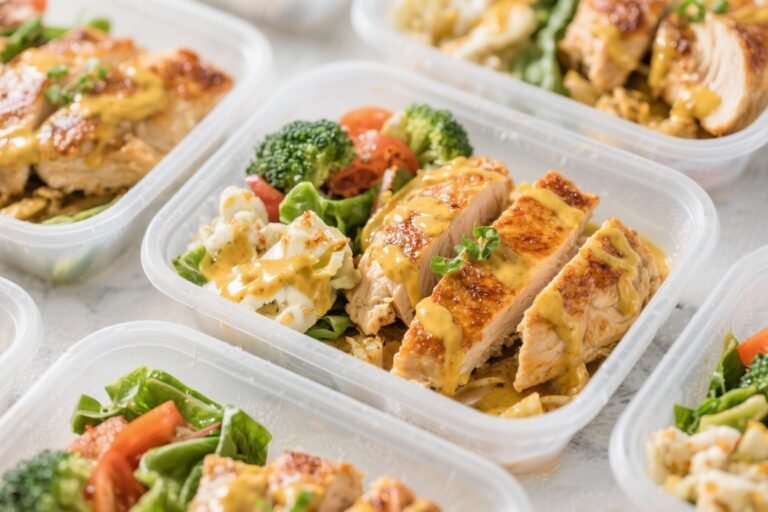
- Meal prep tip: Divide into individual containers with a handful of steamed veggies for an easy grab-and-go lunch.
Why This is Good for You
- Lean protein: Chicken provides satisfying protein to help keep you full and support muscle repair.
- Fiber-rich base: Brown rice has more fiber and nutrients than white rice, supporting steady energy and digestion.
- Controlled sweetness: Using honey or a moderate amount of sugar lets you manage the sauce’s sweetness compared to bottled versions.
- Balanced plate: Add a vegetable and you’ve got protein, complex carbs, and micronutrients all in one bowl.
Pitfalls to Watch Out For
- Overcrowding the pan: Too much chicken at once will steam it. Work in batches if needed to get that good sear.
- Burning the aromatics: Garlic and ginger cook fast. Keep the heat moderate and stir constantly for that first 30 seconds.
- Over-thickening the sauce: Cornstarch thickens quickly.
Start with the listed amount. If the sauce gets too thick, whisk in a splash of water.
- Overcooking the chicken: Pull it as soon as it’s cooked through. It will continue to cook slightly in the sauce.
- Too salty: Use low-sodium soy sauce.
If it tastes salty, balance with a bit more honey or a squeeze of lime.
Alternatives
- Protein swaps: Use tofu (press it first), shrimp (quick cook), or thinly sliced beef. For tofu, pan-sear until golden before adding the sauce.
- Grain swaps: Try quinoa, cauliflower rice for lower carbs, or white rice if that’s what you have.
- Gluten-free option: Use tamari or coconut aminos and check that your rice vinegar and mirin are gluten-free.
- Veggie-loaded version: Stir in broccoli, carrots, snap peas, mushrooms, or edamame for more color and crunch.
- Sugar alternatives: Use maple syrup or coconut sugar. Start with a bit less and adjust to taste.
FAQ
Can I make the sauce ahead of time?
Yes.
Mix everything except the cornstarch slurry and store in a jar in the fridge for up to 5 days. Add the slurry when you’re cooking so it thickens properly.
Is chicken breast okay instead of thighs?
Absolutely. Breast cooks a bit faster and can dry out if overcooked, so watch the timing.
Cut into equal pieces for even cooking.
How do I keep brown rice from turning mushy?
Rinse it well, use the correct water ratio (usually about 1:2), and avoid stirring while it cooks. Let it rest covered for 10 minutes after cooking, then fluff with a fork.
Can I reduce the sugar?
Yes. Start with 1–2 tablespoons honey instead of 3 and taste.
You can balance with a little extra vinegar or a splash of pineapple juice for brightness.
What vegetables go best with teriyaki chicken?
Broccoli, snap peas, bell peppers, carrots, mushrooms, and baby bok choy all work well. Keep them slightly crisp for texture.
How do I get a glossy sauce like takeout?
Use cornstarch slurry and let the sauce simmer briefly to activate it. The sauce should bubble and thicken until it coats the back of a spoon.
Can I make this without oil?
You can use a nonstick pan and a splash of water to sauté, but you’ll miss some browning.
Even 1 teaspoon of oil goes a long way for flavor.
What if I don’t have rice vinegar?
Use apple cider vinegar or white wine vinegar in a pinch. Start with a little less and adjust, since they can be sharper.
How spicy can I make it?
Add red pepper flakes, sriracha, or a little gochujang to the sauce. Start small and build up to your heat preference.
Is this good for meal prep?
Yes.
It reheats well and holds up for several days. Keep the rice and chicken separate if you can, and add fresh green onion on serving day.
In Conclusion
Teriyaki chicken with brown rice brings together simple ingredients for a meal that’s comforting, quick, and flexible. It tastes like your favorite takeout but gives you more control over sweetness, salt, and add-ins.
Keep the basics on hand, and you can make this on autopilot any night of the week. With a little garnish and a side of veggies, it looks and tastes like a complete, satisfying dinner every time.
Printable Recipe Card
Want just the essential recipe details without scrolling through the article? Get our printable recipe card with just the ingredients and instructions.