The Real Reason You Lose Control Around Certain Foods Exposed
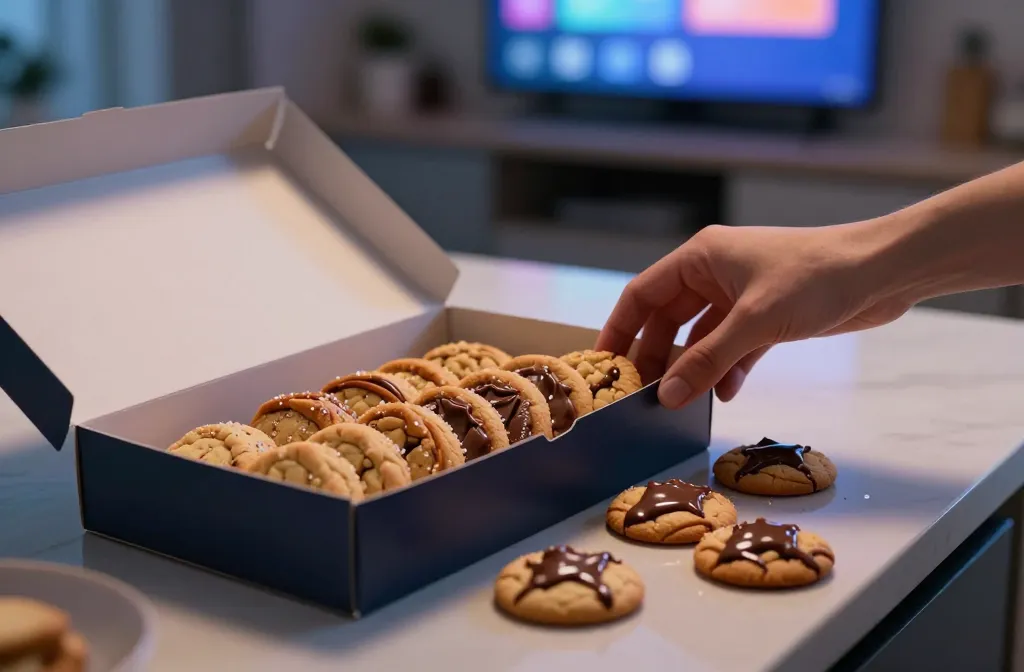
You swear you’ll have one cookie. Then the box looks at you, you look back, and—fade to black. How did four become fourteen? You’re not broken, and your willpower didn’t suddenly move to Florida. Certain foods hijack your brain’s wiring, and the environment around you sets the stage. Let’s unpack the real reasons, and what to do about it—without turning your life into a constant food negotiation.
It’s Not You, It’s Your Brain (And The Food)
Your brain loves fast rewards. Highly processed foods—think chips, candy, bakery treats—hit hard and fast with sugar, fat, and salt. That combo doesn’t just taste good; it triggers dopamine, the “pay me now” neurotransmitter. Some foods get designed to be eaten mindlessly, and surprise: it works.
Overeating is a pattern. This helps you fix that problem. A quick reset for cravings, snacking, and “I’ll start tomorrow” moments.
Built for busy home cooks who want real-life structure. Simple steps that fit meal prep, family dinners, and late-night snack attacks.
The Bliss Point, Explained
Food companies test exact levels of sugar, salt, and fat to find the “bliss point”—the sweet spot that keeps you reaching for more. Not full, not satisfied, just… wanting the next bite. Your biology isn’t failing; it’s responding exactly as designed.
Hunger Isn’t The Only Driver

You can overeat while “not even hungry.” Because hunger comes in flavors:
- Physical hunger: gradual, in your stomach, any food will do.
- Emotional hunger: sudden, specific cravings, usually for comfort foods.
- Environmental hunger: triggered by seeing, smelling, or thinking about food (hello, breakroom donuts).
Most loss-of-control moments start with emotional or environmental hunger, not an empty stomach.
Are You Actually Underfed?
When you “eat clean” but undereat, your body notices. Restrict too hard during the day? You swing toward hyper-palatable foods at night. Your brain literally seeks quick energy to compensate. FYI, consistency beats perfection for appetite control.
Restriction Rebellion Is Real
Tell yourself you “can’t” have something, and your brain upgrades it to treasure. Scarcity flips on obsession. You don’t crave boiled broccoli you banned; you crave the cookies you labeled “bad.” Food rules create food noise—constant thoughts about what you “should” or “shouldn’t” eat.
How To Dismantle Food Rules
– Replace “I can’t” with “I can, if I really want it.”
– Eat the food earlier in the day, not at 10 p.m. in a shame spiral.
– Pair treats with protein so they don’t bulldoze your appetite.
– Practice “planned permission” once or twice a week. IMO, that beats white-knuckling every night.
Texture, Timing, And The Satiety Trap
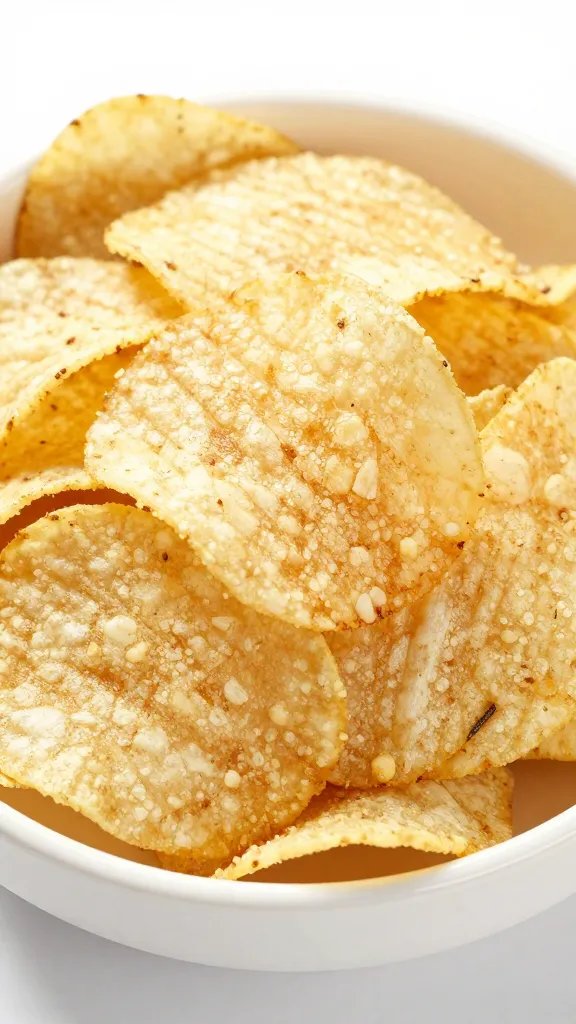
Crunchy, creamy, melty—textures change how fast you eat and how quickly you feel satisfied. Soft, easy-to-chew foods slide down fast, so you overshoot fullness before hormones like GLP‑1 and peptide YY catch up. Also, liquid calories rarely register as “food”. You sip a frappé, then still want lunch. That’s not poor discipline; it’s biology.
Build Meals That Actually Satisfy
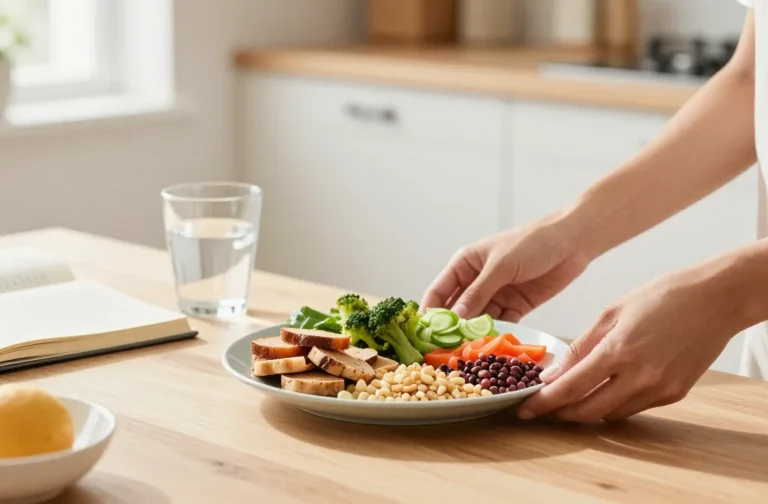
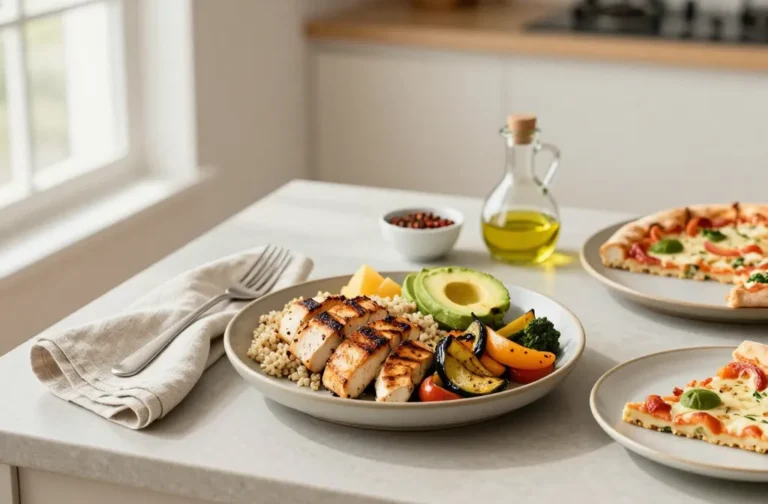
Aim for the “PFF” trifecta (Protein, Fiber, Fat):
– Protein: slows digestion, stabilizes cravings.
– Fiber: adds volume and keeps you full.
– Fat: flavor + satiety.
Add water-rich foods (fruit, veg, soup) to increase fullness. Bland? Season aggressively. Your taste buds deserve joy.
Stress, Sleep, And The 9 p.m. Snack Wolf
Cortisol (stress hormone) can crank cravings for quick energy. Sleep debt messes with ghrelin and leptin, the hunger/fullness duo. Translation: you want more food, especially refined carbs, and you feel less satisfied after eating. Fix sleep and stress, and “willpower” magically improves.
Quick Wins For Chaos Days
– Eat every 3–5 hours so you don’t hit meltdown hunger.
– Keep a “floor” snack: Greek yogurt + berries, nuts + fruit, or a protein bar you don’t love.
– Buffer stress with a 10-minute walk before dinner. It’s boring. It works.
Environment Beats Intention
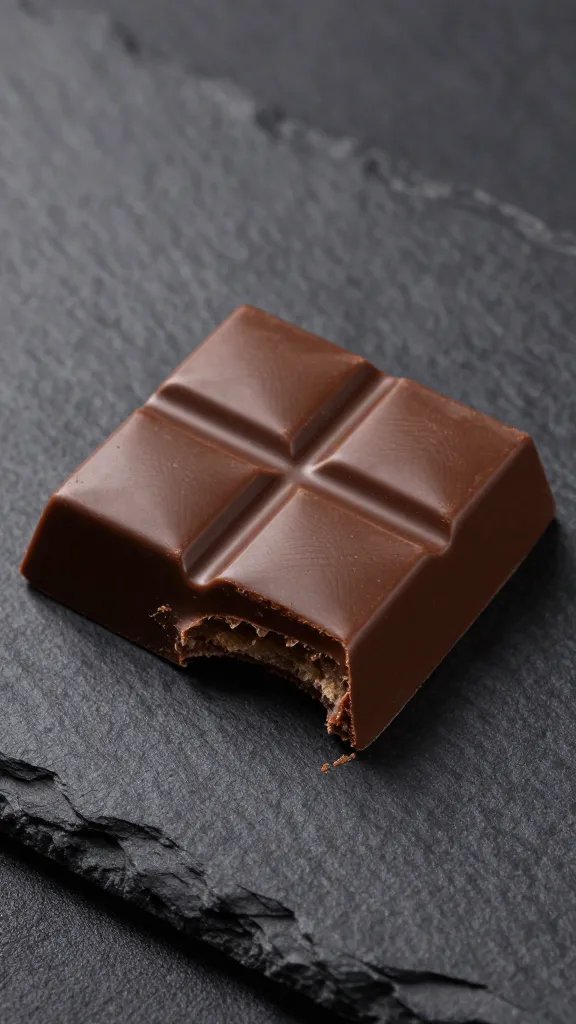
If cookies live on your counter, they’ll live in your mouth. Visual cues drive behavior. People eat more from bigger plates, bigger bowls, and bottomless containers. Design your kitchen like you design your to-do list—make the helpful stuff obvious and the chaos hard to access.
Small Environmental Tweaks
– Put treats out of sight and height.
– Pre-portion snack foods into single servings.
– Keep ready-to-eat “green light” foods at eye level: washed fruit, chopped veg, string cheese, rotisserie chicken.
– Use smaller plates for energy-dense meals. It changes intake without drama.
Skills, Not Shame
You don’t need a detox. You need a toolkit:
- Pre-game meals: Eat enough protein and fiber earlier so impulse foods don’t steamroll you.
- Delay + Decide: Craving hits? Set a 10-minute timer. If you still want it, have it mindfully.
- Upgrade, don’t outlaw: Love ice cream? Buy single-serve cups. Love chips? Pair with a turkey wrap.
- Define “enough”: Decide your portion before you start. Then stop when you hit “content,” not “stuffed.”
- Debrief, don’t judge: If you overshoot, ask: Hungry? Tired? Stressed? Underfed? Learn and move on. IMO, that mindset is the real unlock.
FAQs
Am I “addicted” to sugar?
You can feel addicted, but the science is mixed. Sugar lights up reward pathways, but so does any pleasurable thing. If you eat balanced meals, sleep, and reduce food rules, cravings usually calm down. If they don’t, working with a pro helps.
Should I cut trigger foods completely?
Short term, removing them can create breathing room. Long term, total bans often backfire. Try structured exposure: plan a portion, eat it with a meal, and stop. Skill beats restriction.
Why do I binge only at night?
Common reasons: skipped meals, stress relief, and decision fatigue. Eat enough earlier, set a “close the kitchen” routine, and create a wind-down plan that isn’t food. Also, go to bed. Revolutionary, I know.
Do artificial sweeteners make cravings worse?
Mixed data. Some people find they want more sweet stuff after, others don’t. If a diet soda helps you skip three cookies, cool. If it triggers a hunt for candy, choose sparkling water or tea instead.
Is snacking bad?
Nope. Random grazing can cause chaos, but planned snacks stabilize energy and reduce overeating later. Build them with protein + fiber so they actually help.
Simple Recipes To Support Control (With Nutrition Estimates)
Below are three easy, satisfying options that hit protein and fiber. Serving sizes noted; nutrition values are estimates based on standard USDA data.
1) Greek Yogurt Parfait
Ingredients (per serving):
– 3/4 cup plain nonfat Greek yogurt
– 1/2 cup mixed berries (blueberries + strawberries)
– 1 tablespoon honey
– 2 tablespoons granola
– 1 tablespoon chopped almonds
Estimated nutrition per serving (about 235 g):
– Calories: 240
– Total Fat: 7 g
– Total Carbohydrates: 31 g
– Dietary Fiber: 4 g
– Net Carbs: 27 g
– Protein: 16 g
2) Turkey Veggie Wrap
Ingredients (per serving):
– 1 medium whole-wheat tortilla (8-inch)
– 3 oz sliced turkey breast
– 1 tablespoon hummus
– 1 slice provolone (3/4 oz)
– 1/2 cup mixed veggies (lettuce, tomato, cucumber)
– 1 teaspoon olive oil + squeeze of lemon (optional)
Estimated nutrition per serving (1 wrap, about 220 g):
– Calories: 330
– Total Fat: 13 g
– Total Carbohydrates: 32 g
– Dietary Fiber: 7 g
– Net Carbs: 25 g
– Protein: 24 g
3) Cottage Cheese Fruit Bowl
Ingredients (per serving):
– 3/4 cup low-fat (2%) cottage cheese
– 1 small apple, chopped (about 150 g)
– 1 teaspoon peanut butter, drizzled
– Cinnamon, pinch
– Optional: 1 teaspoon chia seeds
Estimated nutrition per serving (about 320 g):
– Calories: 260
– Total Fat: 9 g
– Total Carbohydrates: 29 g
– Dietary Fiber: 6 g
– Net Carbs: 23 g
– Protein: 20 g
Disclaimer: These nutrition values are estimates and can vary based on brands, exact portions, and preparation. Use them as a guide, not gospel.
The Bottom Line
You don’t lose control because you’re weak. You lose control because certain foods and environments outplay your biology. Feed yourself well, reduce scarcity, tweak your setup, and practice a few simple skills. The craving volume drops, and you get your choices back—no drama, no moralizing, just you running the show again. FYI: that’s the real flex.