The Secret to How to Control Portions Without Feeling Deprived
You don’t need a food scale to eat like a sane person. You can keep your favorite meals, feel satisfied, and still make progress—without nibbling like a rabbit. The trick? Nudge your portions smarter, not smaller, so you never feel deprived. Let’s make portion control feel like a lifestyle, not a punishment.
Rethink “Full”: Satisfied Beats Stuffed
Feeling full and feeling satisfied aren’t twins. One shows up late to the party and brings regret. The other knows when to leave. Aim for “comfortably satisfied”—like you could go for a walk after eating, not nap under your desk.
Pro tip: Eat slowly enough that your brain can catch up to your stomach (about 15–20 minutes). Chew, chat, sip water. Your fork can take breaks too.
Overeating is a pattern. This helps you fix that problem. A quick reset for cravings, snacking, and “I’ll start tomorrow” moments.
Built for busy home cooks who want real-life structure. Simple steps that fit meal prep, family dinners, and late-night snack attacks.
Hunger Scale 101
Use a simple 1–10 scale:
- 1–2: Hangry zone (please feed yourself)
- 3–4: You’re ready to eat—ideal time to start
- 5–6: Satisfied—great time to stop
- 7–8: Too full—hello, regret
IMO: Start eating at 3–4 and stop at 6. Your future self will thank you.
Plate Math That Just Works
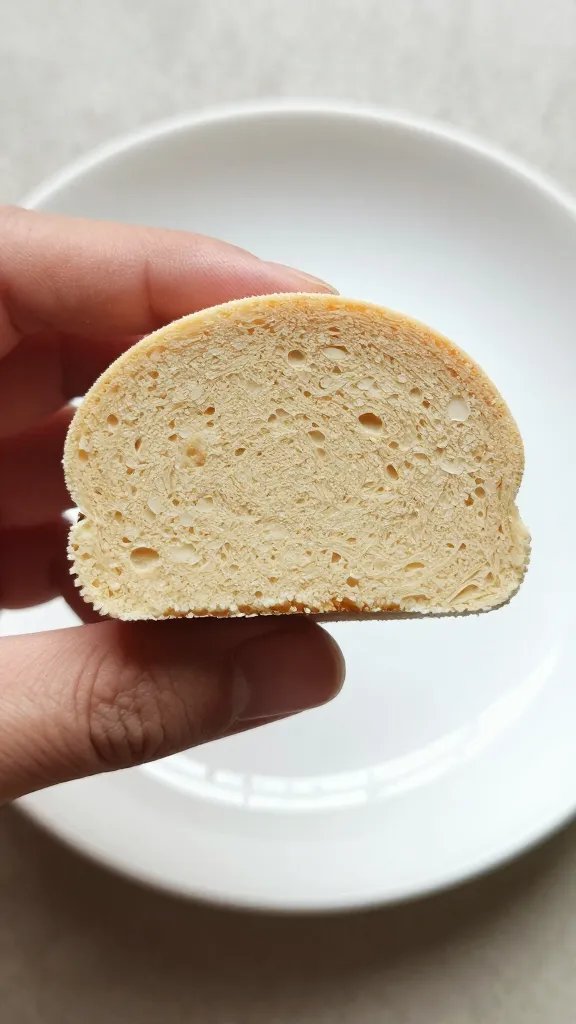
You don’t need macros to eat balanced—you need a plate and some common sense.
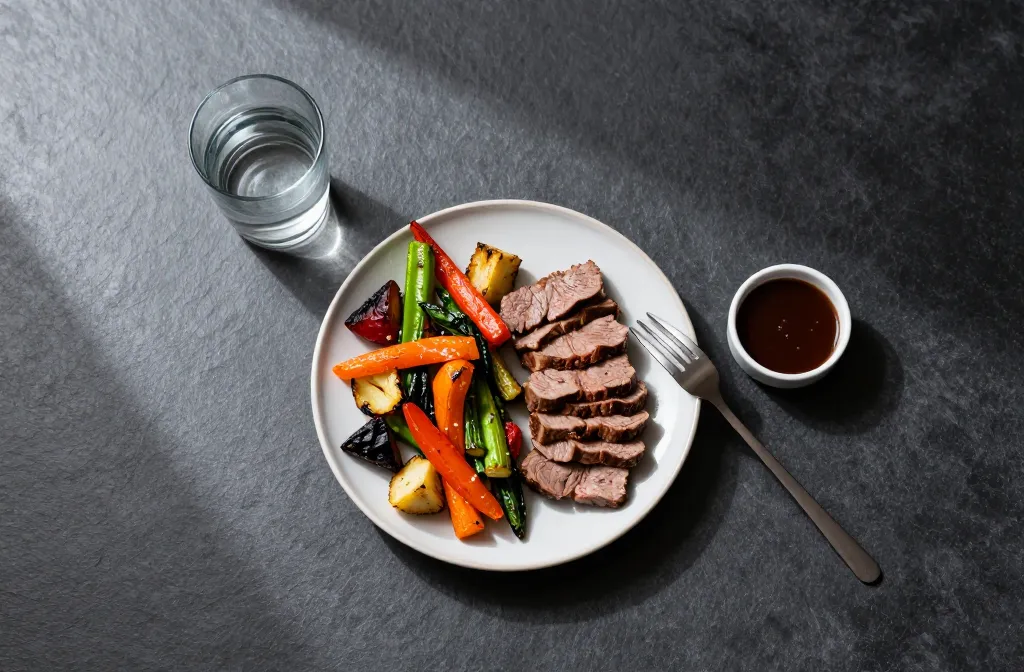
Quick plate setup for most meals:
- Half the plate: veggies (raw, roasted, steamed—go wild)
- Quarter: protein (chicken, tofu, fish, beans, eggs)
- Quarter: smart carbs (rice, potatoes, pasta, quinoa, tortillas)
Fat doesn’t need its own slice—just use it intentionally (a drizzle of olive oil or a thumb-sized chunk of cheese).
Portion Benchmarks (No Scale Needed)
- Protein: Your palm (3–5 oz cooked)
- Carbs: Your cupped hand (1/2–1 cup cooked)
- Fats: Your thumb (1–2 tbsp oils/nut butters)
- Cheese: Two fingers (about 1 oz)
FYI: If you lift heavy, take two cupped hands of carbs at meals where you train.
Volume Hack: Eat More to Eat Less
When you add low-calorie, high-volume foods, your portions look generous—without sneaky calories. Magic? No. Science? Also no. But it works.
- Veggie base: Load salads, soups, or stir-fries with zucchini, mushrooms, cabbage, peppers, greens.
- Broth + spices: Huge bowls, tiny calories. Add miso, chili flakes, garlic.
- Airy snacks: Popcorn (homemade), rice cakes, berries.
Bottom line: You can eat bigger bowls if you pack them with plants.
Smart Swaps That Don’t Feel Sad
- Half regular pasta + half zucchini noodles
- Half rice + half riced cauliflower
- Greek yogurt instead of sour cream
- Open-faced sandwiches (same flavor, fewer empty bites)
Tricks That Curb the “Oops” Bites
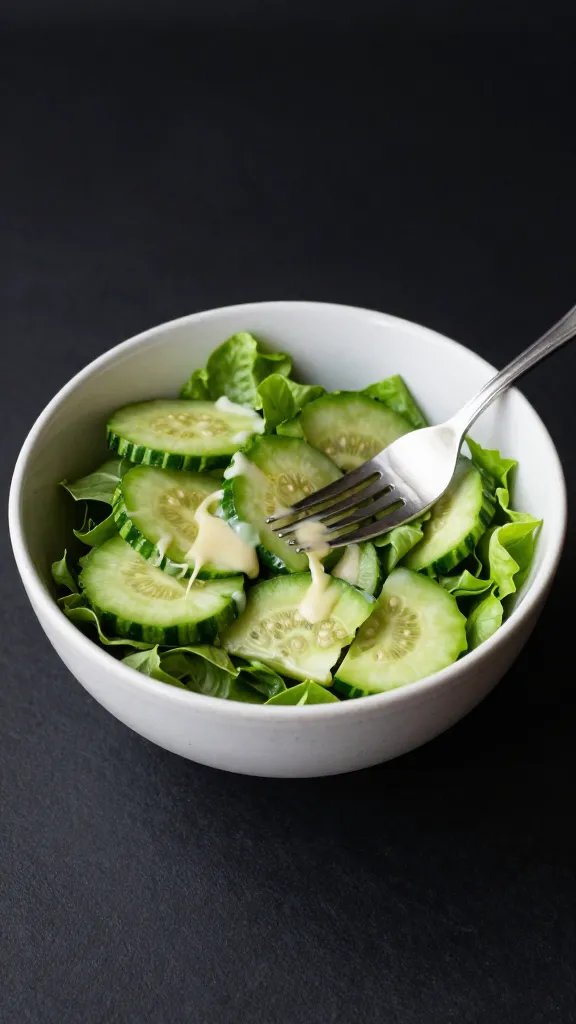
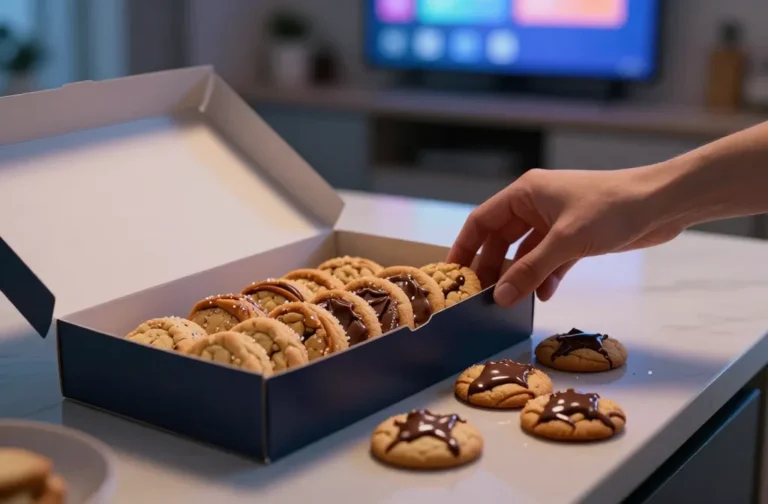
You don’t overeat because you’re weak; you overeat because your environment is sneaky. Let’s rig it in your favor.
- Use smaller plates and bowls: You’ll serve less and feel equally satisfied. The brain is gullible (use it).
- Pre-portion snacks: Buy small bags or make your own. No eating from the container. Ever. Please.
- Serve from the stove, not the table: Seconds become a conscious choice, not a reflex.
- Set a portion “pause” rule: Wait 10 minutes before round two. If you still want it, go for it.
Protein, Fiber, Fat: The Satiety Trio
If your meal leaves you raiding the pantry 30 minutes later, it probably missed one of these.
- Protein keeps you full and steady. Add eggs, tofu, chicken, Greek yogurt, beans.
- Fiber slows digestion and stabilizes blood sugar. Think beans, veggies, oats, berries.
- Fat adds satisfaction. Use olive oil, nuts, avocado, tahini—measured, not poured like it’s free.
IMO: Build meals with all three, and portion control becomes effortless.
Breakfast That Works Hard
Try this structure:
- Protein: eggs or Greek yogurt
- Fiber: berries or oats
- Fat: nuts or avocado
- Carb: whole-grain toast or a small wrap
You’ll coast till lunch without hunting for snacks.
Yes, You Can Have Dessert
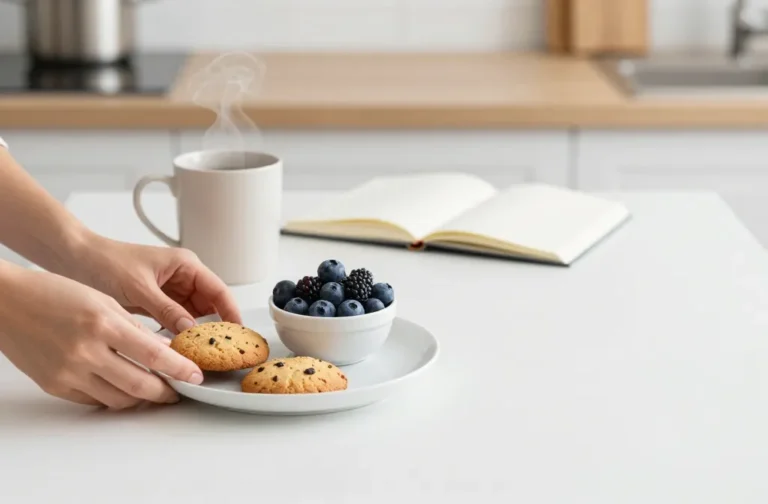
We’re not doing “never again” rules. You can eat treats and still manage portions like a champ.
- Go single-serve: Mini bars, small cups, split-a-dessert situations.
- Pair with protein: Chocolate with Greek yogurt or a protein shake = slower blood sugar spike.
- Eat it last: Dessert hits softer after a balanced meal.
FYI: Scarcity makes cravings louder. Permission turns the volume down.
FAQs
What if I’m still hungry after I finish my plate?
Give it 10–15 minutes. Drink water. If you still feel hungry, add more protein or veggies first. If you truly want more carbs, take a small second portion and enjoy it mindfully—no guilt necessary.
How do I handle restaurant portions?
Split the entree with a friend, ask for a veggie side, or box half before you start. Start with a salad or broth-based soup. Order sauce on the side. You’ll enjoy the meal just as much, without the food coma.
Do I need to track calories to control portions?
Nope. You can use hand portions, plate balance, and hunger cues. Tracking helps some people for awareness, but it’s optional, not required. If tracking stresses you out, skip it.
What about social events and parties?
Scout the table first, choose your favorites, and portion once onto your plate. Eat slowly, chat lots, and sip water. Aim for one plate plus dessert if you want it. You’re there to enjoy people, not just the cheese board (hard, I know).
How do I stop snacking at night?
Front-load your day with protein and fiber, eat a solid dinner, and have a planned evening snack if you like (Greek yogurt with berries, popcorn, or an apple with peanut butter). Create a “kitchen closed” time or brush your teeth after your snack. Routine beats willpower.
Sample Mini-Recipes with Estimated Nutrition
Below are three simple, portion-friendly recipes with estimated nutrition per serving. Serving sizes are noted; where not specified, I estimated a reasonable portion.
1) Veggie-Loaded Egg Scramble
Ingredients (serves 1):
- 2 large eggs
- 1 cup chopped spinach
- 1/2 cup diced bell pepper
- 1/4 cup diced onion
- 1 teaspoon olive oil
- Salt, pepper, chili flakes
Serving size for calculations: 1 plate (entire recipe).
Estimated nutrition per serving:
- Calories: 260
- Total Fat: 18 g
- Total Carbohydrates: 8 g
- Dietary Fiber: 2 g
- Net Carbs: 6 g
- Protein: 16 g
2) Half-and-Half Pasta Bowl
Ingredients (serves 2):
- 2 ounces dry whole-wheat pasta (about 1 cup cooked)
- 2 cups zucchini noodles
- 1 cup marinara sauce
- 4 ounces cooked chicken breast, sliced
- 1 tablespoon olive oil
- Garlic, basil, salt, pepper
Serving size for calculations: 1 bowl (half the recipe).
Estimated nutrition per serving:
- Calories: 370
- Total Fat: 12 g
- Total Carbohydrates: 43 g
- Dietary Fiber: 8 g
- Net Carbs: 35 g
- Protein: 24 g
3) Yogurt Parfait with Crunch
Ingredients (serves 1):
- 3/4 cup nonfat plain Greek yogurt
- 3/4 cup mixed berries
- 2 tablespoons granola
- 1 teaspoon honey
- 1 tablespoon chopped walnuts
Serving size for calculations: 1 parfait (entire recipe).
Estimated nutrition per serving:
- Calories: 270
- Total Fat: 8 g
- Total Carbohydrates: 37 g
- Dietary Fiber: 5 g
- Net Carbs: 32 g
- Protein: 18 g
Notes on Nutrition Estimates
Data based on common USDA averages:
- Eggs (2 large): ~140 kcal, 12 g fat, 1 g carb, 12 g protein
- Olive oil (1 tsp): ~40 kcal, 4.5 g fat
- Veg mix (1.75 cups): ~30 kcal, ~6 g carbs, ~2 g fiber
- Whole-wheat pasta (1 oz dry/serving): ~100 kcal, 21 g carbs, 1.5 g fiber, 4 g protein
- Zucchini noodles (1 cup/serving): ~20 kcal, 4 g carbs, 1 g fiber
- Marinara (1/2 cup/serving): ~70 kcal, 12 g carbs, 3 g fiber
- Chicken breast (2 oz/serving): ~90 kcal, 19 g protein, 1 g fat
- Olive oil (1/2 tbsp/serving): ~60 kcal, 7 g fat
- Greek yogurt nonfat (3/4 cup): ~90 kcal, 16–18 g protein, 6 g carbs
- Berries (3/4 cup): ~50 kcal, 12 g carbs, 3 g fiber
- Granola (2 tbsp): ~60–70 kcal, 10–12 g carbs, 1–2 g fat
- Honey (1 tsp): ~20 kcal, 5.5 g carbs
- Walnuts (1 tbsp): ~50 kcal, 5 g fat, 1 g protein
Disclaimer: Nutrition values are estimates and will vary based on specific brands, measurements, and cooking methods.
Wrap-Up: Make Portions Work For You
You don’t need rigid rules—you need a rhythm. Build plates with protein, fiber, and fat. Eat slowly, use visual cues, and stack your meals with volume foods. Keep dessert in the picture so you don’t obsess. Portion control should feel like a friendly nudge, not a lecture—because the goal isn’t perfection. It’s consistency you can live with.