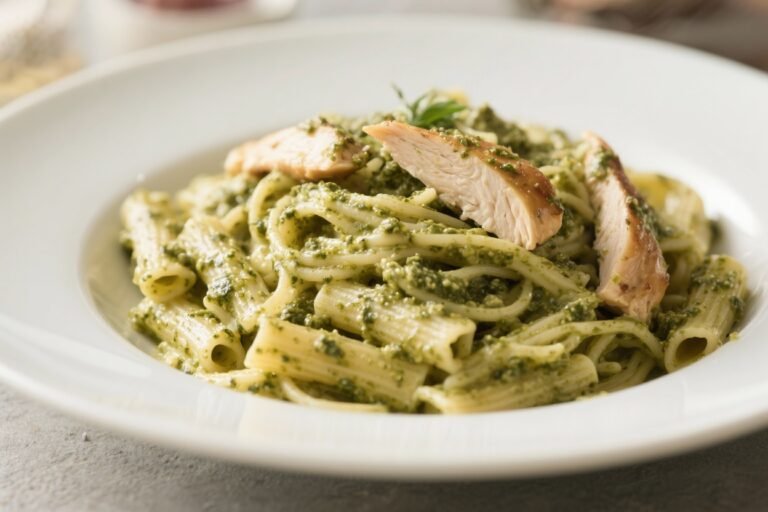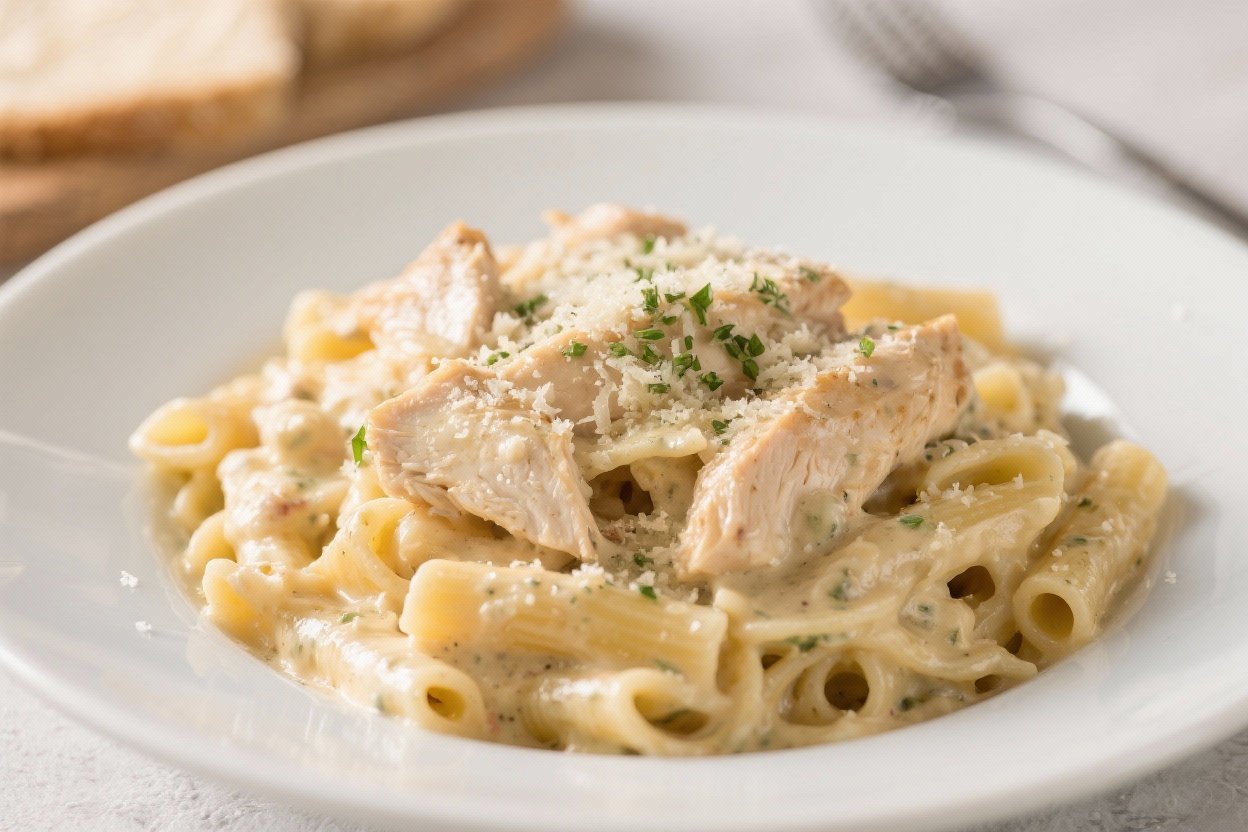
This Creamy Garlic Parmesan Chicken Pasta Will Make You Forget Restaurant Alfredo Exists
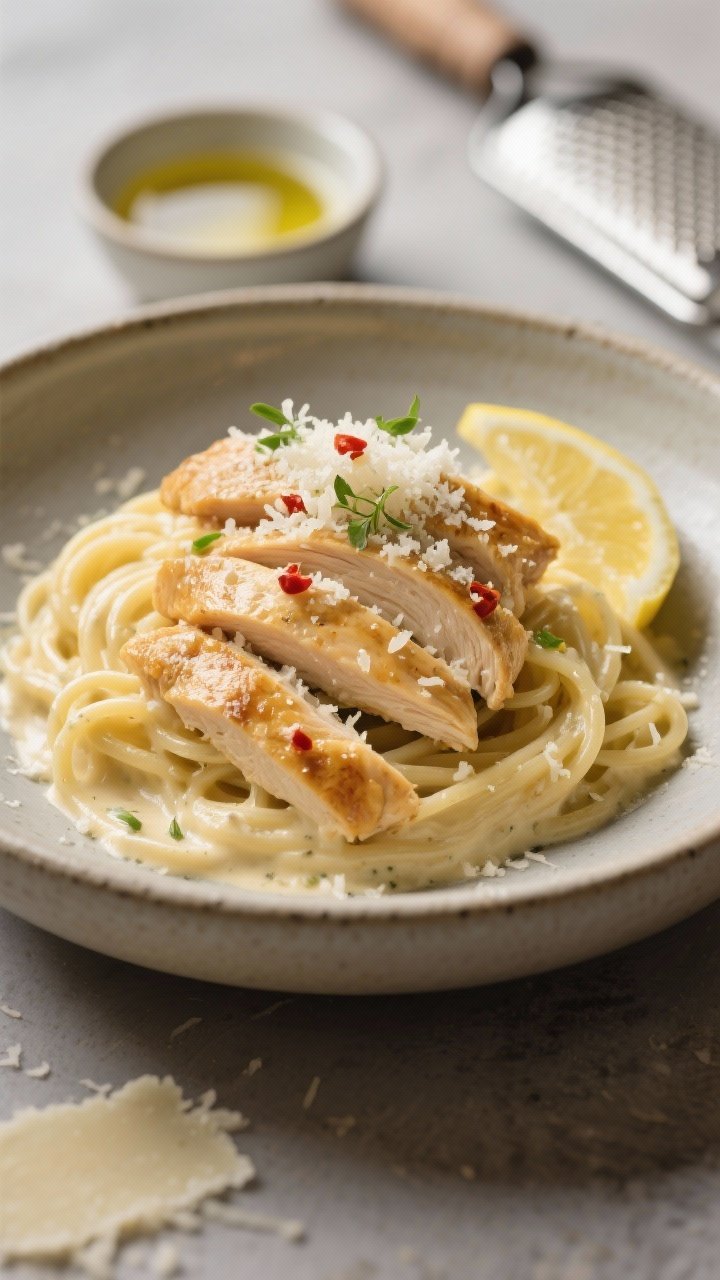
Think comfort food with executive-level flavor discipline. This bowl brings silky sauce, golden chicken, and unapologetic garlic to your table in under an hour—and it actually tastes like you spent all day on it. The secret?
Layered seasoning, a quick pan sauce that hugs every noodle, and just enough Parmesan to make your taste buds call their lawyer. If you can sear chicken and stir a pot, you can pull off a dish that looks like a flex and eats like a hug.
Overeating is a pattern. This helps you fix that problem. A quick reset for cravings, snacking, and “I’ll start tomorrow” moments.
Built for busy home cooks who want real-life structure. Simple steps that fit meal prep, family dinners, and late-night snack attacks.
Why You’ll Love This Recipe

This is weeknight-easy, date-night-tasty. You get juicy, well-seasoned chicken, a creamy garlic-Parmesan sauce that’s velvety without being gluey, and pasta that doesn’t drown in cream but swims in flavor.
It’s the kind of reliable win that turns “What’s for dinner?” into “You made this again? Yes!” And hey, it reheats like a champ, which is more than we can say for most creamy pastas.
Shopping List – Ingredients
- Chicken: 1.5 pounds boneless, skinless chicken breasts (or thighs), patted dry
- Pasta: 12 ounces fettuccine, linguine, or rigatoni
- Fat: 2 tablespoons olive oil, 2 tablespoons unsalted butter
- Garlic: 5–6 cloves, finely minced (yes, we’re serious)
- Cream: 1.25 cups heavy cream (or 1 cup cream + 1/4 cup whole milk)
- Parmesan: 1 cup freshly grated Parmigiano-Reggiano (not the dusty can)
- Broth: 1/2 cup low-sodium chicken broth
- Seasoning: 1 teaspoon kosher salt, 1/2 teaspoon black pepper, 1 teaspoon Italian seasoning
- Heat (optional): 1/4 teaspoon red pepper flakes
- Acid: 1–2 teaspoons fresh lemon juice
- Thickener (optional): 1 teaspoon cornstarch mixed with 1 tablespoon water
- Fresh herbs: 2 tablespoons chopped parsley or basil
Instructions
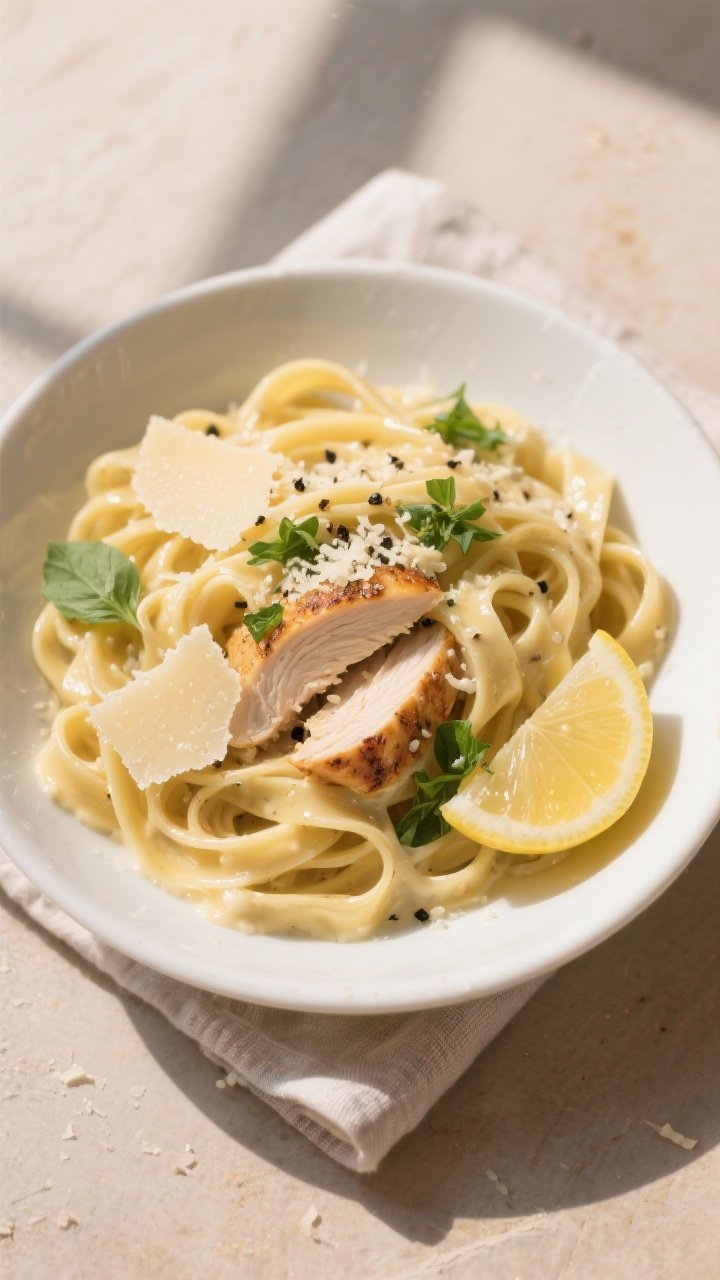
- Season the chicken. Slice breasts horizontally into cutlets for faster, even cooking. Pat dry, then season both sides with salt, pepper, and Italian seasoning.
- Boil the pasta. Bring a large pot of salted water to a rolling boil.
Cook pasta to just shy of al dente. Reserve 1 cup pasta water; drain.
- Brown the chicken. Heat olive oil in a large skillet over medium-high. Add chicken and sear 4–5 minutes per side until golden and cooked through (165°F).
Transfer to a plate; tent with foil.
- Build the flavor base. Reduce heat to medium. Add butter to the skillet. Stir in garlic and red pepper flakes; cook 30–45 seconds until fragrant (don’t brown it).
- Deglaze. Pour in chicken broth.
Scrape up the browned bits—free flavor. Simmer 1–2 minutes to reduce slightly.
- Create the cream sauce. Lower heat to medium-low. Stir in heavy cream.
Simmer gently 2–3 minutes until slightly thickened. If you prefer extra body, whisk in the cornstarch slurry and simmer 30–60 seconds.
- Add Parmesan smartly. Remove pan from heat and gradually whisk in Parmesan until melted and smooth. Return to low heat if needed.
Season to taste with salt and pepper.
- Slice the chicken. Cut into bite-size strips or cubes. Add any resting juices to the sauce (liquid gold).
- Marry pasta and sauce. Add drained pasta to the skillet with a splash of reserved pasta water. Toss over low heat until glossy and well-coated.
Fold in chicken.
- Finish with brightness. Stir in lemon juice to wake up the richness. Sprinkle with herbs. Adjust consistency with more pasta water if needed.
- Serve immediately. Top with extra Parmesan and black pepper.
You earned it.
Storage Instructions
- Fridge: Cool completely, then store in an airtight container up to 3–4 days.
- Reheat: Warm gently on the stovetop with a splash of milk or broth to loosen the sauce. Microwave in short bursts, stirring between intervals.
- Freezer: Not ideal (cream can separate), but acceptable for up to 1 month if tightly sealed. Reheat slowly and re-emulsify with a bit of cream and pasta water or broth.
Nutritional Perks
- Protein-forward: Chicken supplies complete protein to keep you satiated and support recovery.
- Calcium hit: Parmesan pulls its weight with calcium and savory umami, so you can use less salt overall.
- Smart fats: Using olive oil and controlled cream creates a silky texture without a gut-bomb situation.
- Built-in portion control: Because the sauce is rich, smaller portions still feel satisfying—your appetite’s ROI is solid, IMO.
Don’t Make These Errors
- Using pre-grated, powdery Parmesan. It won’t melt right and tastes flat.
Freshly grated is non-negotiable.
- Boiling the cream. High heat can split the sauce. Keep it at a gentle simmer.
- Skipping pasta water. That starchy liquid makes the sauce cling. Dry pasta is sad pasta.
- Overcrowding the skillet. Chicken won’t brown—it will steam.
Cook in batches if needed.
- Adding lemon too early. Acid can curdle dairy if added during a rolling boil. Finish at the end.
Different Ways to Make This
- Lighten it up: Swap half the cream for evaporated milk; keep the Parmesan and technique the same.
- Mushroom moment: Sauté cremini or shiitake after browning the chicken. Their umami + Parmesan = chef’s kiss.
- Spinach upgrade: Toss in 3–4 cups baby spinach with the pasta and sauce; it wilts instantly.
- Bacon or pancetta: Render 4 ounces first, then use the fat plus butter for the sauce.
Salt carefully.
- Gluten-free: Use GF pasta and thicken with a cornstarch slurry. Reserve extra pasta water; GF pasta drinks sauce.
- Herb swap: Try thyme and chives for a fresher profile, or a little rosemary for a woodsy vibe (go easy).
- Heat lovers: Add Calabrian chili paste to the butter-garlic step for a fruity kick.
- No-chicken option: Use shrimp (cook 1–2 minutes per side), or go meatless with roasted cauliflower florets.
FAQ
Can I use milk instead of heavy cream?
You can, but expect a thinner sauce. For better texture, use evaporated milk or half-and-half and add a small cornstarch slurry.
Keep heat low to avoid curdling.
What pasta shape works best?
Long noodles like fettuccine or linguine are classic, but short shapes like rigatoni or penne hold sauce in their ridges. Choose what you love—just cook to al dente.
How do I prevent the sauce from becoming grainy?
Use freshly grated Parmesan, keep the heat low when adding cheese, and whisk it in off the heat in stages. High heat + pre-grated cheese = gritty city, FYI.
Can I make it ahead?
Make the components ahead: cook chicken and prep sauce, but keep pasta separate.
Reheat sauce gently, add fresh-cooked pasta with a splash of pasta water, then fold in sliced chicken.
What if my sauce is too thick?
Add warm pasta water or broth, a tablespoon at a time, while tossing over low heat until it’s glossy and smooth again.
What if my sauce breaks?
Take the pan off heat, whisk in a splash of cold cream or milk, then add pasta water gradually while stirring. Usually rescues it.
Is rotisserie chicken okay?
Absolutely. Warm it briefly in the sauce to hydrate, then toss with pasta.
It’s a great shortcut for busy nights.
Can I reduce the garlic?
Yes—use 2–3 cloves if you want it gentler. Or roast garlic and mash it in for sweeter, mellow flavor.
My Take
This recipe is the cheat code for restaurant-level comfort with home-kitchen effort. The combo of garlic butter, gentle cream, and real-deal Parmesan hits all the buttons without feeling heavy or fussy.
Keep the heat modest, respect your pasta water, and let fresh cheese do the heavy lifting. Make it once, and it’ll slide into your weekly rotation like it always lived there.
Printable Recipe Card
Want just the essential recipe details without scrolling through the article? Get our printable recipe card with just the ingredients and instructions.