8 Mindset Shifts for How to Break the Cycle of Guilt and Overeating
You ate the thing. Then you felt bad about eating the thing. Then you ate more things because you felt bad. Rinse, repeat, and welcome to the guilt–overeating hamster wheel. Let’s hit pause on the self-lecture and talk about how to actually break that cycle—without turning eating into a math exam or a morality test.
Why Guilt Fuels Overeating (And Not Willpower)
Guilt sounds like it should motivate you to “do better,” right? Wrong. Guilt triggers stress, and stress cranks up cravings. Your brain thinks you’re in danger and goes hunting for fast comfort—aka food.
When you label foods “good” or “bad,” you set yourself up to feel “bad” for eating something “bad.” That shame spiral then leads to the classic “I already messed up, so what’s the point?” binge. FYI: You didn’t mess up. You’re human, and your nervous system is doing its quirky thing.
Overeating is a pattern. This helps you fix that problem. A quick reset for cravings, snacking, and “I’ll start tomorrow” moments.
Built for busy home cooks who want real-life structure. Simple steps that fit meal prep, family dinners, and late-night snack attacks.
Drop the Food Morality Play
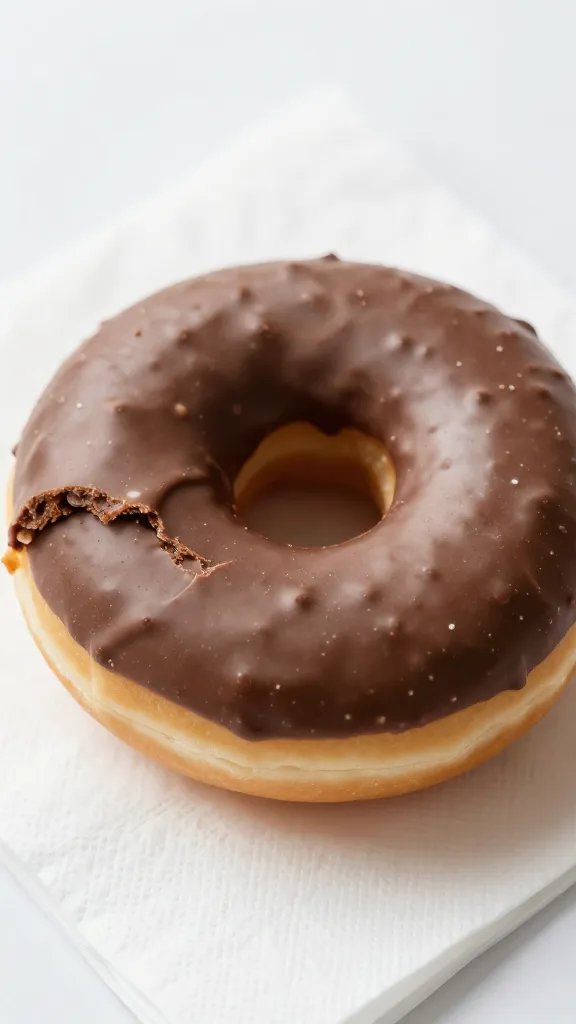
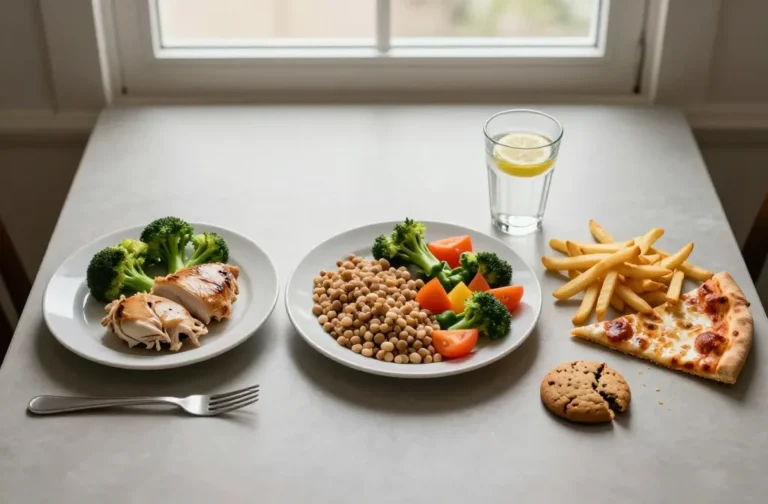
Let’s retire the courtroom drama where cookies are villains and salad is saintly. Food has no moral value. You don’t earn points for kale or lose points for fries. You eat, you get energy, you move on.
Try these reframes:
- Instead of “I was bad,” try “I ate more than I planned—what was I feeling?”
- Instead of “I can’t have that,” try “I can have it any time. Do I want it now?”
- Instead of “I blew it,” try “One choice doesn’t define my day.”
Language That Helps, Not Hurts
Switch “should” with “could.” “I should only eat clean” becomes “I could add a veggie to this.” Softer language lowers pressure, and lower pressure means fewer pendulum swings between restriction and overeating.
Eat Enough, Early, and Often
Starving all day almost guarantees night-time overeating. Your body isn’t mad at you; it’s just hungry and done with your under-fueling shenanigans.
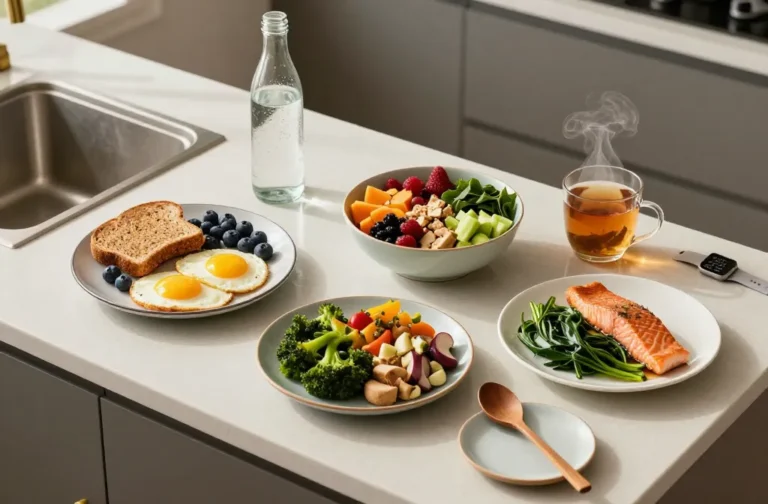
Anchor your day with:
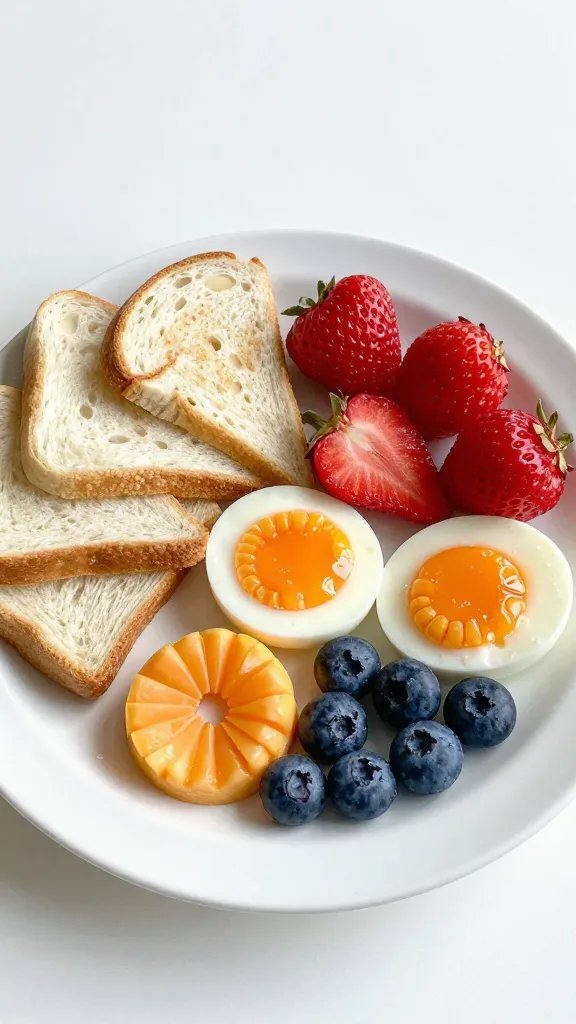
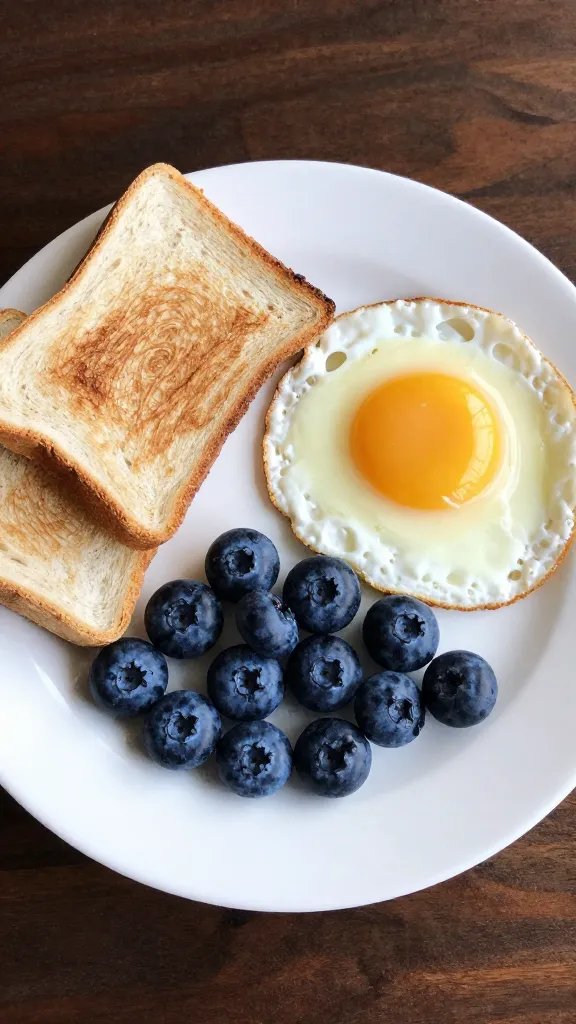
- Protein at each meal to stay full (eggs, Greek yogurt, tofu, chicken, beans).
- Fiber and carbs for steady energy (oats, fruit, whole grains, potatoes).
- Fat for satisfaction (avocado, nuts, olive oil).
The “Subtract Nothing, Add Something” Trick
Instead of cutting foods, add something helpful. Pizza night? Add a side salad or roasted veggies. Sweet tooth? Pair the cookie with milk or yogurt. You keep the joy and your blood sugar thanks you.
Handle Urges Like a Pro (Without White-Knuckling)
Cravings are waves. You don’t need to fight them—you surf them. That sounds woo-woo, but hang with me.
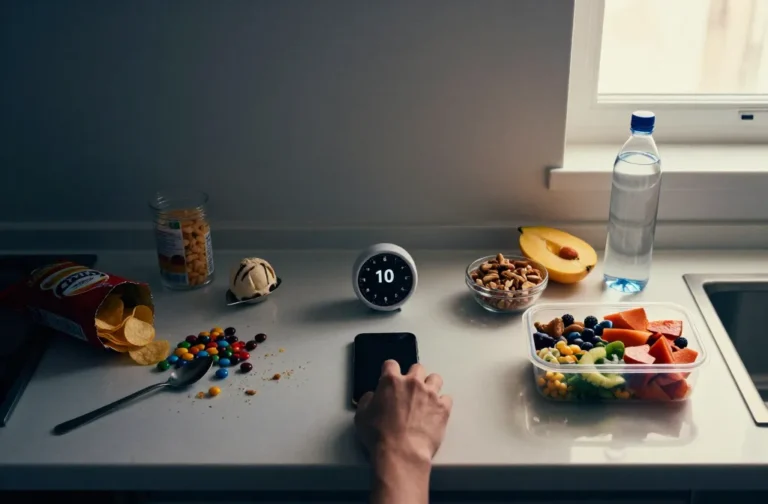
Use the 10-Minute Pause:
- Notice the urge. Name it: “I want chocolate, like, now.”
- Check the basics: Am I hungry? Thirsty? Exhausted? Bored?
- Do a quick reset: drink water, change rooms, take a short walk, stretch.
- If you still want it after 10 minutes, eat it mindfully. No hiding, no multitasking.
Mindful Eating, But Make It Realistic
You don’t need to stare at a raisin for 5 minutes. Just slow down a tad:
- Plate your snack. No bag-to-mouth action.
- First three bites: pay attention to flavor and texture.
- Midway check-in: still enjoying it? Cool. If not, stop. Permission to save the rest.
Plan for Enjoyment, Not Perfection
Perfect plans break. Flexible ones bend. Schedule fun foods on purpose so they don’t feel forbidden. You reduce the “last supper” effect when you know treats aren’t going anywhere.
Example weekly rhythm (IMO, super doable):
- Two planned dessert nights you actually look forward to.
- One meal out with zero macro-counting.
- Simple batch-cook basics: roasted potatoes, chicken or tofu, chopped veg, rice.
You’ll end up with fewer decision panics and more consistent meals. Consistency beats intensity, every time.
When Emotions Drive the Bus
Food solves a lot. It comforts, distracts, and celebrates. That’s valid. It just can’t be the only tool in the box.
Build a tiny coping menu:
- Stress: 4-7-8 breathing, 5-minute walk, hot shower.
- Lonely: text a friend, hop on a forum, watch something silly.
- Overwhelmed: brain dump on paper, set a 10-minute timer, do one tiny task.
Self-Compassion Beats Self-Control
You don’t need more discipline. You need more kindness. Talk to yourself like you would to a friend. You’ll make calmer choices, and the urge to “make up for it” with restriction will fade.
What If You Overeat Anyway?
It happens. You’re not broken. Here’s your simple reset—no penance required.
Post-overeat game plan:
- Drink water. Not to “flush” anything—just to feel better.
- Go for a short walk to settle your body.
- Eat your next normal meal. Don’t skip it “to compensate.”
- Reflect once: What led up to it? Tired? Skipped lunch? Stress? Jot a note. Then move on.
FAQ
Should I cut out trigger foods completely?
Short term? It might feel easier. Long term? It backfires. Restriction cranks up obsession. Keep trigger foods around in small, planned amounts, and pair them with protein or fiber. Over time, your brain stops panicking because it trusts that more is coming.
Is intermittent fasting helpful if I overeat at night?
Sometimes it makes things worse. If you skip breakfast and lunch, you’ll naturally get ravenous at night. Try a balanced breakfast and lunch for two weeks first. If you still prefer a time window after that, cool—but don’t use fasting as punishment.
How do I know if it’s emotional hunger or physical hunger?
Physical hunger builds gradually and any real food sounds good. Emotional hunger hits fast and gets picky (I need chocolate now). When in doubt, eat a small balanced snack—like yogurt with fruit or cheese and crackers. If the craving softens, you were hungry. If not, try a non-food coping tool.
Can I lose weight without counting calories?
Yes. You can focus on structure instead of numbers: regular meals, protein at each meal, fiber-rich carbs, and planned treats. Many people naturally eat more consistently (and often less overall) with this approach. FYI, some folks like tracking for a bit—just don’t let it become a morality meter.
What if I binge regularly?
Reach out to a licensed therapist or registered dietitian who specializes in eating disorders. You deserve support. Binge eating isn’t a willpower problem; it’s a complex pattern with emotional and biological roots. Professional help can speed up healing big time.
Simple, Comforting Snack Ideas (With Nutrition Estimates)
Below are three easy, satisfying ideas that pair enjoyment with staying power. I estimated nutrition using standard USDA data. Serving sizes noted per item.
1) Greek Yogurt Parfait with Berries and Honey
Serving size: 1 parfait
Ingredients:
- 3/4 cup (170 g) plain nonfat Greek yogurt
- 1/2 cup (75 g) mixed berries
- 1 tablespoon (21 g) honey
- 2 tablespoons (14 g) chopped almonds
Estimated nutrition per serving:
- Calories: 270
- Total Fat: 6 g
- Total Carbohydrates: 38 g
- Dietary Fiber: 5 g
- Net Carbs: 33 g
- Protein: 20 g
2) Avocado Egg Toast
Serving size: 1 slice toast with toppings
Ingredients:
- 1 slice whole-grain bread (40 g)
- 1/2 medium avocado (75 g)
- 1 large egg, fried or poached
- Pinch of salt, pepper, chili flakes (optional)
Estimated nutrition per serving:
- Calories: 330
- Total Fat: 20 g
- Total Carbohydrates: 27 g
- Dietary Fiber: 8 g
- Net Carbs: 19 g
- Protein: 13 g
3) Cottage Cheese Fruit Bowl with Peanut Butter
Serving size: 1 bowl
Ingredients:
- 3/4 cup (170 g) 2% cottage cheese
- 1 small apple, chopped (150 g)
- 1 tablespoon (16 g) peanut butter
- Cinnamon (optional)
Estimated nutrition per serving:
- Calories: 310
- Total Fat: 12 g
- Total Carbohydrates: 32 g
- Dietary Fiber: 5 g
- Net Carbs: 27 g
- Protein: 20 g
Disclaimer: Nutrition values are estimates based on typical USDA data and common brand averages. Actual numbers can vary by brand, preparation, and portion size.
Bottom Line
You don’t need perfect discipline—you need better rhythms and less drama. Feed yourself consistently, drop the food guilt, and plan joy on purpose. When you overeat, respond with curiosity, not punishment. Do that on repeat, and the cycle loses its power—IMO, that’s real freedom.