The Truth About “Food Addiction” and What to Do About It Now
You don’t “accidentally” eat an entire sleeve of cookies because you lack willpower. Your brain runs on reward loops, stress chemistry, and old habits that outsmart the best intentions. The “food addiction” debate sits right in that messy middle: not a moral failing, not exactly the same as drug addiction either. Let’s unpack what’s really going on—and what you can actually do about it without turning your life into a spreadsheet.
FREE 7-Day Easy Dinner Reset
Get 7 healthy, family-friendly dinners complete with recipes and simple meal plans delivered straight to your inbox.
So… Is “Food Addiction” Real?
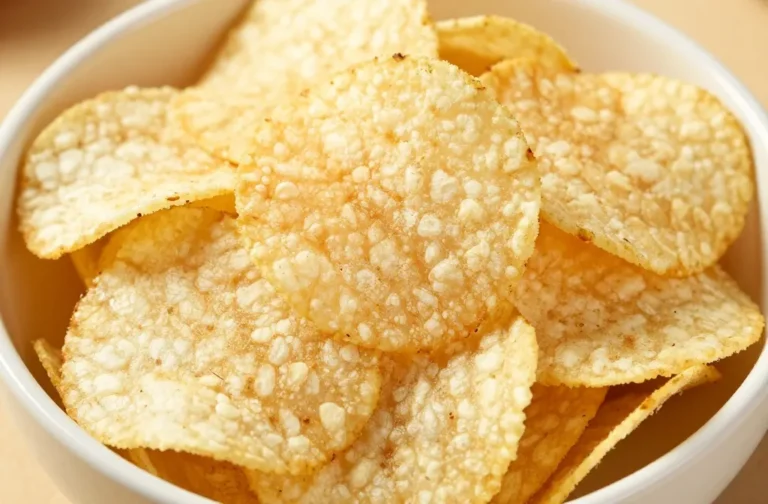
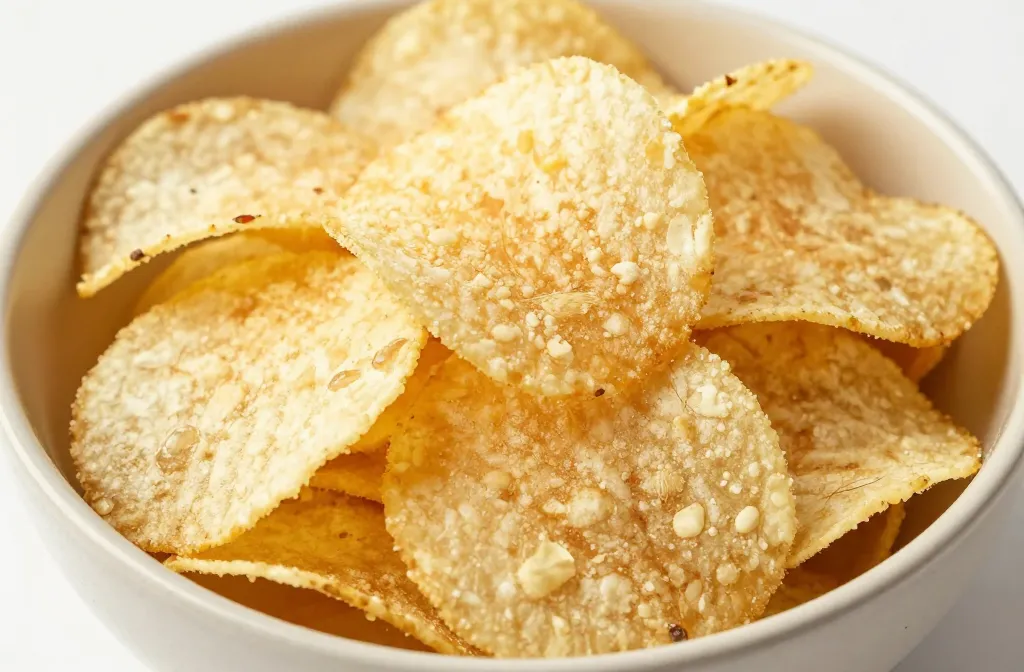
Short answer: sort of. Some ultra-processed foods (think: chips, candy, fast food) hit your brain’s reward pathways—dopamine, opioid receptors—similar to addictive substances. You crave, you chase, you get a hit, you want more.
But here’s the nuance: you need food to live. You can’t abstain like you would with alcohol or nicotine. Also, not everyone responds the same way. Genetics, stress, sleep, and your environment play huge roles. So yes, you can experience addiction-like patterns with certain foods. No, you’re not broken. You’re human.
What “Addictive” Foods Usually Look Like
- Hyper-palatable combos: high sugar + fat + salt in one bite
- Easy to overeat: melts in your mouth, minimal chew, low fiber
- Packaged for impulse: bright labels, portionless bags
Why Willpower Alone Fails (It’s Not You)
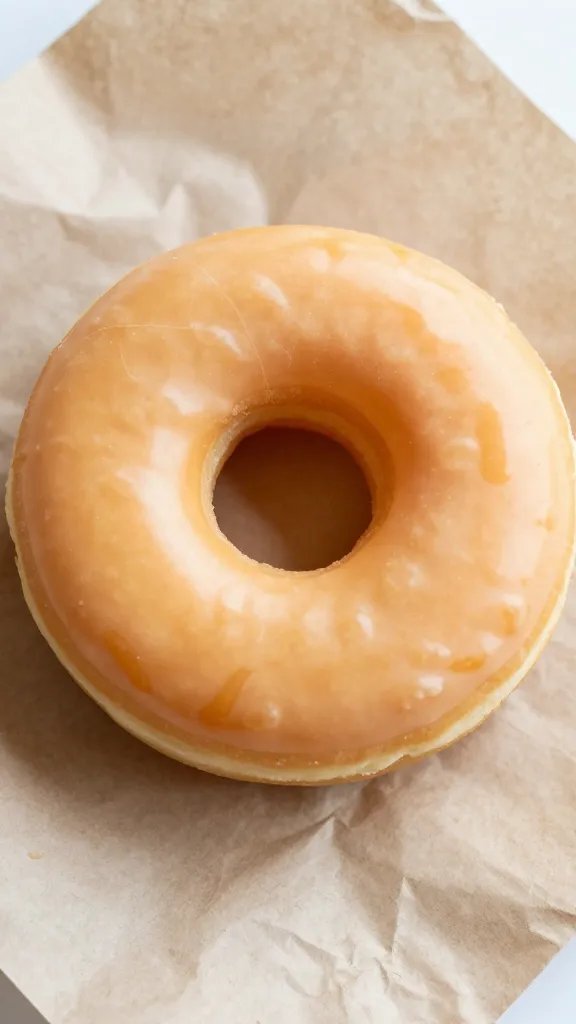
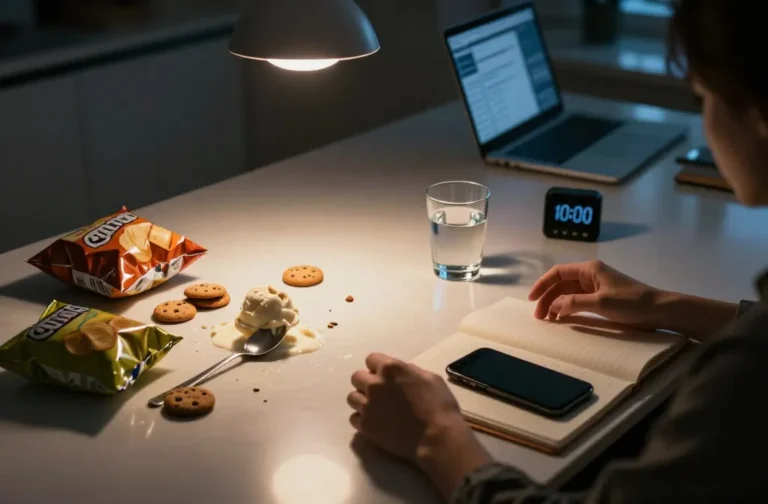
Your brain loves predictability. When you reach for the same late-night snack, your brain fires up that routine like a well-worn shortcut. Add stress and sleep deprivation and boom—impulse control tanks, cravings spike, and your rational brain takes a nap.
The fix isn’t more discipline; it’s better design. Change the context, not just the choice. You outsmart the urge by reducing friction for the “good” stuff and adding friction for the “eh, maybe not” stuff.
Environment Hacks That Actually Work
- Make it annoying: Keep trigger foods out of the house or high up/in the garage.
- Swap the first bite: Start meals with a protein or veg appetizer; your hunger softens fast.
- Default snacks: Pre-portion nuts, Greek yogurt, fruit + cheese, hummus + veggies.
- Light at night: Dim lights after dinner; bright light can nudge hunger hormones.
Restriction Backfires—Balance Wins
Cutting out entire food groups often ignites binge cycles. You tell yourself “never again,” then your brain stockpiles like an apocalypse is coming. Instead, practice flexible structure. You can plan, enjoy, and move on.
Try the “1-2-3 method”:
- 1 anchor protein each meal (eggs, fish, tofu, chicken, beans)
- 2 plants (veg or fruit)
- 3 enjoyment items/week (dessert, bakery run, pizza night)—scheduled, not “cheated”
You keep satisfaction high, blood sugar steady, and drama low. IMO, this works better than any cleanse.
Craving vs. Hunger: Know the Difference
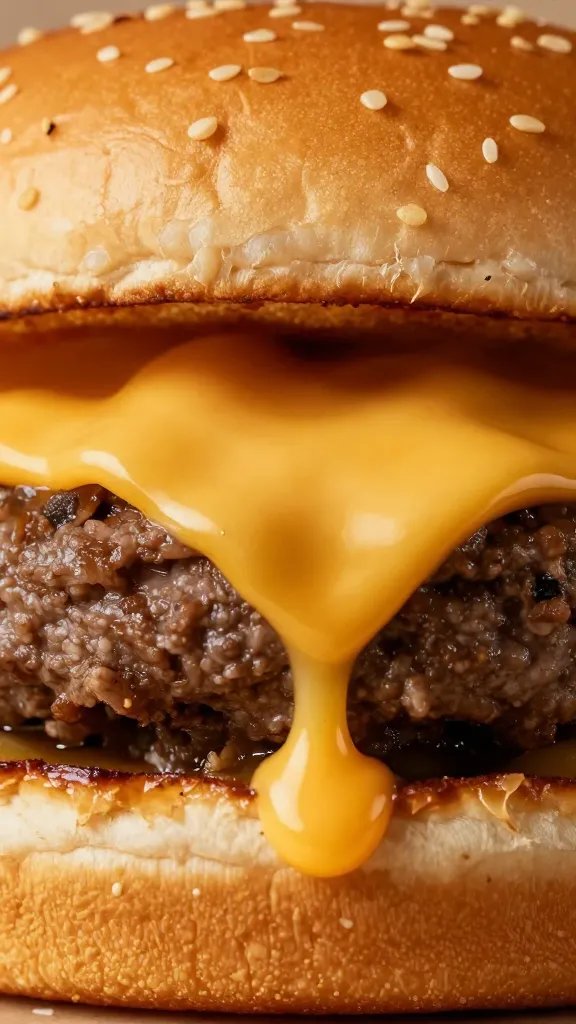
Hunger grows slowly and feels in your body (stomach, low energy). Cravings blast in like a push notification and demand a specific food. Different playbooks help.
When You’re Actually Hungry
- Eat a full meal with protein + fiber + fat.
- Hydrate and salt your food to taste—electrolytes matter.
- Slow down for 10-15 minutes; satiety signals need time.
When It’s a Craving
- Delay 10 minutes: do a quick walk, shower, or text a friend.
- Surf the urge: rate it 1-10, watch it rise/fall. It rarely stays a 10.
- Have a “close cousin”: chocolate protein yogurt instead of candy, popcorn instead of chips.
- If you choose the treat, plate it, sit down, savor it—no phones. You’ll need less.
The Boring Pillars You Can’t Skip
Sorry, but these move the needle more than any hack:
- Sleep 7-9 hours: Poor sleep ramps up ghrelin (hunger) and downgrades control.
- Protein target: ~0.7-1.0 g per lb of goal body weight (FYI: adjust for medical needs).
- Fiber: 25-35 g/day from plants; it blunts cravings and stabilizes energy.
- Movement: Walk after meals; lifts help appetite regulation and mood.
- Stress outlets: You can’t “white-knuckle” stress and expect calm eating.
When to Get Extra Help
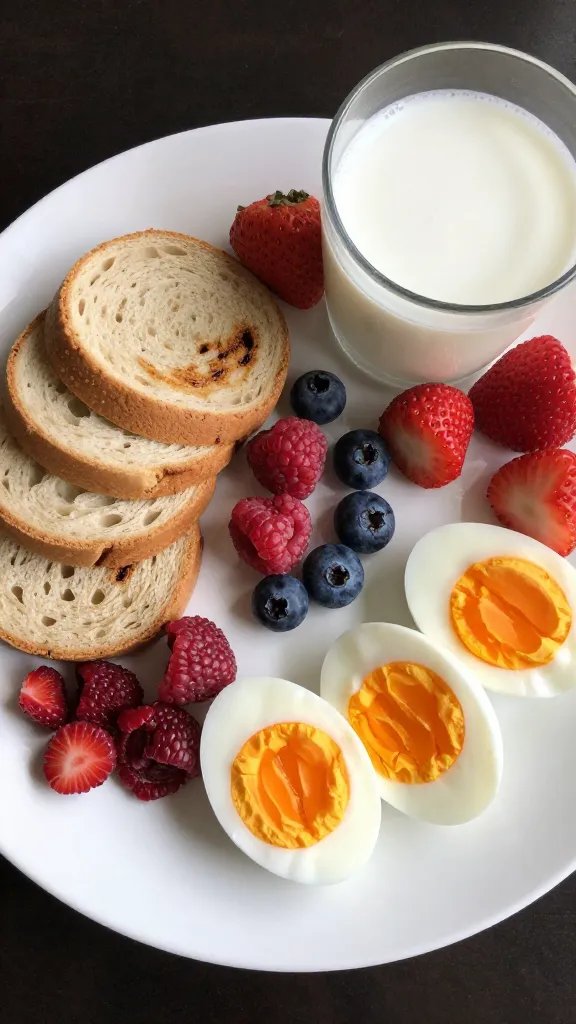
If eating feels chaotic most days, or you feel out of control, talk to a pro—a registered dietitian experienced with binge/restrict cycles, or a therapist trained in CBT, ACT, or DBT. Medication can help too in certain cases (like ADHD-related impulsivity). No shame, just tools.
Green Flags in a Good Coach or Clinician
- Focuses on skills, not shame
- Builds flexible plans you can live with
- Understands trauma, stress, and neurodiversity factors
Three Simple “Food Freedom” Recipes
Keep these handy so you always have satisfying options that don’t spark a spiral.
1) Chocolate Greek Yogurt Bowl
Ingredients (1 serving):
- 3/4 cup (170 g) plain nonfat Greek yogurt
- 1 tablespoon unsweetened cocoa powder
- 2 teaspoons honey or maple syrup
- 1 tablespoon peanut butter
- 1/2 small banana, sliced (50 g)
- 1 tablespoon dark chocolate chips
Directions:
Never Wonder What's For Dinner Again
Get 7 healthy, family-friendly dinners complete with recipes, grocery lists, and simple meal plans delivered straight to your inbox.
- Mix yogurt, cocoa, and honey. Top with peanut butter, banana, and chocolate chips.
Serving size: 1 bowl (about 260–300 g)
Estimated nutrition per serving:
- Calories: ~345
- Total Fat: ~12 g
- Total Carbohydrates: ~39 g
- Dietary Fiber: ~6 g
- Net Carbs: ~33 g
- Protein: ~26 g
2) High-Protein Snack Box
Ingredients (1 serving):
- 2 hard-boiled eggs
- 1 oz (28 g) cheddar cheese
- 12 baby carrots (90 g)
- 1 small apple (150 g)
- 10 almonds (14 g)
Directions:
- Pack in a container for grab-and-go.
Serving size: 1 snack box
Estimated nutrition per serving:
- Calories: ~420
- Total Fat: ~23 g
- Total Carbohydrates: ~33 g
- Dietary Fiber: ~7 g
- Net Carbs: ~26 g
- Protein: ~24 g
3) Sheet-Pan Chicken, Veg, and Potatoes
Ingredients (4 servings):
- 1.5 lb (680 g) boneless, skinless chicken thighs
- 1 lb (454 g) baby potatoes, halved
- 1 large bell pepper (150 g), sliced
- 1 medium red onion (110 g), sliced
- 2 cups broccoli florets (150 g)
- 2 tablespoons olive oil
- 1 teaspoon salt, 1/2 teaspoon black pepper
- 1 teaspoon smoked paprika, 1 teaspoon garlic powder
Directions:
- Toss everything with oil and spices. Roast at 425°F (220°C) for 25-30 minutes.
Serving size: 1/4 of recipe (about 350–400 g)
Estimated nutrition per serving:
- Calories: ~470
- Total Fat: ~22 g
- Total Carbohydrates: ~30 g
- Dietary Fiber: ~6 g
- Net Carbs: ~24 g
- Protein: ~38 g
Disclaimer: Nutrition values are estimates based on standard USDA data and typical products. Actual values vary by brand, exact weights, and cooking method.
FAQ
Do I need to cut sugar completely to stop cravings?
Nope. Reducing added sugar helps, but total elimination often backfires. Aim for balanced meals, steady protein, and planned treats you savor. Cravings usually calm within 1-2 weeks of steadier eating.
Are artificial sweeteners better or worse?
They can help some people reduce added sugar while keeping satisfaction high. Others notice more cravings or GI issues. Test for 1-2 weeks and see how you feel. IMO, occasional use is fine if it helps you stick to your plan.
How fast can I “reset” my cravings?
You’ll notice changes within days if you sleep more, eat protein at breakfast, and hydrate. Bigger shifts usually take 2-4 weeks. Think “tuning the dials,” not flipping a switch.
What if I binge at night?
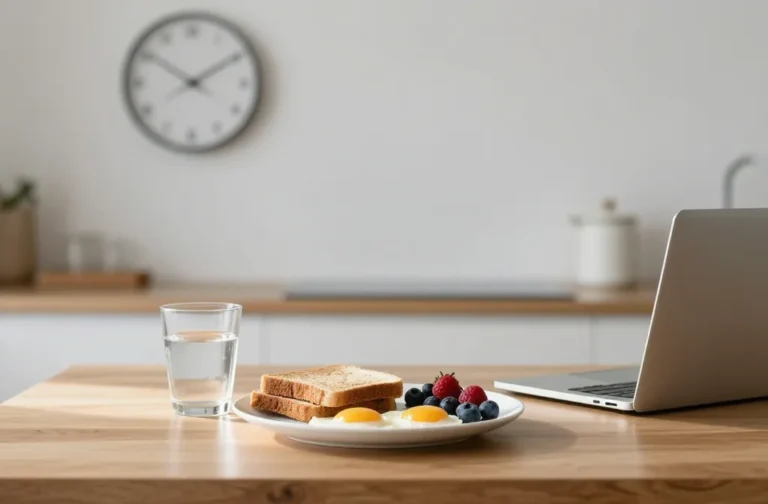
Front-load your day: bigger breakfast and lunch with protein and fiber. Add an afternoon snack. Set a defined, satisfying evening routine—decaf tea, a short walk, screens off earlier. Keep trigger foods out of reach. If binges persist, work with a pro.
Is “food addiction” just emotional eating?
They overlap, but not always. Emotional eating uses food to manage feelings. Addiction-like patterns look more compulsive with tolerance and withdrawal-like irritability. Either way, skills beat shame.
Bottom Line
You’re not weak; your brain just loves easy dopamine. Build meals that satisfy, design your environment, and give cravings less room to run the show. Add sleep, stress care, and some movement, and you’ll stack wins fast. And if you need backup? Ask for it. Strong move, not a failure. FYI: You’ve got this.
Printable Recipe Card
Want just the essential recipe details without scrolling through the article? Get our printable recipe card with just the ingredients and instructions.
Loved This Recipe?
If you're looking for more simple, healthy dinners your family will actually eat, grab my FREE 7-Day Easy Dinner Reset. You'll get 7 easy dinner recipes, simple grocery lists, and a done-for-you plan that takes the stress out of mealtime.