The Mindset Shift That Ends Emotional Eating for Good
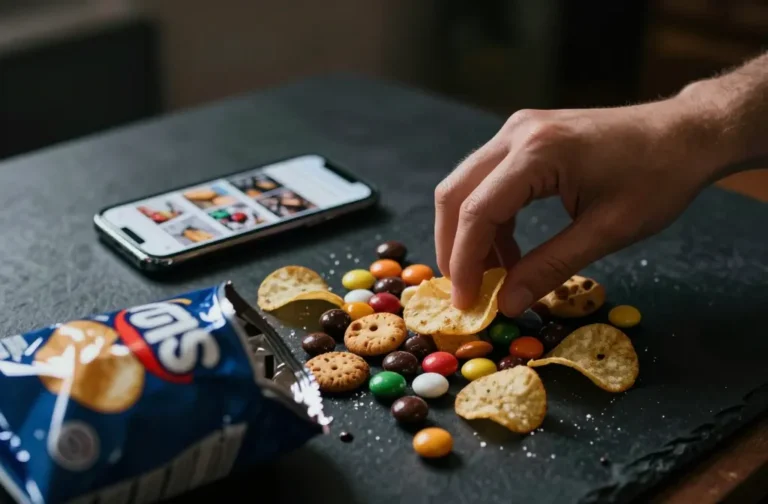
You don’t need more willpower. You need a tiny mental pivot that changes what food means in the moment you want to eat your feelings. Emotional eating isn’t a character flaw; it’s a coping strategy that worked… until it didn’t. The fix? Stop playing tug-of-war with cravings and learn to decode them like messages. Once you shift from “food as numbing” to “feelings as data,” everything gets lighter—no shame spiral required.
FREE 7-Day Easy Dinner Reset
Get 7 healthy, family-friendly dinners complete with recipes and simple meal plans delivered straight to your inbox.
The Real Culprit: Mislabeling Your Problem
You think you have a food problem. Spoiler: you have a feelings problem you accidentally assigned to snacks. When stress hits, food offers fast relief. That relief trains your brain to repeat the loop.
The mindset shift: from “I can’t control myself” to “I can read my signals.” Cravings send info. Instead of fighting them, get curious. Ask: What am I actually needing—comfort, rest, control, novelty, or connection?
Why This Matters
When you label the real need, your brain chills out. You depower the craving because you stop making it taboo and start making it teachable. Curiosity melts urgency.
The Two-Minute Pause That Changes Everything

No, this isn’t meditation in a cave. It’s a micro-pause before you eat. Two minutes. Set a timer. Stay with me.
Do this:
- Name the feeling: anxious, bored, lonely, overwhelmed.
- Rate it 1–10. Anything above a 6 means you need care, not calories.
- Ask, “What would help for 5 minutes if food didn’t exist?”
- Decide: eat with awareness or try the care first. Both are wins.
You still get to eat if you want to. The pause isn’t punishment—it’s power.
What If I Still Want the Cookie?
Eat it like you mean it. Sit, plate it, no screens, 10 slow bites. Remove the “forbidden” drama. Paradoxically, allowing reduces the urge to binge. Wild, I know.
Build Your Emotional Menu (Not Just a Meal Plan)
You already have a food menu. You also need an emotional one. It’s a list of non-food actions that meet specific needs—fast.
Plug-and-play ideas:
- Overwhelm (need: calm): 4-7-8 breathing, two pages of a brain dump, rinse wrists under cold water.
- Loneliness (need: connection): text a friend a “thinking of you” voice note, 5-minute pet playtime, join a quick online group chat.
- Boredom (need: stimulation): 10-minute walk + podcast, puzzle app, learn a new skill for 5 minutes.
- Restlessness (need: movement): 20 squats, stretch your hip flexors, 1-song dance party. Yes, badly.
- Control (need: agency): tidy one drawer, plan tomorrow’s top 3 tasks, set a 15-minute “win” timer.
Keep the menu visible. Tape it to your fridge. Make it easier than ordering your usual edible band-aid.
Rewriting the Story You Tell Yourself

Old script: “I ruined everything. I have no discipline.” New script: “I used food to cope today. Thanks, brain. I’m learning other ways.” That’s not toxic positivity—it’s neurological truth. Shame drives more eating. Compassion drives change.
The 3-Sentence Reframe
- Fact: “I ate ice cream after a stressful day.”
- Why: “I wanted comfort and predictability.”
- Next step: “Next time I’ll try a 2-minute pause, then decide.”
You don’t need perfection. You need fewer spirals.
Make the Environment the Sidekick, Not the Villain
Willpower gets tired. Environments don’t. You can rig yours to reduce autopilot eating and boost mindful choices.
Quick wins (IMO these punch above their weight):
- Keep comfort foods, but store them in opaque containers and harder-to-reach spots.
- Place cut fruit, yogurt, or nuts at eye level.
- Use smaller plates for treats so “enough” looks normal.
- Set a “kitchen closed” cue after dinner: lights dimmed, candle out, music off.
- Pre-plan one intentional joy-food daily. You heard me: daily.
Never Wonder What's For Dinner Again
Get 7 healthy, family-friendly dinners complete with recipes, grocery lists, and simple meal plans delivered straight to your inbox.
Break the All-or-Nothing Cycle

If your brain lives in “I’m good” or “I’m a disaster,” emotional eating will always win. Swinging between restriction and rebellion keeps the craving loop alive.
Try these middle-ground habits:
- Eat every 3–4 hours. A stable body makes stable choices.
- Add protein and fiber to most meals. Satiety > white-knuckling.
- Rate fullness mid-meal. Stop at “comfortably satisfied,” not “need a nap.”
FYI, your body loves rhythm. Not rules. Rhythm.
Practice Feeling Without Fixing
This is the sneaky superpower. Sit with a feeling for 90 seconds without fixing it. Name it. Notice where it sits in your body. Breathe into that space. That’s it. Emotions are waves; you surf them better when you stop sprinting from the shore.
Starter Script for Tough Moments
Say out loud: “This is anxiety. It feels tight in my chest. I can breathe with it for 90 seconds.” Set a timer. Repeat as needed. You aren’t broken; you’re human.
FAQ
What if I pause and still binge?
You didn’t fail. You gathered data. Note your trigger, what you tried, and how you felt after. Then adjust your emotional menu. Next time, shorten the gap between urge and action with one tiny step—like texting a friend first. Progress looks like fewer binges, smaller portions, or quicker recovery, not instant perfection.
Should I cut out trigger foods completely?
Only if you want to guarantee a rebound. Restriction fuels obsession. Keep trigger foods but change context: portion in bowls, eat seated, add protein or fiber nearby. Put time and attention between you and the pantry sprint.
How do I know if it’s physical hunger or emotional hunger?
Physical hunger builds gradually and feels in the body (stomach cues, low energy). Emotional hunger hits fast, demands specific foods, and comes with urgency. If you’re unsure, have a balanced mini-snack (protein + fiber) and reassess in 20 minutes.
Can I lose weight while working on emotional eating?
Yes, but focus on skill-building first. Weight loss sticks when you stabilize patterns: regular meals, enough protein, solid sleep, stress outlets. Ironically, when you stop battling food and start meeting needs, weight trends often follow.
How long does this mindset shift take to stick?
Weeks to notice, months to groove. Think reps, not resolutions. Every pause, reframe, and emotional-menu pick builds a new neural pathway. Small, boring wins create big, durable change.
Quick Recipes With Estimated Nutrition
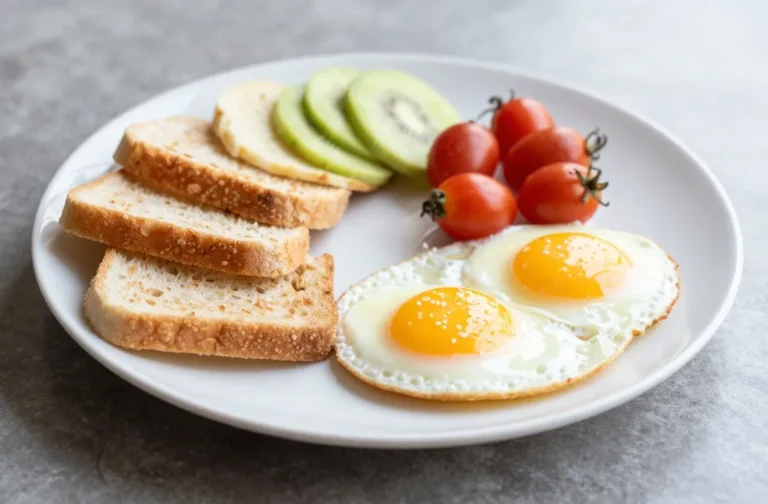
FYI, these are simple, satisfying, and emotional-eating-friendly because they steady blood sugar and feel comforting without the crash.
1) Creamy Berry Greek Yogurt Bowl
– Ingredients (1 serving):
– 3/4 cup plain nonfat Greek yogurt
– 1/2 cup mixed berries (blueberries/strawberries)
– 1 tablespoon chopped almonds
– 1 teaspoon honey
– Serving size: 1 bowl (as listed)
– Estimated nutrition per serving:
– Calories: 185
– Total Fat: 4.5 g
– Total Carbohydrates: 22 g
– Dietary Fiber: 3.5 g
– Net Carbs: 18.5 g
– Protein: 18 g
2) Avocado Egg Toast
– Ingredients (1 serving):
– 1 slice whole-grain bread (about 40 g)
– 1/2 medium avocado (about 75 g)
– 1 large egg, fried or poached
– Pinch of salt, pepper, chili flakes
– Serving size: 1 toast (as listed)
– Estimated nutrition per serving:
– Calories: 330
– Total Fat: 20 g
– Total Carbohydrates: 28 g
– Dietary Fiber: 8 g
– Net Carbs: 20 g
– Protein: 13 g
3) 10-Minute Turkey Veggie Wrap
– Ingredients (1 serving):
– 1 medium whole-wheat tortilla (50 g)
– 3 oz sliced turkey breast (deli, low-sodium)
– 1/4 avocado, sliced
– 1/2 cup mixed greens
– 2 tablespoons hummus
– Serving size: 1 wrap (as listed)
– Estimated nutrition per serving:
– Calories: 360
– Total Fat: 15 g
– Total Carbohydrates: 34 g
– Dietary Fiber: 9 g
– Net Carbs: 25 g
– Protein: 27 g
4) Cozy Lentil Soup (Quick Pot)
– Ingredients (4 servings):
– 1 tablespoon olive oil
– 1 small onion, diced
– 2 carrots, diced
– 2 celery stalks, diced
– 1 cup dry brown lentils, rinsed
– 4 cups low-sodium vegetable broth
– 1 teaspoon cumin, 1/2 teaspoon smoked paprika, salt to taste
– Serving size: 1.5 cups (approx.), 4 servings per pot
– Estimated nutrition per serving:
– Calories: 260
– Total Fat: 5 g
– Total Carbohydrates: 38 g
– Dietary Fiber: 14 g
– Net Carbs: 24 g
– Protein: 14 g
5) Chocolate Peanut Butter Banana “Nice” Cream
– Ingredients (2 servings):
– 2 medium bananas, frozen
– 2 tablespoons natural peanut butter
– 1 tablespoon unsweetened cocoa powder
– Splash of milk (2–3 tablespoons)
– Serving size: 1/2 of recipe
– Estimated nutrition per serving:
– Calories: 235
– Total Fat: 8.5 g
– Total Carbohydrates: 38 g
– Dietary Fiber: 6 g
– Net Carbs: 32 g
– Protein: 6 g
Disclaimer: Nutrition values are estimates based on standard USDA data and typical product labels. Actual values vary with brands, measurements, and preparation.
Conclusion
Ending emotional eating doesn’t require iron will or a personality transplant. It asks for one brave switch: treat cravings as messages, not enemies. Use the two-minute pause, feed the real need, and keep your emotional menu handy. Do this imperfectly, consistently, and IMO you’ll feel calmer around food—no drama, just dinner.
Loved This Recipe?
If you're looking for more simple, healthy dinners your family will actually eat, grab my FREE 7-Day Easy Dinner Reset. You'll get 7 easy dinner recipes, simple grocery lists, and a done-for-you plan that takes the stress out of mealtime.