The Real Fix for How to Stop Overeating When You’Re Tired
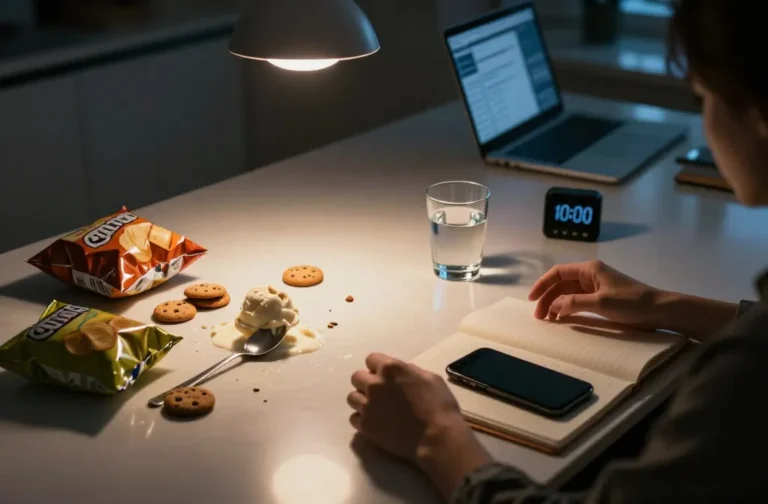
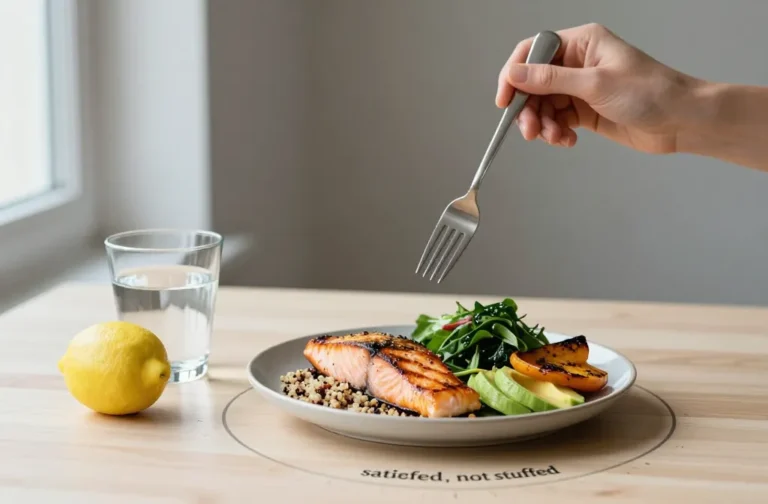
You’re staring at the fridge at 10 p.m., running on fumes, and suddenly half a sleeve of cookies disappears. Sound familiar? When you’re tired, your willpower sneaks out the back door and your hunger hormones throw a party. Good news: you can outsmart your sleepy brain with a few simple strategies. Even better news: none of them require monk-level discipline or quitting snacks forever. Let’s fix the tired-eating loop so you can go to bed feeling satisfied, not stuffed.
FREE 7-Day Easy Dinner Reset
Get 7 healthy, family-friendly dinners complete with recipes and simple meal plans delivered straight to your inbox.
Why Exhaustion Makes You Want to Eat Everything
When you’re tired, your brain craves quick energy. That translates to carbs and sugar—fast. Your hunger hormone, ghrelin, ramps up, and your fullness hormone, leptin, chills out. Translation: you feel hungrier and less satisfied.
Also, decision-making tanks when you’re low on sleep. You don’t “choose” the chips; your brain does a smash-and-grab for them. FYI: you’re not broken—your biology just loves snacks at midnight.
Start With a “Sleep-First” Strategy

You can white-knuckle cravings all you want, but sleep fixes the root problem. Prioritize sleep and your appetite calms down naturally.
Quick Wins for Better Sleep Tonight
- Pick a consistent bedtime and protect it like a VIP reservation.
- Set a screen cutoff 60 minutes before bed. Blue light = brain party, not sleep.
- Pre-sleep ritual: shower, dim lights, stretch for 5 minutes. Boring = sleepy.
- Park the caffeine after 2 p.m. (IMO, your 4 p.m. cold brew causes the 11 p.m. pantry tour.)
Eat Earlier, Not More
Front-load your day with balanced meals so you don’t slam 1,000 calories after dinner. Think protein, fiber, and healthy fats at every meal to stabilize energy and cravings.
The “PF3” Meal Formula
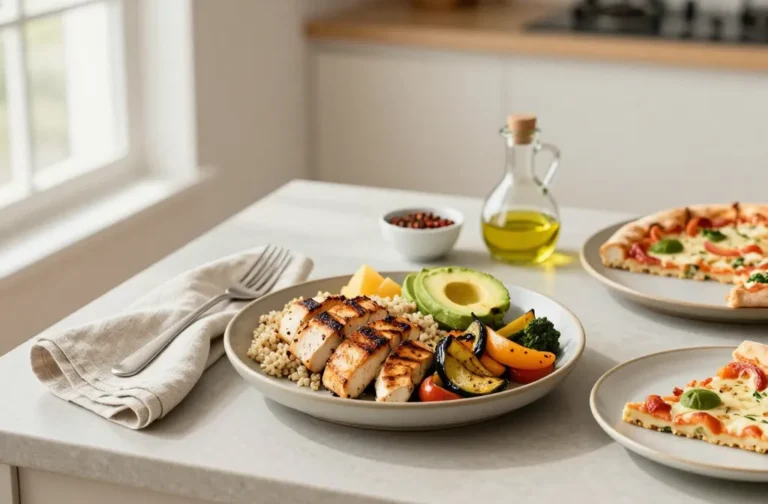
PF3 = Protein + Fiber + Fat + Fluid
- Protein: eggs, Greek yogurt, chicken, tofu, beans
- Fiber: berries, veggies, whole grains, legumes
- Fat: avocado, olive oil, nuts, seeds
- Fluid: water, sparkling water, herbal tea
When you build meals this way, you get steady energy and fewer snack attacks. Magic? No. Biology? Yes.
Create an “Auto-Pilot” Snack Plan

Tired you doesn’t cook quinoa. Tired you grabs what’s easy. So make the easy thing the right thing.
Smart Snack Combos (5 minutes or less)
- Greek yogurt + berries + cinnamon
- Apple + peanut butter
- Hummus + baby carrots + whole-grain crackers
- Cottage cheese + cherry tomatoes + olive oil + pepper
- Protein shake + frozen banana + spinach (you won’t taste the spinach, promise)
Set “Snack Boundaries” Without Being a Fun Police
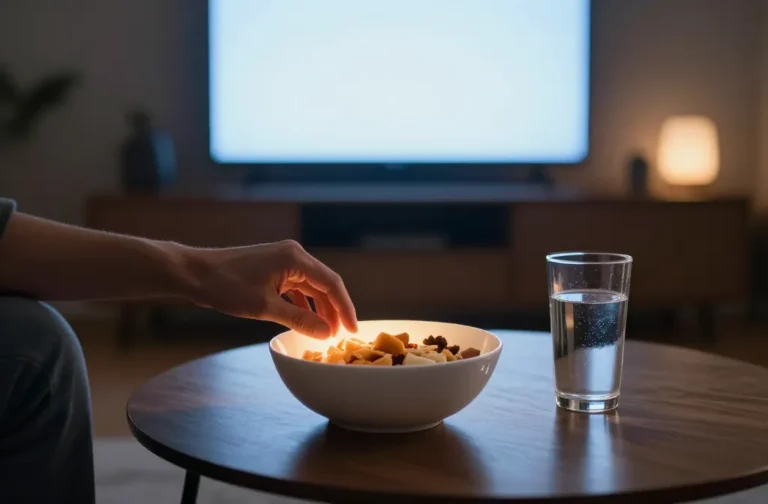
- Use bowls, not bags. Pre-portion so your hand doesn’t “accidentally” find the bottom.
- Close the kitchen after dinner. Make tea your “we’re done” cue.
- Place sweets out of sight. If you see it, you eat it.
Break the Stress–Snack Link
Tired and stressed? That’s the overeating power couple. Instead of food, grab a 5-minute reset.
Micro-Resets That Actually Work
- 2-minute box breathing: in 4, hold 4, out 4, hold 4. Repeat.
- Walk-and-scroll: go outside and doomscroll if you must—at least you’re moving.
- Hot shower or face splash: signals “calm down” to your nervous system.
- Write the craving down: “I want cookies because I’m wiped.” Naming it reduces urgency.
Make Your Home Work for You

Your environment beats willpower every time. Build friction for overeating and reduce friction for better choices.
- Keep a fruit bowl front and center; stash chips on a high shelf or in an opaque bin.
- Stock easy proteins: rotisserie chicken, canned tuna, tofu, eggs.
- Pre-cut veggies on Sundays. If they’re ready, you’ll eat them.
- Use smaller plates at dinner. Yes, it matters. Your eyes control your stomach more than you think.
Have a Nighttime “Plan B” Snack
Sometimes you just need something. Cool. Aim for 200–300 calories with protein and fiber. It takes the edge off without lighting up your blood sugar like a Christmas tree.
Go-To “Plan B” Snack Ideas
- Turkey roll-ups + baby cucumbers
- Oatmeal with chia seeds + peanut butter
- Banana + Greek yogurt drizzle + crushed walnuts
Recipes With Nutrition Estimates
Below are three simple, satisfying options designed for tired nights. I kept the prep minimal and the nutrition balanced. FYI: serving sizes and values are estimates using standard USDA data and common brand averages.
Never Wonder What's For Dinner Again
Get 7 healthy, family-friendly dinners complete with recipes, grocery lists, and simple meal plans delivered straight to your inbox.
1) Cozy Bedtime Oat Bowl
What you need (1 serving):
- 1/2 cup dry rolled oats (40 g)
- 1 cup unsweetened almond milk (240 ml)
- 1 tablespoon chia seeds (12 g)
- 1 tablespoon peanut butter (16 g)
- 1 teaspoon honey (7 g) – optional
- Pinch of cinnamon and salt
Serving size used for calculations: Entire recipe (about 1 medium bowl)
Estimated nutrition per serving:
- Calories: 365
- Total Fat: 16 g
- Total Carbohydrates: 44 g
- Dietary Fiber: 10 g
- Net Carbs: 34 g
- Protein: 12 g
2) Savory Egg-and-Avocado Toast
What you need (1 serving):
- 1 slice whole-grain bread (40 g)
- 1 large egg, cooked to preference
- 1/4 medium avocado (35 g)
- 1 teaspoon olive oil (for cooking or drizzle)
- Salt, pepper, chili flakes, lemon squeeze
Serving size used for calculations: One topped slice
Estimated nutrition per serving:
- Calories: 285
- Total Fat: 17 g
- Total Carbohydrates: 22 g
- Dietary Fiber: 5 g
- Net Carbs: 17 g
- Protein: 11 g
3) Yogurt Parfait Power Cup
What you need (1 serving):
- 3/4 cup plain nonfat Greek yogurt (170 g)
- 1/2 cup blueberries (75 g)
- 2 tablespoons granola (14 g)
- 1 tablespoon chopped walnuts (7 g)
- Drizzle of maple syrup (1 teaspoon, 7 g) – optional
Serving size used for calculations: One parfait cup (about 1 heaping cup)
Estimated nutrition per serving:
- Calories: 260
- Total Fat: 7 g
- Total Carbohydrates: 30 g
- Dietary Fiber: 4 g
- Net Carbs: 26 g
- Protein: 20 g
Disclaimer: Nutrition values are estimates based on typical USDA data and common product averages. Actual numbers vary by brand, portion size, and preparation. Adjust toppings and sweeteners to taste (and goals).
Mindset Tweaks That Stop the Spiral
You didn’t “fail” if you ate extra when tired. You just need a system for the next round. Try these:
- Set a default: “If I want a night snack, I pick from my Plan B list.”
- Delay-and-decide: wait 10 minutes and drink water. Still want it? Have a portion and move on.
- Rate your hunger from 1–10. Under a 4? You’re likely tired or stressed, not hungry.
- Put tomorrow on easy mode: prep breakfast and a snack before bed. Future you will send a thank-you note.
FAQ
Should I stop eating after a certain time?
You don’t need a strict curfew. Late-night calories don’t magically count more. But eating big meals right before bed can mess with sleep and trigger overeating. Create a soft cutoff—like “kitchen closed” after dinner—with a planned 200–300 calorie snack if needed.
What if I’m genuinely hungry at night?
Eat! Choose a snack with protein and fiber so you feel satisfied: Greek yogurt with fruit, eggs and toast, or oatmeal with chia. If nighttime hunger happens often, add more protein and fiber earlier in the day.
How do I handle sugar cravings when I’m tired?
Pair the sweet with protein or fat. Want chocolate? Have a couple squares with a handful of nuts. This combo blunts the sugar spike and reduces the “eat the whole bar” momentum, IMO.
Is intermittent fasting a good idea if I overeat at night?
It can help some people, but it can also backfire by making you too hungry later. If you try it, keep your eating window balanced with PF3 meals and build a small, satisfying evening snack into the plan.
What’s the quickest fix on super-sleepy days?
Hydrate, eat a PF3 meal, take a 10-minute walk, and set a pre-portioned snack for later. None of this takes heroics, and it stops the “tired → ravenous → regret” loop fast.
Wrap-Up: Outsmart Tired-Eating, Gently
You don’t need to swear off snacks or become a sleep saint. Stack the deck: sleep-first habits, PF3 meals, pre-planned snacks, and a calm nighttime routine. Build tiny defaults that future-you can follow on autopilot. Do that, and the 10 p.m. fridge raids shrink from “chaos” to “manageable”—which is the real win, FYI.
Loved This Recipe?
If you're looking for more simple, healthy dinners your family will actually eat, grab my FREE 7-Day Easy Dinner Reset. You'll get 7 easy dinner recipes, simple grocery lists, and a done-for-you plan that takes the stress out of mealtime.