Stop the Spiral Why You Always Feel “Out of Control” with Food (and How to Fix It)
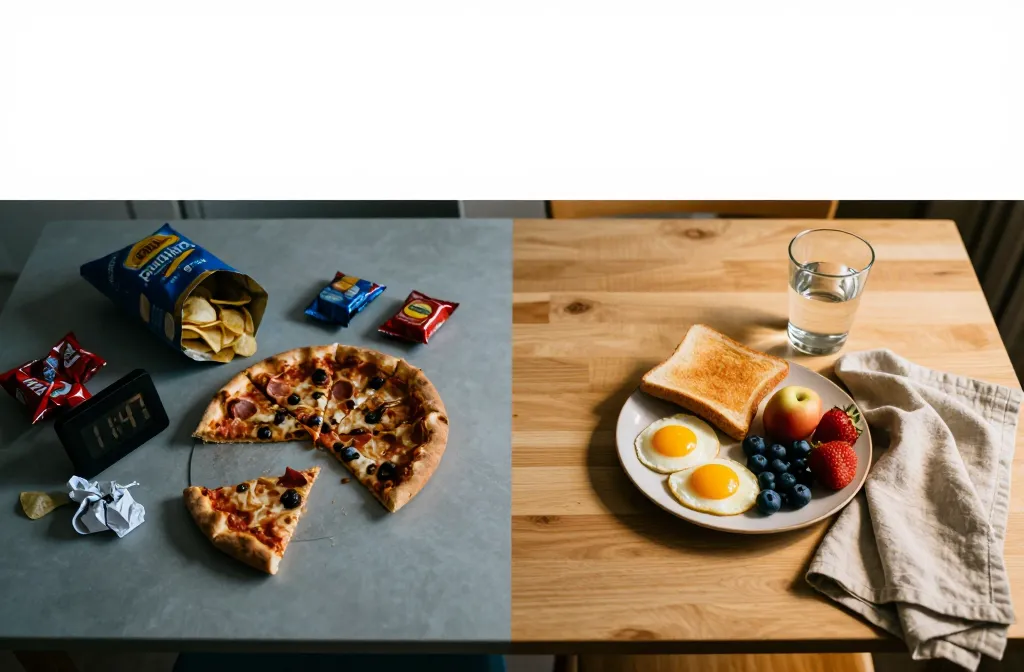
You swear you’ll “be good,” then the chips mysteriously vanish. You set rules, then break them by Wednesday. You promise yourself “just one slice,” then wonder who ate the rest of the pizza (spoiler: you did). Feeling out of control around food isn’t a personal failure—it’s a predictable outcome of how our brains and bodies work. Let’s unpack what’s actually going on and how to fix it without white-knuckle willpower.
FREE 7-Day Easy Dinner Reset
Get 7 healthy, family-friendly dinners complete with recipes and simple meal plans delivered straight to your inbox.
First, No—You’re Not Broken
Food isn’t just fuel. It’s comfort, culture, rebellion, reward, and Friday night. When you mix emotions with biology and sprinkle in diet culture, you get chaos. You’re not weak—you’re human. And humans crave safety, satisfaction, and rhythm, not restriction and guilt.
The Restriction-Rebellion Cycle
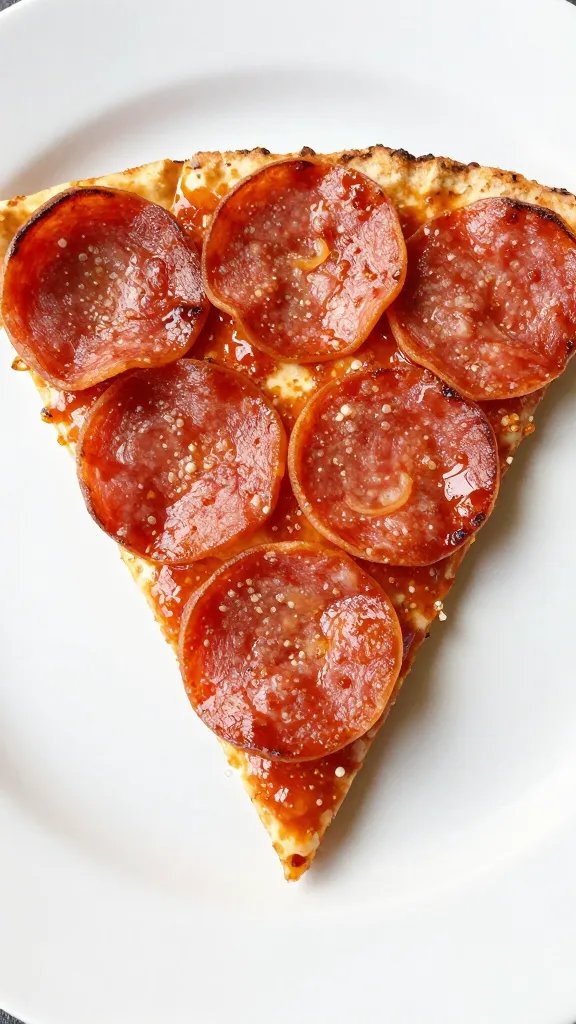
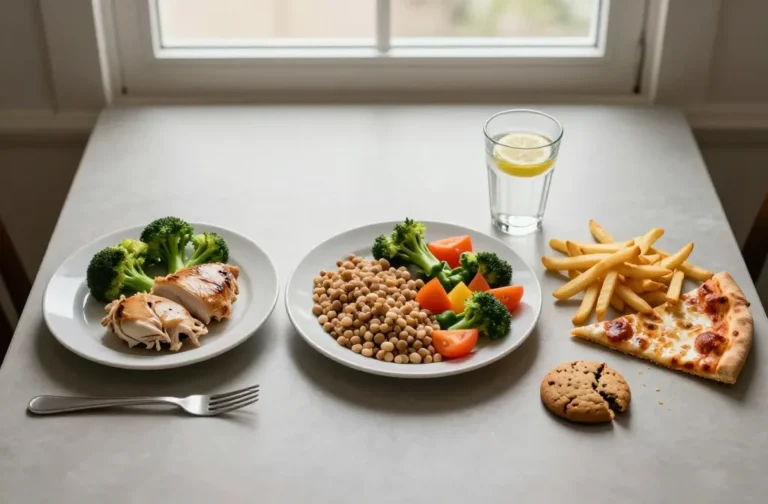
You start with rules: no carbs, no sugar, no snacks after 7 p.m. Sounds “healthy,” right? Then your body notices the energy drop and ramps up hunger signals. Your brain gets hyper-focused on food, especially the off-limits stuff. Boom—binge or “lose control” moment.
Here’s the kicker: your body interprets restriction as a threat, not a lifestyle plan.
What It Looks Like
- White-knuckling through the day, raiding the pantry at night
- “Being good” all week, “being bad” on weekends
- Obsessing about food more when you try to avoid it
How to Break It
- Eat enough—especially earlier in the day. Skipping breakfast often backfires at night.
- Stop labeling foods good/bad. Labels create guilt, and guilt fuels overdoing it.
- Add, don’t subtract. Add protein, fiber, and fat to meals before cutting anything out.
Hunger Isn’t the Enemy (It’s a Notification)
You treat hunger like a sign you failed. IMO, that’s like getting mad at your phone for sending a low-battery alert. Hunger means your body needs energy. If you ignore it, your brain cranks up cravings and your restraint falls apart.
Build Meals That Actually Satisfy
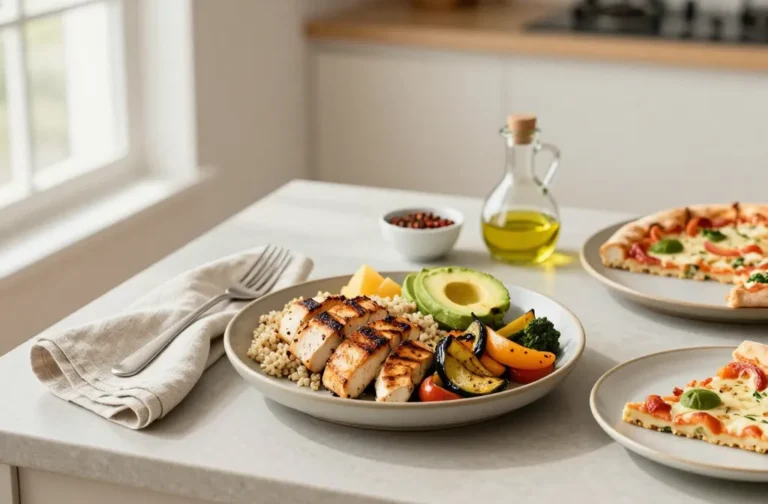
Use the “PFF” rule: Protein + Fat + Fiber.
- Protein stabilizes hunger (eggs, yogurt, chicken, tofu).
- Fat satisfies (avocado, nuts, olive oil).
- Fiber fills and slows digestion (veggies, beans, whole grains).
If your meals look like air and hopes, you’ll snack like it’s your job. FYI: snacks aren’t “cheats”—they’re tools.
Emotions Eat Too
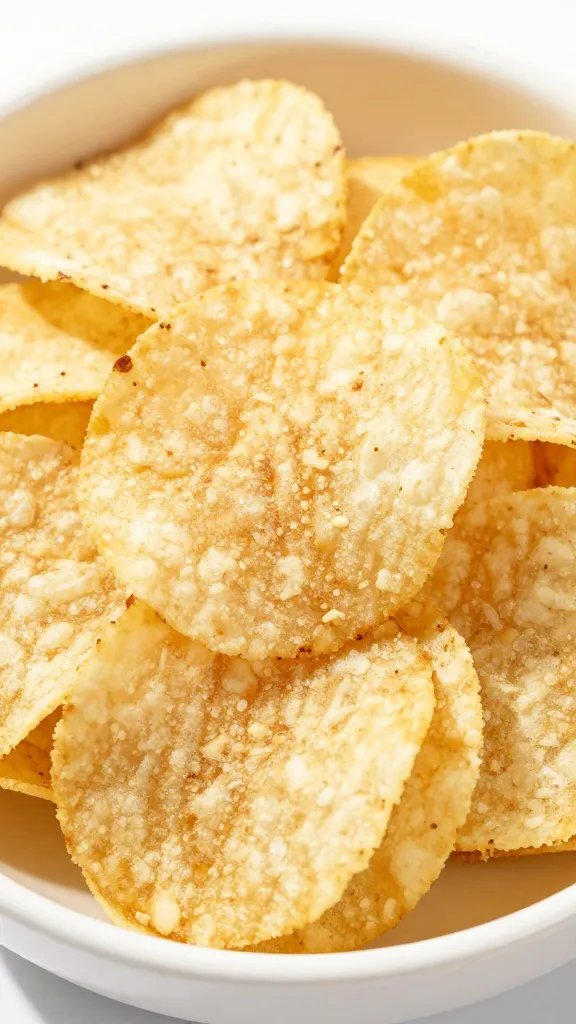
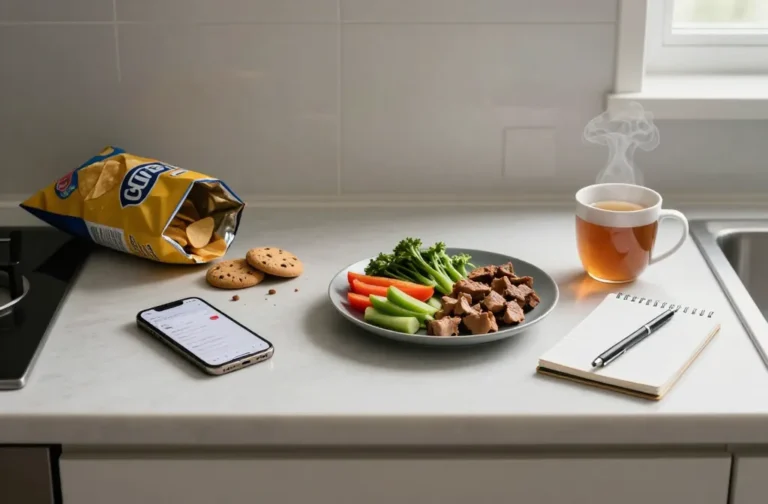
Stress, boredom, loneliness—yep, they all love snacks. Food gives quick relief because your brain links it with dopamine and safety. Emotional eating isn’t a problem—only problem-solving with food is.
Create a 2-Track Plan
- Track 1: If you’re hungry, eat (PFF still applies).
- Track 2: If you’re not hungry, try a 10-minute pause: walk, text a friend, shower, stretch, or journal one page. If you still want the cookie after, eat it mindfully.
Not a willpower contest—just a reality check.
Trigger Foods Aren’t the Villain
You ban ice cream from the house, then think about it constantly and overdo it when it appears. That’s not lack of control—that’s scarcity mindset. Permission reduces urgency.
How to Make Peace With Trigger Foods
- Buy a single-serve portion at first.
- Eat it at a table, on a plate, without distractions.
- Rate satisfaction 1–10 after a few bites. If it’s already a 9, stop there. If it’s a 4, ask what’s missing (maybe you needed dinner first?).
Routines That Calm the Chaos
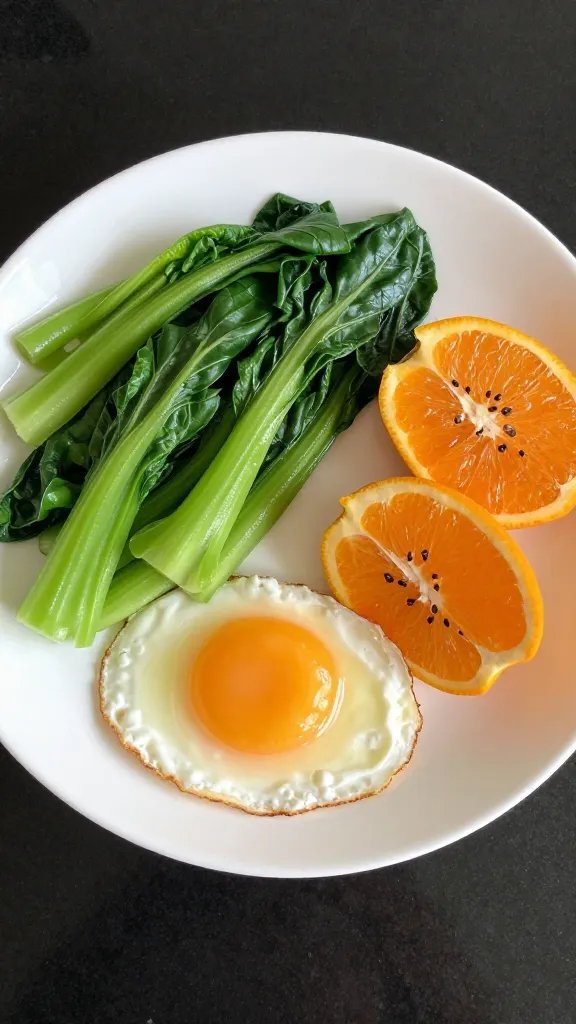
You don’t need a 47-step morning routine. You need a few anchor habits that reduce decision fatigue and keep your body steady.
- Consistent meals: 3 meals + 1–2 snacks. Aim for eating every 3–5 hours.
- Front-load protein: 25–35g at breakfast. It changes the whole day.
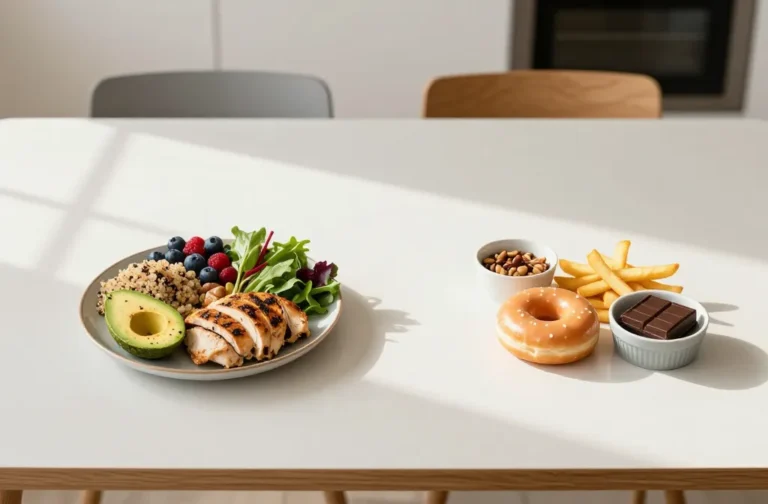
- Plan “fun foods”: Intentionally eat the cookie—don’t “accidentally” inhale the sleeve.
- Sleep 7–9 hours: Sleep debt jacks up hunger hormones.
- Hydrate: Dehydration masquerades as cravings. Classic imposter behavior.
Mindset Shifts That Actually Stick
Diet culture sells control. Real change comes from curiosity.
- Swap judgment for data: “I ate late and felt out of control. Noted.” Then adjust breakfast tomorrow.
- Raise the floor, not the ceiling: Instead of chasing perfect days, build a strong “minimum” day you can hit even when life’s messy.
- Play the long game: Short bursts of restriction feel productive. Long-term consistency wins.
Two Simple, Satisfying Recipes (With Nutrition Estimates)
1) Protein-Loaded Breakfast Burrito
Serves: 1 burrito (estimated serving size: 1 large burrito)
Ingredients:
- 1 large flour tortilla (10-inch)
- 2 large eggs
- 1/4 cup shredded cheddar
- 1/4 cup black beans, rinsed
- 1/4 avocado, sliced
- 1/4 cup salsa
- 1 tsp olive oil
Never Wonder What's For Dinner Again
Get 7 healthy, family-friendly dinners complete with recipes, grocery lists, and simple meal plans delivered straight to your inbox.
Directions:
- Scramble eggs in olive oil.
- Warm tortilla, add eggs, beans, cheese, avocado, salsa. Roll and enjoy.
Estimated Nutrition per serving (1 burrito):
- Calories: 640
- Total Fat: 32 g
- Total Carbohydrates: 56 g
- Dietary Fiber: 9 g
- Net Carbs: 47 g
- Protein: 29 g
2) PFF Power Bowl
Serves: 1 bowl (estimated serving size: 1 medium bowl)
Ingredients:
- 3/4 cup cooked quinoa
- 3 oz grilled chicken breast
- 1/2 cup roasted chickpeas
- 1 cup mixed greens
- 1/2 cup chopped cucumber and tomato
- 1 tbsp olive oil + 1 tbsp lemon juice
- Salt, pepper, herbs
Directions:
- Layer greens, quinoa, chicken, chickpeas, veggies.
- Drizzle olive oil and lemon, season to taste.
Estimated Nutrition per serving (1 bowl):
- Calories: 560
- Total Fat: 20 g
- Total Carbohydrates: 56 g
- Dietary Fiber: 10 g
- Net Carbs: 46 g
- Protein: 38 g
3) Chocolate Peanut Butter Yogurt Cup
Serves: 1 cup (estimated serving size: 1 bowl)
Ingredients:
- 3/4 cup plain 2% Greek yogurt
- 1 tbsp peanut butter
- 1 tsp honey
- 1 tbsp dark chocolate chips
- Pinch of salt, cinnamon (optional)
Directions:
- Stir everything into the yogurt. Sprinkle chips on top for crunch.
Estimated Nutrition per serving (1 cup):
- Calories: 300
- Total Fat: 13 g
- Total Carbohydrates: 28 g
- Dietary Fiber: 2 g
- Net Carbs: 26 g
- Protein: 20 g
Disclaimer: Nutrition values are estimates based on standard USDA ingredient data and typical brands. Actual values vary by product and portion size.
FAQ
Do I need to cut out sugar to feel in control?
No. Cutting sugar completely often backfires and fuels cravings. You’ll feel more in control if you eat balanced meals and include sweets intentionally and mindfully.
How do I stop late-night eating?
Front-load your day with enough protein and calories. If you still want something at night, try a planned snack (like Greek yogurt with fruit) instead of random pantry scavenging.
What if I can’t keep certain foods in the house?
Start with controlled exposure: buy single-serve portions and eat them mindfully at a table. Over time, permission reduces the urge to overdo it.
Is fasting making me binge?
For many people, yes. Long fasting windows can spike evening hunger and reduce restraint. If you love structure, try consistent meals instead of extreme windows.
How long until this feels easier?
Usually a few weeks of steady meals, enough protein, and permission with “fun foods” reduces the chaos. Consistency beats intensity, every time.
The Bottom Line
You don’t lack willpower—you lack a plan that respects biology and real life. Eat enough, add protein/fat/fiber, ditch food guilt, and practice permission. Curiosity over judgment, routine over restriction. Do that, and “out of control” stops running the show—without you turning into a full-time food cop. FYI: progress counts even when it’s messy.
Printable Recipe Card
Want just the essential recipe details without scrolling through the article? Get our printable recipe card with just the ingredients and instructions.
Loved This Recipe?
If you're looking for more simple, healthy dinners your family will actually eat, grab my FREE 7-Day Easy Dinner Reset. You'll get 7 easy dinner recipes, simple grocery lists, and a done-for-you plan that takes the stress out of mealtime.