The Truth Behind Why Diets Make You Overeat (and What to Do Instead)
Dieting sounds simple: eat less, lose weight, high-five yourself. But if “eat less” always leads to “eat everything in sight at 10 p.m.,” you’re not broken. Your brain and body just don’t enjoy being starved, bossed around, or micromanaged. Let’s talk about why diets push you to overeat—and what actually works instead.
FREE 7-Day Easy Dinner Reset
Get 7 healthy, family-friendly dinners complete with recipes and simple meal plans delivered straight to your inbox.
Your Brain Thinks You’re in a Famine
When you slash calories, your body flips into survival mode. Hunger hormones like ghrelin spike, and fullness signals like leptin take a nap. Translation: food becomes louder, shinier, and weirderly “urgent.”
Result? You start thinking about snacks you normally ignore. That extra-strong urge isn’t “lack of willpower.” It’s biology doing exactly what it evolved to do: keep you alive.
The Metabolism Slowdown
Your body hates losing weight quickly. It downshifts your resting metabolic rate—basically, you burn fewer calories at rest. So you eat less, your body burns less, and your hunger increases. Fun combo, right?
Restriction Triggers Rebound Eating

Banning food groups feels powerful… until it doesn’t. Tell yourself “no bread,” and suddenly bread lives rent-free in your brain. The harder you clamp down, the bigger the swing back.
Why this happens:
- Psychological reactance: We want what we can’t have. It’s human nature.
- Morality labels: “Good” vs “bad” foods create guilt. Guilt fuels all-or-nothing eating.
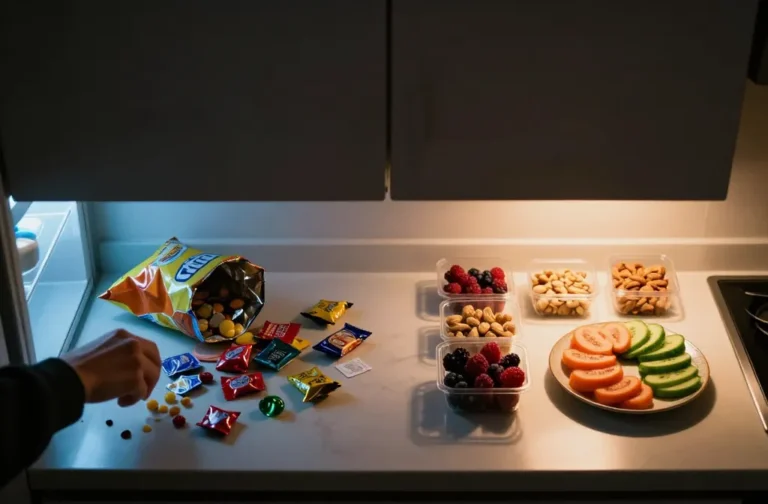
- Delay-and-binge cycle: You “save calories” all day, then overeat at night because you’re starving. Classic.
The “What-the-hell” Effect
You eat one cookie on a “no-sugar” plan, then say “what the hell,” and eat the whole sleeve. Perfectionism backfires. Flexible plans win.
Willpower Can’t Beat Biology (At Least Not for Long)
You can white-knuckle your way through a strict diet for a few weeks. But hunger, stress, social life, and low energy eventually team up. And they always win.
FYI: Willpower is a short-term tool, not a lifestyle. Build systems that don’t require constant self-wrestling.
Stress, Sleep, and Cravings
Poor sleep increases ghrelin and decreases leptin. Stress raises cortisol and pushes you toward high-calorie comfort foods. If your plan ignores sleep and stress? It’s not a plan—it’s a trap.
What to Do Instead: Eat More, Strategically

No, not “eat whatever, whenever.” Eat enough to fuel your body while you create a mild, sustainable calorie deficit. Think nourishment-first, not punishment-first.
Key moves:
- Front-load protein: Aim for 20–40 g per meal. Protein stabilizes hunger and preserves muscle. Eggs, Greek yogurt, tofu, chicken, lentils = excellent.
- Fiber every meal: Fruits, veggies, beans, whole grains. Fiber slows digestion and keeps you satisfied.
- Volume foods: Big salads, soups, roasted veg. More plate, fewer calories.
- Carb timing: Put most carbs around workouts or active parts of your day to improve satiety and energy.
- Include fun food on purpose: A daily treat keeps cravings from becoming gremlins. IMO, this is non-negotiable.
The 80/20 Approach
Eat nutrient-dense foods ~80% of the time, then fit in favorites 20% of the time. No “cheat days.” Just normal life.
Build Meals That Keep You Full
Use this simple template so you don’t have to overthink it:
- Protein: palm-size (or two) per meal
- Fiber + produce: 1–2 cups
- Smart carbs: fist-size (rice, potatoes, fruit, whole grains)
- Healthy fat: thumb or two (olive oil, nuts, avocado)
If you feel hungry 30 minutes after eating, add more protein or fiber next time. If you feel stuffed for hours, dial carbs or fat back slightly. Adjust like a scientist, not a judge.
Snack Smarter
Balanced snacks beat “naked carbs.” Try:
- Apple + peanut butter
- Greek yogurt + berries
- Cheese stick + grapes
- Hummus + carrots
Rituals Beat Rules

Instead of rigid food lists, set rituals you can repeat:
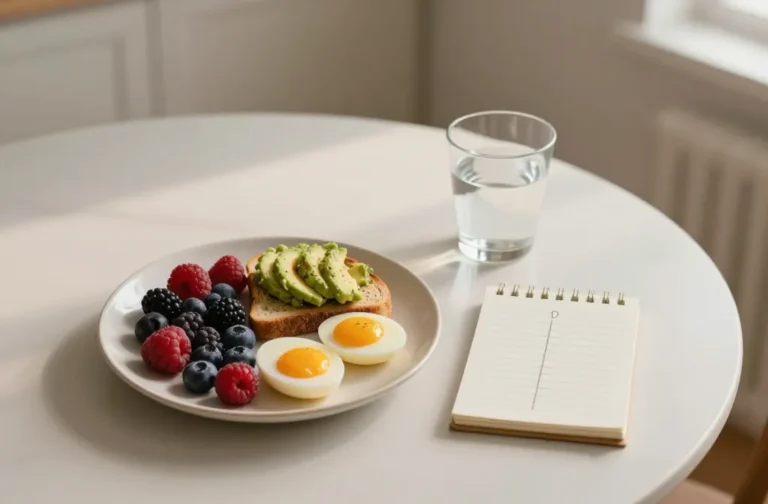
- Same breakfast on weekdays: Less decision fatigue, better consistency.
- Plan tomorrow’s meals in 2 minutes: Just outline protein/produce/carb. Done.
- Pre-commit treats: “After dinner, I’ll have two cookies.” It kills the “accidental” binge.
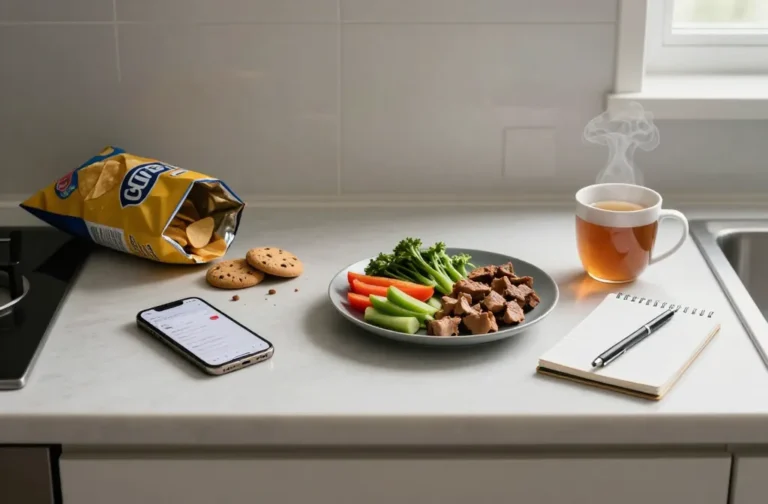
- Eat seated, no phone: You’ll notice fullness sooner. Wild concept.
Hunger Scale, Not Calorie Jail
Rate hunger 1–10 before and after meals. Start eating around 3–4 (hungry, not ravenous). Stop at 6–7 (satisfied, not stuffed). No spreadsheets required.
Movement That Supports Appetite (Not Punishes You)
Exercise helps regulate appetite and mood, but punishment-cardio backfires. Mix it up:
- Strength training: 2–3x/week to preserve muscle and raise resting burn.
- Walking: Daily. Easiest way to improve recovery and hunger signals.
- Intervals or sports: 1–2x/week if you enjoy them. Fun matters, IMO.
More movement = more food flexibility. Not a license to overtrain—just a smarter environment for your goals.
FAQ
Do I have to count calories to stop overeating?
No. You can use calorie tracking as a short-term audit, but many people do better with meal templates, consistent portions, and hunger cues. If tracking stresses you out, skip it. Choose structure you can sustain.
Are carbs the reason I overeat?
Never Wonder What's For Dinner Again
Get 7 healthy, family-friendly dinners complete with recipes, grocery lists, and simple meal plans delivered straight to your inbox.
Carbs aren’t villains. Ultra-processed combos of fat+sugar+salt hijack appetite, but whole-food carbs like fruit, potatoes, rice, and oats support energy and satiety. Pair carbs with protein and fiber for best results.
What if I binge at night?
Front-load your day. Eat a real breakfast and lunch with protein and fiber. Pre-plan a satisfying dinner and a dessert. Remove “surprise hunger” from the equation and the nighttime avalanche slows down.
How fast should I lose weight?
Aim for slow and boring: about 0.5–1% of body weight per week. Faster losses raise hunger and reduce metabolic rate more sharply, which sets up rebounds.
Can I include alcohol?
Yes, in moderation. Alcohol lowers inhibitions and adds calories quickly. If it triggers overeating, set a limit (e.g., two drinks per week) or save it for social events you genuinely enjoy.
What if I don’t trust my hunger signals?
They’ll recalibrate. Eat consistent meals for 2–3 weeks with enough protein and fiber, get 7–9 hours of sleep, and reduce high-stress dieting rules. Your signals get clearer when your body feels safe.
Conclusion
Diets don’t fail because you’re weak—they fail because they pick a fight with biology and your real life. Build meals that satisfy, allow flexibility, and rely on rituals instead of rules. Eat enough, lift a bit, walk often, sleep well, and include foods you love on purpose. That’s how you stop overeating—and finally make peace with your plate.
Sample Recipes with Estimated Nutrition
1) Protein-Packed Breakfast Bowl
Ingredients (serves 1):
- 2 large eggs, scrambled
- 1/2 cup cooked quinoa
- 1/2 cup black beans, rinsed
- 1/2 avocado
- 1/2 cup cherry tomatoes
- 1 tsp olive oil (for cooking eggs)
- Salt, pepper, lime juice (optional)
Serving size used: 1 bowl (entire recipe).
Estimated nutrition per serving:
- Calories: 610
- Total Fat: 30 g
- Total Carbohydrates: 57 g
- Dietary Fiber: 18 g
- Net Carbs: 39 g
- Protein: 26 g
2) Satisfying Lunch Salad
Ingredients (serves 1):
- 4 oz grilled chicken breast
- 3 cups mixed greens
- 1/2 cup cucumber, sliced
- 1/2 cup roasted sweet potato cubes
- 1 oz feta cheese
- 1 tbsp olive oil + 1 tsp balsamic vinegar
- Salt, pepper
Serving size used: 1 salad (entire recipe).
Estimated nutrition per serving:
- Calories: 520
- Total Fat: 28 g
- Total Carbohydrates: 33 g
- Dietary Fiber: 6 g
- Net Carbs: 27 g
- Protein: 36 g
3) Cozy One-Pot Bean & Veggie Chili
Ingredients (serves 4):
- 1 tbsp olive oil
- 1 medium onion, diced
- 1 red bell pepper, diced
- 2 cloves garlic, minced
- 1 can (15 oz) black beans, drained
- 1 can (15 oz) kidney beans, drained
- 1 can (14.5 oz) diced tomatoes
- 1 cup vegetable broth
- 2 tsp chili powder, 1 tsp cumin, salt
Serving size used: 1.5 cups per serving (estimated; 4 servings total).
Estimated nutrition per serving:
- Calories: 350
- Total Fat: 8 g
- Total Carbohydrates: 54 g
- Dietary Fiber: 16 g
- Net Carbs: 38 g
- Protein: 16 g
4) Simple Protein Smoothie
Ingredients (serves 1):
- 1 scoop whey protein (30 g, ~24 g protein)
- 1 medium banana
- 1 cup unsweetened almond milk
- 1 tbsp peanut butter
- Ice
Serving size used: 1 smoothie (entire recipe).
Estimated nutrition per serving:
- Calories: 360
- Total Fat: 11 g
- Total Carbohydrates: 37 g
- Dietary Fiber: 5 g
- Net Carbs: 32 g
- Protein: 29 g
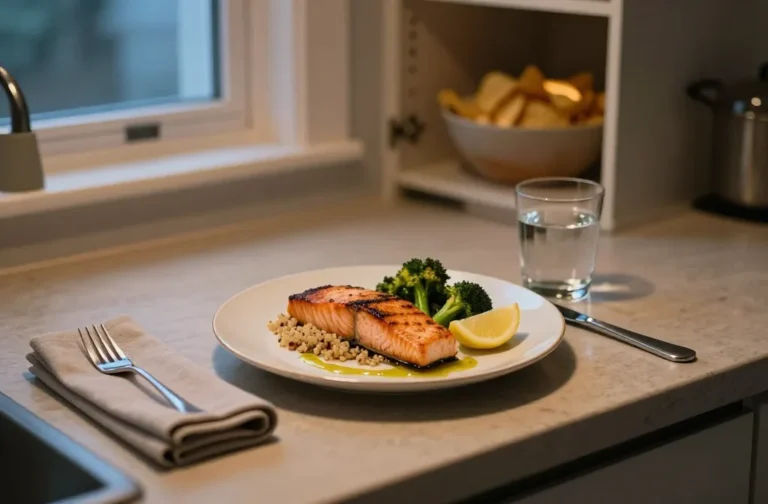
5) Quick Dinner: Salmon, Rice, and Greens
Ingredients (serves 1):
- 5 oz baked salmon
- 3/4 cup cooked jasmine or brown rice
- 1 cup steamed broccoli
- 1 tsp olive oil + lemon
- Salt, pepper, garlic powder
Serving size used: 1 plate (entire recipe).
Estimated nutrition per serving:
- Calories: 560
- Total Fat: 22 g
- Total Carbohydrates: 47 g
- Dietary Fiber: 5 g
- Net Carbs: 42 g
- Protein: 40 g
Disclaimer: Nutrition values are estimates based on standard USDA ingredient data and typical products. Actual values vary by brand, preparation, and portion size.
Loved This Recipe?
If you're looking for more simple, healthy dinners your family will actually eat, grab my FREE 7-Day Easy Dinner Reset. You'll get 7 easy dinner recipes, simple grocery lists, and a done-for-you plan that takes the stress out of mealtime.