The Simple Secret to How to Reset Your Hunger Cues Naturally
You can eat “perfectly” all day and still feel hungry again an hour later. Or you can skip meals and not feel hungry at all… until 10 p.m. when you suddenly want to eat your pantry. If your hunger signals feel broken, you’re not imagining it. The good news? You can retrain them—gently, naturally, and without turning your life into a spreadsheet.
FREE 7-Day Easy Dinner Reset
Get 7 healthy, family-friendly dinners complete with recipes and simple meal plans delivered straight to your inbox.
Why Your Hunger Cues Feel Chaotic
Your brain reads hunger like a dashboard: hormones, sleep, stress, timing, and what you ate earlier. If you always eat on the go, slam coffee instead of breakfast, or “save calories” for later, your signals get messy. You either feel hungry constantly or never at all.
Hunger isn’t just a stomach growl. It’s also mood, focus, and energy. If you feel foggy, irritable, or snacky, that’s your body nudging you—sometimes louder than your stomach.
The Hormone Cast
– Ghrelin: your “hey, feed me” hormone. It rises before meals.
– Leptin: your “we’re good” hormone from body fat.
– Insulin: moves sugar into cells; big spikes can ping-pong hunger.
When you undersleep, over-caffeinate, or eat chaotically, you scramble this trio. IMO, step one is calming the chaos.
Build a Simple, Boring (but Magical) Meal Rhythm
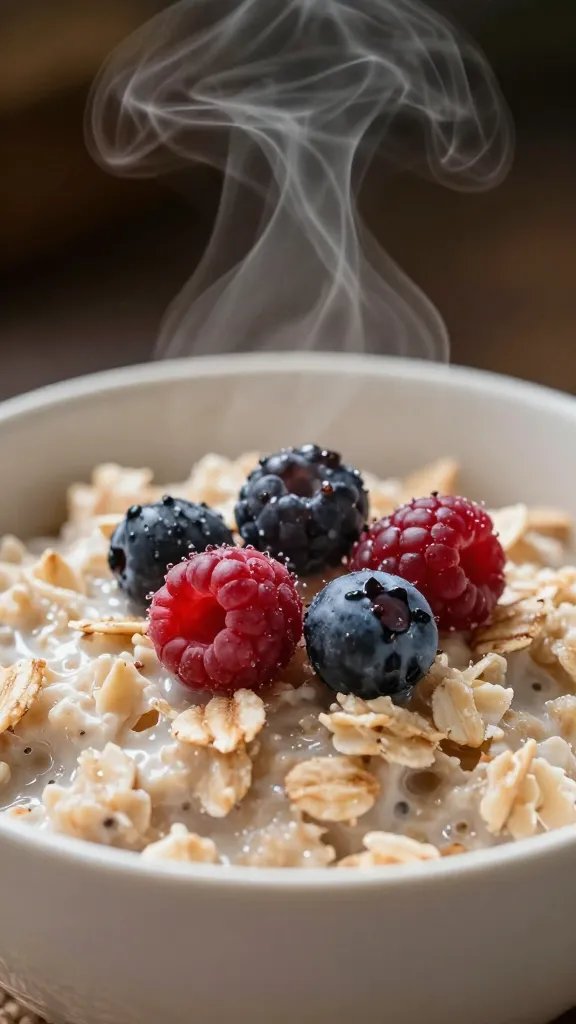
You don’t need to eat every two hours. You just need a rhythm your body can predict.
Try this for 2 weeks:
– Eat 3 meals at roughly consistent times, plus 1 snack if needed.
– Aim for 4–5 hours between meals. No grazing—give your hormones clear on/off signals.
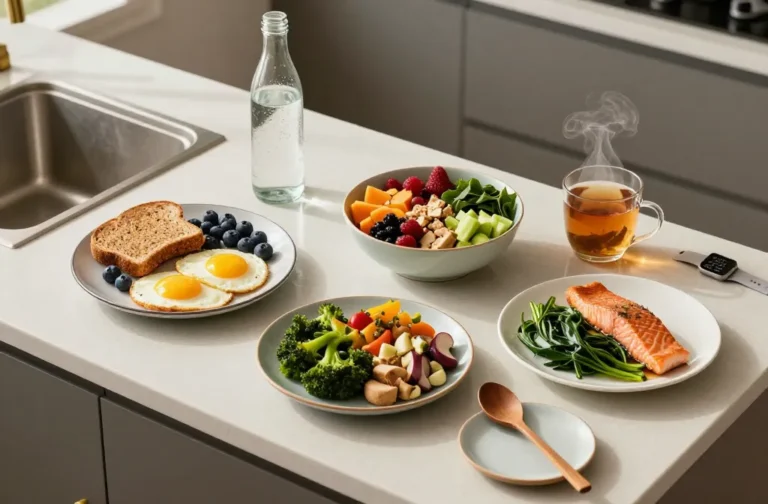
– Use a balanced plate: protein + fiber + fat + carbs.
The Balance Formula (No Calculator Required)
– Protein (1–2 palm sizes): eggs, Greek yogurt, tofu, chicken, lentils
– Fiber (1–2 fists): vegetables, fruit, legumes
– Carbs (1 cupped hand): rice, oats, potatoes, whole grains
– Fats (1–2 thumbs): olive oil, avocado, nuts, seeds
Why this works: protein and fiber slow digestion, fats add staying power, and carbs keep your brain from plotting a mutiny. FYI, if you currently under-eat protein or fiber, fixing just that often reduces “mystery hunger.”
Use the Hunger Scale (And Actually Check In)
You can’t reset what you don’t notice. Use a simple 0–10 scale:
– 0 = fainting, 10 = painfully stuffed.
– Aim to start around 3–4 (hungry but not ravenous).
– Stop at 6–7 (satisfied, not stuffed).
Set calendar nudges or phone alarms for quick check-ins before and after meals. Ask: How hungry am I? What does it feel like—stomach, mood, thoughts? Sounds woo-woo, but it rewires awareness fast.
Signs You Waited Too Long
– You inhale food and stop noticing taste
– You crave fast carbs only
– You feel shaky/irritable
If this happens often, eat sooner or add more protein/fiber at the prior meal.
Fix the Big 4: Sleep, Stress, Movement, Caffeine

You can’t out-willpower biology. Tweak the basics and your hunger signals chill out.
- Sleep: 7–9 hours. Even one short night raises ghrelin and carb cravings. Nap if needed.
- Stress: Cortisol blunts hunger… until it doesn’t. Try a 5-minute walk, 30 seconds of box breathing, or journaling before you raid the pantry.
- Movement: Gentle walks improve insulin sensitivity and appetite regulation. Heavy workouts? Eat more (especially carbs) or you’ll get delayed mega-hunger.
- Caffeine: Coffee can mask hunger. Eat breakfast or a snack with it. If you “forget to eat,” you didn’t forget—your latte hid the memo.
Make Meals That Satisfy (Not Just “Healthy”)
If food tastes boring, your brain will keep asking for more. Build meals that check both boxes: nutrition and satisfaction. Add flavor, crunch, and temperature contrast. Salt your food. Use sauces like a normal human. When you enjoy your meals, you stop rummaging later.
Satisfaction Boosters
– Add a creamy element (yogurt, hummus, tahini)
– Add crunch (toasted seeds, crisp veg)
– Use acidity (lemon, vinegar, pickles)
– Warm + cold contrast (hot grains with cool salad)
Try Gentle Meal Timing Tweaks

– Eat within 1–2 hours of waking. It anchors ghrelin for the day.
– Don’t “earn” food with exercise. Fuel before and after.
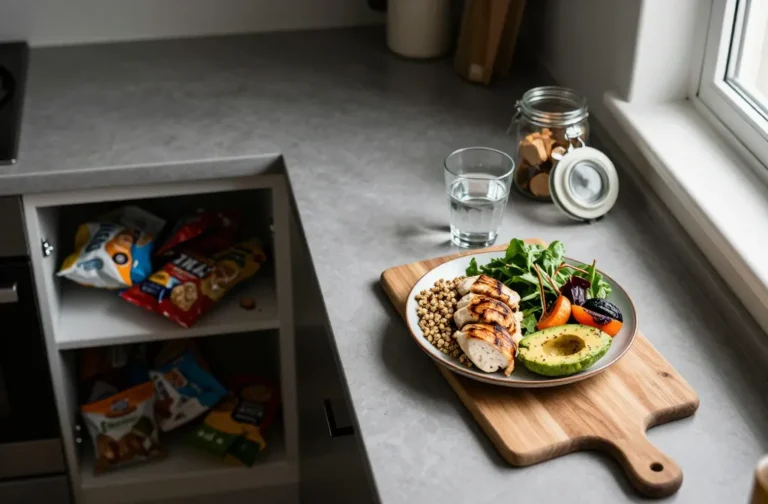
– Night snacking every night? Front-load more at lunch/dinner. Often, under-eating earlier drives that 10 p.m. fridge poetry.
Practice Flexible Consistency (Not Food Jail)
Never Wonder What's For Dinner Again
Get 7 healthy, family-friendly dinners complete with recipes, grocery lists, and simple meal plans delivered straight to your inbox.
Your goal isn’t perfection. It’s pattern. If you miss a meal window or have pizza for lunch, cool. Return to the rhythm next meal. Hunger cues reset from consistency over time, not one heroic salad.
Two Easy, Hunger-Cue-Friendly Recipes
Below are two simple recipes that hit protein, fiber, carbs, and fats. Perfect for practicing that balanced plate.
1) Savory Greek Yogurt Bowl
– 3/4 cup plain 2% Greek yogurt
– 1/2 cup cherry tomatoes, halved
– 1/4 cup diced cucumber
– 1 tablespoon olive oil
– 2 tablespoons hummus
– 1 tablespoon pumpkin seeds
– 1 small whole-wheat pita (about 60 g)
– Pinch of salt, pepper, and a squeeze of lemon
Serving size used for calculations: 1 bowl (entire recipe) + 1 pita
Estimated nutrition per serving:
– Calories: 540
– Total Fat: 24 g
– Total Carbohydrates: 57 g
– Dietary Fiber: 9 g
– Net Carbs: 48 g
– Protein: 27 g
2) Sheet-Pan Chicken, Potatoes, and Broccoli
– 6 oz boneless, skinless chicken thigh, tossed with 1 teaspoon olive oil, garlic, paprika, salt
– 1 cup baby potatoes, halved (about 150 g), tossed with 2 teaspoons olive oil, salt, pepper
– 1.5 cups broccoli florets (about 135 g), tossed with 1 teaspoon olive oil, lemon, chili flakes
– Roast at 425°F until potatoes are tender and chicken hits 165°F (about 25–30 minutes)
Serving size used for calculations: 1 pan meal as listed (single serving)
Estimated nutrition per serving:
– Calories: 620
– Total Fat: 28 g
– Total Carbohydrates: 54 g
– Dietary Fiber: 9 g
– Net Carbs: 45 g
– Protein: 41 g
Disclaimer: Nutrition values are estimates based on standard USDA data and typical products. Actual numbers vary with brands, sizes, and cooking methods.
FAQ
How long does it take to reset hunger cues?
Most people notice changes within 1–2 weeks of consistent meals and better sleep. Full recalibration can take 4–8 weeks. Don’t micromanage every bite—watch the weekly pattern instead.
Should I intermittent fast to “fix” hunger?
If fasting makes you binge later or obsess about food, skip it. If you feel great on a 12-hour overnight fast and eat balanced meals, cool. The best plan is the one that keeps your energy steady and your brain calm, IMO.
What if I never feel hungry in the morning?
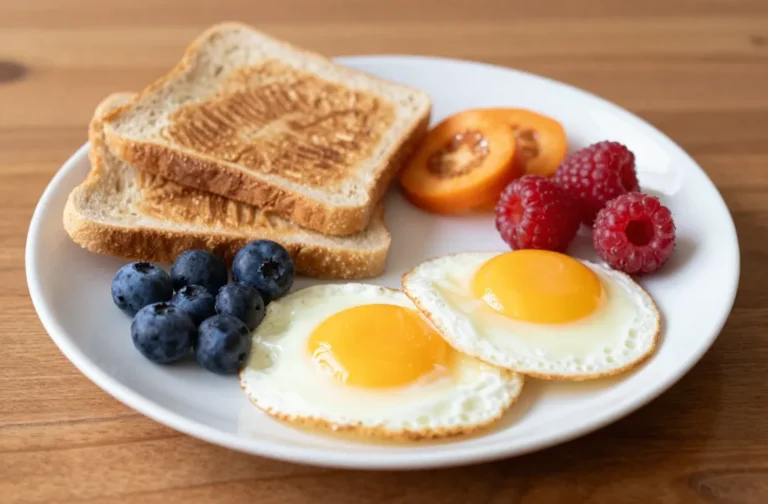
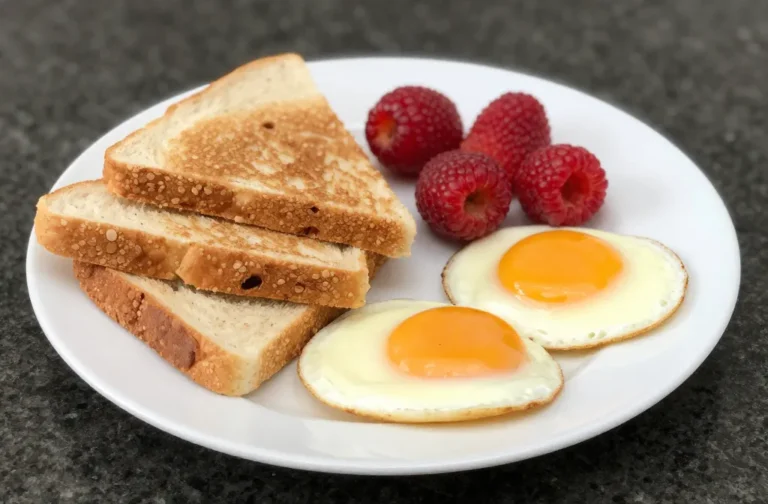
Start with a small, easy meal: yogurt + fruit, or eggs + toast. Keep it consistent for a week. Morning hunger often “turns back on” once your body trusts that food arrives on schedule.
Are cravings real hunger?
Sometimes. Cravings can signal low energy, low protein, stress, or habit. Ask: When did I last eat? Did that meal include protein and fiber? If it didn’t, eat a balanced snack first, then reassess the craving 20 minutes later.
How much protein do I need?
A handy range: 0.6–0.8 grams per pound of goal body weight for active folks, or 20–40 grams per meal for most adults. If that feels high, just add a palm-sized protein to each meal and see how your hunger responds.
Can I drink my calories?
You can, but liquids don’t register the same fullness as solids. Smoothies work if you include protein, fiber, and fat. Sugary drinks? They’ll spike and crash your hunger like a rollercoaster you didn’t ask to ride.
Wrap-Up: Teach Your Hunger to Text, Not Yell
Your body loves rhythm. Feed it on a schedule, build balanced plates, sleep like it matters, and manage stress without doom-scrolling. Check in with the hunger scale and tweak portions, not your entire identity. Do this for a couple of weeks and your hunger cues stop screaming—and start sending polite, timely notifications. FYI: that’s the dream.
Loved This Recipe?
If you're looking for more simple, healthy dinners your family will actually eat, grab my FREE 7-Day Easy Dinner Reset. You'll get 7 easy dinner recipes, simple grocery lists, and a done-for-you plan that takes the stress out of mealtime.