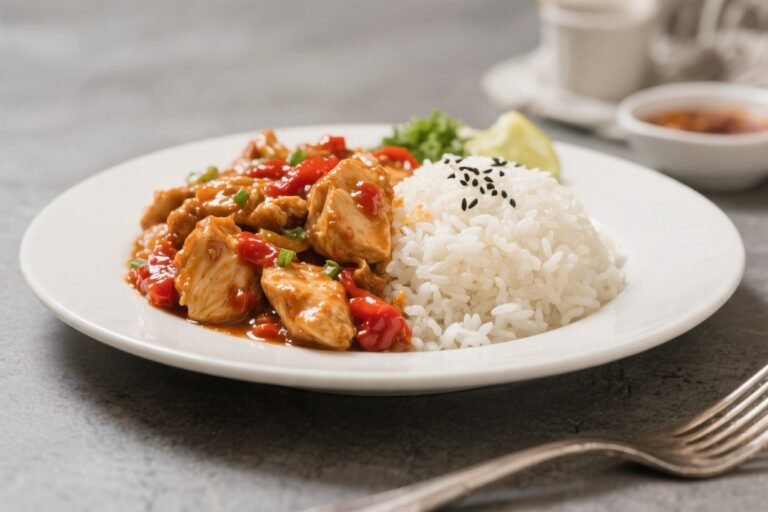
Budget Chicken Stir Fry With Frozen Veggies – Fast, Flavorful, and Affordable
A sizzling pan, a handful of pantry staples, and one bag of frozen vegetables can turn into a weeknight dinner you’ll actually look forward to. This budget chicken stir fry is quick, flexible, and reliably delicious. It’s built around simple ingredients, minimal prep, and a tasty sauce that brings everything together.
FREE 7-Day Easy Dinner Reset
Get 7 healthy, family-friendly dinners complete with recipes and simple meal plans delivered straight to your inbox.
No fancy techniques, no hard-to-find seasonings—just real food that works on a busy night.
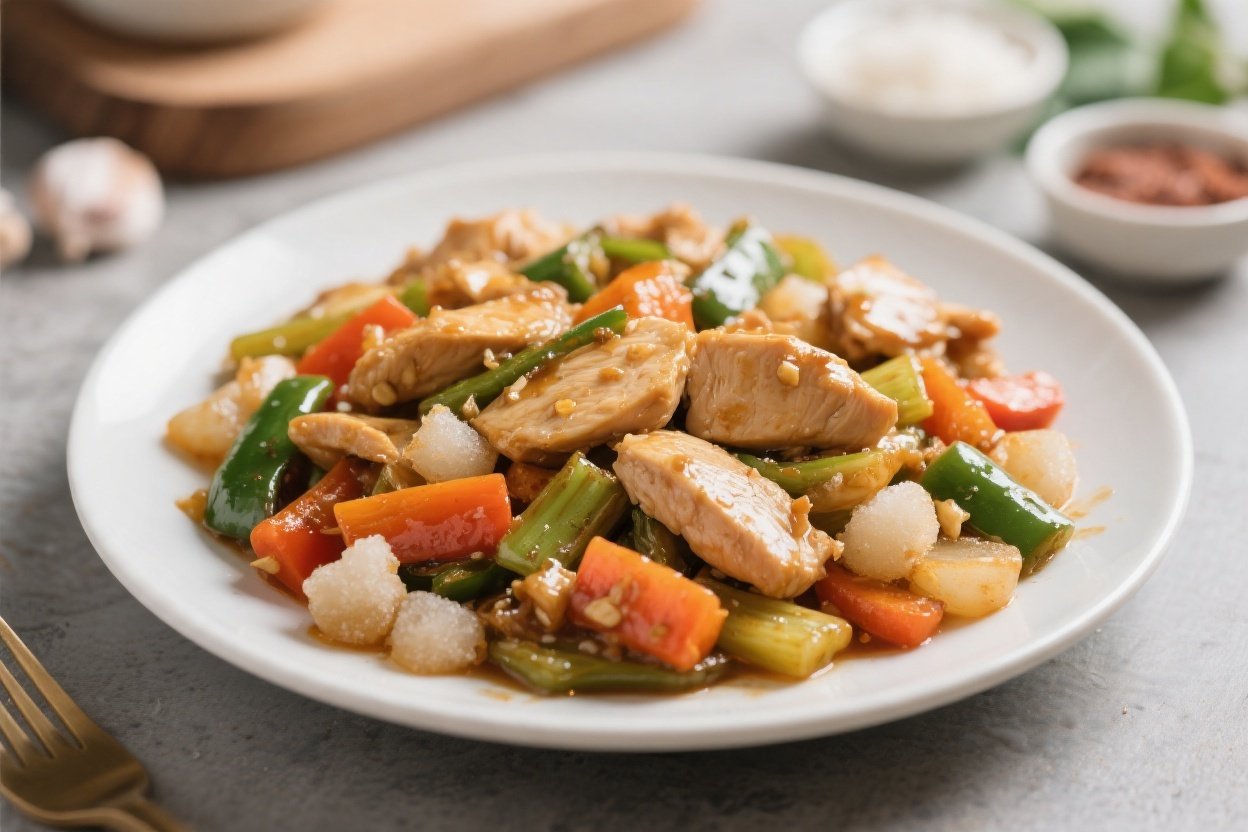
Budget Chicken Stir Fry With Frozen Veggies - Fast, Flavorful, and Affordable
Ingredients
Method
- Prep the chicken. Pat the chicken dry and slice it into thin bite-size strips. Season lightly with salt and pepper. This helps it brown and keeps it from tasting flat.
- Stir together the sauce. In a small bowl, whisk 1/3 cup soy sauce, 2 teaspoons rice vinegar, 1 tablespoon honey (or 2 teaspoons brown sugar), 1 teaspoon cornstarch, and a splash of water (2 tablespoons). Add red pepper flakes or a dab of sriracha if you like heat. Set aside.
- Warm the pan properly. Heat a large skillet or wok over medium-high until hot. Add 1–2 tablespoons oil and tilt to coat. A hot pan means better sear and less sticking.
- Cook the chicken in batches. Add half the chicken in a single layer. Don’t stir for 60–90 seconds to let it brown, then stir-fry until cooked through, 3–4 minutes total. Transfer to a bowl and repeat with the remaining chicken, adding oil if needed.
- Sweat the aromatics. Lower heat to medium. Add a small splash of oil if the pan is dry. Add minced garlic and grated ginger. Stir for 30 seconds until fragrant—don’t burn them.
- Add frozen veggies. Increase heat to medium-high. Add the frozen mixed vegetables straight from the bag. Cook, stirring, until they’re hot and some edges start to brown, about 4–6 minutes. If they release water, keep cooking to let it evaporate.
- Return chicken to the pan. Add the cooked chicken and any juices. Toss to combine.
- Pour in the sauce. Give the sauce a quick stir to re-incorporate the cornstarch, then pour it over everything. Toss and cook 1–2 minutes until the sauce thickens and coats the chicken and veggies.
- Finish and taste. Turn off the heat. Add a few drops of sesame oil and sliced green onions if using. Taste and adjust with a splash more soy sauce, vinegar, or a pinch of sugar to balance.
- Serve. Spoon over hot rice or toss with cooked noodles. Garnish with extra green onions or sesame seeds if you have them.
Why This Recipe Works
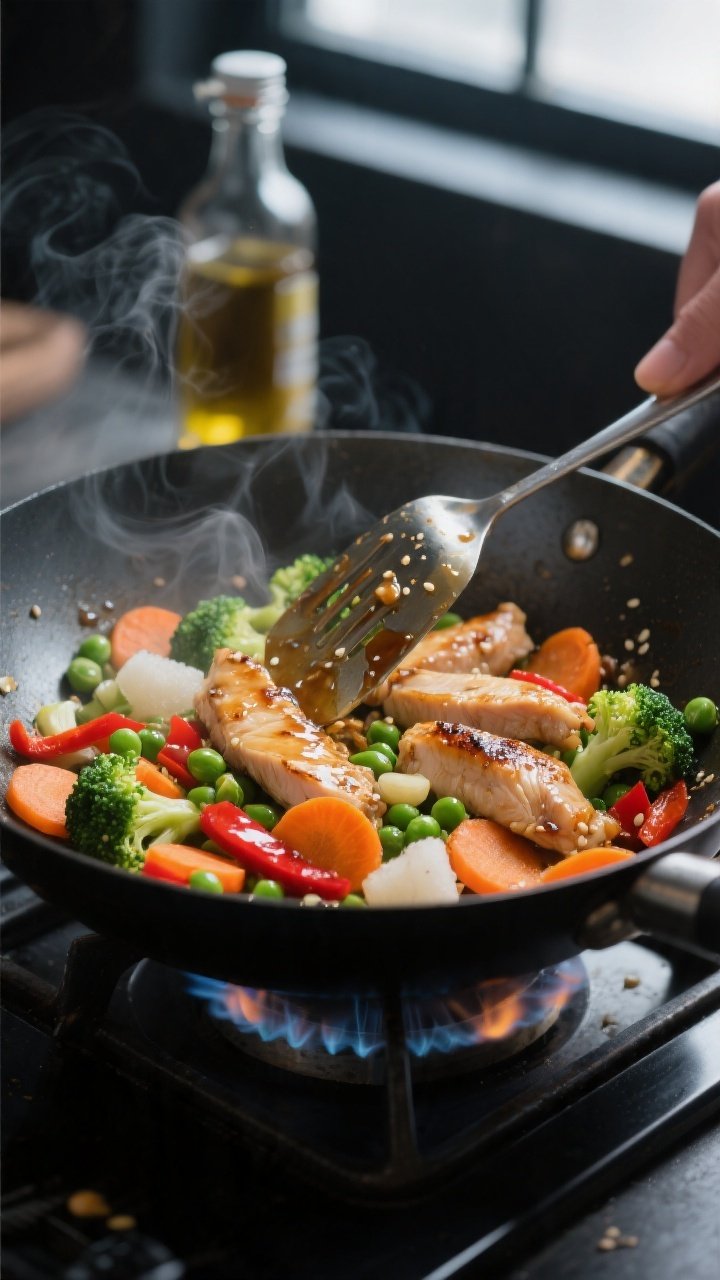
This stir fry leans on frozen veggies, which are picked and frozen at peak freshness, so you get good flavor and texture without the prep. Chicken thighs add juiciness and forgiveness, staying tender even if they cook a touch longer. A straightforward sauce—soy, garlic, ginger, and a hint of sweetness—delivers balanced flavor that tastes like takeout without the price tag.
Best of all, the method is clear and quick: high heat, short cook times, and everything prepped before you start.
Shopping List
- Chicken: 1 to 1.25 pounds boneless, skinless chicken thighs (or breasts if preferred)
- Frozen mixed vegetables: 1 standard bag (12–16 oz), any blend you like (broccoli, carrots, peppers, peas, etc.)
- Aromatics: 3 cloves garlic, 1 tablespoon fresh ginger (or 1 teaspoon ground ginger in a pinch)
- Green onions: 3 stalks (optional, for freshness)
- Neutral oil: Canola, avocado, or vegetable oil
- Soy sauce: Low-sodium preferred
- Rice vinegar: Or apple cider vinegar
- Sweetener: Honey or brown sugar
- Cornstarch: For thickening the sauce
- Sesame oil: A few drops for finishing (optional)
- Red pepper flakes or sriracha: For heat (optional)
- Cooked rice or noodles: For serving
- Salt and black pepper: To taste
Instructions
- Prep the chicken. Pat the chicken dry and slice it into thin bite-size strips. Season lightly with salt and pepper. This helps it brown and keeps it from tasting flat.
- Stir together the sauce. In a small bowl, whisk 1/3 cup soy sauce, 2 teaspoons rice vinegar, 1 tablespoon honey (or 2 teaspoons brown sugar), 1 teaspoon cornstarch, and a splash of water (2 tablespoons).
Add red pepper flakes or a dab of sriracha if you like heat. Set aside.
- Warm the pan properly. Heat a large skillet or wok over medium-high until hot. Add 1–2 tablespoons oil and tilt to coat.
A hot pan means better sear and less sticking.
- Cook the chicken in batches. Add half the chicken in a single layer. Don’t stir for 60–90 seconds to let it brown, then stir-fry until cooked through, 3–4 minutes total. Transfer to a bowl and repeat with the remaining chicken, adding oil if needed.
- Sweat the aromatics. Lower heat to medium.
Add a small splash of oil if the pan is dry. Add minced garlic and grated ginger. Stir for 30 seconds until fragrant—don’t burn them.
- Add frozen veggies. Increase heat to medium-high.
Add the frozen mixed vegetables straight from the bag. Cook, stirring, until they’re hot and some edges start to brown, about 4–6 minutes. If they release water, keep cooking to let it evaporate.
- Return chicken to the pan. Add the cooked chicken and any juices.
Toss to combine.
- Pour in the sauce. Give the sauce a quick stir to re-incorporate the cornstarch, then pour it over everything. Toss and cook 1–2 minutes until the sauce thickens and coats the chicken and veggies.
- Finish and taste. Turn off the heat. Add a few drops of sesame oil and sliced green onions if using.
Taste and adjust with a splash more soy sauce, vinegar, or a pinch of sugar to balance.
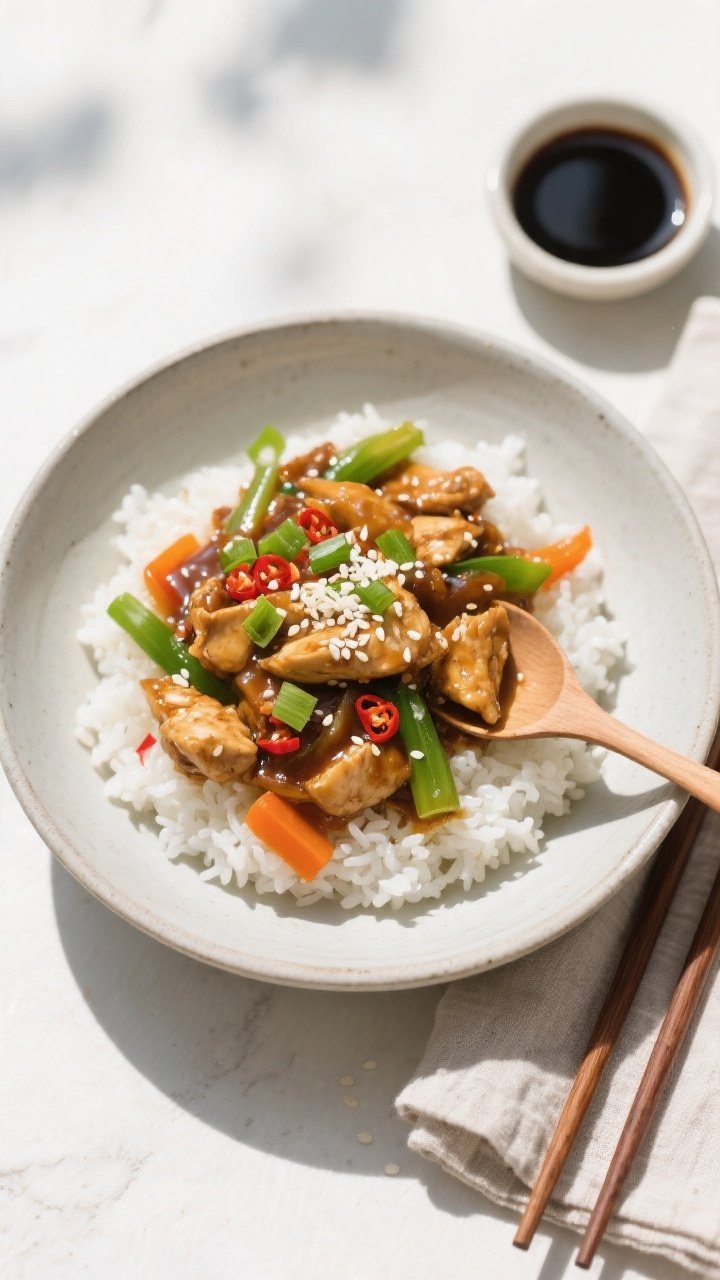
- Serve. Spoon over hot rice or toss with cooked noodles. Garnish with extra green onions or sesame seeds if you have them.
Keeping It Fresh
Stir fry is best hot from the pan, but leftovers hold up well. Store in an airtight container for up to 4 days.
Reheat in a skillet with a splash of water to loosen the sauce, or microwave in short bursts, stirring once. If you plan to meal prep, keep the rice and stir fry separate so the grains don’t get soggy. For frozen meal prep, cool completely, portion into freezer-safe containers, and freeze up to 2 months.
Thaw in the fridge overnight before reheating.
Health Benefits
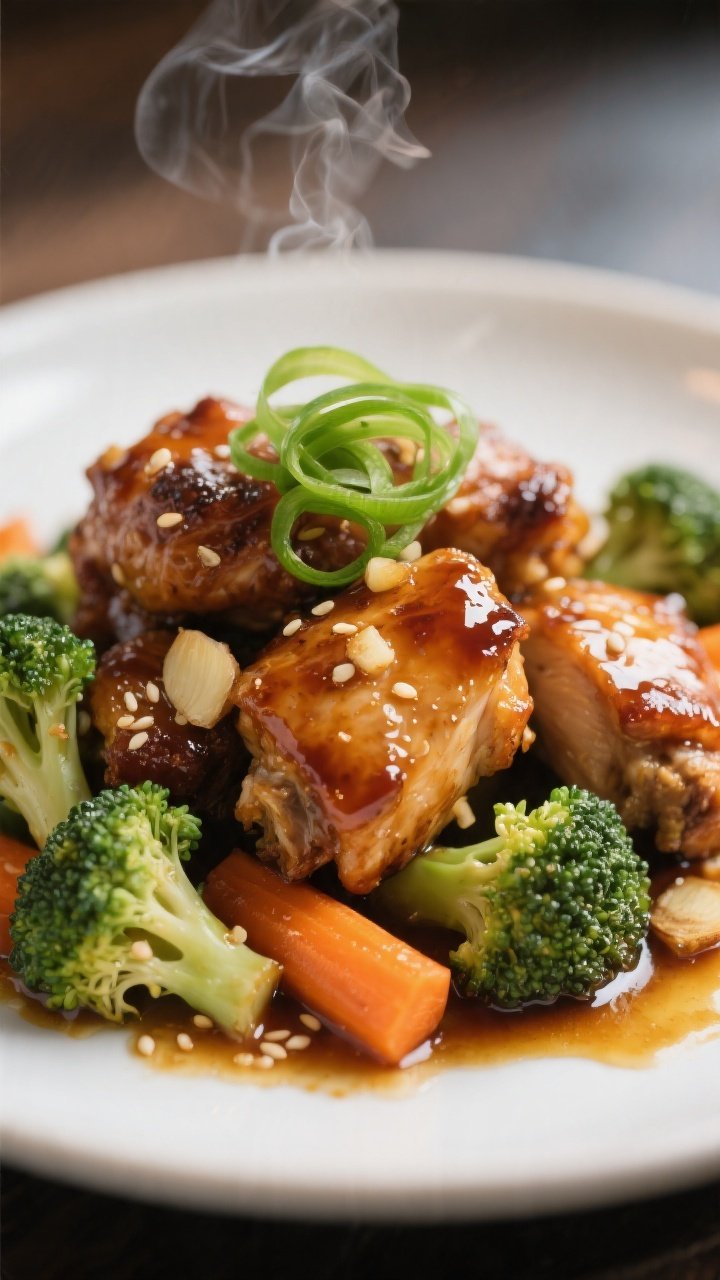
This dish offers a smart mix of lean protein and fiber-rich vegetables. Chicken provides essential amino acids to support muscle and recovery. Frozen vegetables retain vitamins like vitamin C and folate, and they add color, texture, and nutrients without much cost.
The sauce uses modest amounts of oil and sugar, and you control the sodium by choosing low-sodium soy sauce. Serve with brown rice or whole-grain noodles for extra fiber and longer-lasting energy.
Pitfalls to Watch Out For
- Overcrowding the pan: Too much chicken at once steams instead of browns. Cook in batches for better color and flavor.
- Soggy vegetables: Frozen veggies release water.
Keep the heat high and cook long enough for excess moisture to evaporate.
- Burnt garlic: Garlic burns fast. Add it after the chicken is done and keep it moving for just 30 seconds.
- Broken sauce: If the pan is very hot when you add the sauce, it can thicken too fast. Stir constantly and remove from heat once glossy.
- Unbalanced flavor: Taste at the end.
Add a splash of vinegar for brightness, soy for salt, or a touch of honey for balance.
Alternatives
- Protein swaps: Use ground chicken, turkey, pork, or tofu. For tofu, press it well and sear until golden before adding veggies.
- Veggie blends: Try stir fry mixes with snap peas and peppers, or go with plain broccoli florets. Add canned baby corn or water chestnuts for crunch.
- Gluten-free: Use tamari or coconut aminos instead of soy sauce.
Check labels on frozen veggies for additives if you’re sensitive.
- Lower carb: Serve over cauliflower rice or steamed cabbage ribbons.
- Sauce variations: Add a spoonful of peanut butter and a squeeze of lime for a nutty spin, or a little orange zest and juice for a citrus kick.
Never Wonder What's For Dinner Again
Get 7 healthy, family-friendly dinners complete with recipes, grocery lists, and simple meal plans delivered straight to your inbox.
FAQ
Do I need to thaw the frozen vegetables first?
No, you can add them straight to the hot pan. Keep the heat high and cook until excess moisture evaporates and the veggies are tender-crisp.
Can I use chicken breasts instead of thighs?
Yes. Breasts are leaner and can dry out more quickly, so slice them thin and avoid overcooking.
A quick sear on high heat keeps them tender.
How do I make it spicier?
Add red pepper flakes to the sauce, stir in sriracha, or finish with chili oil. Taste as you go so the heat doesn’t overwhelm the other flavors.
What if I don’t have fresh ginger?
Use 1 teaspoon ground ginger. It’s milder and a bit different in flavor, but it still adds warmth and depth to the sauce.
Can I double the recipe?
Absolutely.
Cook the chicken and veggies in batches so you maintain high heat and good browning. Combine everything at the end with a doubled sauce.
What’s the best oil for stir frying?
Use a high-heat neutral oil like canola, avocado, or vegetable oil. Save sesame oil for finishing—it burns easily.
How do I prevent the sauce from getting too salty?
Use low-sodium soy sauce and taste before adding extra salt.
If it’s already salty, add a splash of water or vinegar and a touch of honey to rebalance.
Can I meal prep this?
Yes. Portion with rice into containers, let cool, and refrigerate. Reheat with a splash of water to revive the sauce and keep the chicken tender.
Wrapping Up
Budget Chicken Stir Fry with Frozen Veggies is the kind of recipe you keep in your back pocket.
It’s fast, flexible, and friendly to both your schedule and your wallet. With a hot pan, a simple sauce, and a bag of frozen veggies, you’ve got a complete dinner in minutes. Make it once, and you’ll find yourself coming back to it on busy weeknights—and adding your own twists along the way.
Printable Recipe Card
Want just the essential recipe details without scrolling through the article? Get our printable recipe card with just the ingredients and instructions.
Loved This Recipe?
If you're looking for more simple, healthy dinners your family will actually eat, grab my FREE 7-Day Easy Dinner Reset. You'll get 7 easy dinner recipes, simple grocery lists, and a done-for-you plan that takes the stress out of mealtime.