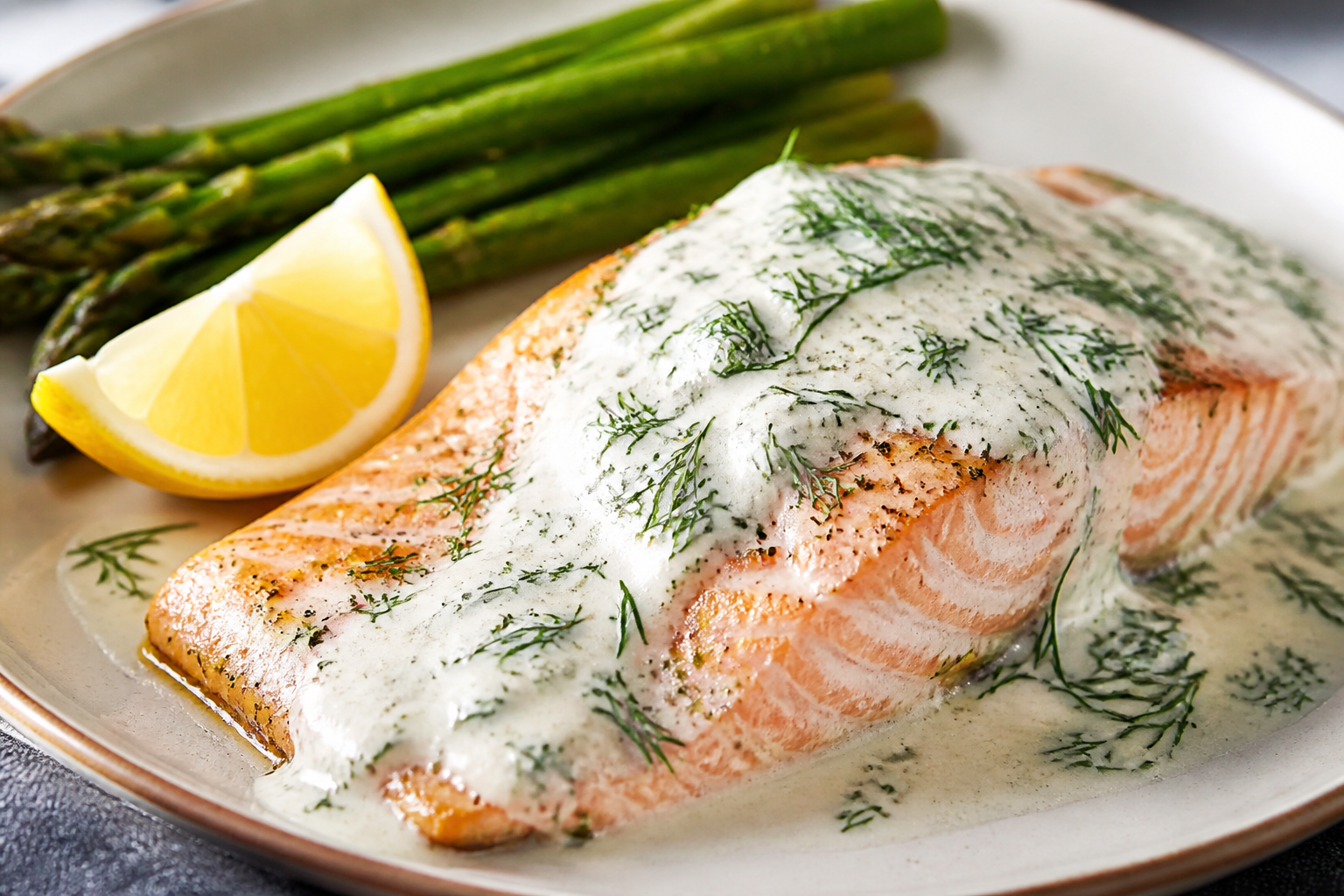
Healthy Creamy Dill Salmon – A Light, Comforting Weeknight Favorite
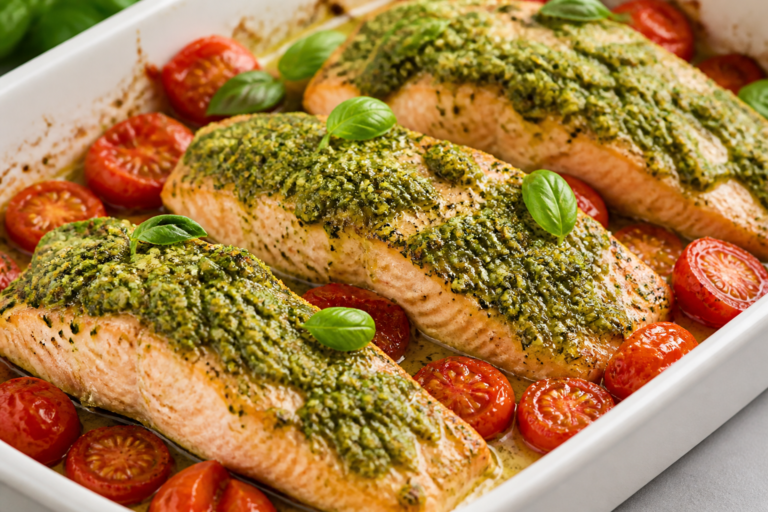
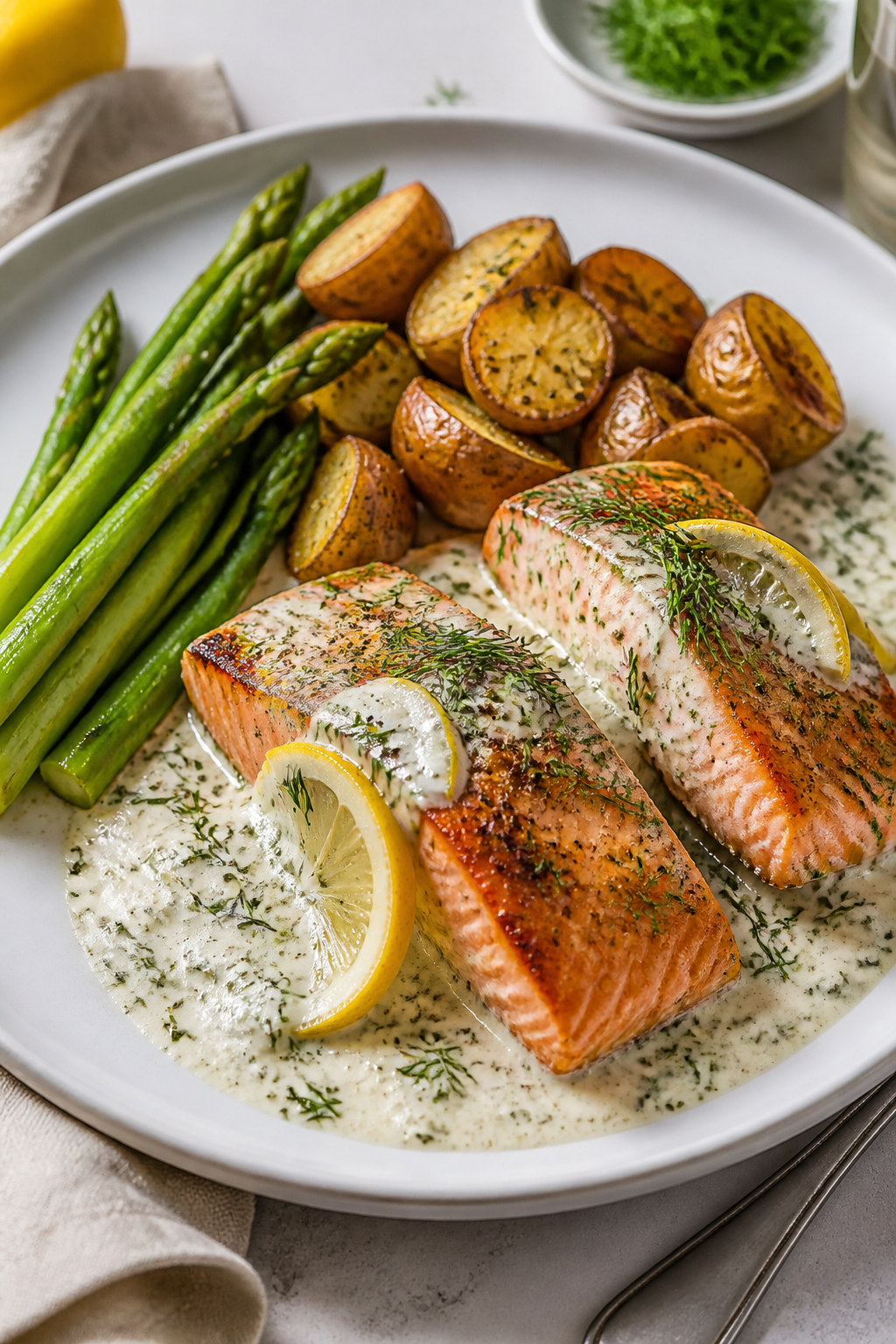
This Healthy Creamy Dill Salmon is the kind of dish that feels special without any fuss. It’s tender, flaky salmon topped with a silky, herbed yogurt sauce that tastes rich but stays light. You get bright lemon, fresh dill, and a gentle garlic kick—all in under 30 minutes.
FREE 7-Day Easy Dinner Reset
Get 7 healthy, family-friendly dinners complete with recipes and simple meal plans delivered straight to your inbox.
It’s weeknight-easy but good enough for guests. Pair it with a simple salad or steamed veggies and you’ve got a balanced, satisfying meal.
Ingredients
Method
- Pat the salmon dry. Moisture prevents browning. Blot the fillets well with paper towels, then season both sides with salt and black pepper.
- Heat your pan. Set a large skillet over medium-high heat. Add the olive oil and butter. When the butter foams, it’s ready.
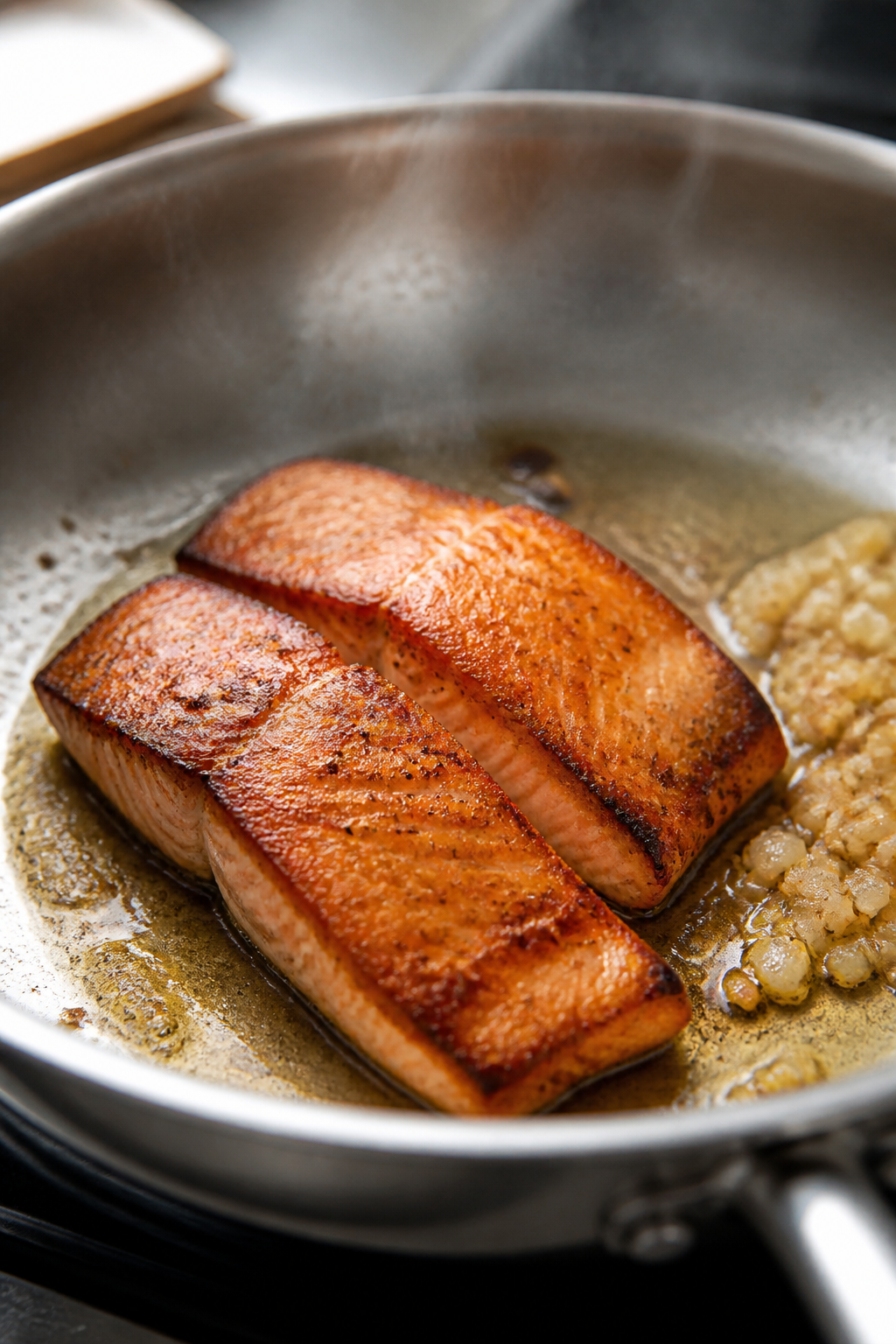
- Sear the salmon. Place salmon in the pan, presentation-side down. Cook without moving for 3–4 minutes until golden. Flip and cook 2–4 minutes more, depending on thickness, until just opaque and flaky. Transfer to a plate and tent loosely with foil.
- Soften the aromatics. Lower heat to medium. In the same pan, add the shallot with a pinch of salt and cook 1–2 minutes. Stir in garlic and cook 30 seconds, just until fragrant.
- Deglaze. Pour in the broth (or wine). Scrape up browned bits—they add flavor. Simmer 1–2 minutes to reduce slightly.
- Make the creamy base. Reduce heat to low. In a small bowl, whisk the Greek yogurt with Dijon and a spoonful of the warm pan liquid to temper it. Then stir the mixture into the skillet.
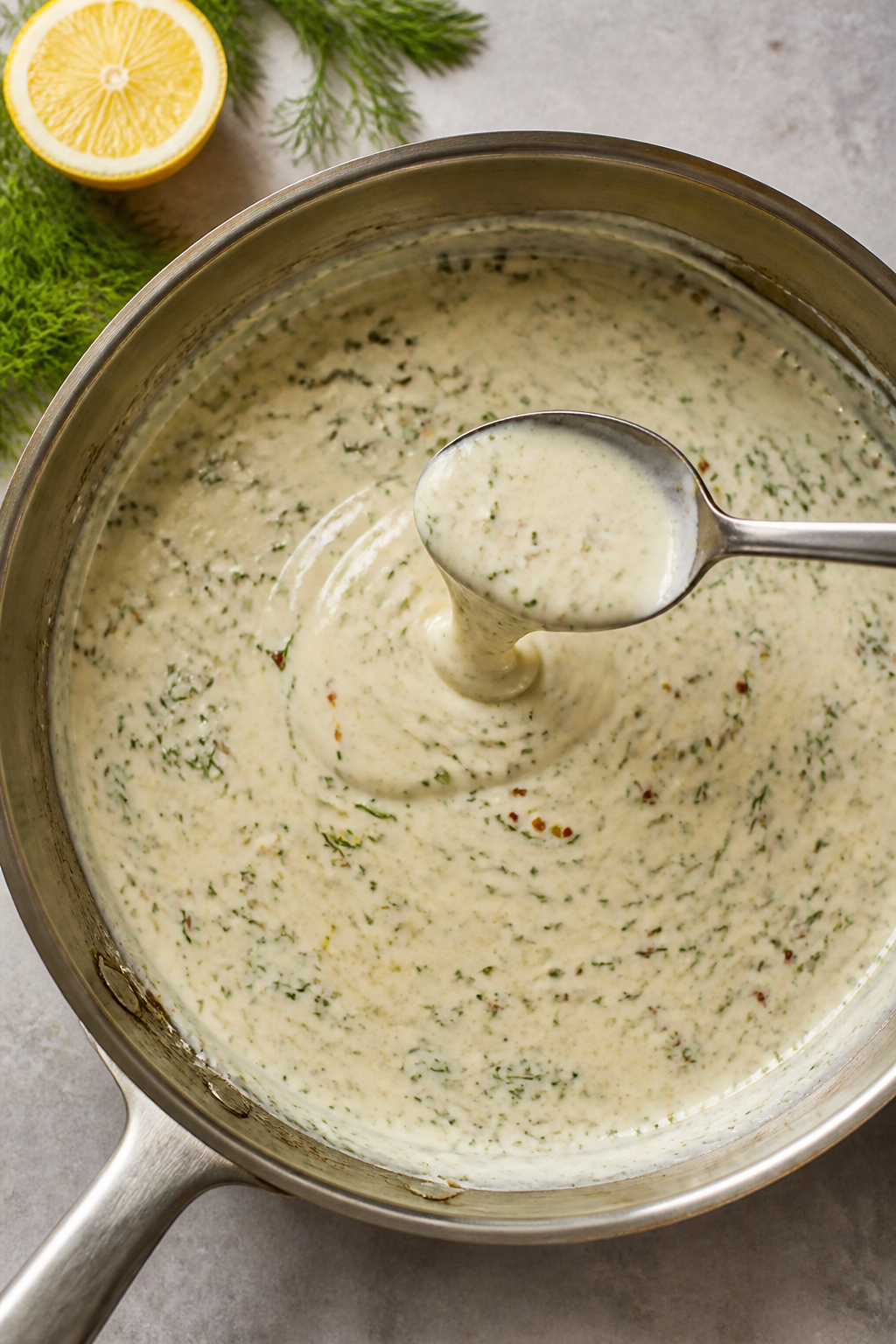
- Add the dill and lemon. Stir in fresh dill, lemon juice, and lemon zest if using. If the sauce tastes too tangy, add the honey. For a touch of heat, add red pepper flakes.
- Warm, don’t boil. Keep the sauce over low heat and stir gently for 1–2 minutes. Do not let it bubble hard or the yogurt may split.
- Nestle the salmon back in. Return salmon to the pan and spoon sauce over the top. Warm for 1–2 minutes to coat and finish cooking to your preferred doneness.
- Serve. Plate the salmon with extra dill and lemon wedges. Add your favorite sides—steamed asparagus, roasted potatoes, or a simple cucumber salad all work beautifully.
Why This Recipe Works
This salmon keeps things simple without skimping on flavor. The sauce uses Greek yogurt instead of heavy cream, so it’s creamy yet light, with a pleasant tang.
A quick pan sear locks in moisture and creates a golden crust that stands up to the sauce. Fresh dill and lemon brighten the dish and cut through richness. With minimal ingredients and straightforward steps, it’s easy to nail on the first try.
Ingredients
- 4 salmon fillets (about 5–6 ounces each), skin-on or skinless
- 1 tablespoon olive oil
- 1 tablespoon unsalted butter (optional, for extra browning)
- Salt and black pepper, to taste
- 1 small shallot, finely minced (or 2 tablespoons red onion)
- 2 garlic cloves, minced
- 1/2 cup low-sodium chicken or vegetable broth (or dry white wine)
- 3/4 cup plain Greek yogurt (2% or whole milk for best texture)
- 2 teaspoons Dijon mustard
- 2–3 tablespoons fresh dill, chopped (plus extra for garnish)
- 1 tablespoon lemon juice (plus zest from 1/2 lemon, optional)
- 1 teaspoon honey (optional, balances tang)
- Red pepper flakes, a pinch (optional)
- Lemon wedges, for serving
How to Make It
- Pat the salmon dry. Moisture prevents browning.
Blot the fillets well with paper towels, then season both sides with salt and black pepper.
- Heat your pan. Set a large skillet over medium-high heat. Add the olive oil and butter. When the butter foams, it’s ready.
- Sear the salmon. Place salmon in the pan, presentation-side down.
Cook without moving for 3–4 minutes until golden. Flip and cook 2–4 minutes more, depending on thickness, until just opaque and flaky. Transfer to a plate and tent loosely with foil.
- Soften the aromatics. Lower heat to medium.
In the same pan, add the shallot with a pinch of salt and cook 1–2 minutes. Stir in garlic and cook 30 seconds, just until fragrant.
- Deglaze. Pour in the broth (or wine). Scrape up browned bits—they add flavor.
Simmer 1–2 minutes to reduce slightly.
- Make the creamy base. Reduce heat to low. In a small bowl, whisk the Greek yogurt with Dijon and a spoonful of the warm pan liquid to temper it. Then stir the mixture into the skillet.
- Add the dill and lemon. Stir in fresh dill, lemon juice, and lemon zest if using.
If the sauce tastes too tangy, add the honey. For a touch of heat, add red pepper flakes.
- Warm, don’t boil. Keep the sauce over low heat and stir gently for 1–2 minutes. Do not let it bubble hard or the yogurt may split.
- Nestle the salmon back in. Return salmon to the pan and spoon sauce over the top. Warm for 1–2 minutes to coat and finish cooking to your preferred doneness.
- Serve. Plate the salmon with extra dill and lemon wedges.
Add your favorite sides—steamed asparagus, roasted potatoes, or a simple cucumber salad all work beautifully.
Keeping It Fresh
Store leftovers in an airtight container in the fridge for up to 2 days. Keep the sauce and salmon together for convenience, or separate if you prefer crisper edges when reheating. Reheat gently over low heat on the stove, adding a splash of broth or water to loosen the sauce. Avoid boiling, which can make the sauce grainy and the fish dry.
If serving cold the next day, flake the salmon into a salad and use the sauce as a dressing—it’s delicious.
Benefits of This Recipe
- Heart-healthy fats: Salmon is rich in omega-3s, which support brain and heart health.
- Lighter creaminess: Greek yogurt keeps the sauce silky without heavy cream, cutting calories and saturated fat.
- High protein: Both salmon and yogurt deliver plenty of protein for steady energy.
- Fast and flexible: From prep to plate in about 25 minutes, with easy swaps based on what you have.
- Bright, fresh flavor: Dill and lemon keep it vibrant, balancing the richness of the fish.
Common Mistakes to Avoid
- Overcooking the salmon: Remove it from heat when it’s just opaque and flakes easily. It will keep cooking slightly off the heat.
- Boiling the yogurt sauce: High heat can cause splitting. Keep the flame low and stir gently.
- Skipping the pat-dry step: Wet salmon won’t brown well.
Drying ensures a flavorful crust.
- Under-seasoning: Salmon needs enough salt and acid. Taste the sauce and adjust with salt or lemon at the end.
- Adding dill too early: Fresh herbs lose punch with prolonged heat. Stir them in near the end for best flavor.
Alternatives
Never Wonder What's For Dinner Again
Get 7 healthy, family-friendly dinners complete with recipes, grocery lists, and simple meal plans delivered straight to your inbox.
- Dairy-free: Use a plain, unsweetened coconut yogurt and a neutral oil.
Add an extra squeeze of lemon to balance richness.
- No dill on hand: Try fresh parsley, chives, or tarragon. Each brings a different vibe—tarragon adds a subtle anise note.
- Oven method: Bake salmon at 400°F (205°C) for 10–12 minutes, depending on thickness. Make the sauce on the stove and spoon over before serving.
- Extra veggies: Wilt baby spinach or toss in blanched peas right into the sauce.
They add color and nutrients.
- Protein swap: This sauce pairs well with trout, cod, or chicken cutlets. Adjust cook times accordingly.
- Low-sodium: Use low-sodium broth and season lightly. Brighten with more lemon and dill instead of extra salt.
FAQ
How do I know when the salmon is done?
It’s ready when it flakes easily with a fork and the center turns from translucent to opaque.
For the most accuracy, use an instant-read thermometer—aim for 125–130°F (52–54°C) for medium, or up to 135°F (57°C) for more well-done.
Can I use frozen salmon?
Yes. Thaw it overnight in the fridge or under cold running water in its packaging. Pat very dry before cooking to ensure good browning and even cooking.
Will the yogurt curdle?
It can if overheated.
Keep the sauce over low heat, temper the yogurt with a bit of warm liquid before adding, and avoid boiling. A small spoonful of Dijon also helps stabilize the sauce.
What sides go best with creamy dill salmon?
Light, fresh sides work well. Think roasted baby potatoes, steamed green beans, asparagus, brown rice, quinoa, or a crisp cucumber and tomato salad.
Can I make the sauce ahead?
You can mix the yogurt, Dijon, dill, lemon, and seasonings up to a day ahead and keep it chilled.
Warm it gently with a splash of broth when you’re ready to serve. Add fresh dill at the end for the brightest flavor.
Is this recipe good for meal prep?
Yes, with care. Cook the salmon slightly under your ideal doneness, cool, and store with sauce.
Reheat gently and add a squeeze of lemon just before serving to refresh the flavors.
In Conclusion
Healthy Creamy Dill Salmon delivers comfort without heaviness, with a fresh, tangy sauce that flatters the fish instead of overwhelming it. It’s quick, flexible, and packed with nutrients—perfect for busy nights and relaxed weekends alike. With a few smart steps and fresh dill on hand, you’ll have a bright, creamy, restaurant-quality plate at home, no stress required.
Printable Recipe Card
Want just the essential recipe details without scrolling through the article? Get our printable recipe card with just the ingredients and instructions.
Loved This Recipe?
If you're looking for more simple, healthy dinners your family will actually eat, grab my FREE 7-Day Easy Dinner Reset. You'll get 7 easy dinner recipes, simple grocery lists, and a done-for-you plan that takes the stress out of mealtime.