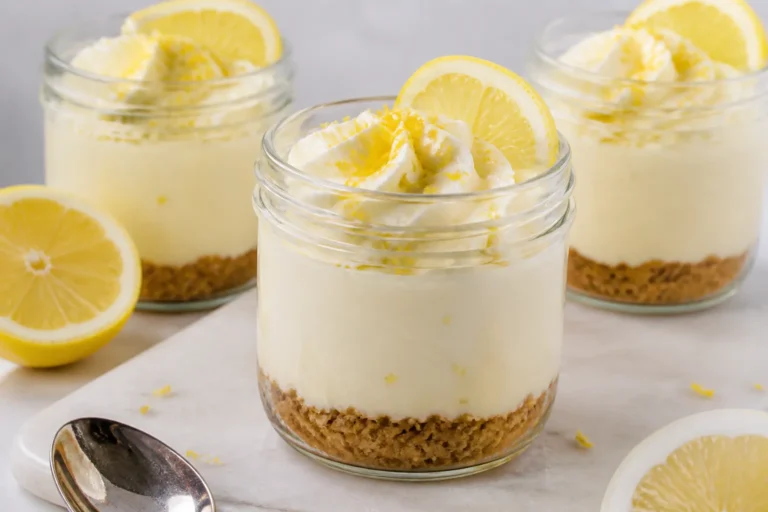
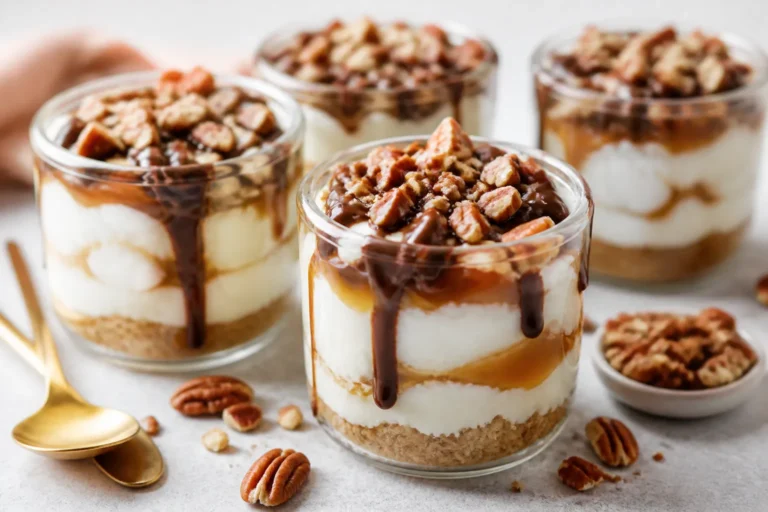
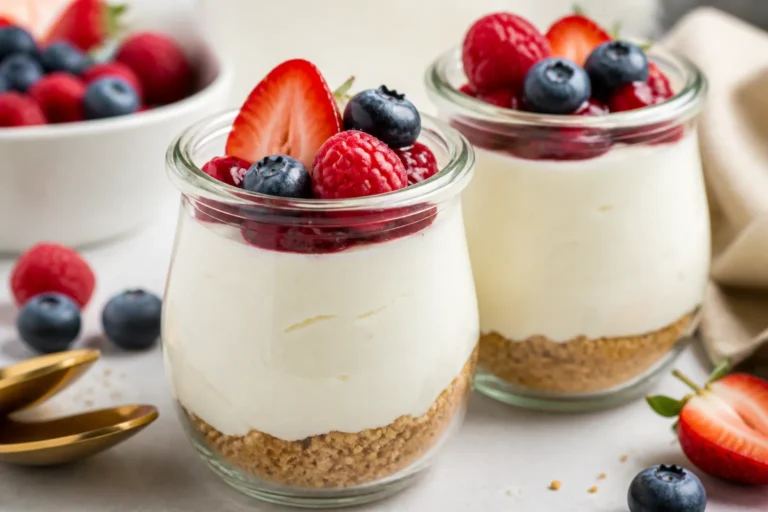
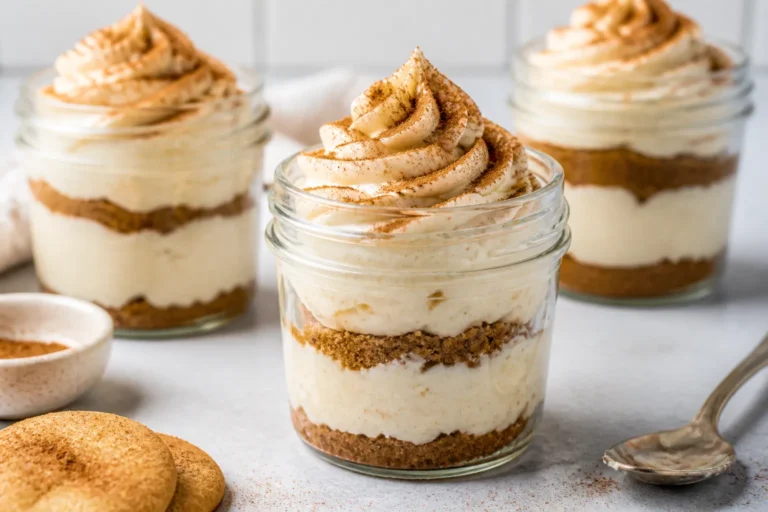
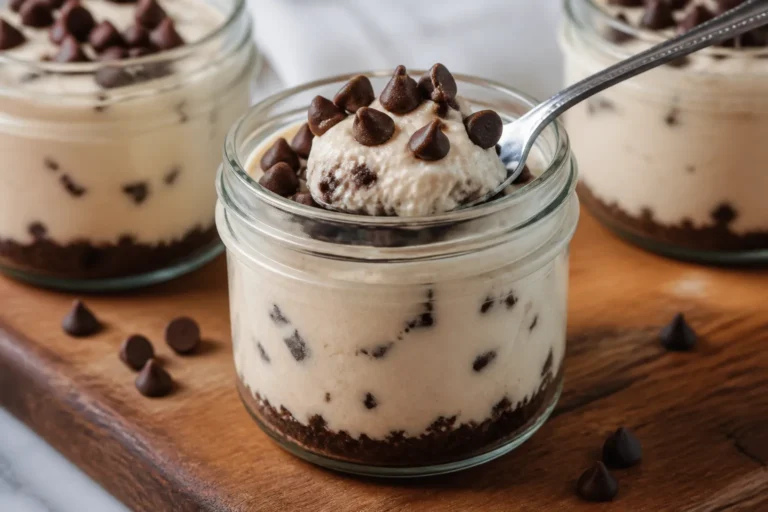
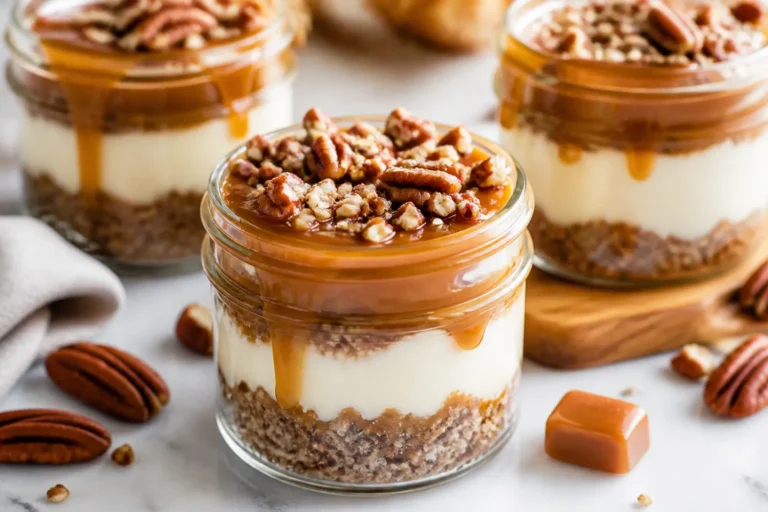
High Protein Low Carb Coconut Cream Cheesecake Jars – A Creamy, Convenient Treat
These cheesecake jars deliver all the lush, coconutty flavor you want with a light, protein-packed twist. They come together quickly, portion perfectly, and keep well in the fridge for days. If you love creamy desserts but want to keep carbs in check, this recipe hits the sweet spot.
FREE 7-Day Easy Dinner Reset
Get 7 healthy, family-friendly dinners complete with recipes and simple meal plans delivered straight to your inbox.
The texture is silky, the flavor is tropical, and each jar feels like a mini celebration you can enjoy any day of the week.
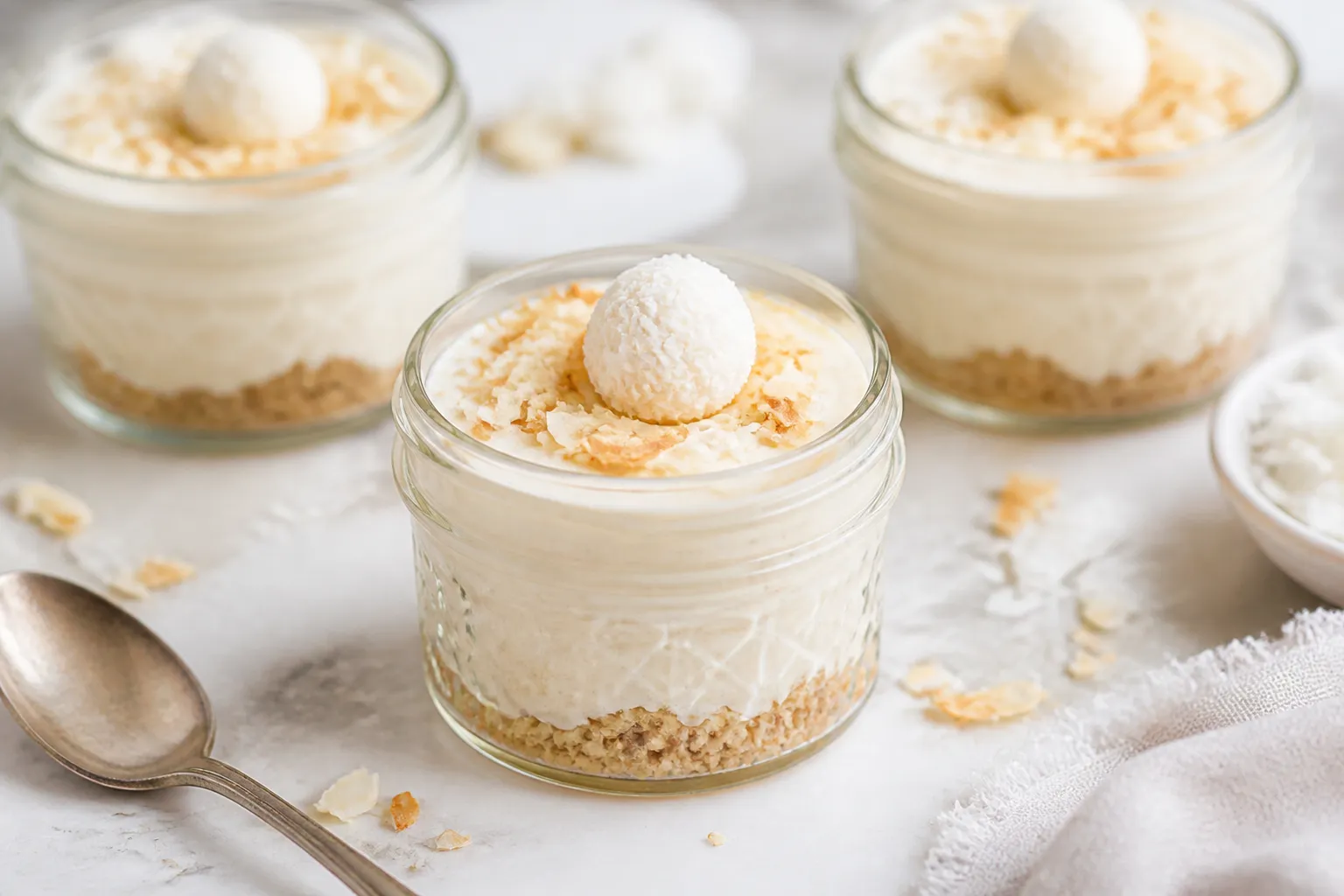
High Protein Low Carb Coconut Cream Cheesecake Jars - A Creamy, Convenient Treat
Ingredients
Method
- Toast the coconut: In a dry skillet over medium heat, toast unsweetened shredded coconut until golden and fragrant, 3–5 minutes. Stir often. Set aside to cool.
- Prep the coconut cream: Chill a can of full-fat coconut cream overnight. Scoop out the thick cream, leaving liquid behind. Measure 1/2 to 3/4 cup of the thick cream for a richer texture.
- Soften the cream cheese: Let it sit at room temperature 20–30 minutes. This prevents lumps and helps everything blend smoothly.
- Make the cheesecake base: In a mixing bowl, beat softened cream cheese with a hand mixer until smooth. Add coconut cream, Greek yogurt, vanilla extract, a pinch of salt, and your sweetener of choice. Start with 1/3 cup sweetener and adjust to taste.
- Blend in protein: Add 1–2 scoops of vanilla or unflavored protein powder. Mix on low until fully incorporated. If the mixture thickens too much, whisk in 1–2 tablespoons of the reserved coconut liquid or a splash of almond milk.
- Taste and adjust: Sweeten to your preference, then add a little lime zest or juice if you want a fresh, bright note. A drop or two of coconut extract can boost coconut flavor—go easy, it’s strong.
- Optional “crust” layer: Stir almond meal with a pinch of sweetener and a sprinkle of the toasted coconut. Spoon 1–2 teaspoons into the bottom of each small jar and press lightly. This keeps carbs low while adding a bit of crunch.
- Fill the jars: Divide the cheesecake mixture among 6–8 small jars (4 to 6 ounces each). Smooth the tops with a spoon.
- Chill to set: Cover and refrigerate for at least 2 hours, preferably 4–6 hours, to allow the flavors to meld and the texture to firm up.
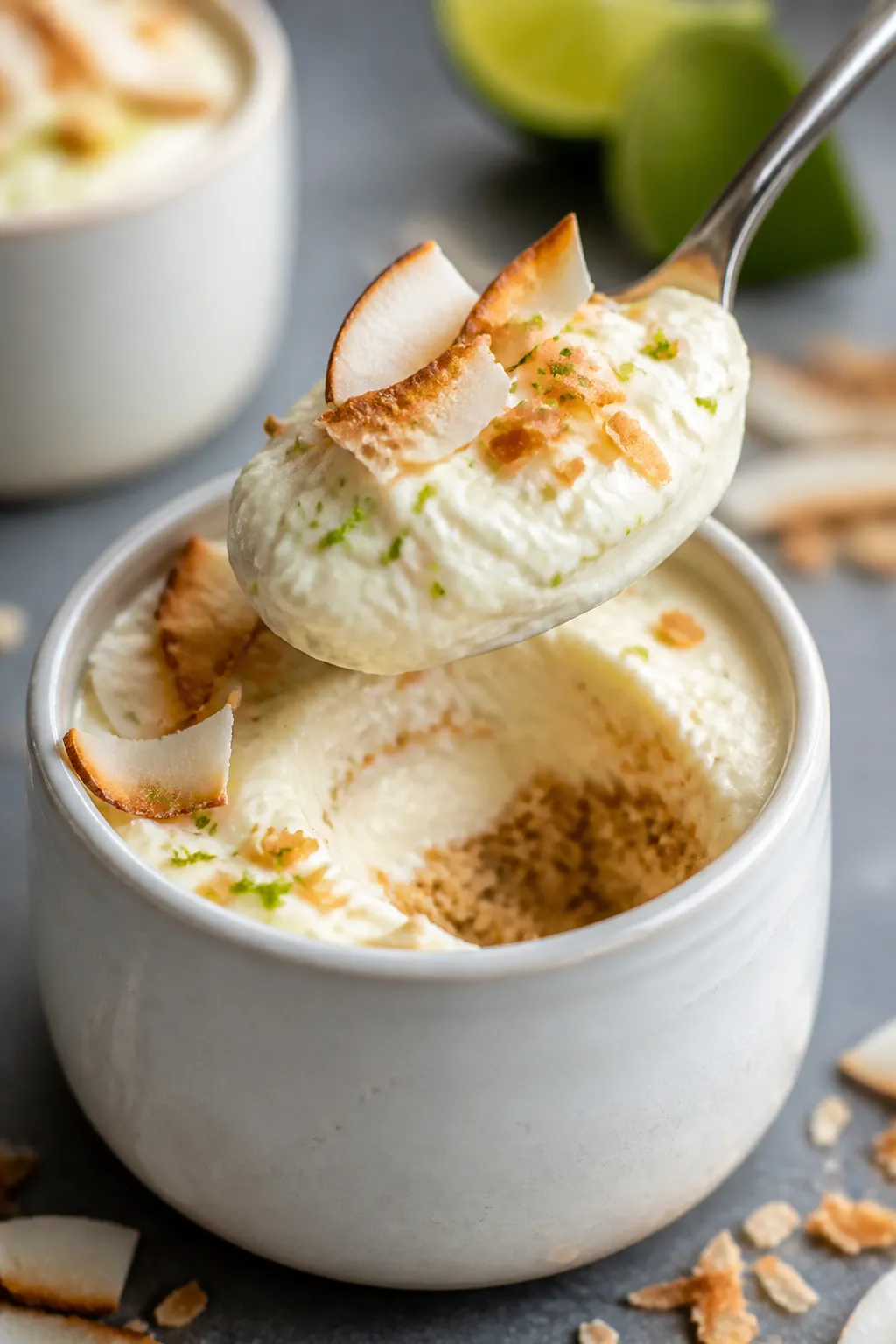
- Garnish and serve: Top with toasted coconut, a few coconut chips, and a fine grating of lime zest. Serve chilled.
What Makes This Recipe So Good
- Protein-forward and low in carbs: Each jar gets a boost from Greek yogurt and protein powder while skipping the sugar-heavy crust and fillings.
- No-bake convenience: You’ll mix, layer, and chill—no oven required.
- Rich coconut flavor: Coconut cream and toasted coconut flakes create depth without loads of sugar.
- Perfectly portioned: Individual jars help with serving size and make meal prep a breeze.
- Customizable: Adjust sweetness, swap toppings, and tailor protein types to suit your goals.
Shopping List
- Cream cheese: Full-fat or reduced-fat, softened
- Unsweetened coconut cream: Thick portion from a chilled can, not coconut milk
- Plain Greek yogurt: 2% or 5% for creaminess
- Vanilla or unflavored whey or casein protein powder: Or a whey-casein blend for a thicker set
- Granulated or powdered low-carb sweetener: Erythritol, allulose, or monk fruit blend
- Unsweetened shredded coconut: For toasting and topping
- Vanilla extract
- Fresh lime zest or a squeeze of lime juice: Optional, brightens flavor
- Pinch of salt
- Almond meal or finely crushed nuts: Optional for a light, low-carb “crust” layer
- Unsweetened coconut chips or flakes: For garnish
- Tiny splash of coconut extract: Optional, use sparingly
Instructions
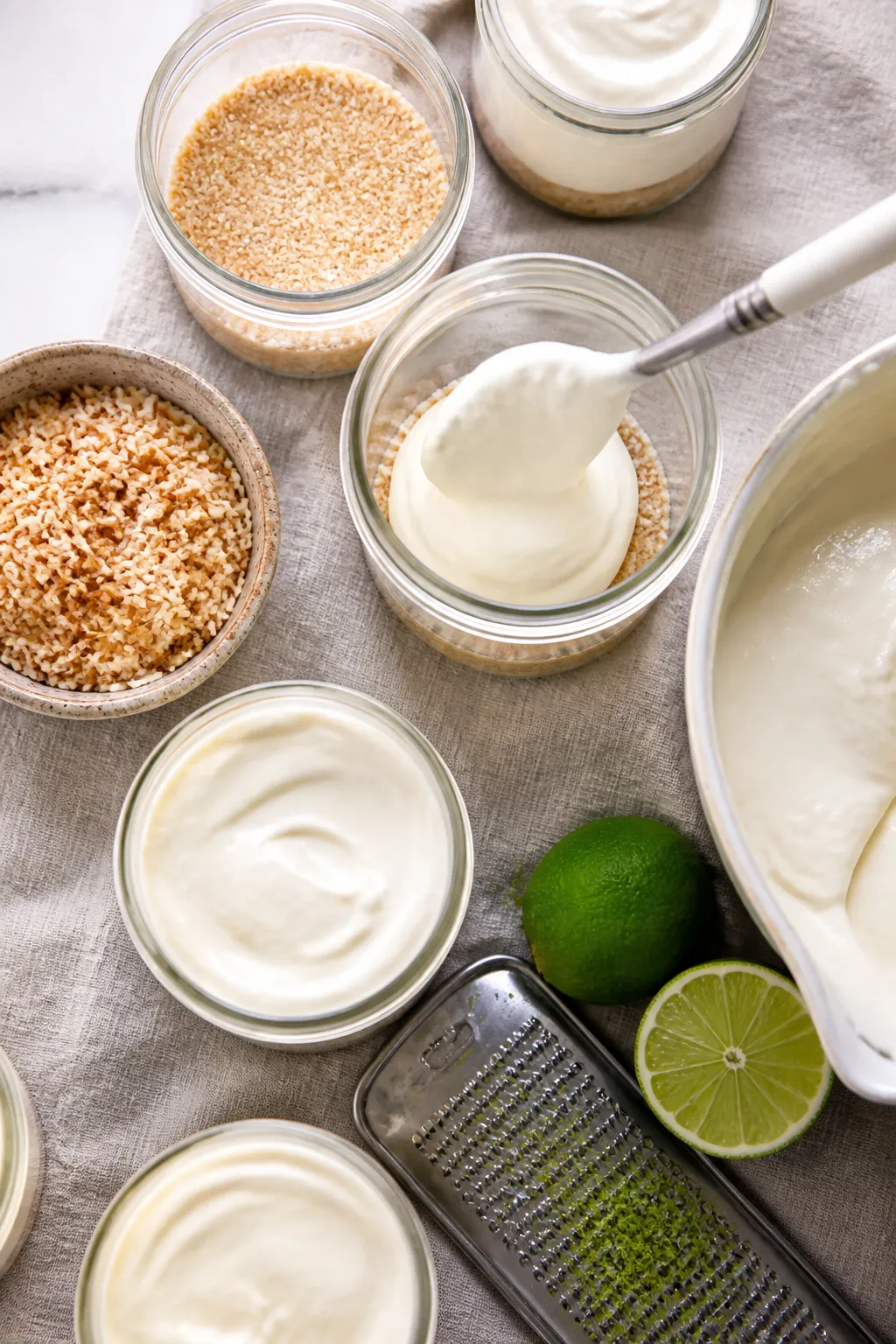
- Toast the coconut: In a dry skillet over medium heat, toast unsweetened shredded coconut until golden and fragrant, 3–5 minutes. Stir often. Set aside to cool.
- Prep the coconut cream: Chill a can of full-fat coconut cream overnight.
Scoop out the thick cream, leaving liquid behind. Measure 1/2 to 3/4 cup of the thick cream for a richer texture.
- Soften the cream cheese: Let it sit at room temperature 20–30 minutes. This prevents lumps and helps everything blend smoothly.
- Make the cheesecake base: In a mixing bowl, beat softened cream cheese with a hand mixer until smooth.
Add coconut cream, Greek yogurt, vanilla extract, a pinch of salt, and your sweetener of choice. Start with 1/3 cup sweetener and adjust to taste.
- Blend in protein: Add 1–2 scoops of vanilla or unflavored protein powder. Mix on low until fully incorporated.
If the mixture thickens too much, whisk in 1–2 tablespoons of the reserved coconut liquid or a splash of almond milk.
- Taste and adjust: Sweeten to your preference, then add a little lime zest or juice if you want a fresh, bright note. A drop or two of coconut extract can boost coconut flavor—go easy, it’s strong.
- Optional “crust” layer: Stir almond meal with a pinch of sweetener and a sprinkle of the toasted coconut. Spoon 1–2 teaspoons into the bottom of each small jar and press lightly.
This keeps carbs low while adding a bit of crunch.
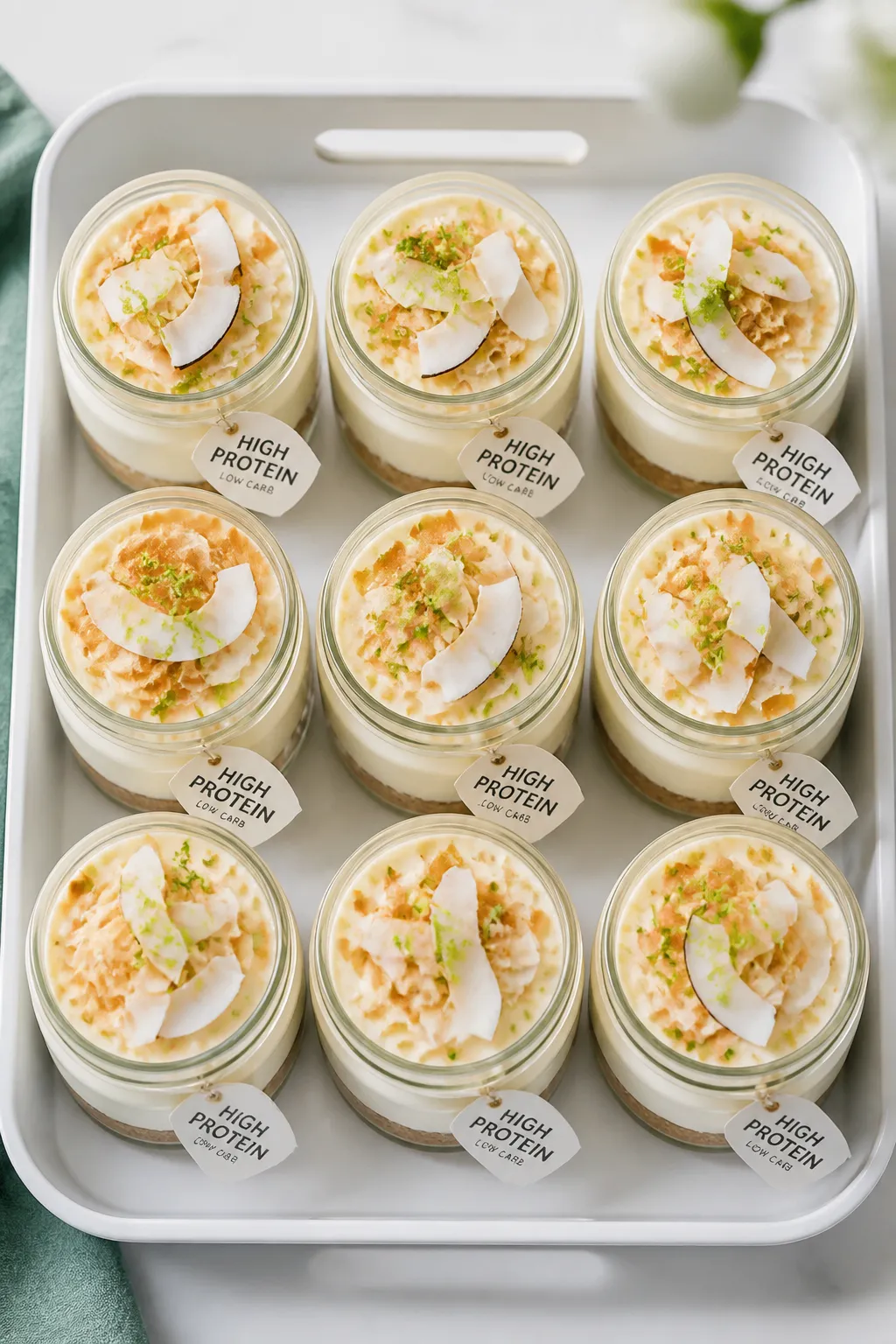
- Fill the jars: Divide the cheesecake mixture among 6–8 small jars (4 to 6 ounces each). Smooth the tops with a spoon.
- Chill to set: Cover and refrigerate for at least 2 hours, preferably 4–6 hours, to allow the flavors to meld and the texture to firm up.
- Garnish and serve: Top with toasted coconut, a few coconut chips, and a fine grating of lime zest. Serve chilled.
Keeping It Fresh
These jars keep well for 4–5 days in the refrigerator when tightly sealed.
The texture may firm slightly over time; give the top a gentle stir before eating if needed. For longer storage, freeze without the toasted coconut topping, then thaw overnight in the fridge. Add the crunchy garnish right before serving to keep it crisp.
Avoid leaving them out at room temperature for more than 1–2 hours to maintain food safety and texture.
Health Benefits
- High protein content: Greek yogurt and protein powder help support muscle repair and satiety, making this dessert more filling than traditional cheesecake.
- Lower in carbs: Using low-carb sweeteners and skipping a sugary crust helps keep blood sugar steadier.
- Balanced fats: Coconut cream and cream cheese bring satisfying richness, which can help reduce cravings when paired with protein.
- Portion control: Individual jars offer built-in serving sizes, helpful for mindful eating and meal planning.
- Gluten-free friendly: Easy to keep gluten-free by using almond meal or nuts instead of traditional crackers.
Pitfalls to Watch Out For
- Using coconut milk instead of coconut cream: The mixture can turn runny. Stick to the thick, chilled cream.
- Overdoing the protein powder: Too much can make the texture chalky. Start with one scoop and add gradually.
- Insufficient chilling time: The jars need time to set.
Rushing leads to a loose, less creamy bite.
- Heavy-handed sweetener: Some sweeteners taste overly cool or bitter in large amounts. Taste as you go, and consider blending allulose with a pinch of erythritol or monk fruit for balance.
- Coconut extract overload: A drop or two is plenty. Too much can taste artificial.
Alternatives
- Protein options: Swap whey for a whey-casein blend for extra creaminess, or use a neutral-tasting egg white protein.
Plant-based proteins work, but choose a fine, smooth one and add extra liquid if needed.
- Dairy-free version: Use dairy-free cream cheese and coconut yogurt in place of Greek yogurt. Choose a vegan protein powder and check sweeteners for dairy additives.
- Flavor twists: Add a teaspoon of cocoa powder and a few sugar-free chocolate chips for a Mounds-inspired version, or fold in mashed raspberries for a coconut-berry jar.
- Crunchy layer: Instead of almond meal, use finely chopped macadamias or pecans. Toast lightly to boost flavor.
- Citrus boost: Swap lime for lemon zest or a few drops of orange extract for a tropical creamsicle vibe.
Never Wonder What's For Dinner Again
Get 7 healthy, family-friendly dinners complete with recipes, grocery lists, and simple meal plans delivered straight to your inbox.
FAQ
Can I make these without protein powder?
Yes.
Skip the protein powder and add an extra few tablespoons of Greek yogurt to maintain volume. The texture will be slightly softer, and the protein count will be lower, but the jars will still set nicely after chilling.
What size jars should I use?
Four- to six-ounce jars work best for dessert portions. If you prefer larger servings, use eight-ounce jars and fill them three-quarters full to leave room for toppings.
Which sweetener tastes most natural?
Allulose offers a clean, sugar-like taste and soft texture.
Monk fruit blends are also great. If using erythritol, consider a powdered form to avoid grittiness, and blend with a bit of allulose for a more rounded sweetness.
How can I thicken the mixture if it’s too loose?
Chill the bowl for 15–20 minutes, then whisk again. You can also add a tablespoon of additional casein protein or a tiny amount of powdered gelatin dissolved in warm water.
Avoid adding too much powder at once to prevent chalkiness.
Can I add fruit without raising carbs too much?
Yes—use small amounts of lower-sugar fruits like raspberries, blackberries, or strawberries. Fold in a few chopped berries per jar or add a thin layer on top just before serving.
Is this recipe keto-friendly?
It can be. Use full-fat dairy, a keto-approved sweetener, and skip the nut “crust” or measure it carefully.
Keep an eye on portion size and total daily carbs.
What’s the difference between coconut cream and cream of coconut?
Coconut cream is unsweetened and thick, perfect for this recipe. Cream of coconut is sweetened and syrupy, typically used for cocktails, and would add a lot of sugar.
Final Thoughts
High Protein Low Carb Coconut Cream Cheesecake Jars give you the creamy satisfaction of cheesecake with a smarter macro profile and none of the fuss. They’re easy to prep, simple to customize, and perfect for make-ahead treats.
Keep a batch in the fridge for a sweet, protein-rich finish to your day—or a mid-afternoon pick-me-up that actually keeps you full. One spoonful, and you’ll be hooked on how indulgent healthy can taste.
Printable Recipe Card
Want just the essential recipe details without scrolling through the article? Get our printable recipe card with just the ingredients and instructions.
Loved This Recipe?
If you're looking for more simple, healthy dinners your family will actually eat, grab my FREE 7-Day Easy Dinner Reset. You'll get 7 easy dinner recipes, simple grocery lists, and a done-for-you plan that takes the stress out of mealtime.