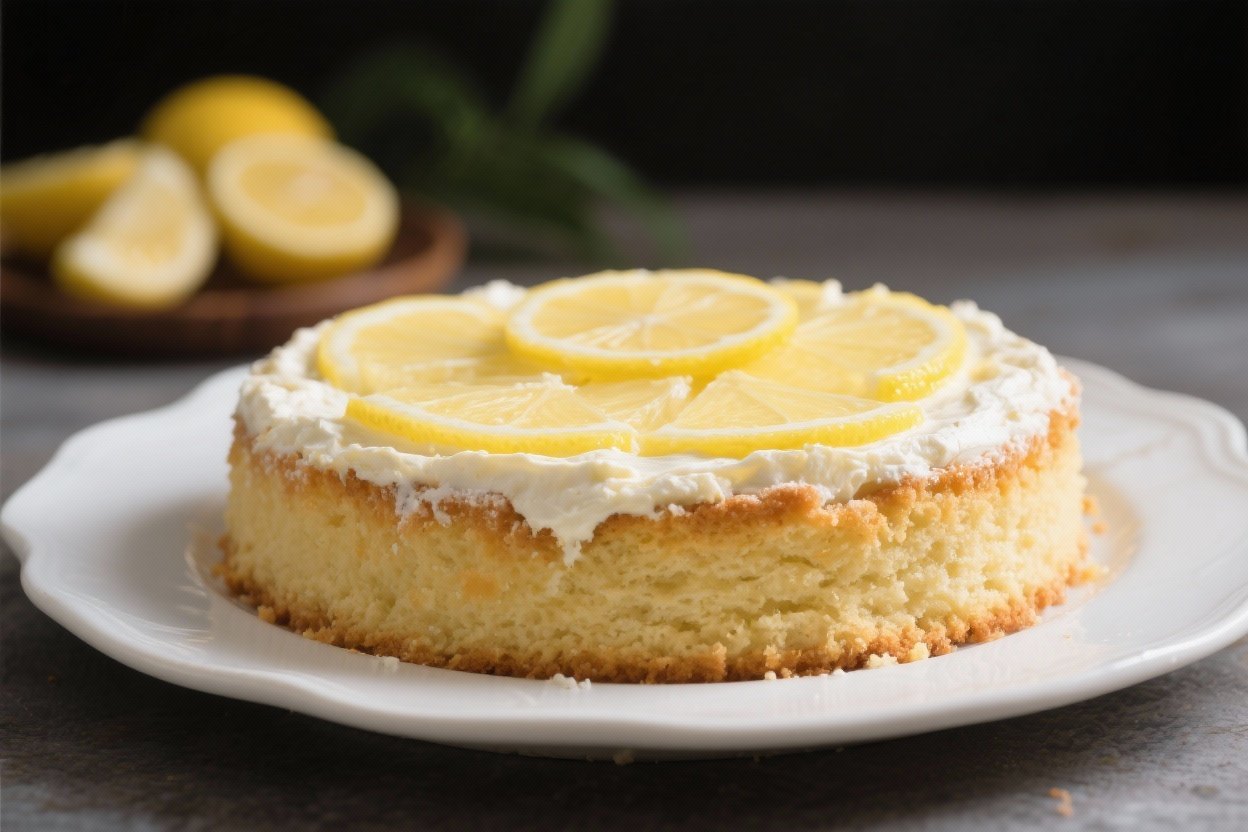
This Healthy Lemon Ricotta Cake Is So Tender, You’ll Think It’s Cheesecake (But Your Macros Will Smile)
You want a dessert that feels fancy, tastes bright, and doesn’t punch your goals in the face. This is that cake. It’s lush like cheesecake, zesty like lemonade, and light enough to grab a second slice without the guilt spiral.
FREE 7-Day Easy Dinner Reset
Get 7 healthy, family-friendly dinners complete with recipes and simple meal plans delivered straight to your inbox.
We’re using real ingredients, streamlined technique, and a smart balance of protein and fiber. If “weeknight cake” sounds unrealistic, prepare to recalibrate your standards.
Why This Recipe Works
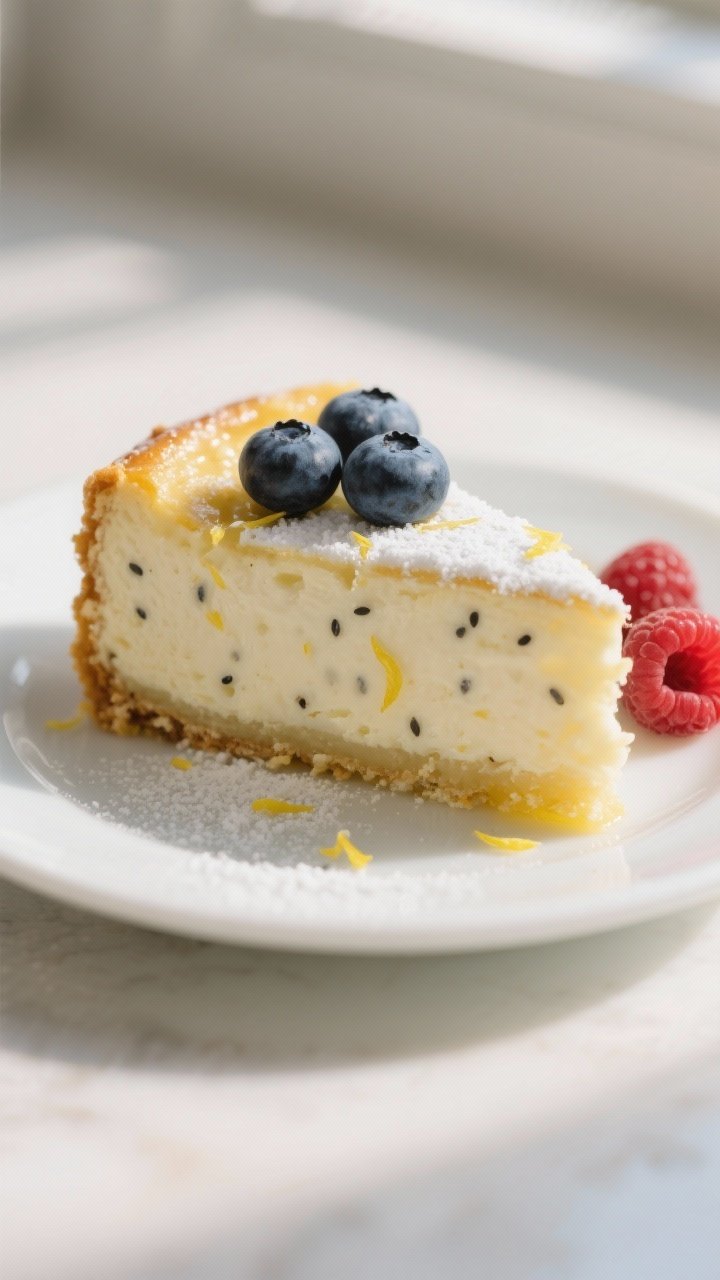
Ricotta brings creaminess without heavy cream, adding protein while keeping the crumb tender. Lemon juice and zest add big flavor with minimal calories, so the cake tastes brighter than it is sweet.
Almond flour and oat flour (or whole wheat pastry flour) deliver moisture, fiber, and structure with a delicate texture. A touch of olive oil keeps it soft, and a short bake prevents dryness. The result?
A not-too-sweet, bakery-level cake that plays nice with your nutrition goals.
Ingredients Breakdown
- Part-skim ricotta cheese (1 1/2 cups) – Adds moisture, light tang, and protein.
- Greek yogurt, 2% (1/2 cup) – Boosts protein and tenderness without heaviness.
- Extra-virgin olive oil (3 tablespoons) – Keeps crumb moist with heart-healthy fats.
- Eggs (3 large) – Bind and lift the batter.
- Pure maple syrup or honey (1/3–1/2 cup) – Natural sweetness; adjust to taste.
- Vanilla extract (2 teaspoons) – Rounds out citrus notes.
- Lemon zest (2 tablespoons) – Major flavor driver; don’t skip.
- Fresh lemon juice (3 tablespoons) – Bright acidity; balances sweetness.
- Almond flour (1 cup, finely ground) – Rich, tender texture and extra protein.
- Oat flour or whole wheat pastry flour (3/4 cup) – Light, wholesome structure.
- Baking powder (1 1/2 teaspoons) – Lift and fluff.
- Fine sea salt (1/2 teaspoon) – Makes flavors pop.
- Optional: poppy seeds (1 tablespoon) – Classic lemon-poppy vibe and slight crunch.
- Optional topping: fresh berries and a dusting of powdered sugar or monk fruit – Pretty and refreshing.
How to Make It – Instructions
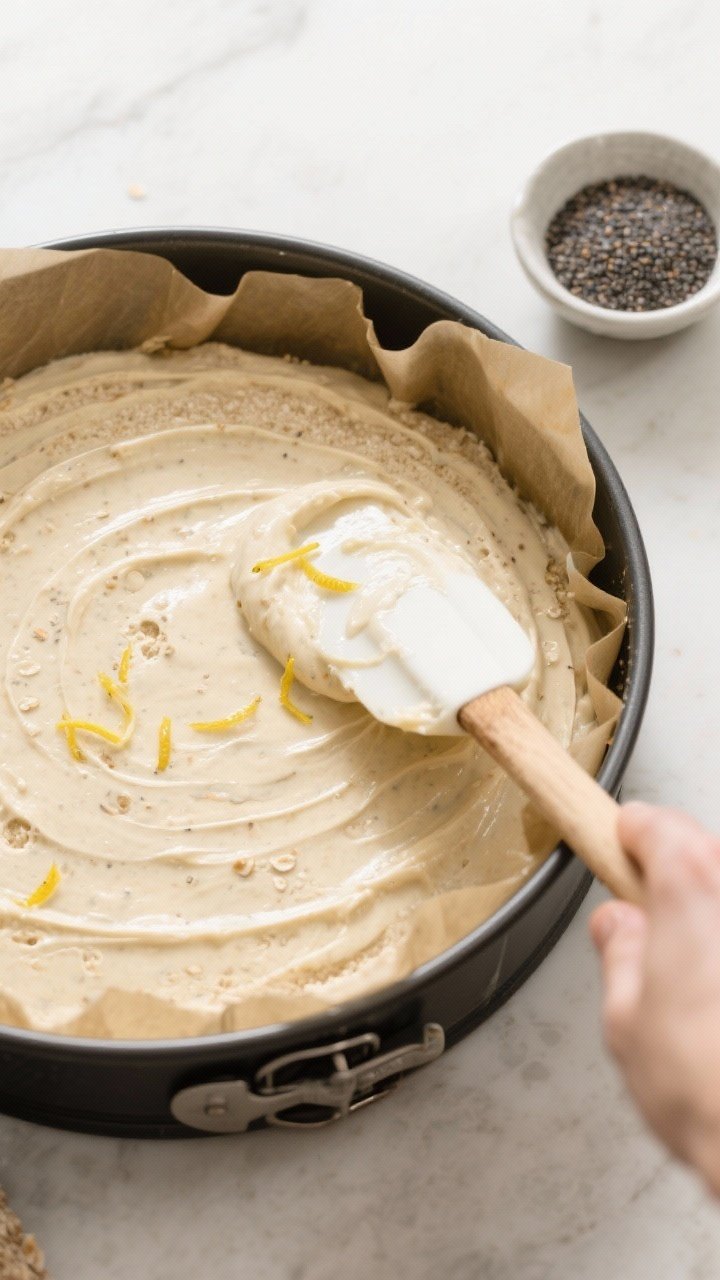
- Prep the stage: Heat oven to 350°F (175°C). Line a 9-inch springform pan or cake pan with parchment and lightly oil the sides.
- Whisk the wets: In a large bowl, whisk ricotta, Greek yogurt, olive oil, eggs, maple syrup, vanilla, lemon zest, and lemon juice until smooth and creamy.
- Combine the dries: In another bowl, whisk almond flour, oat flour, baking powder, salt, and poppy seeds if using.
- Marry the two: Fold dry ingredients into wet with a spatula until just combined. The batter will be thick but spreadable.
Don’t overmix—this isn’t arm day.
- Pan and smooth: Spread batter into pan, smoothing the top. Tap the pan once on the counter to release air bubbles.
- Bake: Bake 32–40 minutes, until the edges are golden and a toothpick comes out with a few moist crumbs (not wet batter). If browning too fast, tent loosely with foil.
- Cool like you mean it: Let it cool in the pan 10 minutes, then transfer to a rack.
Cool fully before slicing for best texture.
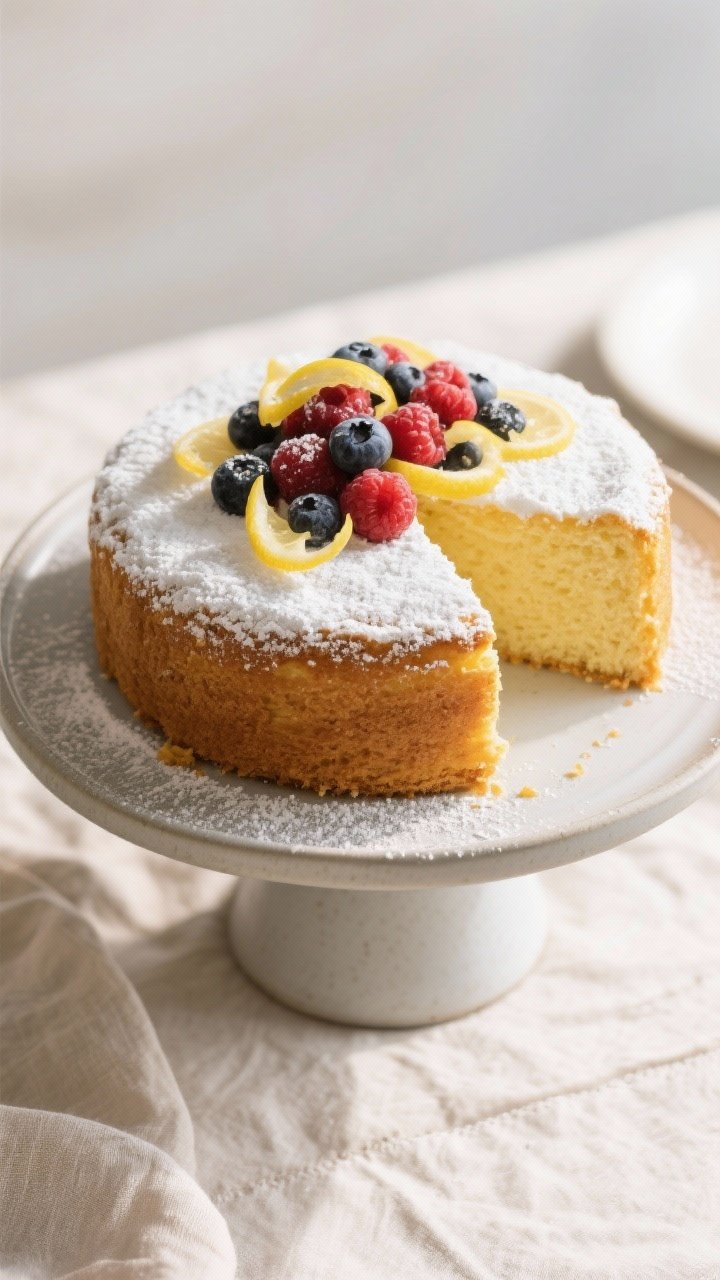
- Finish: Dust lightly with powdered sugar or monk fruit and top with berries, if you’re feeling extra.
Keeping It Fresh
Store the cake covered at room temperature for 1 day or in the fridge for 4–5 days. The flavor actually deepens by day two—win. For longer storage, wrap slices and freeze up to 2 months.
Thaw overnight in the fridge or reheat gently in a 300°F oven for 8–10 minutes to revive the crumb.
Health Benefits
- Protein-forward: Ricotta and Greek yogurt add steady protein to keep you fuller, longer.
- Better fats: Olive oil and almond flour bring heart-healthy fats that support satiety and flavor.
- Lower sugar: Natural sweeteners and lemon’s brightness let you use less sugar without sacrificing taste.
- Fiber assist: Oat flour or whole wheat pastry flour provides fiber for digestion and blood sugar control.
- Micronutrients: Lemon offers vitamin C; almonds add vitamin E and magnesium. Small things, big impact.
Pitfalls to Watch Out For
- Overbaking: The line between moist and dry is thin. Start checking at 30 minutes.
Moist crumbs = done.
- Skipping the zest: Lemon juice alone won’t cut it. Zest carries essential oils—aka flavor bombs.
- Wrong ricotta texture: Super watery ricotta can make the cake dense. If it looks loose, drain it for 15–20 minutes.
- Heavy-hand mixing: Overmixing toughens the crumb.
Fold until just combined, then stop—seriously.
- Pan problems: No parchment = stuck cake. Don’t test gravity on your bake day.
Different Ways to Make This
- Gluten-free: Swap the oat or pastry flour for certified gluten-free oat flour or a 1:1 gluten-free baking blend.
- Lower sugar: Use a 1:1 granular monk fruit or allulose for most of the sweetness; keep 1–2 tablespoons maple for flavor.
- Citrus remix: Try Meyer lemon, or go half lemon/half orange for a creamsicle twist.
- Blueberry burst: Fold 3/4 cup fresh blueberries into the batter. Toss in a teaspoon of flour first to minimize sinking.
- Protein boost: Whisk in 2 tablespoons unflavored or vanilla whey isolate, and add 1–2 tablespoons extra liquid to balance.
- Nut-free: Replace almond flour with more oat flour; add 1 tablespoon olive oil to maintain moisture.
Never Wonder What's For Dinner Again
Get 7 healthy, family-friendly dinners complete with recipes, grocery lists, and simple meal plans delivered straight to your inbox.
Can I make this without a springform pan?
Yes.
Use a well-lined and greased 9-inch round or square cake pan. Parchment on the bottom is non-negotiable for clean release.
How do I know it’s done if the toothpick test is confusing?
Look for lightly golden edges and a center that’s set but still soft. A toothpick with a few moist crumbs (not shiny batter) is your green light.
The cake will firm as it cools.
Is this cake suitable for diabetics?
It’s lower in sugar than typical cakes and has protein and fiber, but everyone’s needs vary. Consider using a zero-calorie sweetener and pair it with protein. Always check with your healthcare provider.
Can I use cottage cheese instead of ricotta?
Yes, but blend it first for a smooth texture.
Cottage cheese is saltier; taste and adjust sweetness if needed.
What’s the best way to get maximum lemon flavor?
Use fresh zest (not bottled), and rub it with the sweetener for 30 seconds to release oils. A tiny pinch of citric acid can also boost brightness, FYI.
Can I make it dairy-free?
Use a thick dairy-free yogurt and a smooth dairy-free ricotta (almond or cashew based). Texture will be slightly different but still delicious.
My Take
This Healthy Lemon Ricotta Cake punches way above its weight class.
It’s elegant enough for dinner guests yet easy enough for a Tuesday. The lemon keeps it vibrant, the ricotta keeps it plush, and your goals stay intact—IMO, that’s the dessert trifecta. Bake it once, and you’ll start inventing excuses to zest more lemons.
Printable Recipe Card
Want just the essential recipe details without scrolling through the article? Get our printable recipe card with just the ingredients and instructions.
Loved This Recipe?
If you're looking for more simple, healthy dinners your family will actually eat, grab my FREE 7-Day Easy Dinner Reset. You'll get 7 easy dinner recipes, simple grocery lists, and a done-for-you plan that takes the stress out of mealtime.