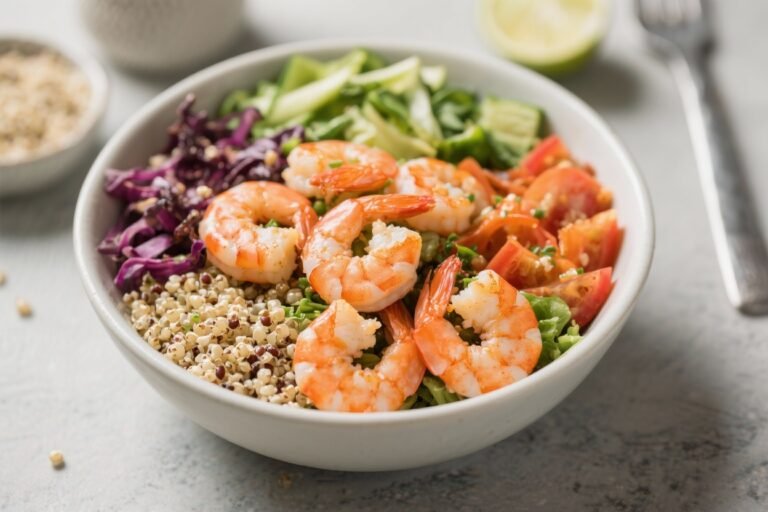
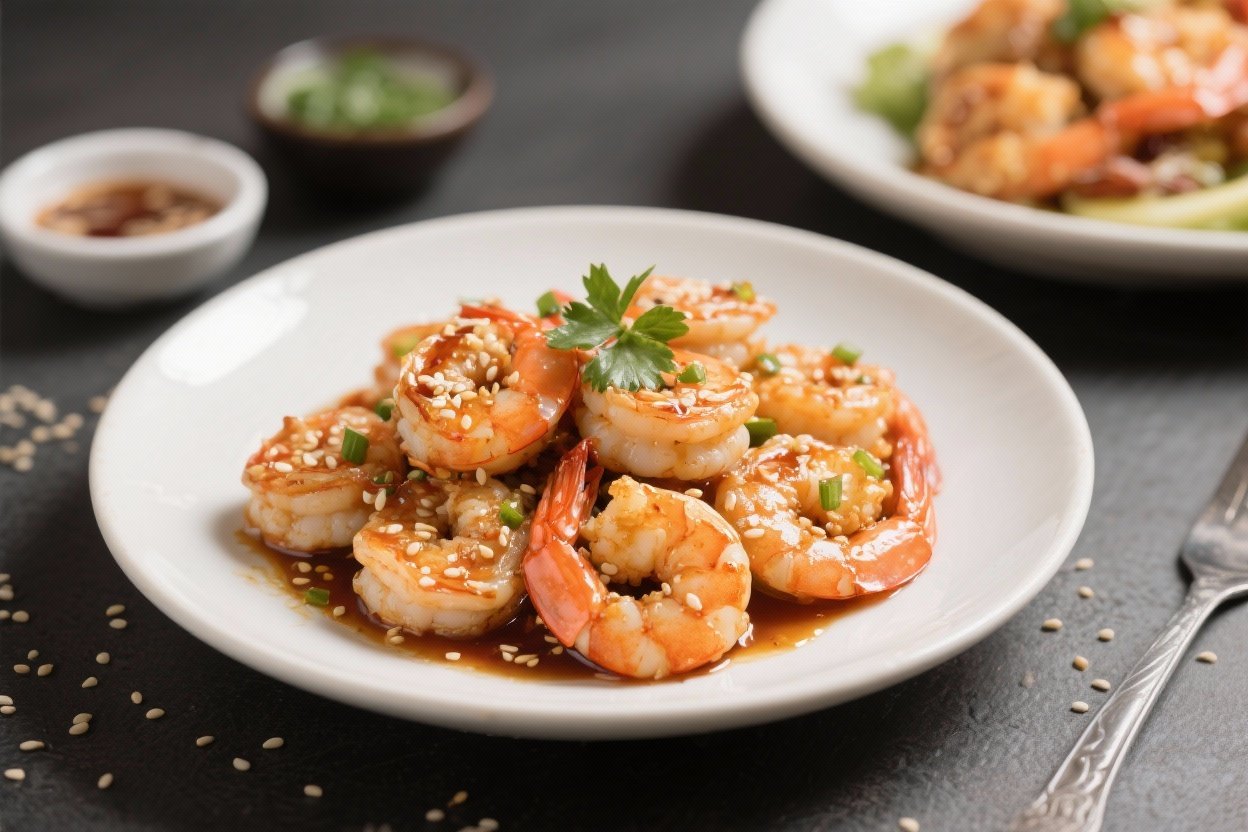
High Protein Sesame Ginger Shrimp Meals — Fast, Flavorful, and Satisfying
Shrimp dinners don’t need to be complicated to feel special. This sesame ginger version is quick, bright, and packs a serious protein punch. The sauce is savory with a hint of sweetness and a little heat, the shrimp cook in minutes, and everything lands on the table in under 30 minutes.
FREE 7-Day Easy Dinner Reset
Get 7 healthy, family-friendly dinners complete with recipes and simple meal plans delivered straight to your inbox.
It’s weeknight-friendly, gym-goal-friendly, and crowd-pleaser friendly. If you’re looking for a meal that feels light but keeps you full, this checks all the boxes.
Ingredients
Method
- Pat the shrimp dry. Moisture is the enemy of a good sear. Lay shrimp on paper towels and pat them dry. Season lightly with salt and pepper.
- Mix the sauce. In a bowl, whisk soy sauce, rice vinegar, honey, ginger, garlic, sriracha (if using), cornstarch, and water. Set aside. The cornstarch will help the sauce thicken and coat the shrimp.
- Prep your veggies. Cut broccoli into bite-size florets and slice the bell pepper. Keep green onions and sesame seeds ready for finishing.
- Cook the vegetables. Heat a large skillet or wok over medium-high. Add 1 tablespoon sesame oil. Stir-fry broccoli and bell pepper with a pinch of salt for 3–4 minutes until crisp-tender. Transfer to a plate.
- Sear the shrimp. Add the remaining 1 tablespoon sesame oil to the hot pan. Add shrimp in a single layer. Cook 1–2 minutes per side until just opaque and pink. Avoid overcooking.
- Add the sauce. Reduce heat to medium. Pour in the sauce and toss with shrimp. It will thicken in 30–60 seconds. If too thick, splash in a tablespoon of water.
- Combine and finish. Return veggies to the pan. Toss to coat. Sprinkle in sesame seeds and half the green onions.
- Taste and adjust. Add a touch more soy for salt, honey for sweetness, or vinegar for brightness. Balance is key.
- Serve. Spoon over rice, quinoa, or cauliflower rice. Top with remaining green onions, extra sesame seeds, and a squeeze of lime. Add cilantro if you like.
What Makes This Special

This recipe balances bold flavor and nutrition without a long ingredient list or complicated technique. Shrimp bring lean protein, while sesame and ginger add depth and warmth.
The sauce clings beautifully to the shrimp and veggies, delivering big flavor without heavy calories.
- High protein, low effort: Shrimp cook fast and deliver about 20–24 grams of protein per 3 ounces.
- Meal prep friendly: The sauce holds up well, and shrimp reheat quickly with minimal texture loss if done right.
- Flexible base: Serve over rice, quinoa, cauliflower rice, or greens. It works hot or room temp.
- Clean, bright flavors: Fresh ginger and garlic keep it lively without overpowering.
What You’ll Need
- 1.5 pounds raw shrimp, peeled and deveined (medium or large)
- 2 tablespoons toasted sesame oil
- 3 tablespoons low-sodium soy sauce or tamari
- 1 tablespoon rice vinegar
- 1–2 tablespoons honey or maple syrup (to taste)
- 1 tablespoon fresh ginger, finely grated
- 3 cloves garlic, minced
- 1–2 teaspoons sriracha or chili-garlic sauce (optional for heat)
- 1 tablespoon cornstarch (for sauce thickening)
- 1/3 cup water
- 2 cups broccoli florets (or green beans/snap peas)
- 1 red bell pepper, sliced
- 2 green onions, thinly sliced
- 1 tablespoon sesame seeds (white or black), plus more for garnish
- Cooked rice, quinoa, or cauliflower rice for serving
- Optional: lime wedges and fresh cilantro for garnish
- Pinch of salt and black pepper
Step-by-Step Instructions

- Pat the shrimp dry. Moisture is the enemy of a good sear. Lay shrimp on paper towels and pat them dry.
Season lightly with salt and pepper.
- Mix the sauce. In a bowl, whisk soy sauce, rice vinegar, honey, ginger, garlic, sriracha (if using), cornstarch, and water. Set aside. The cornstarch will help the sauce thicken and coat the shrimp.
- Prep your veggies. Cut broccoli into bite-size florets and slice the bell pepper.
Keep green onions and sesame seeds ready for finishing.
- Cook the vegetables. Heat a large skillet or wok over medium-high. Add 1 tablespoon sesame oil. Stir-fry broccoli and bell pepper with a pinch of salt for 3–4 minutes until crisp-tender.
Transfer to a plate.
- Sear the shrimp. Add the remaining 1 tablespoon sesame oil to the hot pan. Add shrimp in a single layer. Cook 1–2 minutes per side until just opaque and pink.
Avoid overcooking.
- Add the sauce. Reduce heat to medium. Pour in the sauce and toss with shrimp. It will thicken in 30–60 seconds.
If too thick, splash in a tablespoon of water.
- Combine and finish. Return veggies to the pan. Toss to coat. Sprinkle in sesame seeds and half the green onions.
- Taste and adjust. Add a touch more soy for salt, honey for sweetness, or vinegar for brightness.
Balance is key.
- Serve. Spoon over rice, quinoa, or cauliflower rice. Top with remaining green onions, extra sesame seeds, and a squeeze of lime. Add cilantro if you like.
Keeping It Fresh
- Storage: Cool completely, then store in airtight containers for up to 3 days in the fridge.
Keep grains separate if you can to avoid sogginess.
- Reheating: Warm gently on the stove over low heat with a splash of water, stirring just until heated through. In the microwave, heat in short bursts (30–45 seconds), stirring in between. Overheating makes shrimp rubbery.
- Freezing: Not ideal for cooked shrimp—they can get tough.
If you must, freeze the sauce and veggies, then add freshly cooked shrimp when serving.
- Meal prep tip: Make a double batch of the sauce and refrigerate for up to 1 week. It speeds up future meals.
Health Benefits
- High protein, low fat: Shrimp offer lean protein to support muscle repair and satiety with relatively few calories.
- Anti-inflammatory ingredients: Ginger contains compounds like gingerol that may help reduce inflammation.
- Sesame perks: Sesame seeds provide healthy fats, a bit of protein, and minerals like calcium and iron.
- Vegetable fiber: Broccoli and peppers add fiber, vitamin C, and antioxidants, supporting gut and immune health.
- Balanced macros: Pairing shrimp with a complex carb like quinoa or brown rice helps steady energy and recovery.
What Not to Do
- Don’t overcrowd the pan. Shrimp will steam instead of sear. Cook in batches if needed.
- Don’t overcook. Two minutes per side is usually enough.
Pull them as soon as they turn pink and opaque.
- Don’t skip drying the shrimp. Excess moisture dilutes flavor and prevents browning.
- Don’t over-thicken the sauce. A gluey sauce isn’t pleasant. Add water a tablespoon at a time to loosen.
- Don’t rely on high heat the whole time. Sear hot, then lower heat when adding the sauce to avoid scorching.
Alternatives
- Protein swaps: Use cubed tofu, chicken breast strips, or thinly sliced sirloin. Adjust cook times accordingly.
- Gluten-free: Swap soy sauce for tamari or coconut aminos.
Check your sriracha label.
- Low-carb: Serve over cauliflower rice or zucchini noodles. Use less honey and add more ginger for brightness.
- Vegetable variations: Try snap peas, bok choy, mushrooms, or shredded carrots. Keep cooking times short to retain crunch.
- Citrus twist: Add zest from half a lime or orange to the sauce for a fresher, brighter note.
- Nutty boost: Stir in 1 tablespoon tahini with the sauce for a creamier finish, or garnish with chopped cashews.
FAQ
Never Wonder What's For Dinner Again
Get 7 healthy, family-friendly dinners complete with recipes, grocery lists, and simple meal plans delivered straight to your inbox.
Can I use frozen shrimp?
Yes.
Thaw in the fridge overnight or place in a colander and run under cold water for 5–7 minutes. Pat very dry before cooking to get a good sear.
How spicy is this recipe?
It’s mild as written. Add more sriracha or a pinch of red pepper flakes for extra heat, or leave it out entirely for no spice.
What’s the best pan to use?
A large nonstick skillet or a well-seasoned wok works best.
Stainless steel also works if you preheat well and use enough oil to prevent sticking.
Can I make the sauce ahead?
Absolutely. Mix it up to 1 week ahead and store in a sealed jar in the fridge. Shake well before using as the cornstarch may settle.
How do I keep the shrimp tender?
Cook quickly over medium-high heat and pull them as soon as they’re opaque.
Avoid reheating repeatedly; warm gently once and serve.
Is there a way to increase the protein even more?
Serve with quinoa, add edamame, or toss in a scrambled egg at the end for a boost without changing the flavor much.
What if I don’t have fresh ginger?
Use 1/2 teaspoon ground ginger in a pinch, but fresh gives a brighter, cleaner taste. Ginger paste from a tube also works well.
Can I reduce the sodium?
Use low-sodium soy sauce, skip added salt, and add a squeeze of lime to enhance flavor without extra sodium.
In Conclusion
High Protein Sesame Ginger Shrimp Meals are fast, flexible, and built for real life. You get bold flavor, satisfying protein, and a short ingredient list that pulls heavy weight.
With a few simple techniques—dry shrimp, hot sear, quick sauce—you’ll have a go-to recipe that works for busy nights and meal prep alike. Keep the basics on hand and you’ll never be far from a fresh, nourishing dinner that tastes like takeout, only better.
Printable Recipe Card
Want just the essential recipe details without scrolling through the article? Get our printable recipe card with just the ingredients and instructions.
Loved This Recipe?
If you're looking for more simple, healthy dinners your family will actually eat, grab my FREE 7-Day Easy Dinner Reset. You'll get 7 easy dinner recipes, simple grocery lists, and a done-for-you plan that takes the stress out of mealtime.