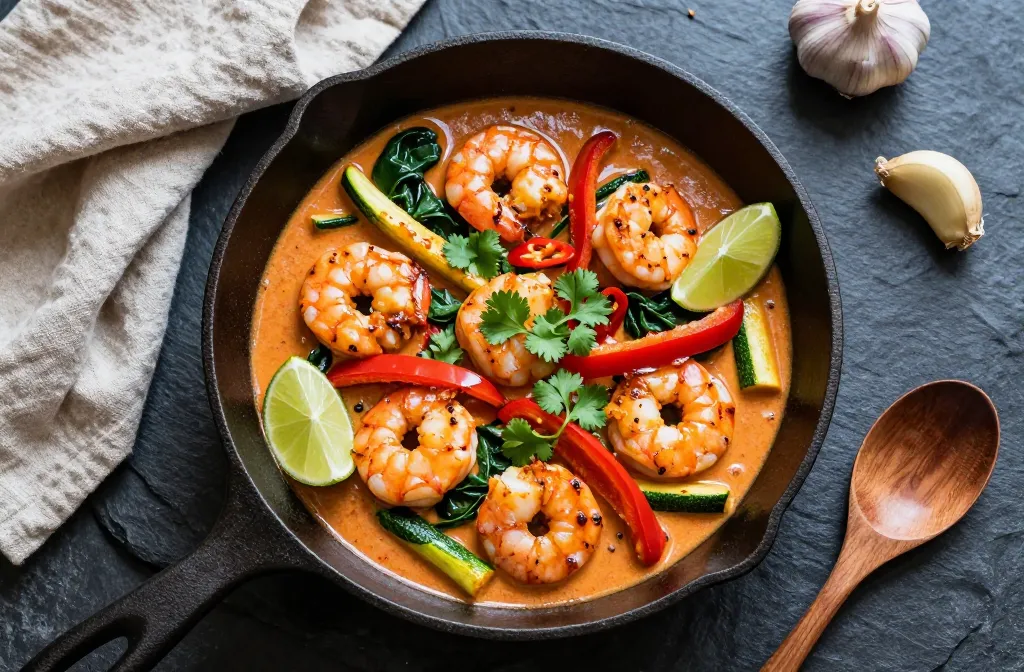
Coconut Curry Keto Shrimp One Pan Weeknight Wonder
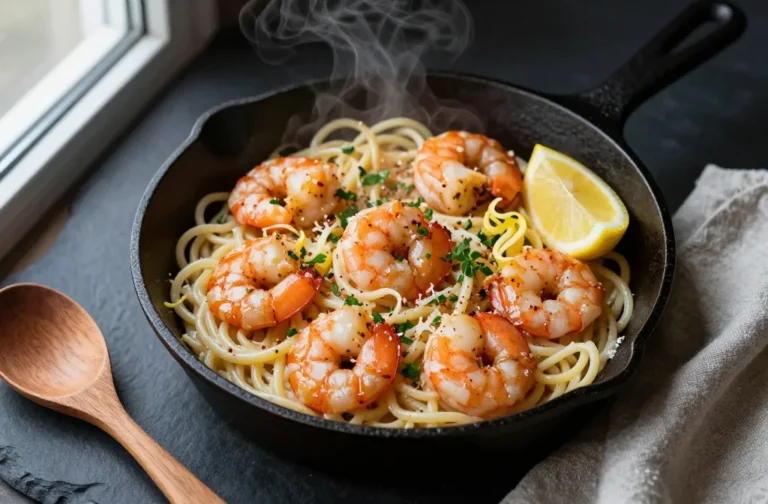
You want dinner that tastes like a beach vacation but still fits your macros? Enter coconut curry keto shrimp: creamy, spicy, ready in one pan, and fast enough for a Tuesday. It hits that sweet spot of “wow, flavor” and “hey, my jeans still fit.” Skip the takeout, flex your skillet, and let’s make something you’ll want on repeat.
Why Coconut Curry Shrimp Belongs in Your Keto Lineup
Shrimp cooks in minutes, so you get instant gratification. Coconut milk brings that lush, silky sauce without kicking you out of ketosis. And curry paste? It’s flavor in a spoonful—zero extra effort. Mix all three and boom: a low-carb bowl that feels like a splurge.
Overeating is a pattern. This helps you fix that problem. A quick reset for cravings, snacking, and “I’ll start tomorrow” moments.
Built for busy home cooks who want real-life structure. Simple steps that fit meal prep, family dinners, and late-night snack attacks.
The Game Plan: Ingredients That Work Hard
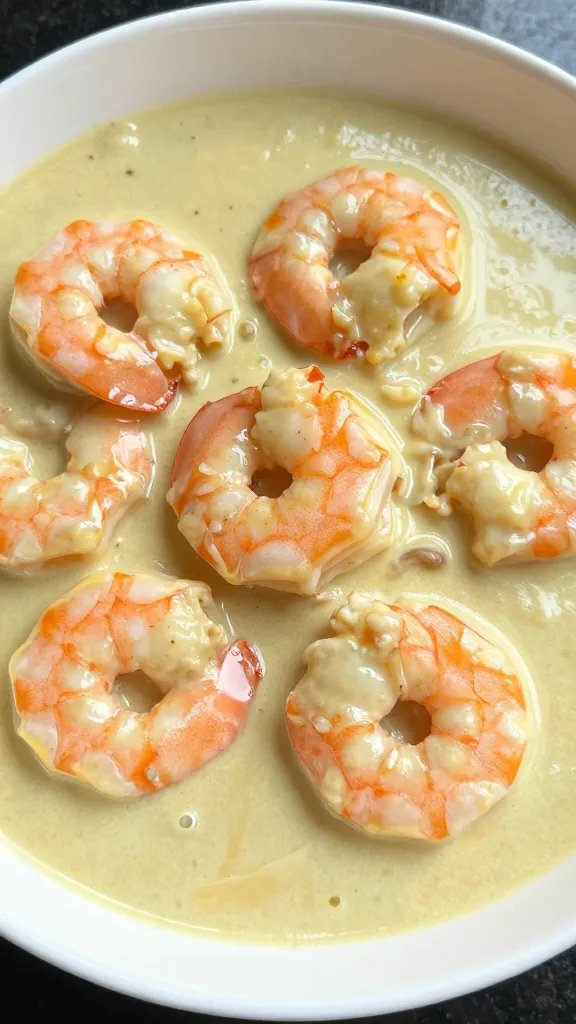
Here’s the essentials list for a solid keto coconut curry shrimp. Tweak the heat, swap some veggies, and you’re golden.
- Shrimp: 1.5 lbs (peeled, deveined)—medium or large. Sweet, juicy protein rockets the satiety.
- Coconut milk: 1 (13.5 oz) can, full-fat. We’re not here for watery sauces.
- Red curry paste: 2–3 tablespoons. Adjust to taste. Thai red curry paste plays nicest with shrimp.
- Aromatics: 3 cloves garlic (minced), 1 tablespoon fresh ginger (grated), 1 small shallot (sliced).
- Veggies (keto-friendly): 1 small red bell pepper (thinly sliced), 1 small zucchini (matchsticks), handful baby spinach.
- Fat for sautéing: 1–2 tablespoons avocado oil or coconut oil.
- Acidity: Juice of 1/2 lime.
- Salt + pepper: To taste.
- Optional boosters: 1 teaspoon fish sauce, 1 teaspoon granulated sweetener (to balance heat), red pepper flakes for extra kick, fresh cilantro and basil for garnish.
What Makes It “Keto”?
– Full-fat coconut milk delivers richness without a carb bomb.
– Non-starchy veggies keep carbs in check.
– No added sugar, and we skip rice. Serve with cauliflower rice or just a spoon. IMO, the sauce is the real star.
Step-by-Step: Fast, Saucy, and Weeknight-Friendly
You’ll go pan-to-plate in under 25 minutes. Yes, seriously.
- Prep the shrimp: Pat them dry and season with salt and pepper. Dry shrimp sear better—FYI, moisture = meh browning.
- Sauté aromatics: Heat oil in a large skillet over medium heat. Add shallot, garlic, and ginger. Cook 1–2 minutes until fragrant. Don’t burn the garlic—burned garlic is drama we don’t need.
- Bloom the curry paste: Stir in red curry paste and cook 30–45 seconds. This unlocks deeper flavor.
- Add coconut milk: Pour in the can, whisk to combine, and simmer 3–4 minutes until slightly thickened.
- Veggies in: Add bell pepper and zucchini. Simmer 2–3 minutes until just tender.
- Shrimp time: Add shrimp in a single layer. Simmer 2–3 minutes per side until pink and opaque. Don’t overcook—they turn rubbery faster than you can say “takeout.”
- Finish: Stir in spinach to wilt, squeeze in lime, add fish sauce if using, then taste and adjust salt/heat. Garnish with cilantro/basil. Serve hot.
Want It Creamier?
– Simmer 2 extra minutes or whisk in 1 tablespoon unsweetened almond butter. Sounds weird, tastes amazing, thickens like a pro.
Flavor Tweaks You’ll Actually Use
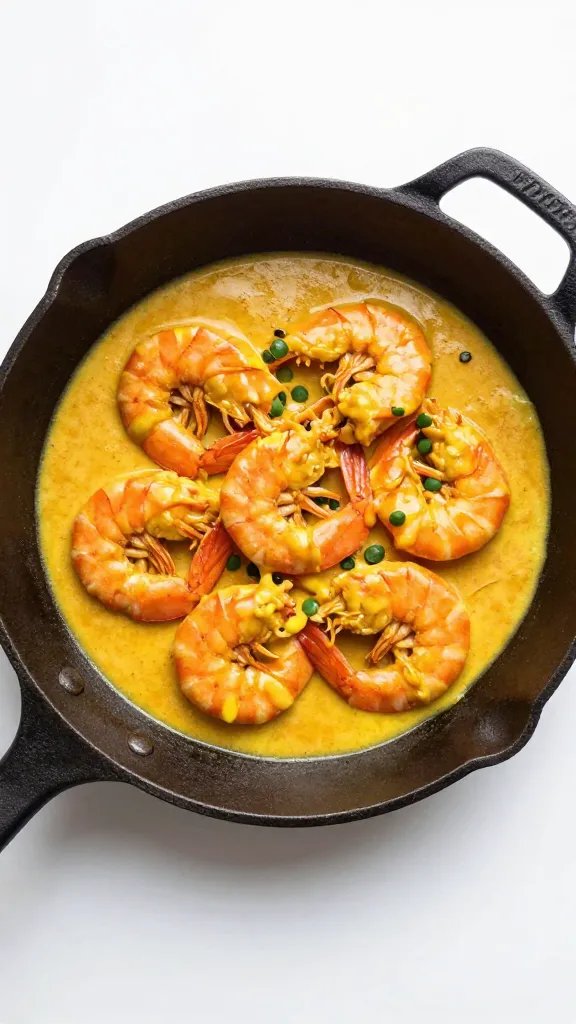
Because recipes should bend to your cravings, not the other way around.
- Spice level: Add more curry paste or red pepper flakes. Or mellow heat with an extra splash of coconut milk.
- Swap the paste: Green curry = herbier, slightly sharper. Yellow curry = milder, cozy vibes.
- Veggie swaps: Try snow peas, bok choy, or mushrooms. Keep it low-carb and you’re good.
- Protein twist: Use scallops or chunks of salmon. Adjust cook times—seafood likes gentle handling.
- Garnish game: Toasted coconut flakes or chopped peanuts (if you do peanuts) add crunch with minimal carbs.
How to Serve (Without Missing Rice)
Let’s be real: you want a sauce sponge. Keto has options.
- Cauliflower rice: Sauté in butter or coconut oil with salt and lime zest. It drinks the sauce like a champ.
- Shirataki rice/noodles: Rinse thoroughly, pan-dry, then toss with a touch of sesame oil.
- Zucchini noodles: Flash-sauté 60–90 seconds so they don’t weep into a puddle.
- Just a bowl: Honestly? Ladle and go. The sauce holds its own.
Meal Prep Tips
– Cook the sauce and veggies ahead.
– Add shrimp fresh when reheating (2–3 minutes) so they don’t overcook.
– Store sauce separately from zoodles/cauli rice to avoid sogginess.
Smart Shopping: Picking the Right Coconut Milk and Shrimp
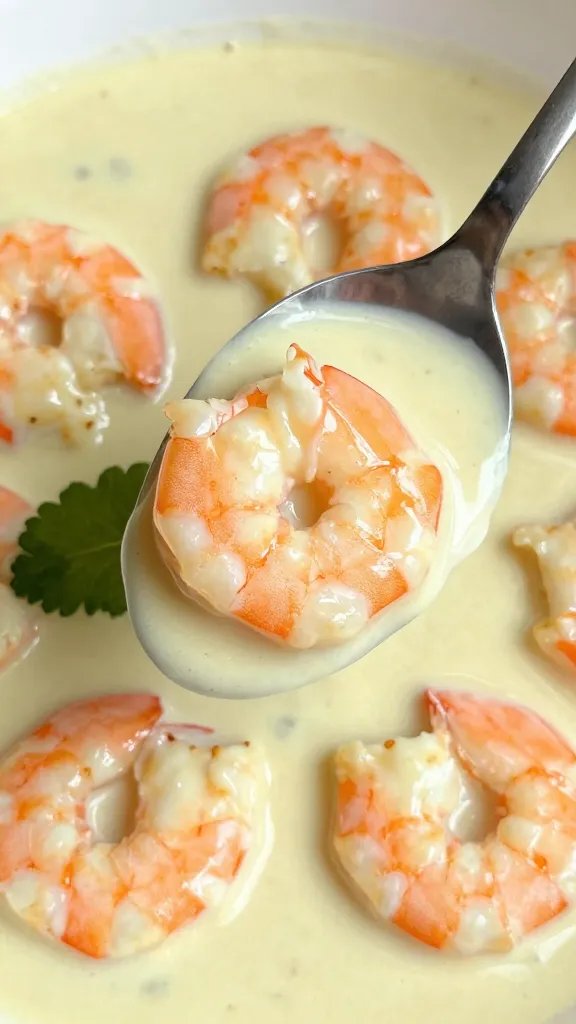
– Coconut milk: Choose full-fat, unsweetened. Look for labels with coconut + water + maybe guar gum. Skip “lite.”
– Shrimp: Wild-caught if possible. Frozen is fine—thaw in the fridge overnight or under cold running water for 15 minutes.
– Curry paste: Check labels for sugar or starch fillers. Many Thai brands keep it clean.
Estimated Nutrition (Per Serving)
Serving size: 1/4 of the recipe (about 1 generous bowl with sauce and veggies; no cauliflower rice included).
Recipe quantities used for calculations:
– 1.5 lbs raw shrimp (24 oz)
– 1 can (13.5 oz) full-fat coconut milk
– 2.5 tbsp red curry paste
– 1 tbsp avocado oil
– 3 cloves garlic, 1 tbsp fresh ginger, 1 small shallot
– 1 small red bell pepper, 1 small zucchini, 1 cup baby spinach
– Lime juice, fish sauce (1 tsp), salt, pepper, herbs
Per serving (approximate):
– Calories: 435
– Total Fat: 28 g
– Total Carbohydrates: 10 g
– Dietary Fiber: 2 g
– Net Carbs: 8 g
– Protein: 37 g
Notes on calculation (FYI):
– Shrimp (~24 oz raw total): ~720 kcal, 144 g protein, 8 g fat → per serving ~180 kcal, 36 g protein, 2 g fat.
– Coconut milk (13.5 oz can): ~600 kcal, 60 g fat, 12 g carbs, 6 g protein → per serving ~150 kcal, 15 g fat, 3 g carbs.
– Oil (1 tbsp): 120 kcal, 14 g fat → per serving ~30 kcal, 3.5 g fat.
– Veg + aromatics combined add ~7 g carbs and ~2 g fiber per serving.
– Seasonings/juice minimal calories.
– Totals rounded for sanity. Values may vary by brand and exact amounts—IMO these estimates land in the right neighborhood.
Disclaimer: Nutrition values are estimates based on standard USDA data and common brand labels. Your numbers may vary with specific products, exact measurements, and cooking methods.
FAQ
Can I use light coconut milk?
You can, but the sauce loses body and flavor. Full-fat keeps carbs low and texture lush. If you must go lighter, simmer longer to thicken and maybe add 1 teaspoon almond butter to help it along.
What if I only have frozen cooked shrimp?
Add them at the very end and warm gently 1–2 minutes. They’re already cooked, so you just heat them through. Overdo it and they turn tough—no thanks.
How spicy is red curry paste?
Mild to medium, depending on brand. Start with 2 tablespoons, taste, then bump to 3 if you like heat. You control the burn—your kitchen, your rules.
Can I make it dairy-free and still keto?
Great news: it’s already dairy-free. Coconut milk brings all the creaminess without any dairy involved. Garnish with herbs and lime; skip any yogurt-y toppings.
How long does it keep?
Store in the fridge up to 3 days. Reheat gently over low heat. For best texture, cook shrimp fresh and store just the sauce/veg base, IMO the move if you’re meal-prepping.
What can I substitute for red curry paste?
Try green curry paste for a brighter, herb-forward vibe, or 1–2 tablespoons of curry powder plus a pinch of chili flakes. Different, but still delicious.
Final Thoughts
Coconut curry keto shrimp nails that rare combo of easy, fast, and legit crave-worthy. You get rich, spicy sauce, tender shrimp, and dinner in one pan without carb chaos. Make it once and it’ll sneak into your weekly rotation—don’t say I didn’t warn you.