Creamy Dijon Salmon & Asparagus – A Cozy, Weeknight Favorite
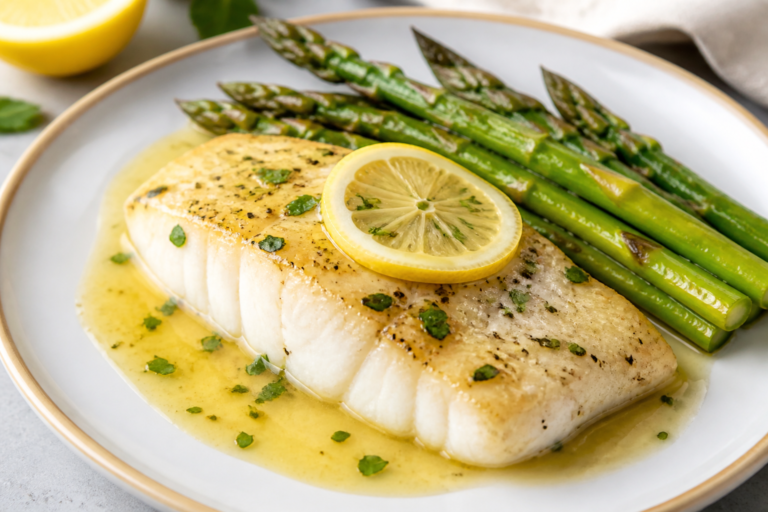
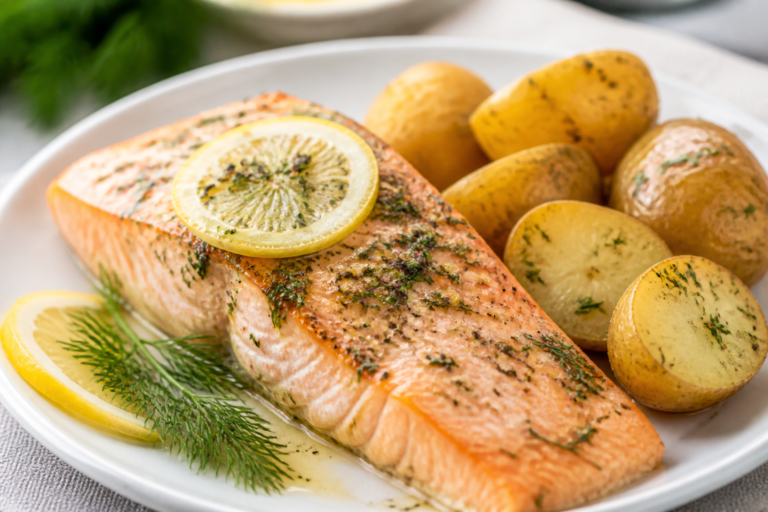
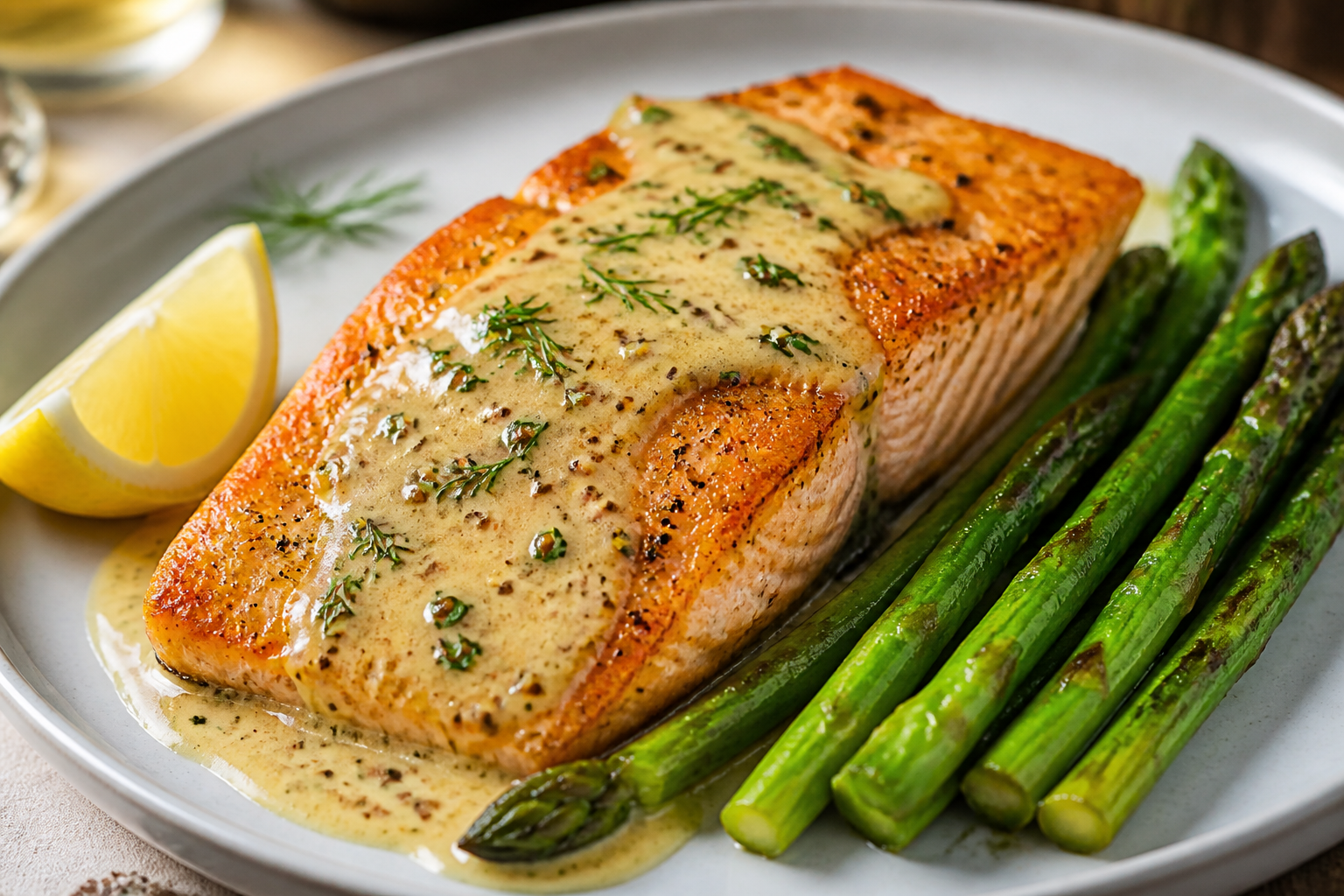
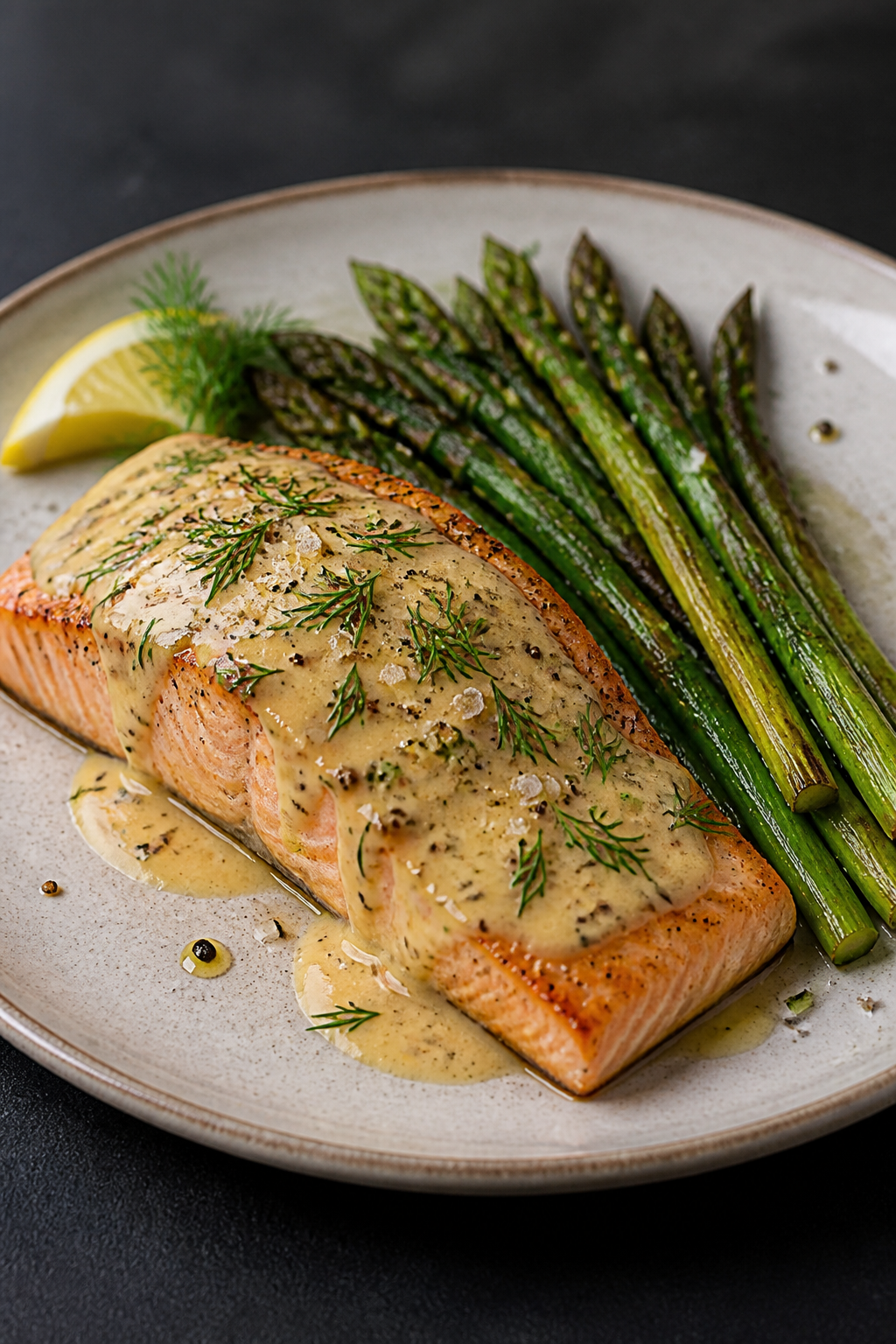
This is the kind of dinner that looks elegant but takes less time than deciding what to watch later. Creamy Dijon Salmon & Asparagus has that tangy, velvety sauce everyone loves, plus tender roasted asparagus for balance and color. It’s weeknight-friendly, date-night worthy, and comforting without feeling heavy.
FREE 7-Day Easy Dinner Reset
Get 7 healthy, family-friendly dinners complete with recipes and simple meal plans delivered straight to your inbox.
You’ll get crisp-edged salmon, bright lemon, fresh herbs, and a sauce that clings just right. Make it once, and it’ll slip into your regular rotation.
Ingredients
Method
- Prep and preheat. Heat your oven to 425°F (220°C). Pat the salmon dry with paper towels and season both sides with salt and pepper. Snap or trim the woody ends from the asparagus.
- Roast the asparagus. On a large sheet pan, toss asparagus with 1–2 tablespoons olive oil, salt, and pepper. Spread in a single layer and roast for 10–12 minutes until just tender with a little char on the tips.
- Sear the salmon. While the asparagus roasts, heat 1 tablespoon olive oil in a large skillet over medium-high. Add salmon, presentation side down. Cook 3–4 minutes until golden. Flip and cook 2–3 minutes more. Transfer to a plate; it will finish gently in the sauce.
- Sauté aromatics. Lower heat to medium. Add butter to the same skillet. Stir in shallot with a pinch of salt and cook 2 minutes until softened. Add garlic and cook 30 seconds until fragrant.
- Deglaze. Pour in wine or broth, scraping up the browned bits. Simmer 1–2 minutes to reduce slightly.
- Build the sauce. Whisk in Dijon mustard, then stir in heavy cream. Simmer gently 2–3 minutes until lightly thickened. Season with salt, pepper, and a pinch of red pepper flakes if using.
- Add lemon and herbs. Stir in lemon zest and 1–2 teaspoons lemon juice. Taste and adjust salt, pepper, and acidity. Fold in half the dill or parsley.
- Finish the salmon. Nestle the salmon back into the skillet, spooning sauce over the top. Simmer on low 1–2 minutes until the salmon flakes easily and is opaque in the center (or reaches 125–130°F for medium).
- Serve. Plate salmon with roasted asparagus. Spoon extra sauce over everything and finish with remaining herbs and an extra squeeze of lemon if you like.
Why This Recipe Works
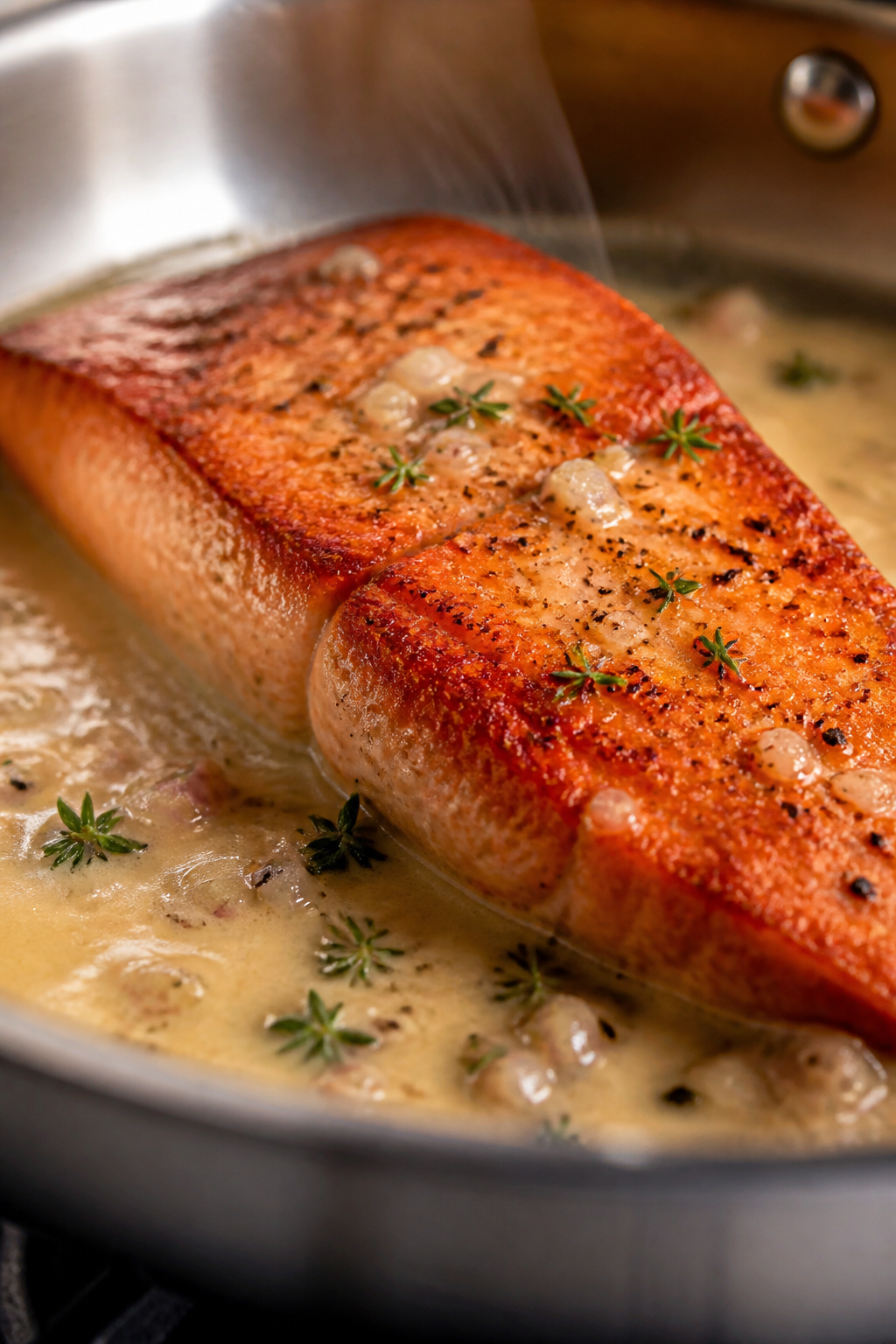
This dish leans on a few smart moves for big flavor with little effort. Searing the salmon first builds a golden crust and locks in moisture.
The Dijon adds gentle heat and sharpness, while cream rounds everything out for a silky finish. Roasting asparagus on the same pan keeps cleanup simple and timing stress-free. A squeeze of lemon and a handful of herbs wake up the richness so every bite tastes balanced.
What You’ll Need
- Salmon fillets (4 pieces, 5–6 oz each) – Skin-on or skinless, your choice.
- Asparagus (1 bunch) – Trim off the woody ends.
- Olive oil (2–3 tbsp) – For roasting and searing.
- Butter (1 tbsp) – Adds richness to the sauce.
- Shallot (1 small), finely minced – Sweet, gentle onion flavor.
- Garlic (2 cloves), minced – Fragrant base for the sauce.
- Dijon mustard (2 tbsp) – The star of the sauce.
- Dry white wine or low-sodium chicken/veg broth (1/3 cup) – For deglazing and depth.
- Heavy cream (1/2 cup) – Silky texture; you can use half-and-half in a pinch.
- Lemon (1) – Zest and juice brighten everything.
- Fresh dill or parsley (2–3 tbsp), chopped – Herbaceous finish.
- Salt and freshly ground black pepper – Season at every step.
- Optional: Red pepper flakes – A touch of heat.
Step-by-Step Instructions
- Prep and preheat. Heat your oven to 425°F (220°C).
Pat the salmon dry with paper towels and season both sides with salt and pepper. Snap or trim the woody ends from the asparagus.
- Roast the asparagus. On a large sheet pan, toss asparagus with 1–2 tablespoons olive oil, salt, and pepper. Spread in a single layer and roast for 10–12 minutes until just tender with a little char on the tips.
- Sear the salmon. While the asparagus roasts, heat 1 tablespoon olive oil in a large skillet over medium-high.
Add salmon, presentation side down. Cook 3–4 minutes until golden. Flip and cook 2–3 minutes more.
Transfer to a plate; it will finish gently in the sauce.
- Sauté aromatics. Lower heat to medium. Add butter to the same skillet. Stir in shallot with a pinch of salt and cook 2 minutes until softened.
Add garlic and cook 30 seconds until fragrant.
- Deglaze. Pour in wine or broth, scraping up the browned bits. Simmer 1–2 minutes to reduce slightly.
- Build the sauce. Whisk in Dijon mustard, then stir in heavy cream. Simmer gently 2–3 minutes until lightly thickened.
Season with salt, pepper, and a pinch of red pepper flakes if using.
- Add lemon and herbs. Stir in lemon zest and 1–2 teaspoons lemon juice. Taste and adjust salt, pepper, and acidity. Fold in half the dill or parsley.
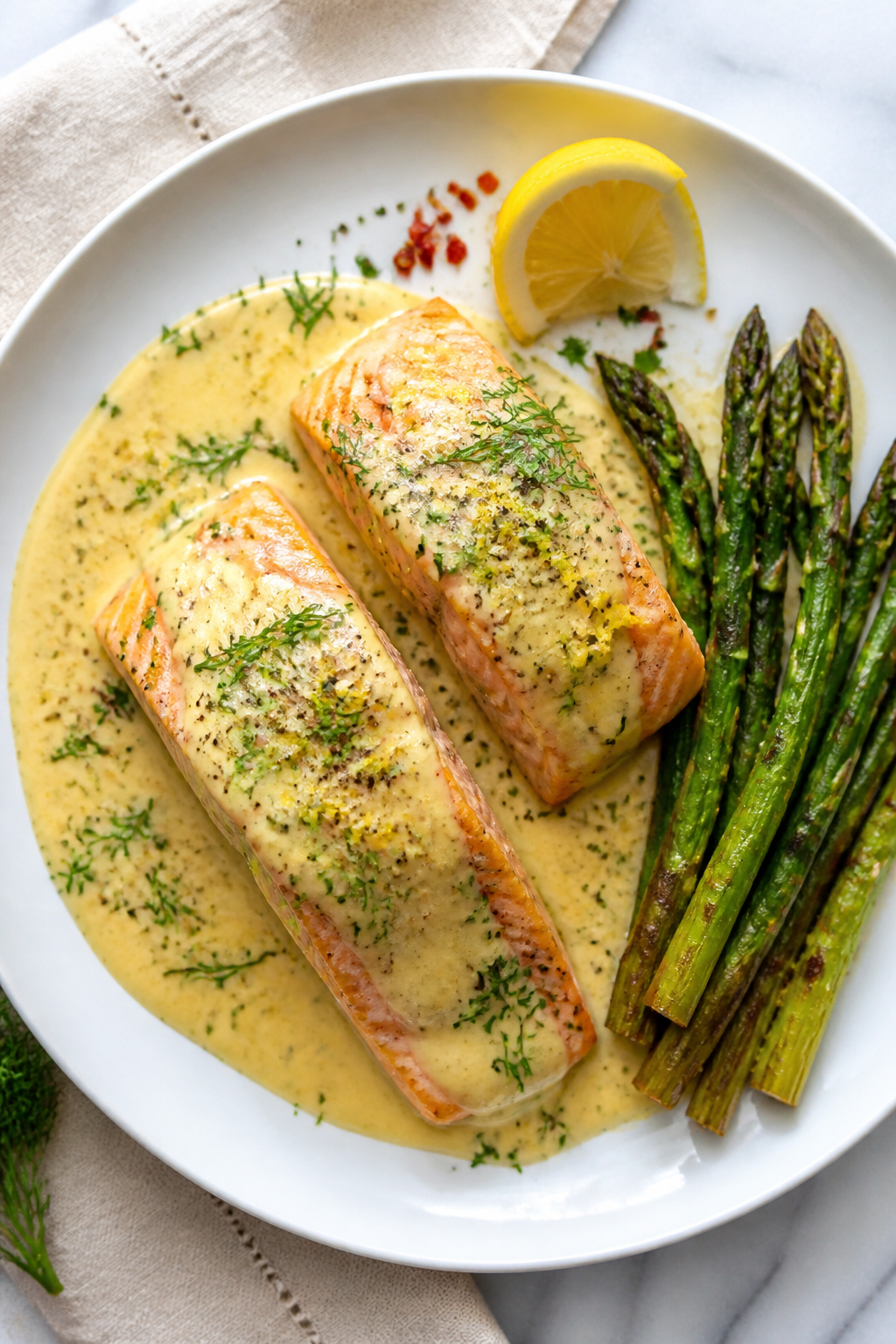
- Finish the salmon. Nestle the salmon back into the skillet, spooning sauce over the top.
Simmer on low 1–2 minutes until the salmon flakes easily and is opaque in the center (or reaches 125–130°F for medium).
- Serve. Plate salmon with roasted asparagus. Spoon extra sauce over everything and finish with remaining herbs and an extra squeeze of lemon if you like.
Keeping It Fresh
Leftovers keep well for up to 2 days in an airtight container. Cool the salmon and asparagus before storing, and keep the sauce separate if you can.
Reheat gently over low heat on the stove or in the microwave at 50% power, adding a splash of water or broth to loosen the sauce. Avoid boiling the sauce during reheating to prevent splitting.
Benefits of This Recipe
- Fast but special. From start to finish, you’re looking at about 30 minutes.
- Nutrient-dense. Salmon brings omega-3s and protein; asparagus adds fiber, folate, and vitamins.
- Balanced flavors. Tangy Dijon and lemon cut through the cream for a satisfying, not heavy, finish.
- Flexible. Works with different herbs, dairy options, and sides.
- Great for guests. Impressive plating with minimal stress and only a pan and a sheet tray to wash.
What Not to Do
- Don’t overcrowd the pan. Crowding prevents a good sear and can steam the fish instead.
- Don’t skip drying the salmon. Moisture blocks browning and crisp edges.
- Don’t blast the sauce. High heat can break the cream; keep it at a gentle simmer.
- Don’t overcook the asparagus. You want tender-crisp, not limp and dull.
- Don’t forget to taste. Adjust salt, pepper, and lemon at the end to make the sauce pop.
Recipe Variations
- Lighter dairy swap. Use half-and-half and reduce a bit longer. For a non-dairy option, try unsweetened cashew cream or coconut cream with a squeeze of extra lemon.
- Honey-Dijon twist. Whisk in 1–2 teaspoons honey for a sweet-savory profile that’s great with kids.
- Herb switch. Swap dill for tarragon or chives. Basil also works for a brighter, summer feel.
- Extra veg. Add cherry tomatoes to the asparagus pan for juicy pops of acidity, or toss in baby spinach to the sauce to wilt at the end.
- Grain bowl version. Serve over lemony couscous, quinoa, or brown rice to soak up the sauce.
- Pan-roasted one-skillet. Skip the oven: sauté asparagus in the skillet first, set aside, then sear salmon and make the sauce.
Never Wonder What's For Dinner Again
Get 7 healthy, family-friendly dinners complete with recipes, grocery lists, and simple meal plans delivered straight to your inbox.
FAQ
Can I use frozen salmon?
Yes.
Thaw it fully in the fridge overnight, then pat very dry before seasoning. Frozen fish can release extra moisture, so take an extra minute to dry it well to ensure a good sear.
What if my sauce splits?
Take the pan off heat and whisk in a splash of warm water or broth. Return to low heat and whisk until smooth.
Prevent splitting by keeping the heat gentle and avoiding a rapid boil.
Do I have to use wine?
No. Broth works well and still adds depth. If you want extra brightness, add another teaspoon of lemon juice at the end to mimic the lift you’d get from wine.
How do I know when the salmon is done?
It should flake easily with a fork and look just opaque in the center.
For accuracy, use an instant-read thermometer: 125–130°F (52–54°C) for medium, or cook a little longer if you prefer it more done.
Can I make the sauce ahead?
You can make the Dijon-cream base a few hours ahead and reheat gently. Add lemon and herbs right before serving to keep flavors bright and fresh.
What sides go well with this?
Roasted potatoes, buttered noodles, rice pilaf, or crusty bread are all great. A crisp green salad with a lemony vinaigrette also balances the richness.
Is there a way to make it spicier?
Yes.
Add red pepper flakes to the sauce, or stir in a little horseradish with the Dijon for a warm kick that pairs well with salmon.
Wrapping Up
Creamy Dijon Salmon & Asparagus is the kind of meal that feels fancy without the fuss. You get seared salmon, tender greens, and a tangy, velvety sauce in under 30 minutes. Keep the heat gentle, season as you go, and don’t forget that final squeeze of lemon.
It’s simple, satisfying, and ready to become your new go-to dinner.
Printable Recipe Card
Want just the essential recipe details without scrolling through the article? Get our printable recipe card with just the ingredients and instructions.
Loved This Recipe?
If you're looking for more simple, healthy dinners your family will actually eat, grab my FREE 7-Day Easy Dinner Reset. You'll get 7 easy dinner recipes, simple grocery lists, and a done-for-you plan that takes the stress out of mealtime.