Crush Cravings: How to Stop Emotional Eating Without Relying on Willpower
You don’t have a willpower problem. You have a nervous system trying to keep you safe. That “I need chocolate now” alarm? It’s your brain’s quick-and-dirty fix for stress, not a moral failure. Let’s ditch the guilt and build a smarter plan so food stops being your therapist, your babysitter, and your late-night party date.
Why Willpower Fails (And What Actually Works)
Willpower taps out when stress ramps up. Your body floods with cortisol, your brain wants fast calories, and boom—chips disappear like a magic trick. You can’t white-knuckle your way through biology.
Good news: you can bypass the willpower trap by:
Overeating is a pattern. This helps you fix that problem. A quick reset for cravings, snacking, and “I’ll start tomorrow” moments.
Built for busy home cooks who want real-life structure. Simple steps that fit meal prep, family dinners, and late-night snack attacks.
- Reducing the emotional triggers that lead to the urge
- Adding friction between you and autopilot eating
- Upgrading your comfort toolkit so food isn’t the only soothing option
Step 1: Name the Cue, Don’t Judge It
Emotional eating runs on a simple loop: cue → craving → behavior → relief. Get curious about the cue. Stress? Boredom? Loneliness? Reward after a long day?
The 10-Second Check-In
Before you grab a snack, pause and ask:
- What am I feeling (one word)?
- Where do I feel it in my body?
- What do I really need (rest, connection, a break)?
This isn’t therapy; it’s data collection. IMO, self-awareness turns the lights on in a room you’ve been stumbling through.
Step 2: Swap “Don’t Eat” For “Do This First”
Instead of forbidding food (hello rebellion), create a short Do-This-First routine. You can still eat after, but try one of these first:
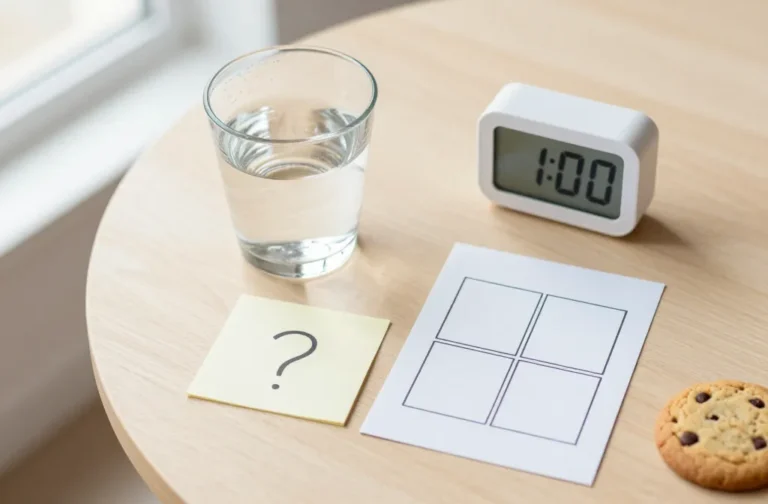
- Water + 5 breaths: Hydrate, then breathe: 4 seconds in, 6 out, 5 times.
- Change state: Two minutes outside or a quick stretch resets your brain.
- Message a friend: Connection lowers stress better than cookies do. FYI.
If after two minutes you still want the snack, go for it, but you’ve proven to yourself you can pause.
The 3-Bite Strategy
Craving something specific? Take three slow bites, notice taste and texture, and reassess. Pleasure skyrockets when you actually pay attention. You might stop there—or not. Either way, you chose, not your stress response.
Step 3: Build a “Comfort Menu” That Isn’t in Your Pantry
Emotional eating works because it’s fast, predictable, and legal. So make non-food comforts just as easy.
- For stress: Hot shower, 60-second wall stretch, legs up the wall, calming playlist
- For boredom: 10 pages of a fun book, a tiny craft, two songs of dancing
- For loneliness: Voice note to a friend, cuddle a pet, community forum check-in
- For overwhelm: Brain dump + pick “one next step” on a sticky note
Put your menu on your fridge. Make it visual and obvious. We love obvious.
Step 4: Design Your Environment (So You Don’t Have to Be a Hero)
Your kitchen can help you or trip you. Let’s stack the deck.
- Visibility rule: Treats in opaque containers, healthy snacks at eye-level
- Prep friction: Single-serve snacks for treats; wash and chop fruit in advance
- “Snack spot” boundary: Eat snacks only at a table, never at your desk or bed
- Default drink: Flavored sparkling water or herbal tea within arm’s reach
We don’t resist snacks well, but we do avoid hassle. Use that.
Step 5: Eat Enough, Early Enough

Strong cravings often signal under-eating or imbalanced meals. If you “save calories” all day, your evening self will stage a coup.
Build Satisfying Meals
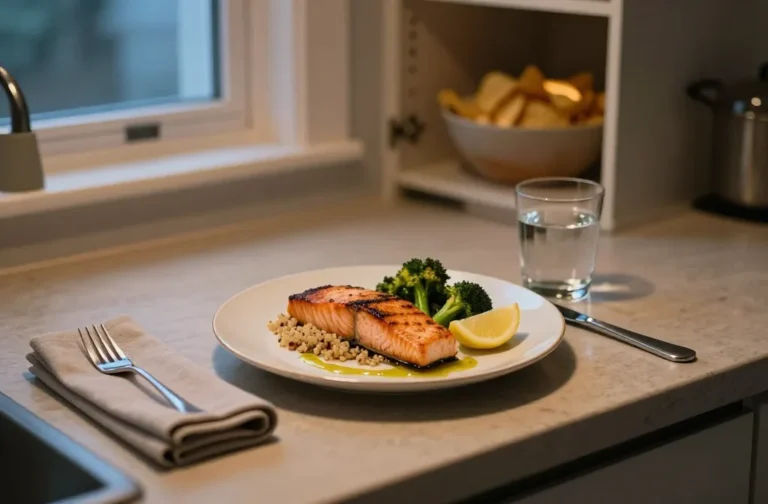
Use the simple plate method:
- Protein: palm-sized (eggs, tofu, chicken, Greek yogurt)
- Fiber + color: half your plate veggies or fruit
- Smart carbs or fats: quarter plate carbs (rice, potatoes, beans) + a thumb of fat (olive oil, avocado, nuts)
You’ll stabilize blood sugar and reduce those urgent “must eat now” messages. FYI, steady energy beats snacks-meet-guilt whiplash.
Step 6: Make Peace With Food (Restriction Fuels Rebellion)
If you label foods “good” and “bad,” your brain fixates on the “bad” ones. Allow all foods, practice portion flexibility, and notice satisfaction cues. Scarcity mindset creates binges. Permission reduces them.
Ritualize Treats
Create a weekly or daily treat ritual with structure: one favorite dessert, plated, seated, no distractions. When pleasure becomes predictable, it stops driving chaos.
Step 7: Emotional First Aid for High-Trigger Moments
For those “I could eat the pantry” nights, use a rapid reset:
- Regulate: 4-7-8 breathing or a cold splash on your face
- Relate: Text someone, or write a kind note to yourself
- Reason: Ask, “What’s the smallest helpful action now?”
Not perfect, just better. Progress > perfection. IMO, perfection is a drama queen anyway.
Track What Matters (Spoiler: Not Just Calories)
Use a simple daily check:
- How stressed was I (1–10)?
- Did I eat 3 balanced meals?
- Did I pause before snacking at least once?
- Did I connect with a human?
Celebrate tiny wins. They snowball.
Simple Snack Ideas That Satisfy (With Estimated Nutrition)
Below are three snack “recipes” designed to curb emotional eating by balancing protein, fiber, and satisfaction. Serving sizes and nutrition are estimates based on standard USDA data.
1) Greek Yogurt Crunch Cup
What you need:
- 3/4 cup plain 2% Greek yogurt
- 1/2 cup mixed berries (strawberries/blueberries)
- 1 tablespoon chopped almonds
- 1 teaspoon honey
Serving size used for calculations: 1 cup as assembled above (entire recipe)
Estimated nutrition per serving:
- Calories: 210
- Total Fat: 6 g
- Total Carbohydrates: 25 g
- Dietary Fiber: 3 g
- Net Carbs: 22 g
- Protein: 17 g
2) Apple + Peanut Butter “Nachos”
What you need:
- 1 medium apple, sliced
- 1 tablespoon natural peanut butter, thinned with a splash of water and drizzled
- 1 teaspoon dark chocolate chips (optional but fun)
Serving size used for calculations: 1 plated apple with toppings (entire recipe)
Estimated nutrition per serving:
- Calories: 220
- Total Fat: 9 g
- Total Carbohydrates: 34 g
- Dietary Fiber: 6 g
- Net Carbs: 28 g
- Protein: 5 g
3) Hummus Veggie Box
What you need:
- 1/4 cup classic hummus
- 1 cup raw veggies (carrot sticks, cucumber, bell pepper)
- 8 whole-grain crackers
Serving size used for calculations: Whole box as listed (entire recipe)
Estimated nutrition per serving:
- Calories: 300
- Total Fat: 11 g
- Total Carbohydrates: 44 g
- Dietary Fiber: 8 g
- Net Carbs: 36 g
- Protein: 8 g
Disclaimer: Nutrition values are estimates and will vary by brand and exact amounts.
FAQ
Is emotional eating always bad?
No. Food brings comfort and connection. The goal isn’t zero emotional eating; it’s reducing the automatic, out-of-control moments that leave you feeling worse.
How do I know if I’m emotionally hungry or physically hungry?
Physical hunger grows gradually and any balanced meal sounds good. Emotional hunger hits fast and demands something specific. If only one food will do, you’ve got feelings on the line.
What if I binge at night even after dinner?
Check your day: did you eat enough earlier, especially protein and carbs? Then add a Do-This-First routine at night (tea, shower, short walk), and keep a planned, satisfying snack. Structure beats chaos.
Should I cut trigger foods from the house?
Short-term, yes, if it helps you reset. Long-term, work toward structured exposure: enjoy those foods in planned, pleasant settings so they lose their power.
Will mindful eating actually help me?
Yes—if you keep it short and doable. Even one mindful minute or three intentional bites lowers the volume on cravings and increases satisfaction.
When should I get professional help?
If episodes feel compulsive, you often eat to numb out, or guilt and shame run the show, reach out to a therapist or dietitian trained in eating behaviors. More support = more tools.
Bottom Line
You don’t need superhuman willpower—you need a system. Name the cue, pause on purpose, stock your comfort menu, and design your environment to help you succeed. Feed yourself well, add small rituals, and let treats be treats. Small, boring changes beat big, dramatic efforts every time. And hey, you’ve got this—no halo required.