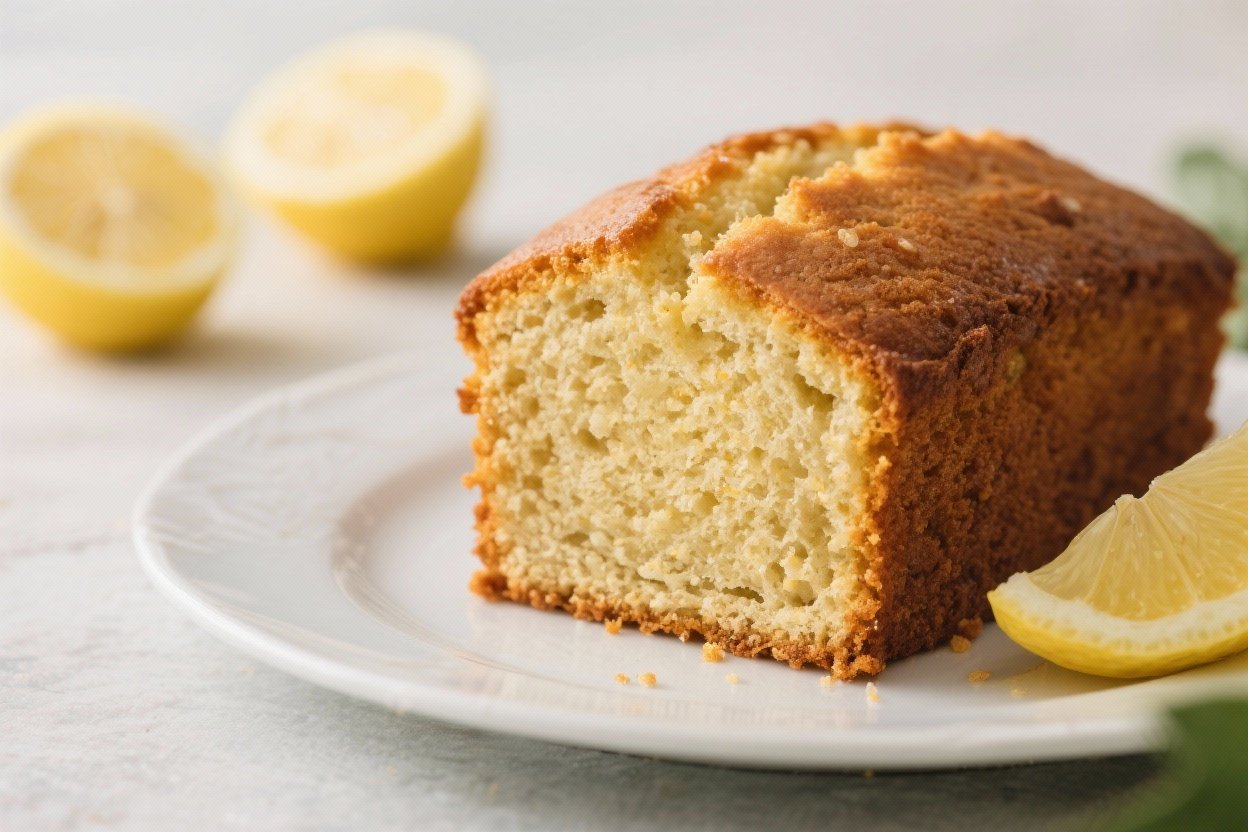
Healthy Lemon Pound Cake That Tastes Like a Cheat Day (But Isn’t): Zesty, Moist, and Shockingly Good
Forget bland “healthy” desserts that taste like cardboard in a gym locker. This is the lemon pound cake that hustles—bright, moist, and loaded with citrus swagger without the sugar crash. Slice it warm, and the aroma alone will make you forget it’s lightened up.
It’s the kind of recipe that makes people ask, “Wait… this is healthy?” Yes. Yes, it is—and it slaps.
Overeating is a pattern. This helps you fix that problem. A quick reset for cravings, snacking, and “I’ll start tomorrow” moments.
Built for busy home cooks who want real-life structure. Simple steps that fit meal prep, family dinners, and late-night snack attacks.
The Secret Behind This Recipe

Most pound cakes lean hard on butter and sugar for texture. This version gets the same plush crumb with smarter swaps and technique.
Greek yogurt brings creamy moisture and protein, while olive oil gives that tender, melt-in-your-mouth crumb. Almond flour adds richness and a subtle nuttiness without the heaviness. We also layer lemon three ways—zest, juice, and a minimalist glaze—so the citrus pops without needing tons of sugar.
A touch of cornstarch mimics cake flour’s softness, and we beat the eggs just enough to lift the batter without making it dry. It’s science with a side of sunshine.
Ingredients
- Dry:
- 1 cup (120 g) white whole wheat flour or fine spelt flour
- 3/4 cup (75 g) almond flour
- 2 tablespoons cornstarch
- 1 teaspoon baking powder
- 1/2 teaspoon baking soda
- 1/4 teaspoon fine sea salt
- Wet:
- 2 large eggs, room temperature
- 1/3 cup (80 ml) extra-virgin olive oil (or avocado oil)
- 3/4 cup (180 g) plain 2% Greek yogurt
- 1/2 cup (120 ml) maple syrup or honey
- 1/4 cup (50 g) coconut sugar or light brown sugar
- 2 tablespoons finely grated lemon zest (about 2 large lemons)
- 1/4 cup (60 ml) freshly squeezed lemon juice
- 1 teaspoon pure vanilla extract
- Optional Lemon Glaze:
- 1/2 cup (60 g) powdered sugar (or powdered erythritol for low-sugar)
- 1–2 tablespoons fresh lemon juice
- Pinch of lemon zest for garnish
The Method – Instructions
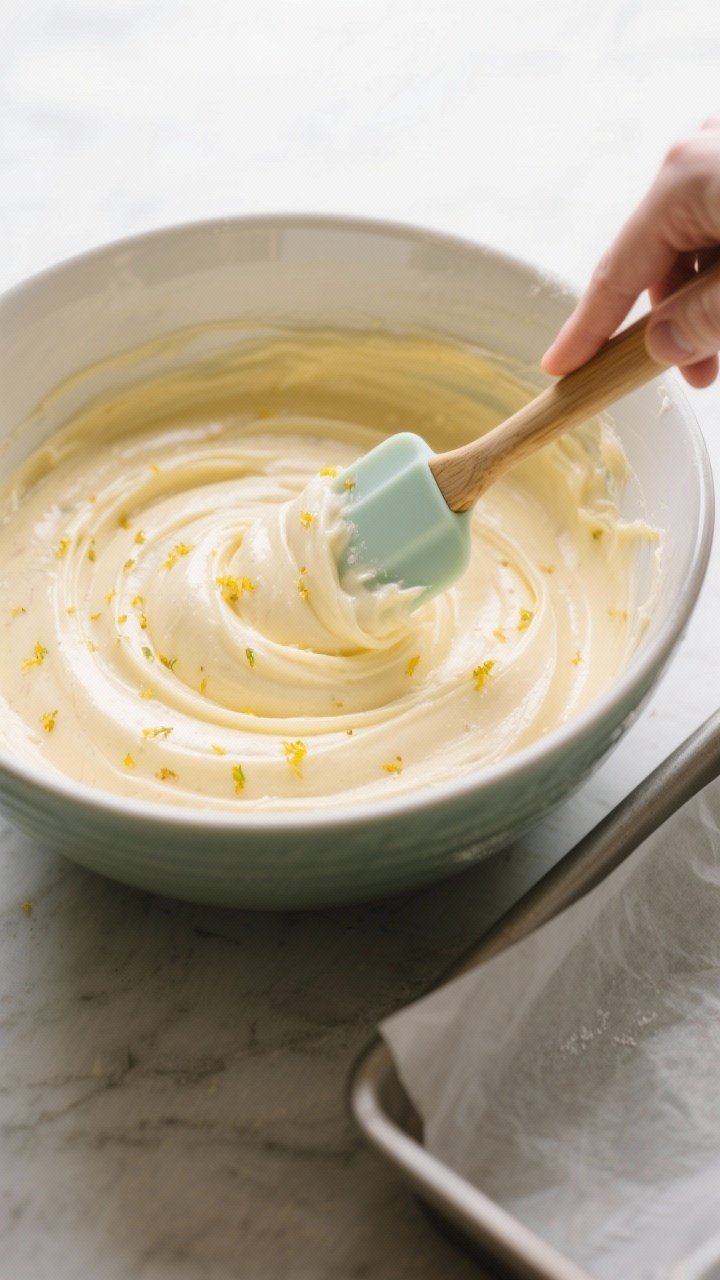
- Prep the pan and oven. Heat oven to 350°F (175°C). Line a 9×5-inch loaf pan with parchment and lightly grease.
This guarantees clean slices and zero sticking.
- Whisk dry ingredients. In a bowl, whisk flour, almond flour, cornstarch, baking powder, baking soda, and salt. Set aside. No lumps, no drama.
- Build the lemon flavor. In a large bowl, rub the lemon zest into the coconut sugar with your fingers until it smells like a lemon grove.
Add maple syrup (or honey), olive oil, yogurt, lemon juice, vanilla, and whisk until smooth.
- Add eggs the smart way. Whisk in the eggs one at a time until incorporated. Don’t overbeat—this is cake, not meringue.
- Combine and fold. Add dry ingredients to wet. Use a spatula to fold gently until just combined.
A few small streaks are fine. Overmixing = tough crumb.
- Pan and bake. Scrape into the loaf pan and smooth the top. Bake 42–50 minutes, until a toothpick comes out mostly clean with a few moist crumbs.
If browning too fast, tent with foil at the 35-minute mark.
- Cool like a pro. Rest in the pan 10 minutes, then lift out to a rack. Cool at least 45 minutes before glazing or slicing. Yes, waiting is painful.
Worth it.
- Glaze (optional but gorgeous). Whisk powdered sugar with lemon juice to a thick drizzle. Pour over the cooled loaf, let it set, and hit with a pinch of zest for flex.
Storage Instructions
- Room temp: Wrap tightly and store up to 2 days. It actually gets more lemony on day two.
- Fridge: Up to 5 days, wrapped or in an airtight container.
Warm slices briefly for that fresh-baked vibe.
- Freeze: Slice, wrap individually, and freeze up to 2 months. Thaw at room temp or toast gently. Glaze after thawing for best results.

Health Benefits
- Protein and satiety: Greek yogurt and almond flour add protein and healthy fats, helping you stay full.
Less snack-pinball later.
- Better-for-you fats: Olive oil provides monounsaturated fats that support heart health, while keeping the crumb ultra-tender.
- Smarter carbs: White whole wheat flour offers fiber without the brick-like texture. Balanced energy > sugar spikes.
- Lower refined sugar load: Maple syrup and coconut sugar add flavor complexity, so you can use less overall sweetener. FYI, the lemon itself lets you cut sweetness without losing appeal.
- Vitamin C boost: Lemon juice and zest deliver antioxidants and brightness.
Not a multivitamin, but it does its job.
Common Mistakes to Avoid
- Overmixing the batter: This is how you turn cake into a doorstop. Fold gently until just combined.
- Skipping room-temp ingredients: Cold eggs and yogurt can seize the batter and reduce rise. Quick fix: warm eggs in lukewarm water for 5 minutes.
- Baking too long: Dry pound cake is a crime.
Start checking at 42 minutes; pull when crumbs cling to the tester.
- Using only juice, no zest: Zest is where the lemon fireworks live. Juice adds tang; zest brings fragrance and depth.
- Drowning it in glaze: This is “healthy” lemon pound cake, not a sugar waterfall. A thin drizzle looks classy and keeps macros in check.
Mix It Up
- Poppy Seed Crunch: Add 1.5 tablespoons poppy seeds for texture and classic bakery vibes.
- Blueberry Burst: Fold in 3/4 cup fresh blueberries tossed with 1 teaspoon flour to prevent sinking.
- Protein Push: Replace 1/4 cup flour with unflavored whey or plant protein; add 1–2 tablespoons extra yogurt to keep moist.
- Dairy-Free: Swap Greek yogurt for thick coconut yogurt and choose maple syrup.
Use avocado oil for a neutral profile.
- Gluten-Free: Use a 1:1 gluten-free baking blend plus the almond flour; keep the cornstarch. Texture stays soft, not sandy.
- Meyer Lemon Upgrade: Slightly sweeter and floral; reduce sweetener by 1–2 tablespoons if using Meyer lemons.
FAQ
Can I make this without almond flour?
Yes. Replace the almond flour with 1/2 cup additional white whole wheat flour plus 2 tablespoons olive oil.
The cake will be slightly less plush but still excellent.
Is this sweet enough without the glaze?
Totally. The cake is balanced and bright on its own. The glaze adds shine and extra zing, but if you’re cutting sugar, skip it and maybe add a touch more zest in the batter.
Can I use regular all-purpose flour?
Absolutely.
Swap the white whole wheat for all-purpose flour 1:1. Keep the almond flour for tenderness unless you’re allergic or out.
How do I avoid a dense bottom layer?
Make sure your leaveners are fresh, don’t overmix, and bake on the center rack. Also, let the batter rest 2–3 minutes before pouring—this lets bubbles settle evenly.
What’s the best way to zest lemons?
Use a microplane and only remove the yellow layer.
The white pith is bitter and crashes the party uninvited.
Can I cut the sweetener even more?
You can reduce the maple syrup to 1/3 cup and increase yogurt by 2 tablespoons. Flavor stays lemon-forward, texture remains moist, sweetness drops a notch.
Why olive oil instead of butter?
Olive oil keeps the crumb soft for days and brings heart-healthy fats. Also, it plays nicely with lemon.
If you’re a butter purist, swap in melted butter 1:1—just expect it to firm up faster after cooling.
My Take
This is the unicorn dessert: bakery-level flavor with everyday ingredients and a nutrition profile that doesn’t side-eye your goals. The triple-lemon strategy makes it pop, the yogurt-oil combo keeps it lush, and the crumb stays tender even on day three—rare for “light” cakes. IMO, it’s the kind of recipe you make once and then keep in rotation for brunch, meal prep, or late-night “just a sliver” situations.
And if anyone asks whether it’s actually healthy? Hand them a slice and let the results speak.
Printable Recipe Card
Want just the essential recipe details without scrolling through the article? Get our printable recipe card with just the ingredients and instructions.