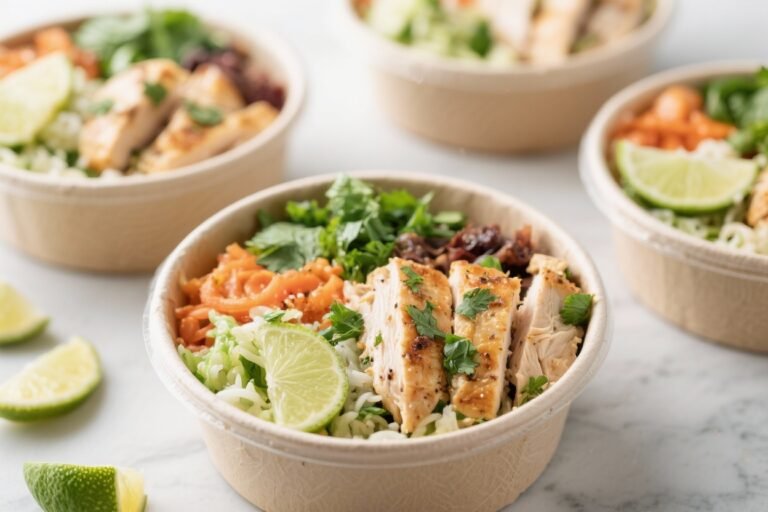
Healthy Low Calorie Spicy Asian Noodle Bowl – Flavorful, Light, and Satisfying
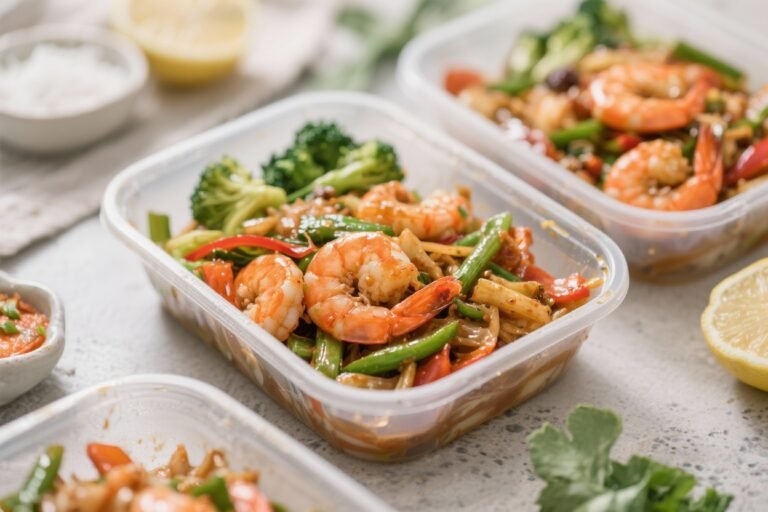
This Healthy Low Calorie Spicy Asian Noodle Bowl brings bold flavor without weighing you down. It’s quick to make, full of fresh vegetables, and balanced with a light, spicy sauce. Think chewy noodles, crisp veggies, and a savory-sweet heat that feels comforting yet clean.
Whether you’re meal-prepping or craving a fast weeknight dinner, this bowl hits the spot. It’s flexible, budget-friendly, and easy to tailor to your taste.

Healthy Low Calorie Spicy Asian Noodle Bowl - Flavorful, Light, and Satisfying
Ingredients
Method
- Prep the noodles. Cook your chosen noodles according to package directions. For shirataki, rinse well and briefly boil or dry-sauté to remove any smell. Drain and set aside.
- Mix the sauce. In a small bowl, combine soy or tamari, chili paste, rice vinegar, sesame oil, lime juice, and honey if using. Taste and adjust heat or sweetness. Set aside.
- Heat the pan. Warm 1 teaspoon oil in a large skillet or wok over medium-high heat. Keep it hot, but not smoking, for quick cooking and bright veggies.
- Cook the protein. Add tofu, chicken, or shrimp. Season lightly with salt and pepper. Stir-fry until just cooked through. Remove to a plate.
- Sauté aromatics. In the same pan, add garlic and ginger. Cook for 30 seconds until fragrant, stirring to prevent burning.
- Add vegetables. Toss in mushrooms, bell pepper, snap peas, and carrot. Stir-fry 2–3 minutes until crisp-tender.
- Build the broth. Pour in the broth and bring to a simmer. This creates a lighter, slurpable base without heavy oils.
- Combine everything. Add noodles and cooked protein back to the pan. Pour in the sauce and toss to coat. Simmer 1–2 minutes to let flavors meld.
- Finish and taste. Stir in cabbage and green onions. Cook 30–60 seconds just to soften the cabbage. Taste and add a splash more lime, soy, or chili if needed.
- Serve hot. Ladle into bowls and top with cilantro, sesame seeds, bean sprouts, and extra chili. Add lime wedges on the side.
Overeating is a pattern. This helps you fix that problem. A quick reset for cravings, snacking, and “I’ll start tomorrow” moments.
Built for busy home cooks who want real-life structure. Simple steps that fit meal prep, family dinners, and late-night snack attacks.
What Makes This Special

This noodle bowl highlights fresh textures, bright flavors, and smart swaps that keep calories low while staying filling. Instead of heavy oils and thick sauces, it leans on aromatics, chili, and a splash of lime for flavor.
You’ll get plenty of fiber and protein without the excess. It also fits many diets and can be adapted for vegan, gluten-free, or high-protein preferences. Best of all, it’s a one-pan kind of meal that comes together fast.
What You’ll Need
- Noodles: 6–8 oz shirataki, brown rice vermicelli, or whole wheat soba (choose low-calorie or whole grain options)
- Vegetables: 2 cups shredded napa cabbage or coleslaw mix, 1 cup sliced bell pepper, 1 cup thinly sliced mushrooms, 1 medium carrot (julienned), 1 cup snap peas or green beans, 2 green onions (sliced)
- Protein (choose one): 8 oz firm tofu (pressed and cubed), 8 oz chicken breast (thinly sliced), or 8 oz shrimp (peeled)
- Aromatics: 3 cloves garlic (minced), 1 tablespoon fresh ginger (grated)
- Spice and Sauce Base: 1–2 tablespoons chili paste (such as sambal oelek or gochujang), 2 tablespoons low-sodium soy sauce or tamari, 1 tablespoon rice vinegar, 1 teaspoon toasted sesame oil, 1 teaspoon honey or maple syrup (optional), juice of 1/2 lime
- Broth: 1 to 1 1/2 cups low-sodium vegetable or chicken broth
- Oil: 1 teaspoon neutral oil for sautéing (avocado or canola)
- Toppings: Fresh cilantro, lime wedges, thinly sliced chili or red pepper flakes, sesame seeds, and a small handful of bean sprouts
- Optional boosts: 1 teaspoon fish sauce (for depth), 1 tablespoon peanut butter or tahini (for a creamier, slightly richer bowl)
Step-by-Step Instructions

- Prep the noodles. Cook your chosen noodles according to package directions.
For shirataki, rinse well and briefly boil or dry-sauté to remove any smell. Drain and set aside.
- Mix the sauce. In a small bowl, combine soy or tamari, chili paste, rice vinegar, sesame oil, lime juice, and honey if using. Taste and adjust heat or sweetness.
Set aside.
- Heat the pan. Warm 1 teaspoon oil in a large skillet or wok over medium-high heat. Keep it hot, but not smoking, for quick cooking and bright veggies.
- Cook the protein. Add tofu, chicken, or shrimp. Season lightly with salt and pepper.
Stir-fry until just cooked through. Remove to a plate.
- Sauté aromatics. In the same pan, add garlic and ginger. Cook for 30 seconds until fragrant, stirring to prevent burning.
- Add vegetables. Toss in mushrooms, bell pepper, snap peas, and carrot.
Stir-fry 2–3 minutes until crisp-tender.
- Build the broth. Pour in the broth and bring to a simmer. This creates a lighter, slurpable base without heavy oils.
- Combine everything. Add noodles and cooked protein back to the pan. Pour in the sauce and toss to coat.
Simmer 1–2 minutes to let flavors meld.
- Finish and taste. Stir in cabbage and green onions. Cook 30–60 seconds just to soften the cabbage. Taste and add a splash more lime, soy, or chili if needed.
- Serve hot. Ladle into bowls and top with cilantro, sesame seeds, bean sprouts, and extra chili.
Add lime wedges on the side.
Keeping It Fresh
Store leftovers in an airtight container for up to 3–4 days. Keep toppings like herbs and sprouts separate so they stay crisp. If you plan to meal prep, consider storing noodles and broth separately, then combine when reheating.
To reheat, warm gently on the stovetop with a splash of broth or water to loosen the sauce. Avoid overcooking to keep the veggies bright and the noodles springy.
Benefits of This Recipe
- Low calorie, high satisfaction: Smart noodle choices and plenty of vegetables keep calories in check without sacrificing fullness.
- Balanced nutrition: You’ll get fiber from vegetables, lean protein from your chosen add-in, and micronutrients from fresh herbs and aromatics.
- Customizable heat: Adjust the chili to your comfort level while still getting that satisfying kick.
- Fast and flexible: Great for busy nights, with easy swaps based on what’s in your fridge.
- Meal-prep friendly: Holds up well for a few days and reheats cleanly with minimal fuss.
Common Mistakes to Avoid
- Overcooking the noodles: Soft noodles fall apart and soak up too much broth. Cook to just tender and finish briefly in the sauce.
- Using too much oil: A teaspoon goes a long way.
Rely on broth, lime, and chili for flavor instead of extra fat.
- Skipping the rinse for shirataki: Proper rinsing and a quick par-cook remove any off smells and improve texture.
- Adding cabbage too early: It wilts fast. Stir it in at the end for a fresh bite.
- Under-seasoning the broth: Taste and adjust. A tiny hit of soy, lime, or fish sauce can wake everything up.
Alternatives
- Noodles: For the lowest calories, choose shirataki.
For a heartier feel, use whole wheat soba or brown rice vermicelli. Zucchini noodles also work if you prefer a grain-free option.
- Protein: Swap tofu for tempeh, edamame, or a soft-boiled egg. Use rotisserie chicken or leftover grilled shrimp for speed.
- Sauce profile: Try gochujang for sweet heat, sambal for a clean chili flavor, or sriracha for a familiar kick.
For a nutty twist, whisk in 1 tablespoon peanut butter or tahini.
- Veggies: Broccoli, bok choy, kale, or zucchini fit right in. Use frozen stir-fry veggies if you’re short on time.
- Gluten-free: Use tamari or coconut aminos and rice noodles or shirataki labeled gluten-free.
FAQ
How can I keep this very low calorie without losing flavor?
Use shirataki noodles, plenty of non-starchy vegetables, and lean protein. Build flavor with garlic, ginger, chili paste, lime, and a splash of low-sodium soy instead of extra oil or sugar.
A little sesame oil goes a long way—measure it, don’t pour.
Is this recipe spicy?
It has adjustable heat. Start with 1 teaspoon chili paste and add more to taste. You can also tame the spice with a squeeze of lime or a small drizzle of honey.
Can I make it vegan?
Yes.
Use tofu or edamame for protein, vegetable broth, and skip fish sauce. Tamari or soy sauce works for umami, and a touch of miso or mushrooms can deepen the flavor.
What’s the best noodle for meal prep?
Whole wheat soba or brown rice vermicelli hold up best for a couple of days. Shirataki is great for calories but can soften more on reheating, so store it separate from the broth if possible.
How do I thicken the broth slightly?
Let it simmer briefly to reduce, or whisk 1 teaspoon cornstarch with 1 tablespoon water and stir it in at the end.
For a richer mouthfeel, add a small spoon of peanut butter or tahini.
Can I skip the broth and make it more like a stir-fry?
Absolutely. Use half the sauce and no broth. Stir-fry everything hot and fast, then toss with the noodles and sauce to coat.
What if I don’t have fresh ginger?
Use 1/2 teaspoon ground ginger or a squeeze of ginger paste.
It won’t be as bright, but it still adds warmth.
How do I keep tofu from crumbling?
Press it for 15–20 minutes, pat dry, and cook it undisturbed for a couple of minutes per side to get some color before stirring. Extra-firm tofu works best.
In Conclusion
This Healthy Low Calorie Spicy Asian Noodle Bowl delivers bold flavor, crisp veggies, and satisfying protein in a light, slurpable package. It’s quick to make, easy to customize, and friendly to a range of diets.
Keep the method simple, taste as you go, and adjust the spice and lime to your liking. It’s a go-to bowl for weeknights, meal prep, or any time you want something lively and wholesome.
Printable Recipe Card
Want just the essential recipe details without scrolling through the article? Get our printable recipe card with just the ingredients and instructions.